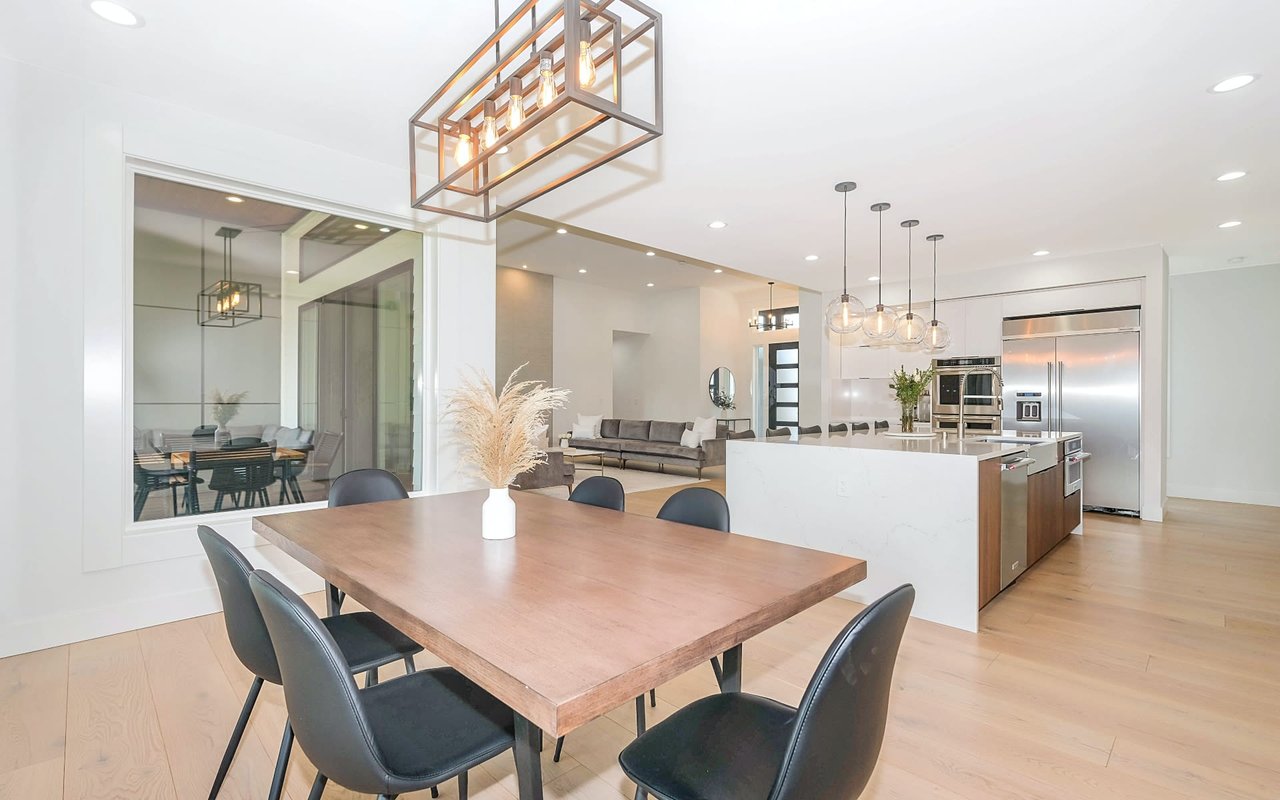
What will give you the better fit in Dublin right now: a low‑maintenance townhome near BART or a detached home with a yard and room to grow? If you are weighing first home vs. move‑up options, it helps to see how each choice affects your budget, space, and day‑to‑day living. In this guide, you will learn current price context, the real costs beyond the mortgage, and the tradeoffs that matter most in Dublin’s neighborhoods. Let’s dive in.
Market snapshot in Dublin
Recent data points show a clear price gap between attached and detached homes in Dublin. Redfin reports a median sale price around $1,268,000 for Dublin as of February 2026. Looking by type, the Q4 2025 market tables show roughly $1.5 million for detached houses vs. about $850,000 for condos, highlighting the typical spread between product types in the city (Q4 2025 market tables). For attached homes specifically, the Bay East January 2026 snapshot places the median near $935,000 (Bay East January 2026 snapshot).
What this means for you: townhomes and condo‑style homes usually offer a lower entry price, while single‑family homes command a premium, especially for larger lots and more privacy. Pace varies month to month, so focus on very recent comps when you are close to writing an offer.
Space and layout differences
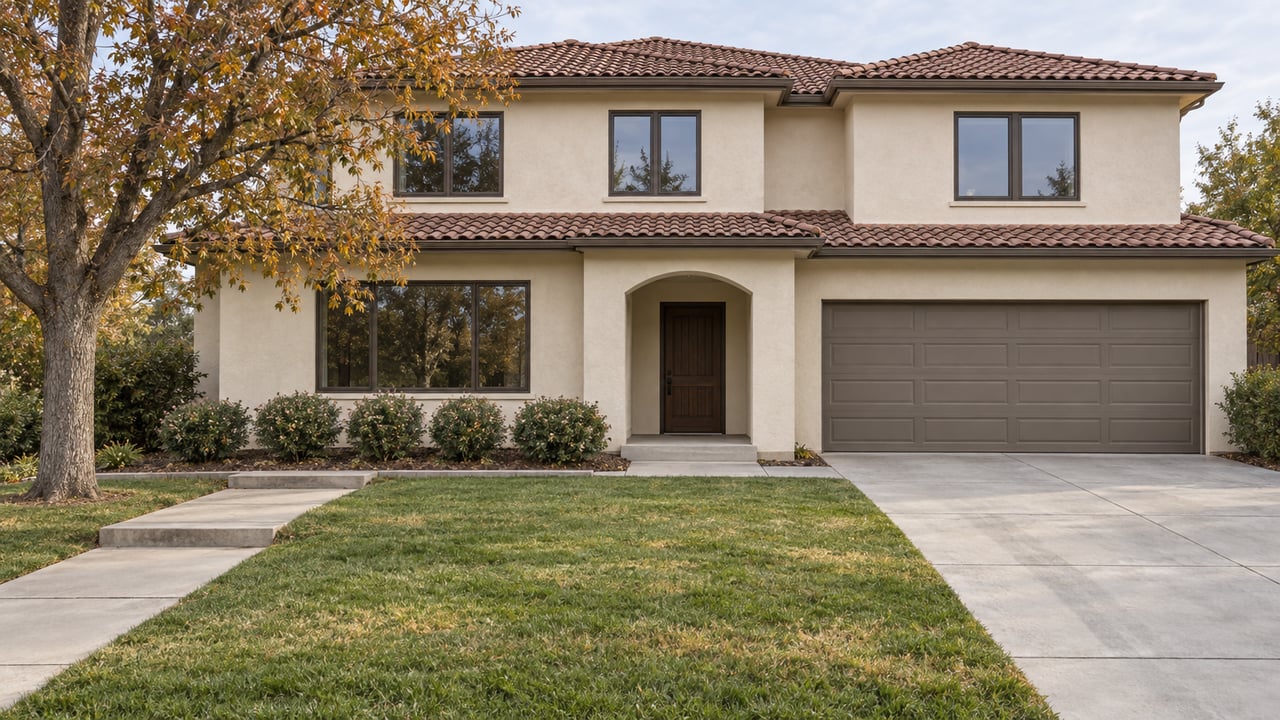
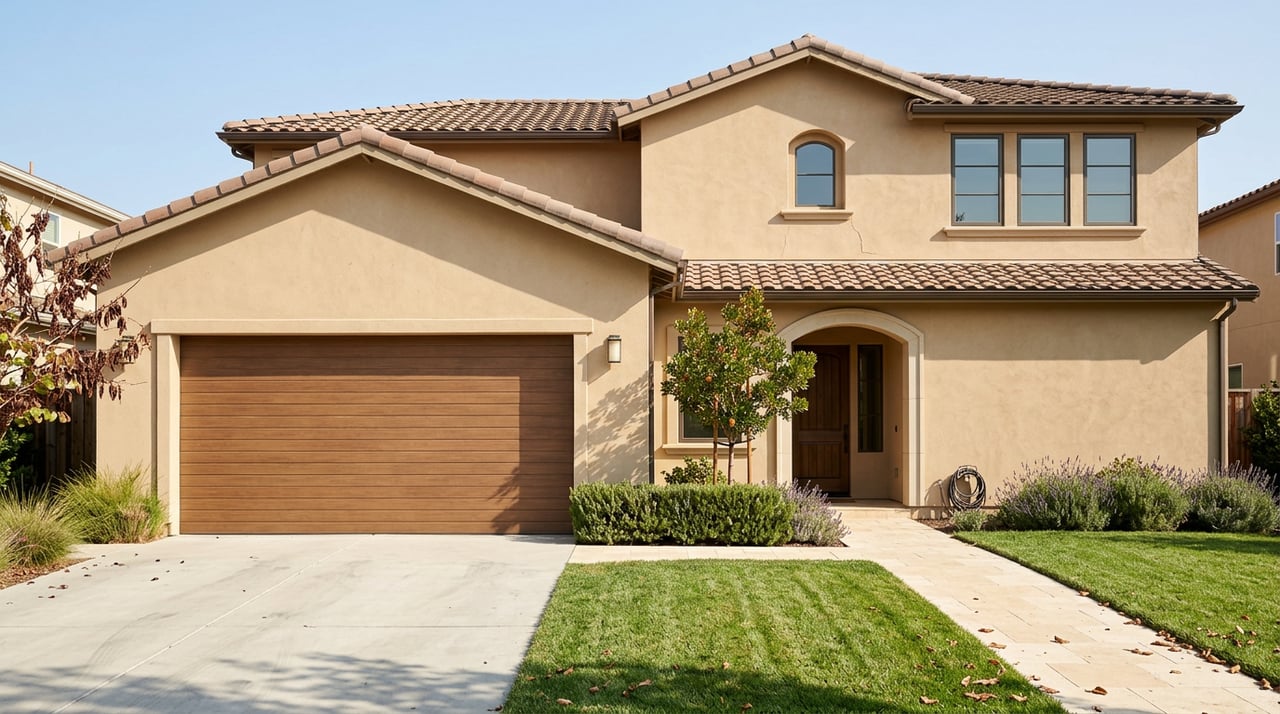
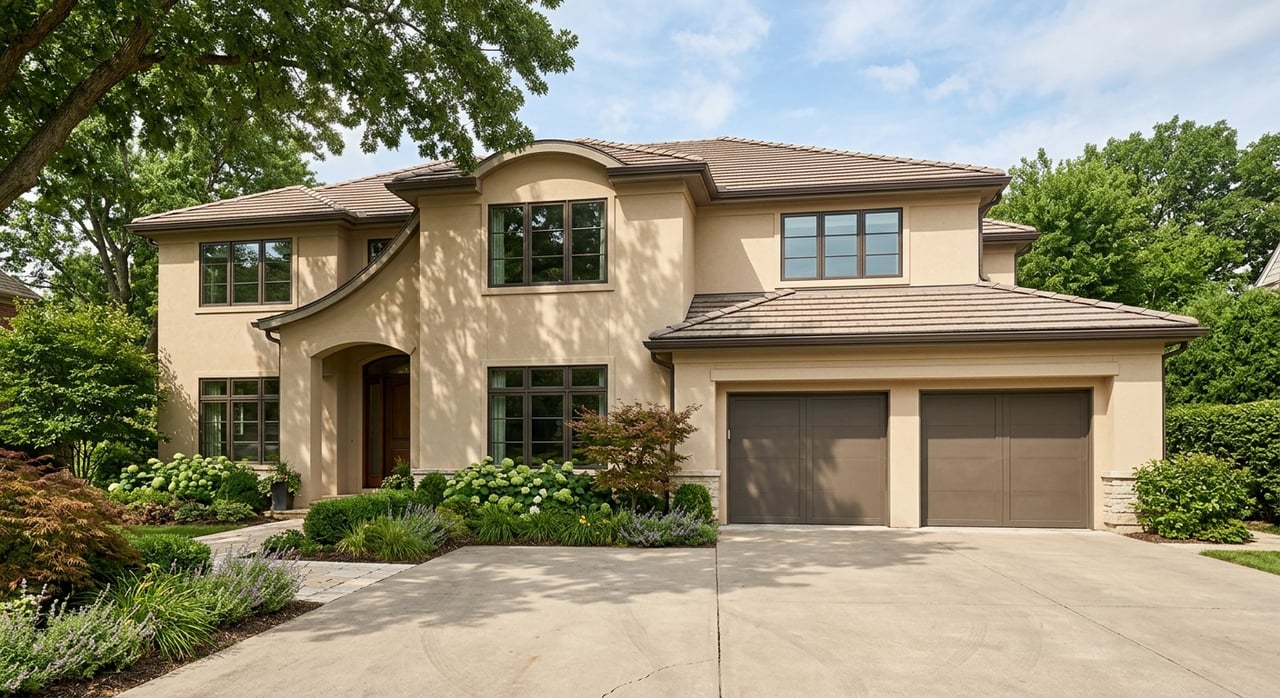
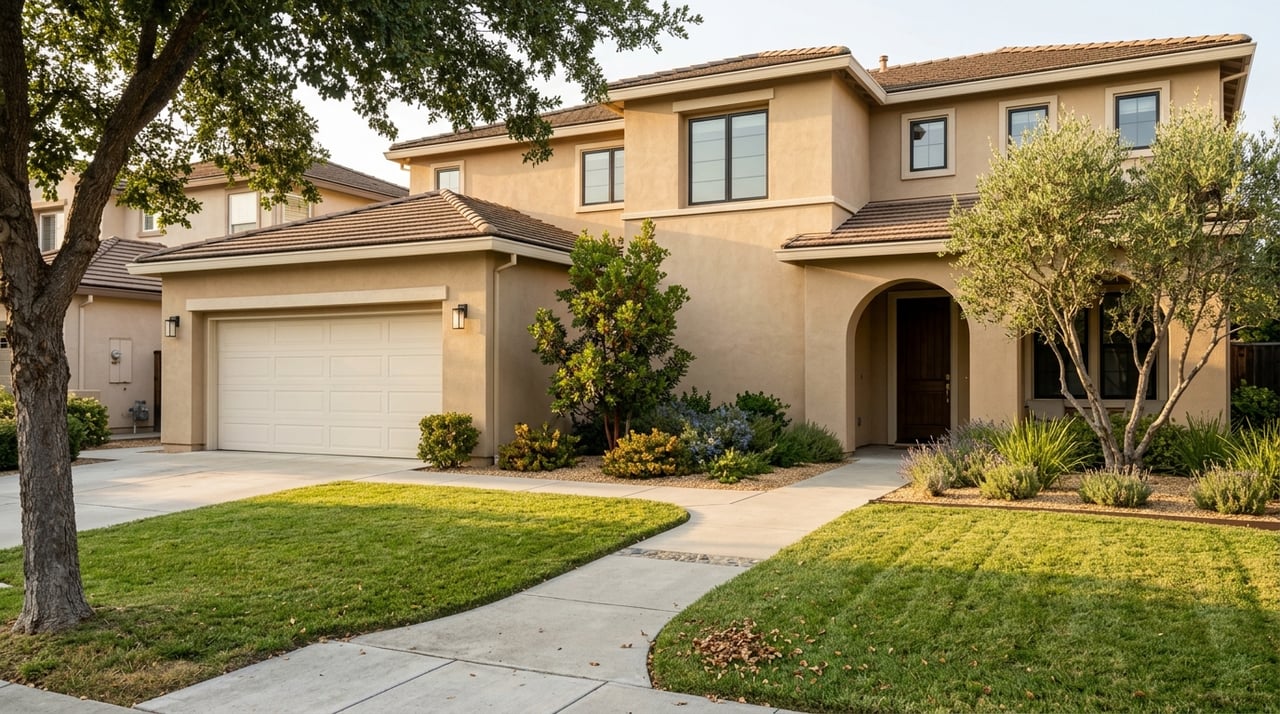
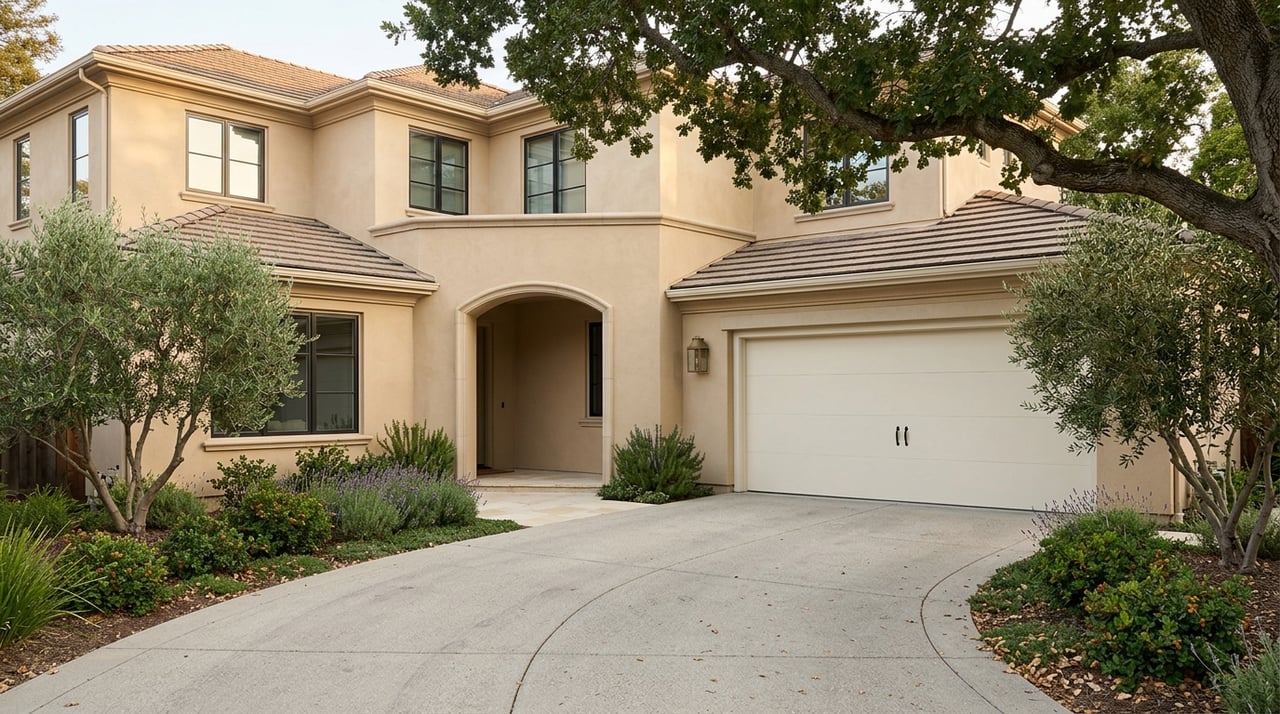
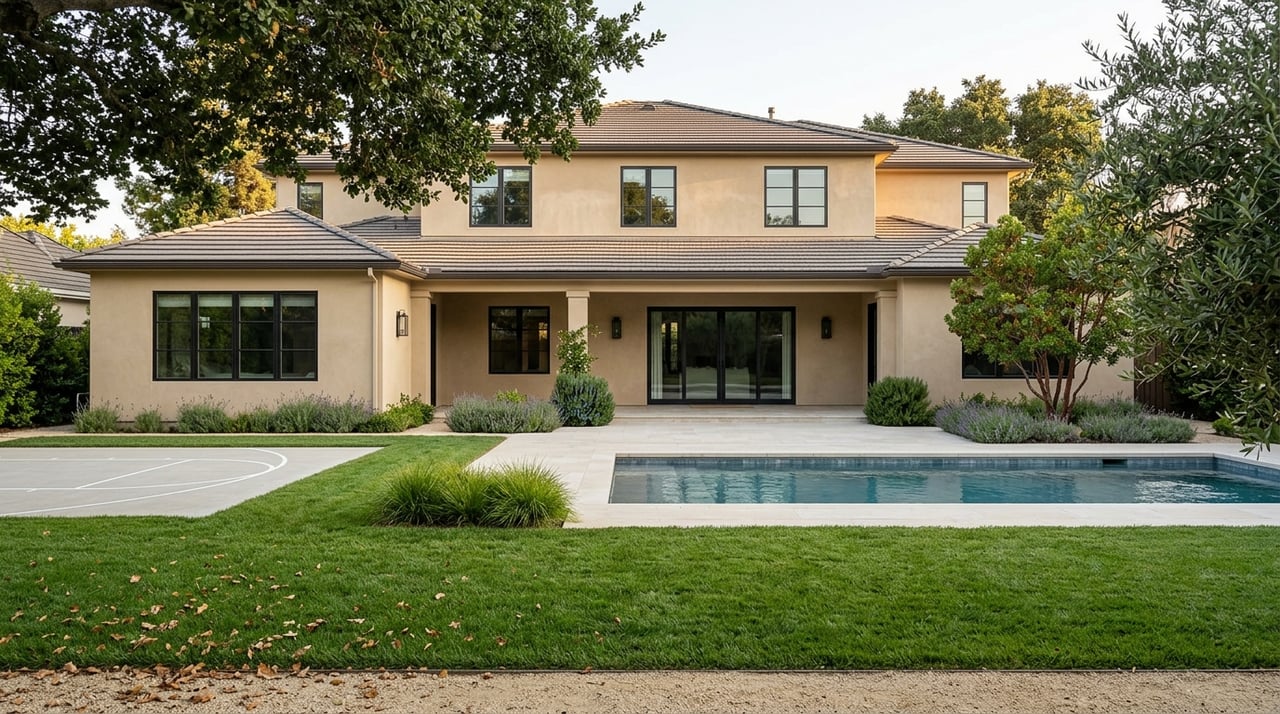
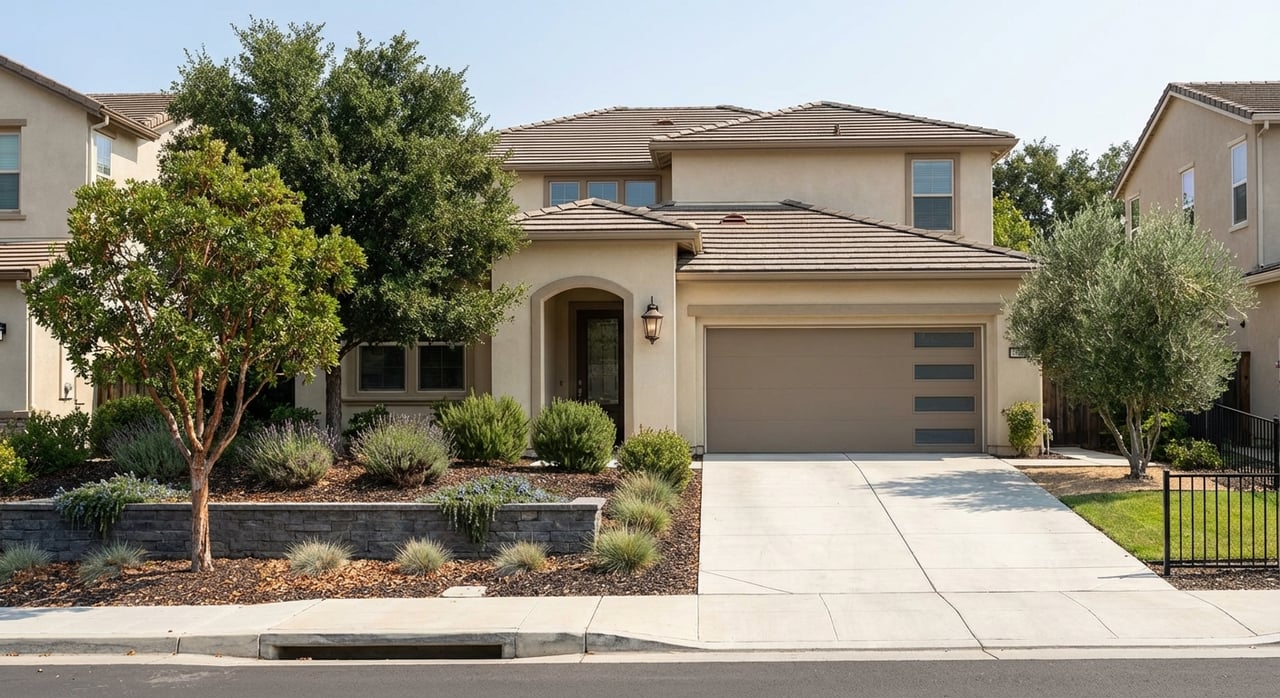
Detached homes in Dublin often provide 1,500 to more than 3,000 square feet, with flexible floor plans and larger garages. Townhomes and condo‑style units commonly range from 1,000 to 2,000 square feet, though some end units and newer builds can be larger. If you want extra bedrooms, a dedicated office, or more storage, detached homes generally deliver more options.
Outdoor space and ADU potential
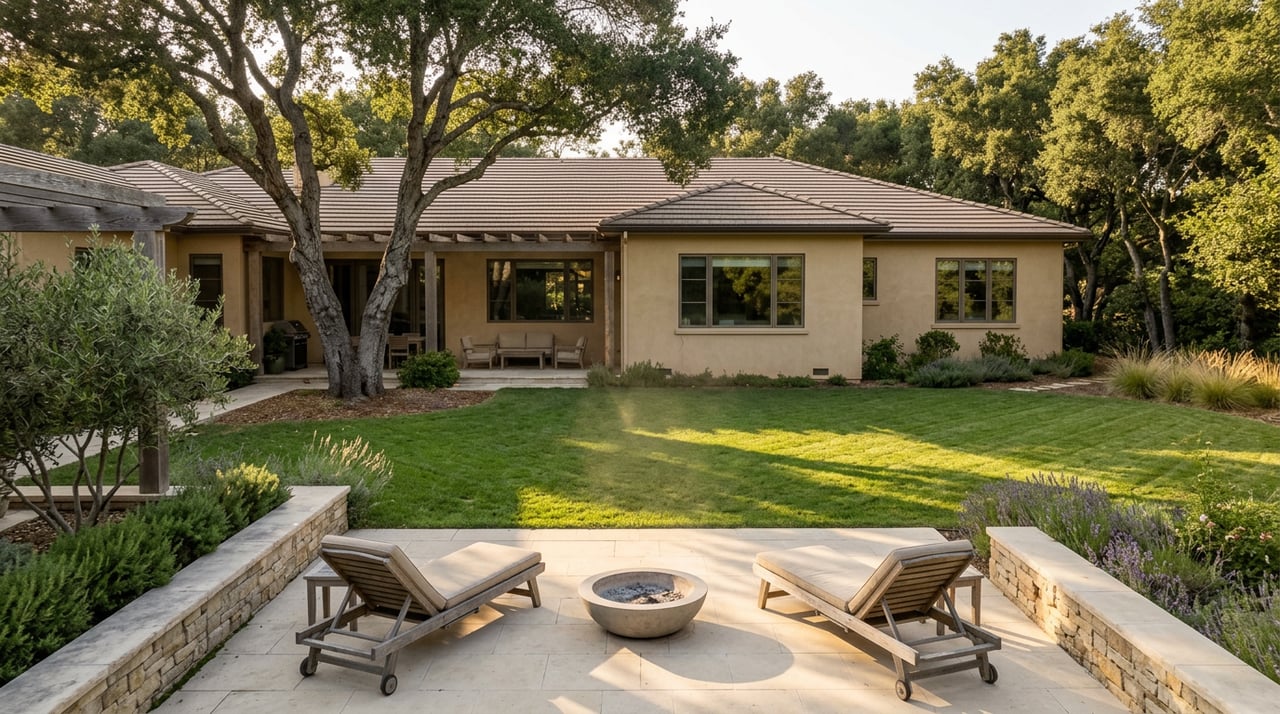
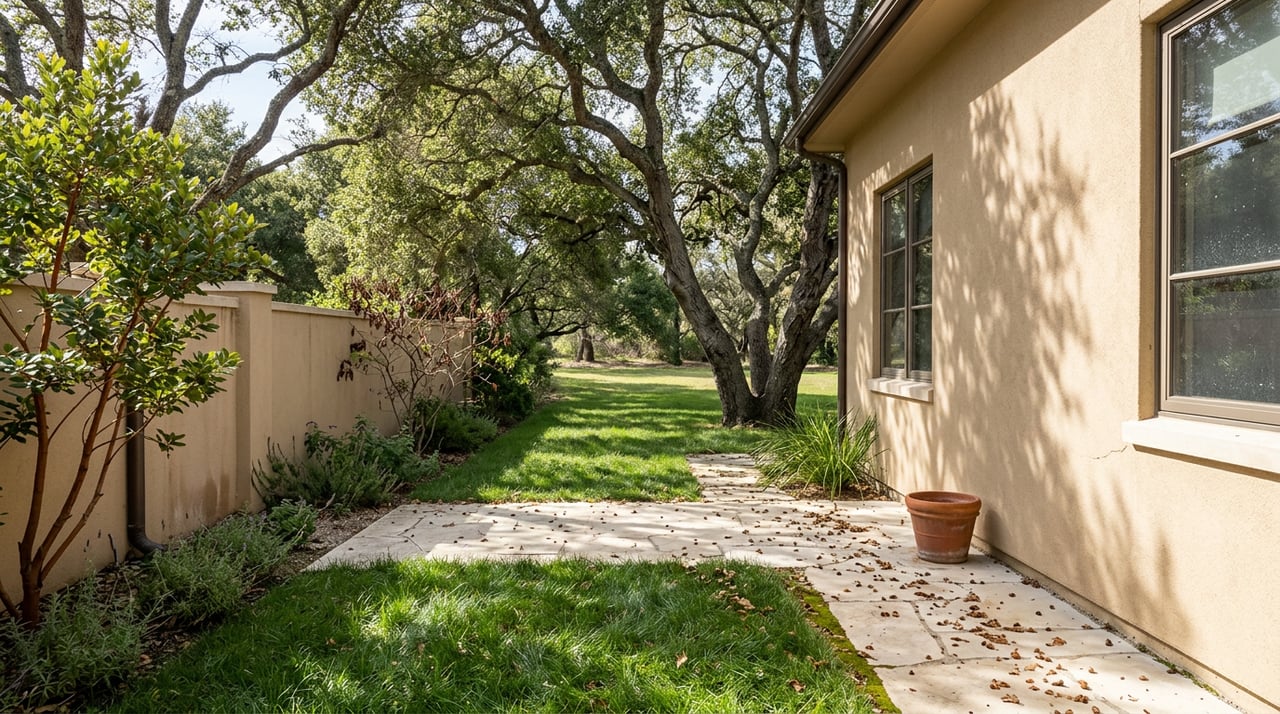
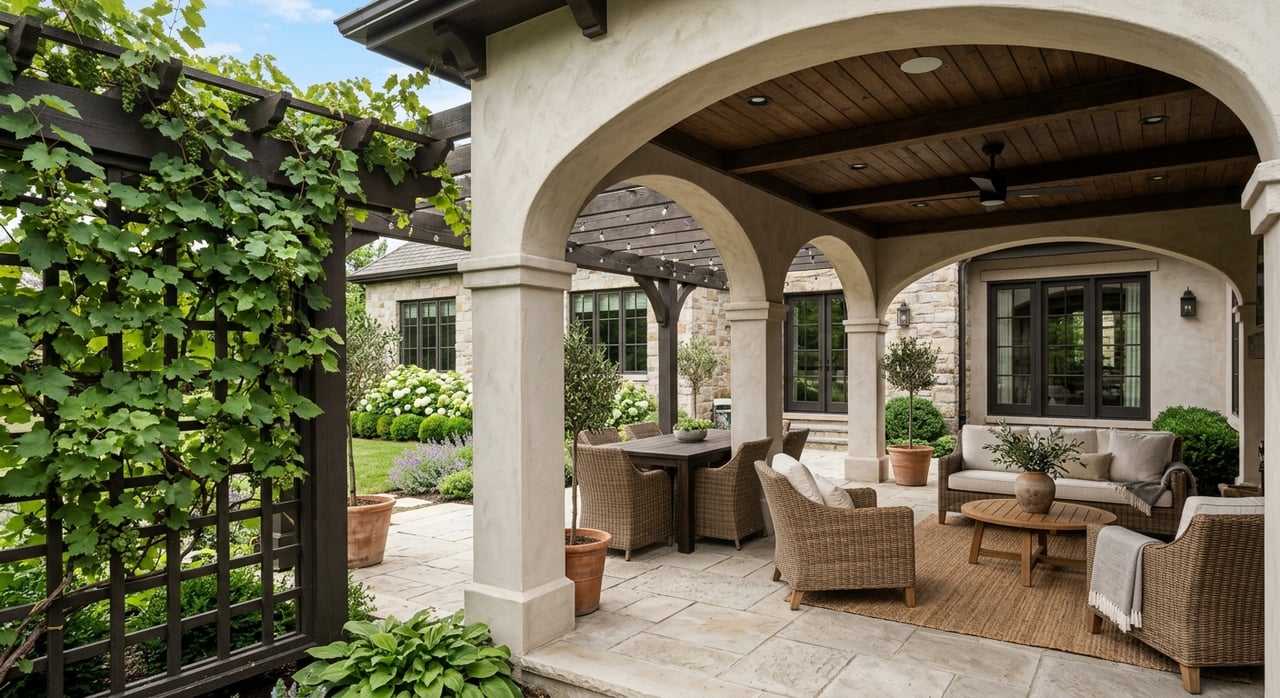
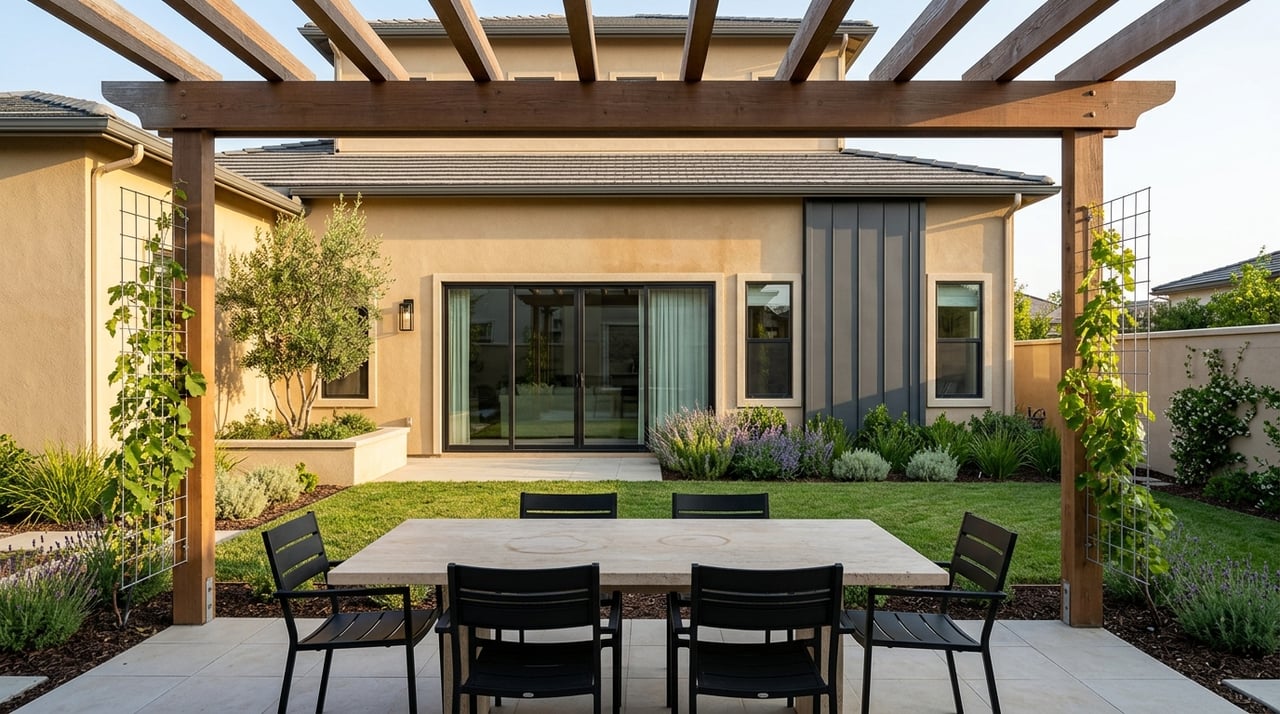
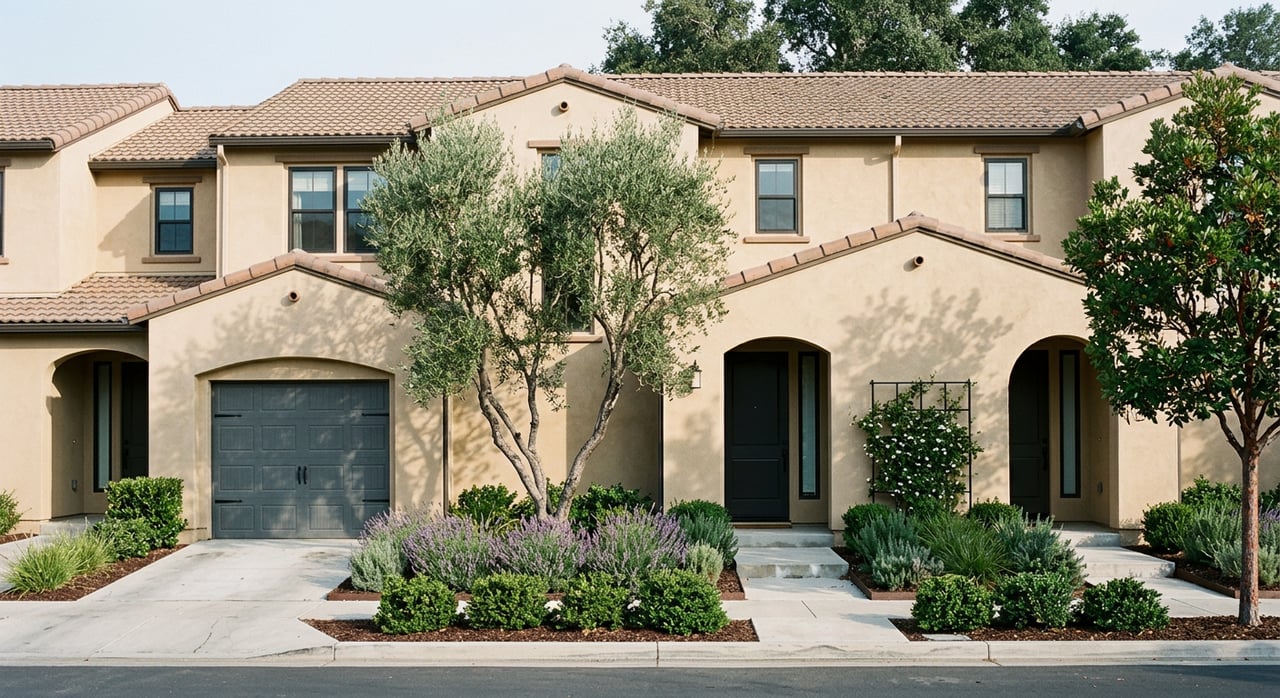
Single‑family homes usually include private lots and yards, which support gardening, pets, play areas, and the potential to add an accessory dwelling unit. Any ADU still requires city review and permits, but detached lots typically make the process more straightforward than in attached communities. Townhomes tend to offer smaller patios or balconies and rely on shared common space managed by an HOA. If a private yard or future ADU is a high priority, a detached home often fits better.
Monthly costs beyond the mortgage
HOA dues and what they cover
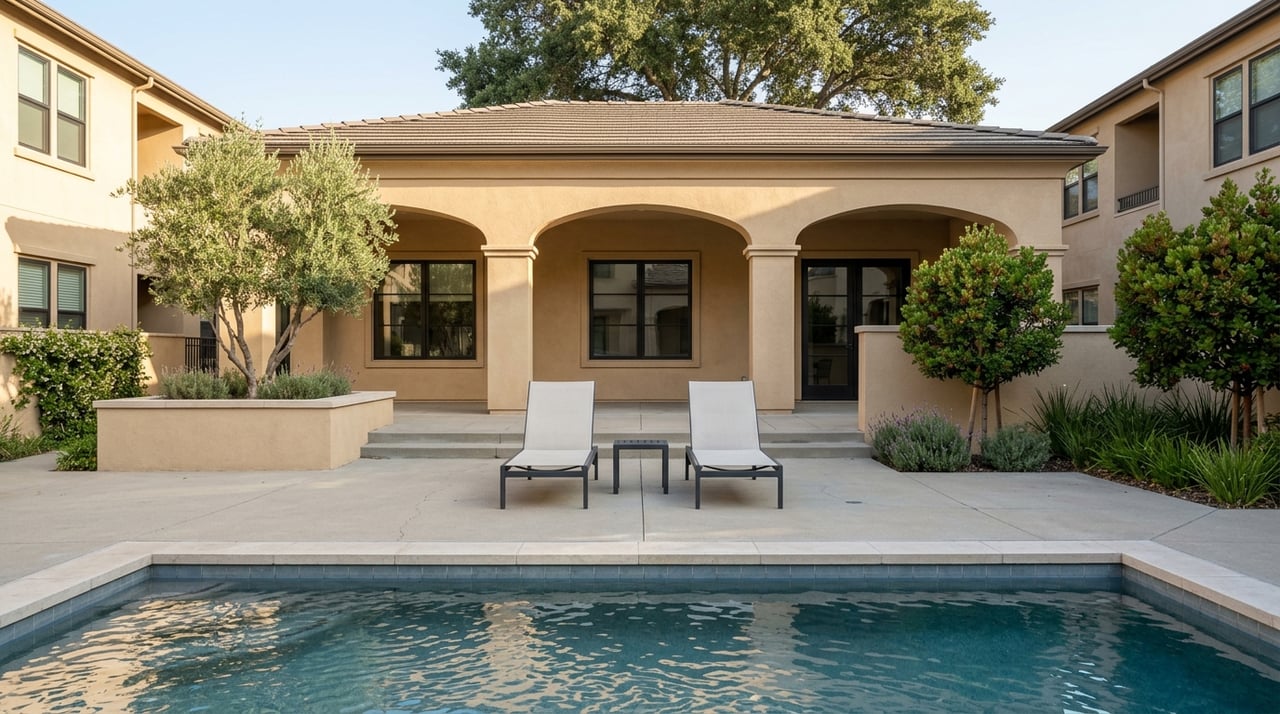
Townhomes and condos come with monthly HOA dues. These dues usually fund exterior maintenance, roofing, landscaping, shared amenities, and a master insurance policy. Fees vary widely by community and amenities. Many Dublin attached communities sit in the low‑hundreds per month, while amenity‑heavy complexes can be higher. Before you commit, request the full HOA packet and review the CC&Rs, budget, reserve study, insurance master policy, and recent board minutes to understand responsibilities and any planned assessments. For context on association rules and member disclosures, see California’s Davis‑Stirling framework and recent updates summarized here (HOA law updates overview). You can also use the Bay East townhome/condo snapshot for local pricing context (Bay East January 2026 snapshot).
Property taxes and Mello‑Roos special taxes
California’s base property tax rate is 1 percent under Proposition 13, then local voter‑approved bonds and assessments are added on top (California property tax basics). In newer Dublin neighborhoods, Community Facilities Districts, also known as Mello‑Roos, add separate special taxes to fund infrastructure. These charges appear as their own line items on the Alameda County tax bill and can materially impact your monthly carrying cost. Dublin maintains public pages for active districts, including recent CFDs in East Dublin (Dublin CFD resource). Always verify the parcel’s APN and current tax bill before you write an offer.
Insurance differences
Attached homes typically require an HO‑6 condo policy for interior coverage, personal property, liability, and loss assessment, while the HOA carries a master policy for the structure and common areas. Coverage scopes vary, so ask the HOA for the master policy and clarify whether it is bare‑walls, walls‑in, or all‑in (HO‑6 and master policy overview). For detached homes, you will likely carry an HO‑3 policy that covers the dwelling, possessions, and liability. Separate endorsements for earthquake, flood, or wildfire risk may be advisable, so get quotes early in your search.
Financing and approvals
Lenders include HOA dues and special taxes in your qualifying ratios. For condos and many townhomes, your lender may need to review project eligibility or established approvals, which can affect loan options and timing. If you plan to use FHA or VA financing, ask your lender to check the specific community early and provide the listing address or APN for a streamlined review.
Where each option clusters in Dublin
East Dublin master‑planned areas like Dublin Ranch, Wallis Ranch, and adjacent enclaves offer a mix of single‑family homes, paired homes, and attached product. These neighborhoods are a consistent source of newer detached inventory, often with larger floor plans and more modern finishes.
If you want transit convenience, look to Dublin Station, West Dublin, and Downtown for higher concentrations of condos and townhomes near BART. Proximity to the Dublin/Pleasanton and West Dublin/Pleasanton stations is a major draw for commuters, with frequent rail access to central Bay Area job centers (BART access context). Local amenities like Emerald Glen Park and the seasonal Dublin Farmers’ Market add to walkable appeal near civic and retail hubs (Dublin Farmers’ Market).
Which is right for you?
Choose a townhome or condo if you value a lower entry price, want to simplify exterior maintenance, and prefer living closer to transit and retail. This path can work well for first‑time buyers, busy professionals, and downsizers who prioritize lock‑and‑leave convenience.
Choose a single‑family home if you want more interior space, a private yard, and flexibility for future projects like an ADU. This route often suits buyers planning for longer time horizons or those who want more control over maintenance without HOA rules.
Quick decision checklist
Use this framework to compare specific homes in Dublin:
- Budget and monthly carrying cost. Add mortgage, property tax, HOA dues, any Mello‑Roos special taxes, insurance, and utilities. Review the parcel’s tax bill and HOA documents for precise numbers. See California’s structure here (California property tax basics) and confirm CFDs on the city’s site (Dublin CFD resource).
- Space and yard needs. List your must‑haves for bedrooms, office space, storage, and outdoor living.
- Maintenance appetite. Decide whether you want HOA‑managed exteriors and amenities, or the flexibility of self‑managed upkeep.
- Commute and transit. If rail access is important, compare listings near the BART stations for time savings (BART access context).
- Insurance and lender factors. For attached homes, verify the HOA’s master policy and get HO‑6 quotes early (HO‑6 and master policy overview). Ask your lender to confirm condo project eligibility if applicable.
- Resale audience. Identify who typically buys in the micro‑neighborhood you are targeting and study the most recent sold comps for momentum.
Due diligence before you write an offer
Collect and review these items to avoid surprises:
- Full HOA packet for attached homes: CC&Rs, bylaws, budget, reserve study, master insurance policy, meeting minutes, current or proposed special assessments, and delinquency rates. California’s Davis‑Stirling framework outlines key disclosure obligations (HOA law updates overview).
- Alameda County tax bill(s) and APN confirmation to verify any CFD or Mello‑Roos special tax amounts. Dublin maintains public information on active districts (Dublin CFD resource).
- Seller disclosures and any notices of pending or recent litigation involving the association.
- Project eligibility checks for condos or townhomes if you plan to use FHA, VA, or certain conventional loans.
- Insurance quotes tailored to the property type and association coverage, including loss assessment coverage for condos (HO‑6 and master policy overview).
The bottom line for Dublin buyers
In Dublin’s current market, townhomes and condo‑style homes usually offer a more affordable entry point and simpler exterior upkeep, balanced by HOA dues and community rules. Single‑family homes command higher prices and bring private yards, more interior space, and easier ADU potential. Focus on the total monthly cost and how each home fits your space, commute, and maintenance preferences.
If you want a local, data‑driven plan for your Dublin purchase, reach out. From neighborhood shortlists to HOA and tax bill reviews, you can move forward with clarity and confidence with Valerie Vicente by your side.
FAQs
How do Dublin townhome HOA dues typically work?
- Dues vary by community and amenities, often in the low‑hundreds per month, and cover exterior maintenance, common areas, and a master insurance policy. Always review the HOA budget, reserve study, and meeting minutes before committing.
Are Mello‑Roos special taxes common in newer Dublin areas?
- Yes, several newer neighborhoods are in Community Facilities Districts that add special taxes to the county bill. Check the parcel APN and the city’s CFD pages to confirm the amount for the specific home.
Can I add an ADU to a Dublin single‑family home?
- Many detached lots can support an ADU with city review and permits. Confirm local zoning, utility capacity, and any HOA restrictions before you plan or budget for an ADU.
Do lenders treat condos differently than houses in Dublin?
- Often, yes. Lenders factor HOA dues and may require project‑level reviews for attached communities, which can impact loan options. Provide your lender the address or APN early for a clear path.
Where will I find townhomes close to BART in Dublin?
- Look in Dublin Station, West Dublin, and Downtown areas for denser attached housing near the West Dublin/Pleasanton and Dublin/Pleasanton stations. These locations offer strong transit access for commuters.