If you picture East Bay luxury as more than square footage, Alamo makes a strong case. Here, estate-style living often means larger lots, more privacy, and outdoor space that changes how your day actually feels. If you are wondering what life on a big parcel really looks like, this guide will help you understand the rhythm, tradeoffs, and appeal of living large in Alamo. Let’s dive in.
What estate-style living means in Alamo
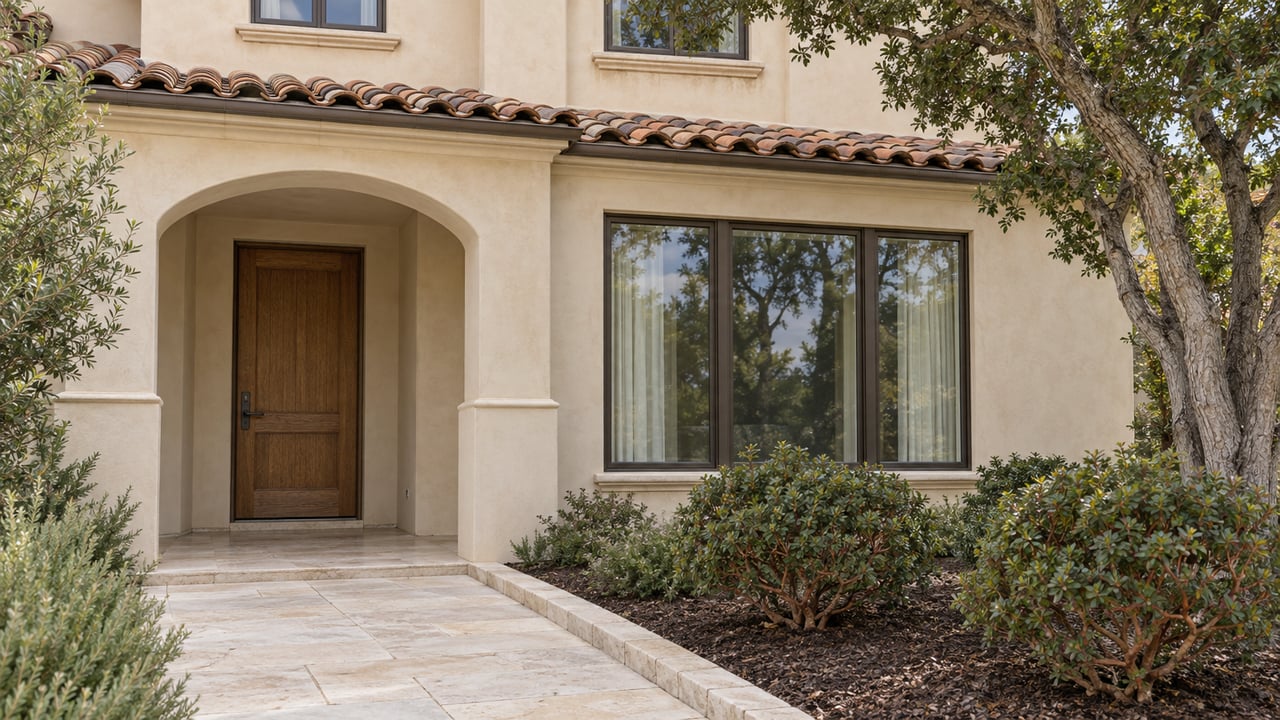
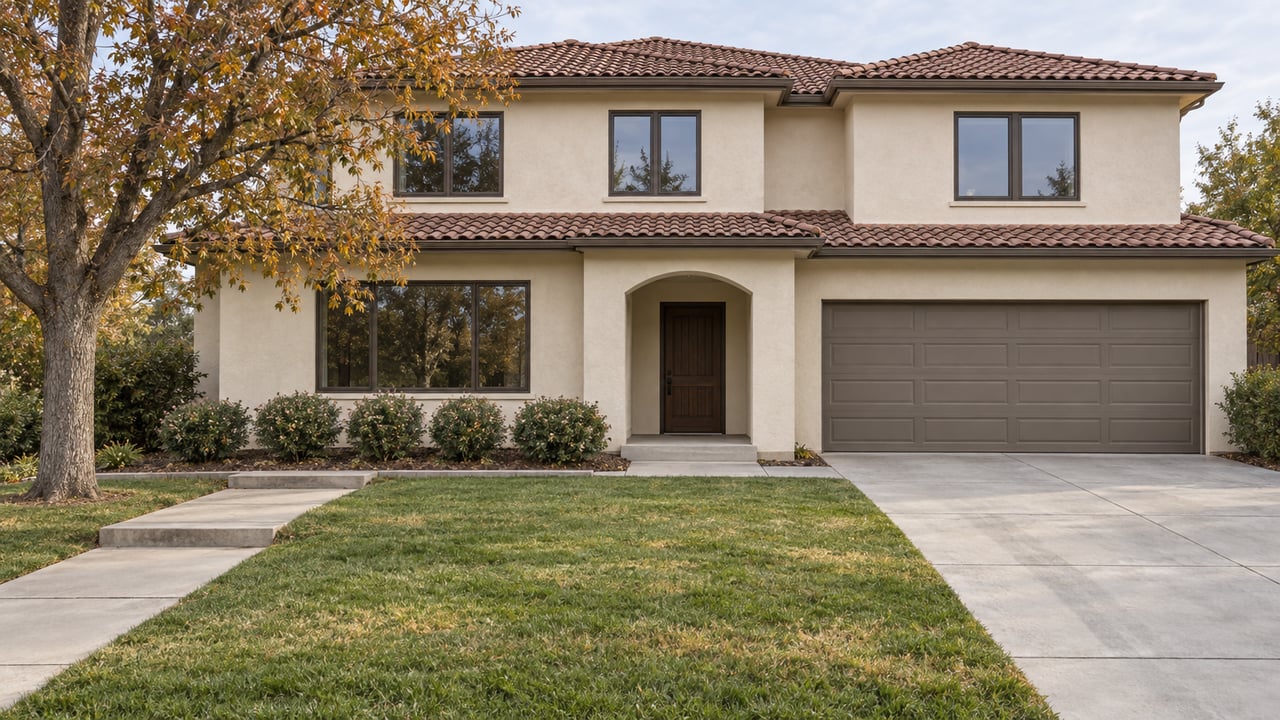
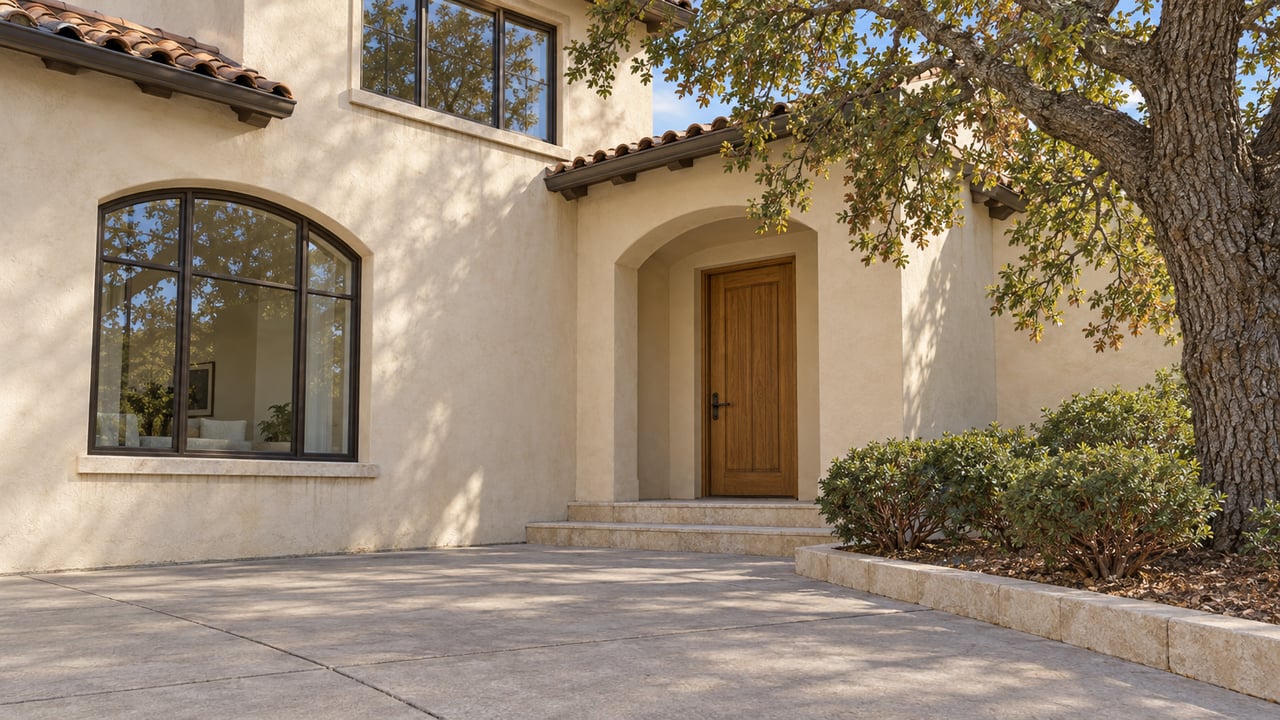
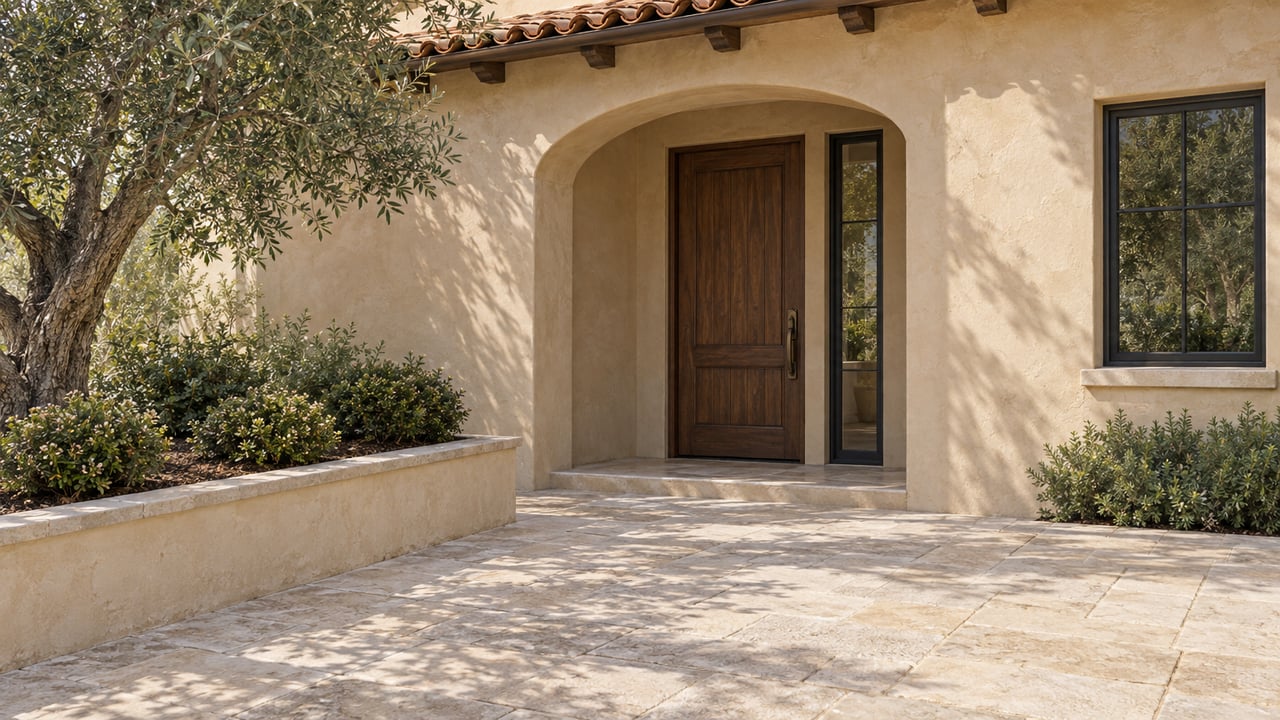
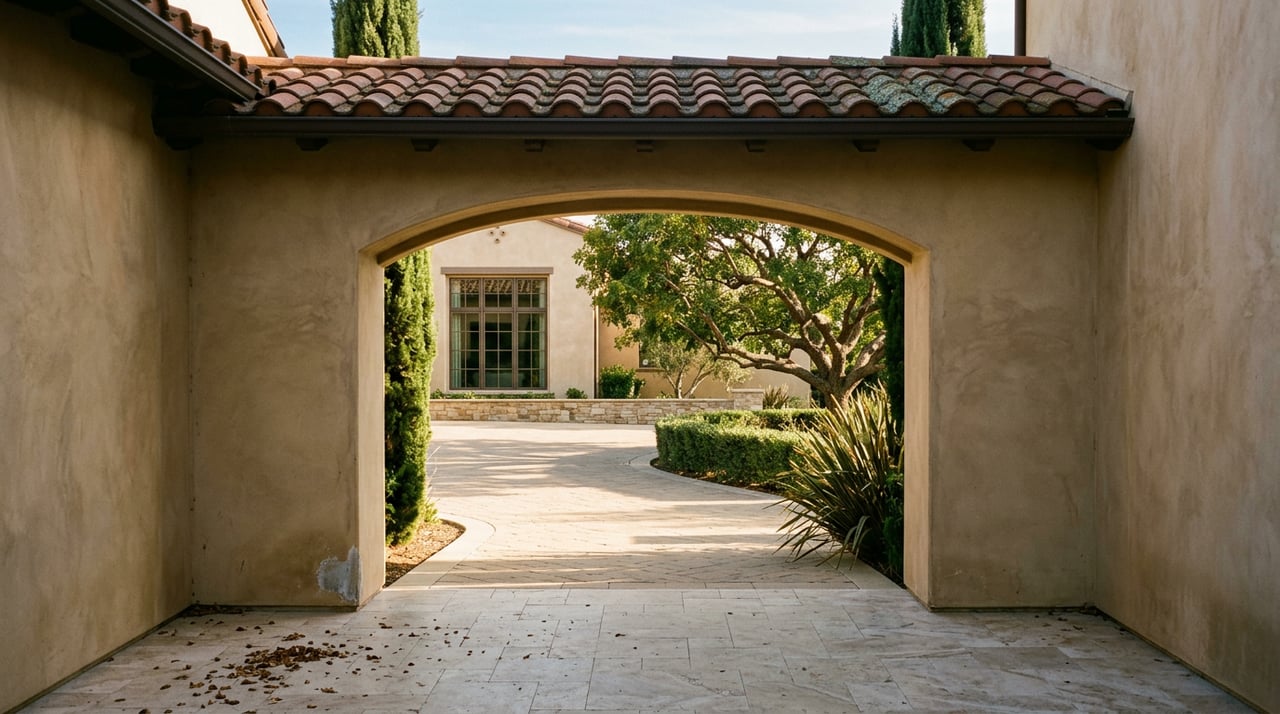
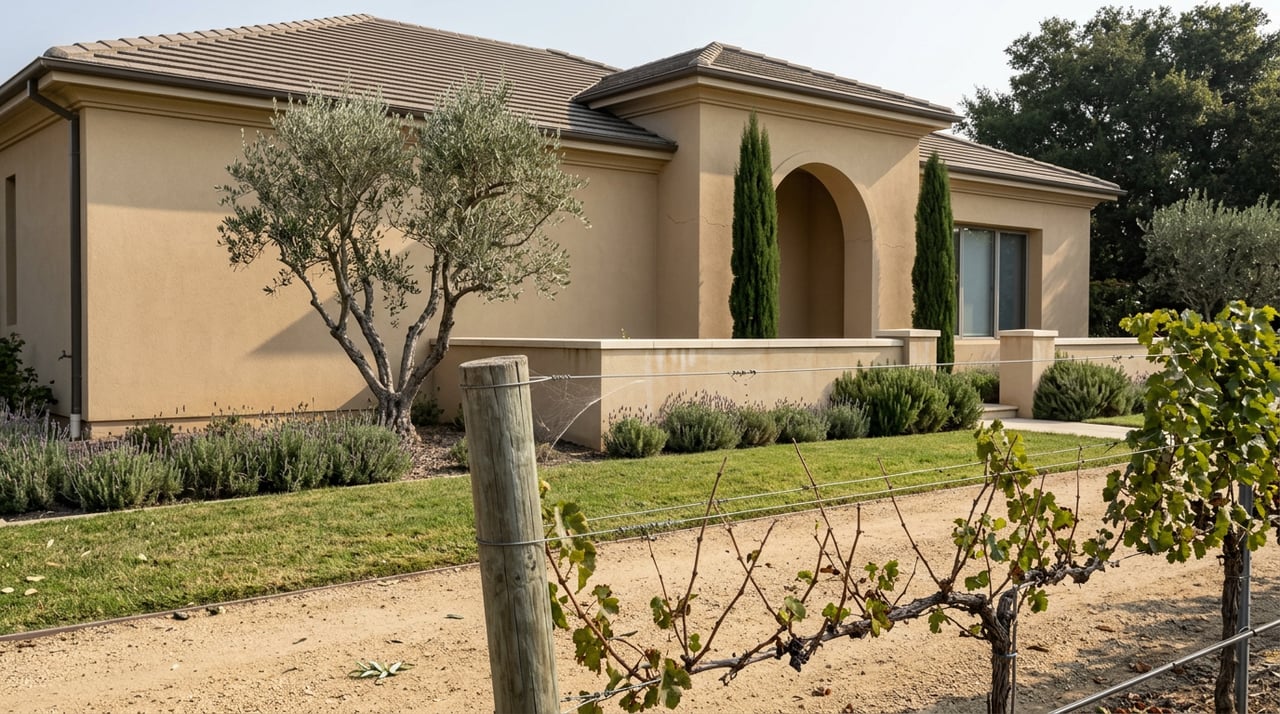
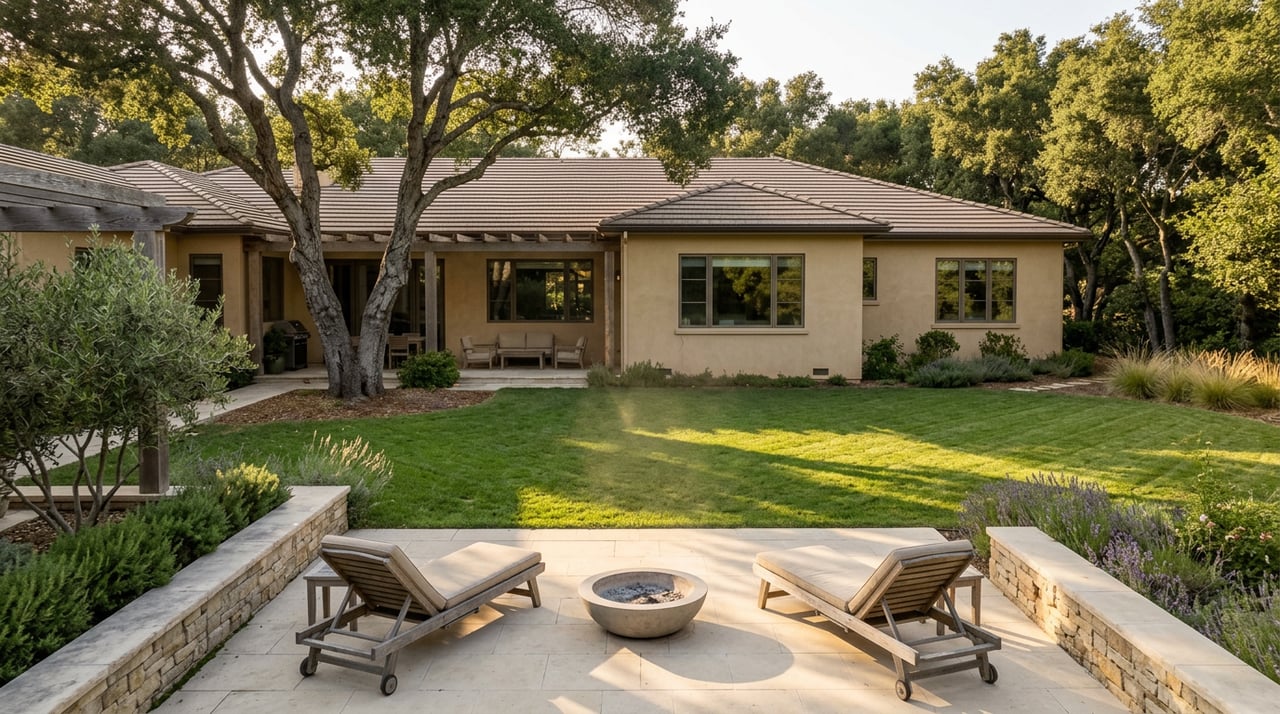
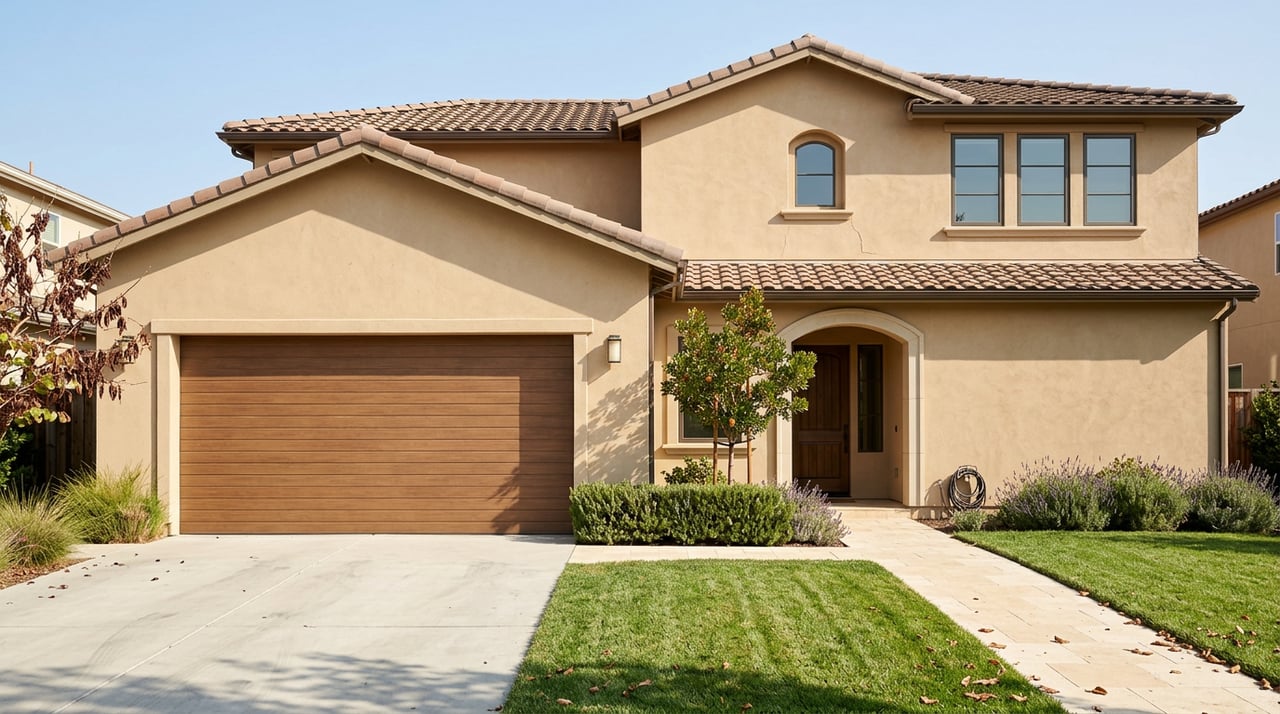
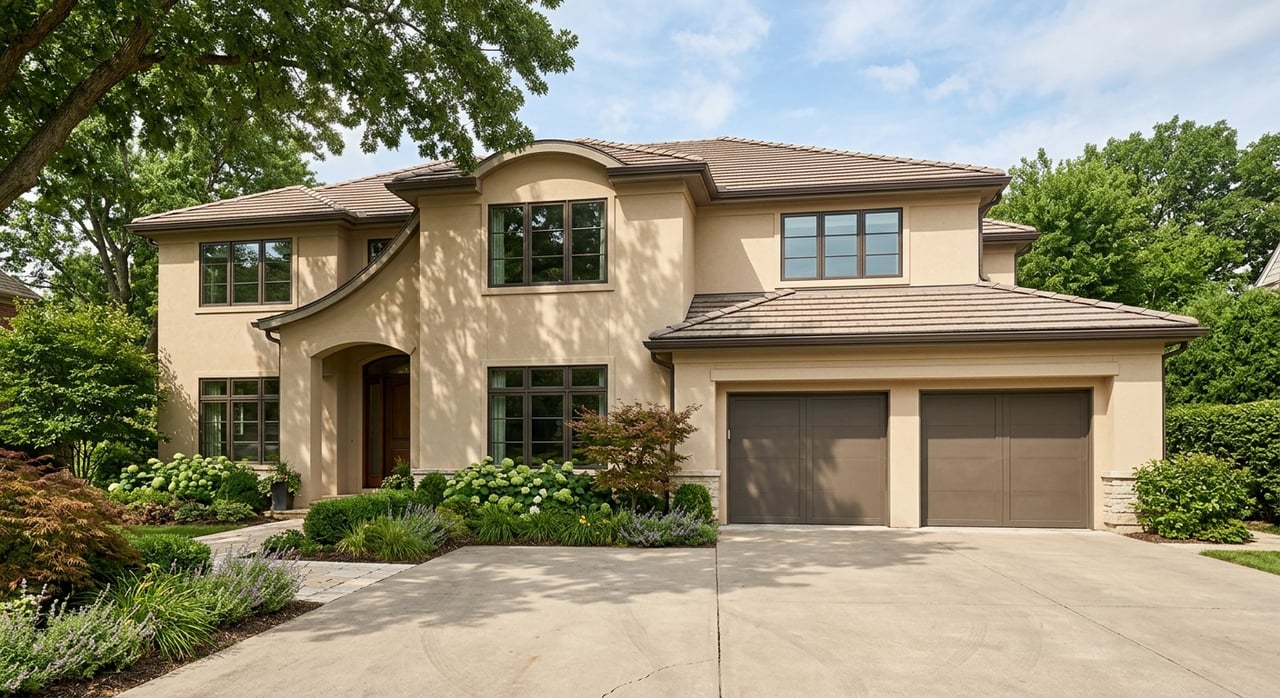
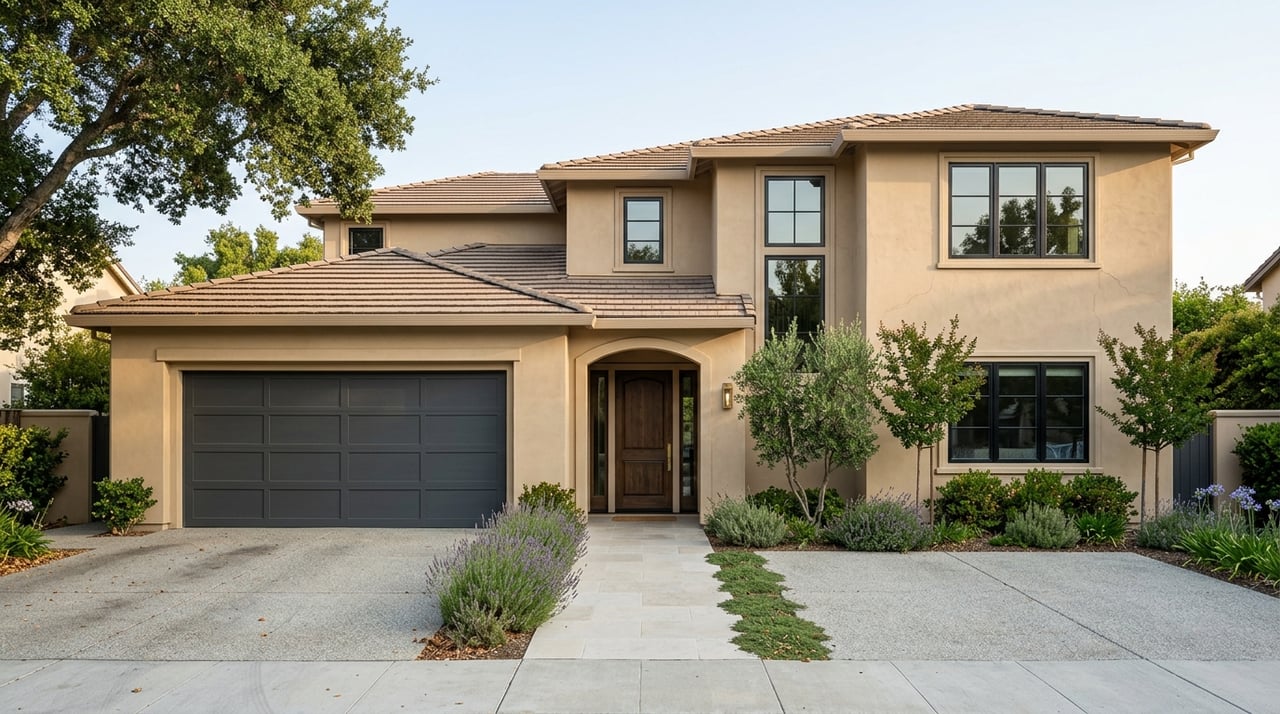
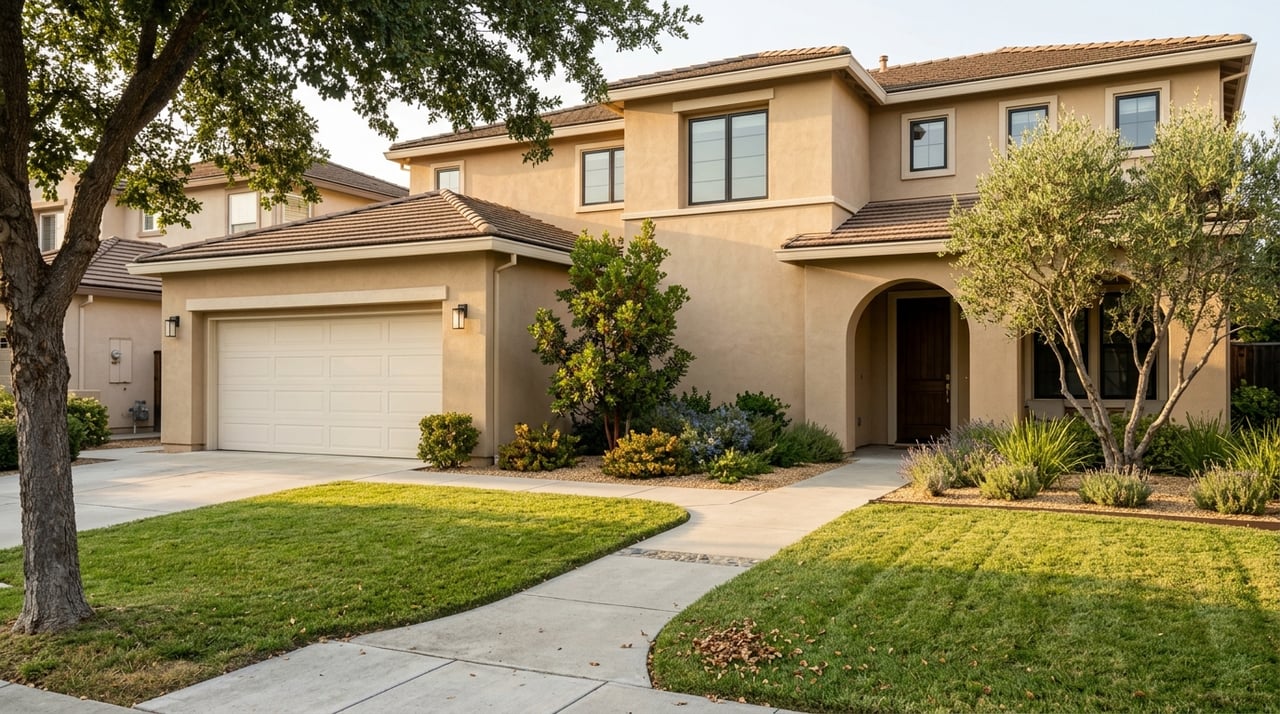
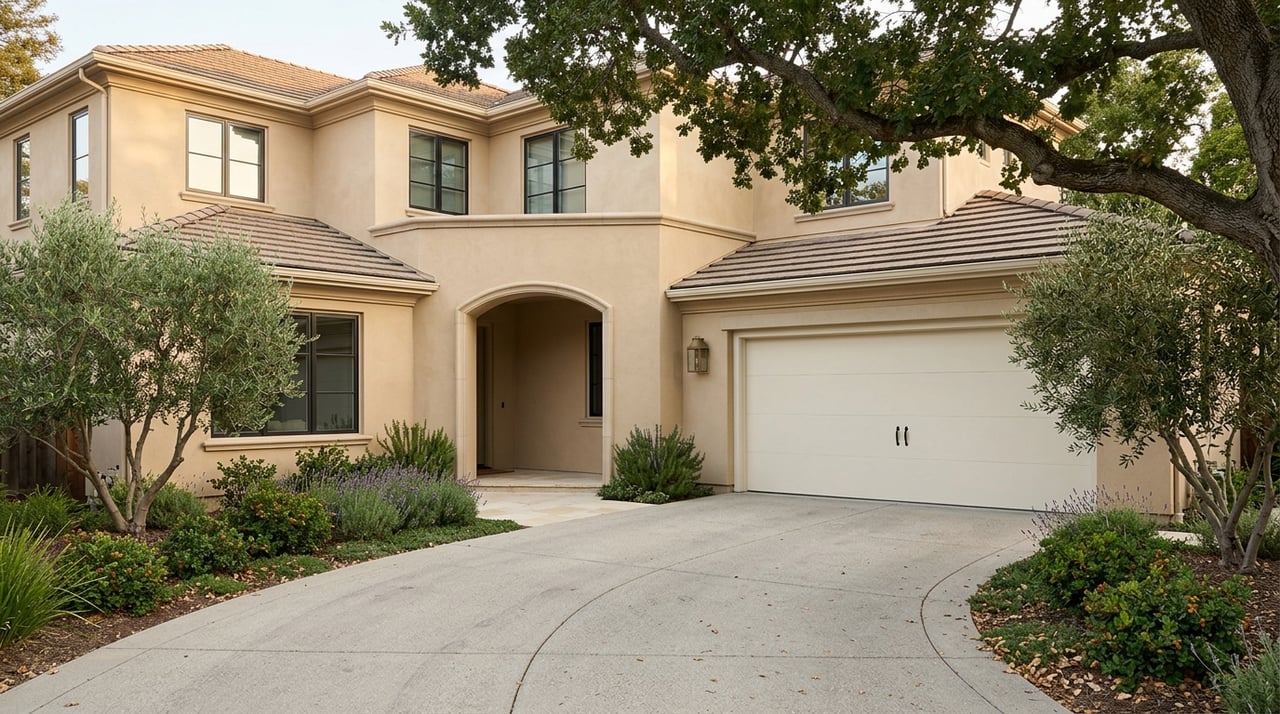
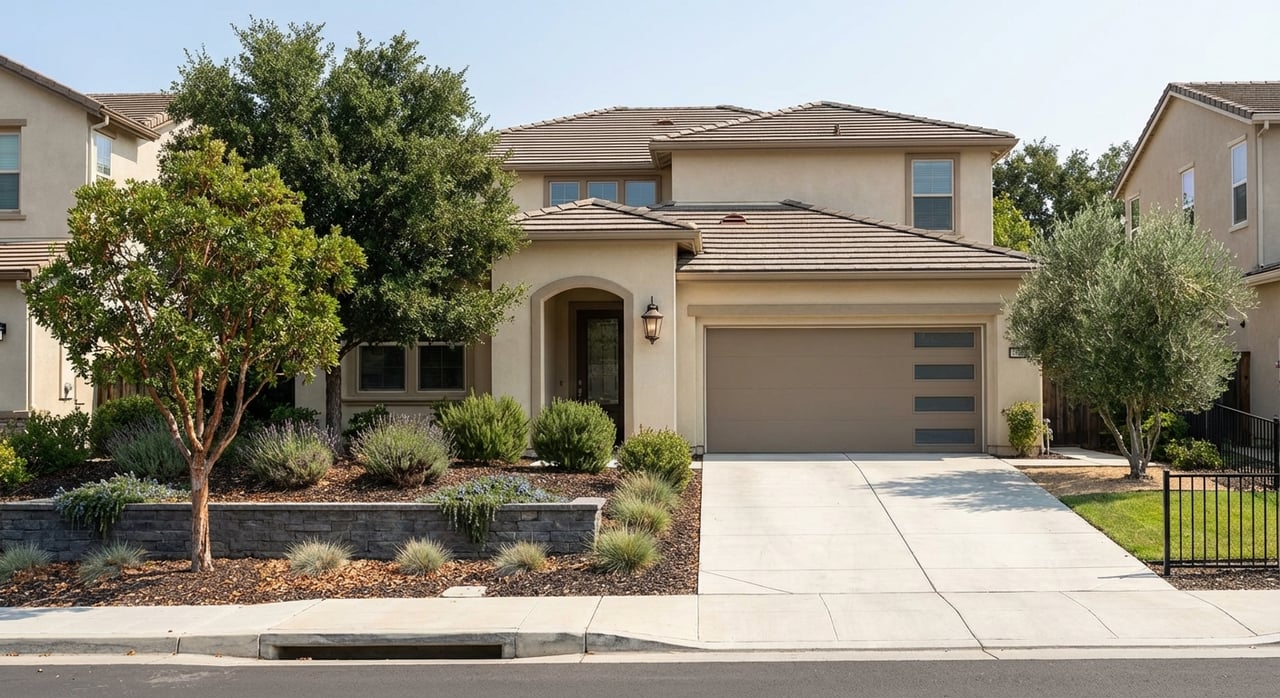
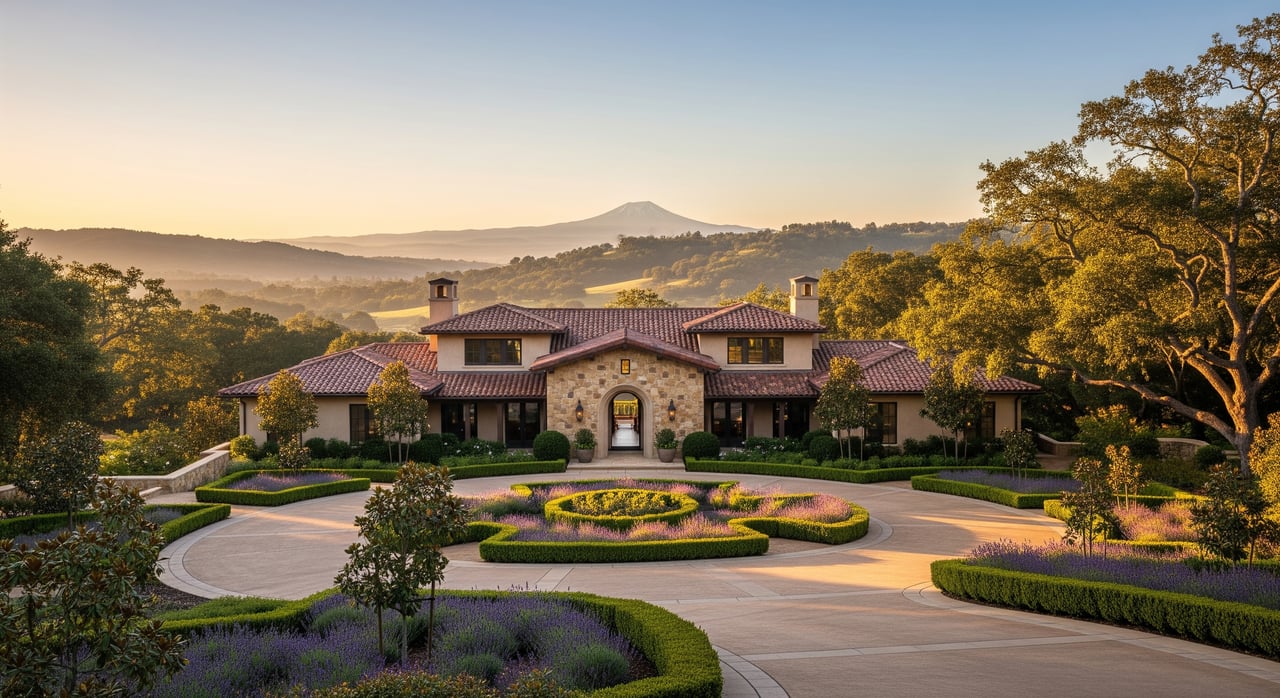
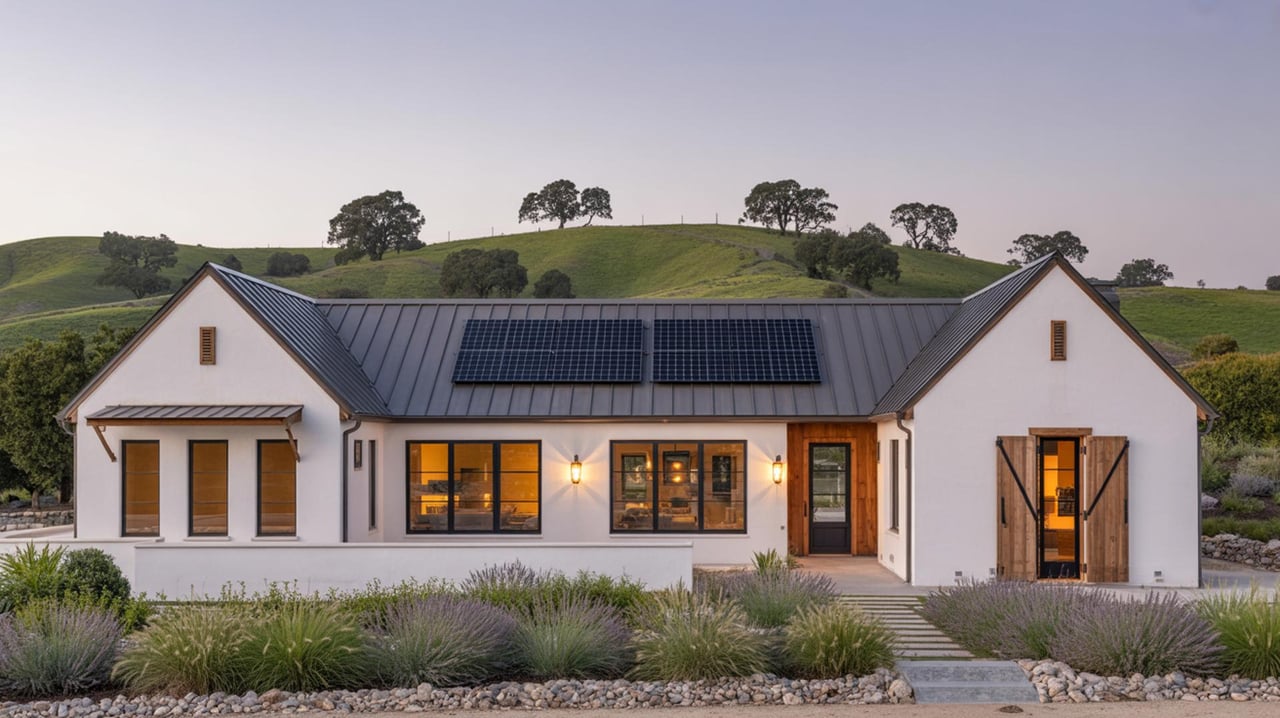
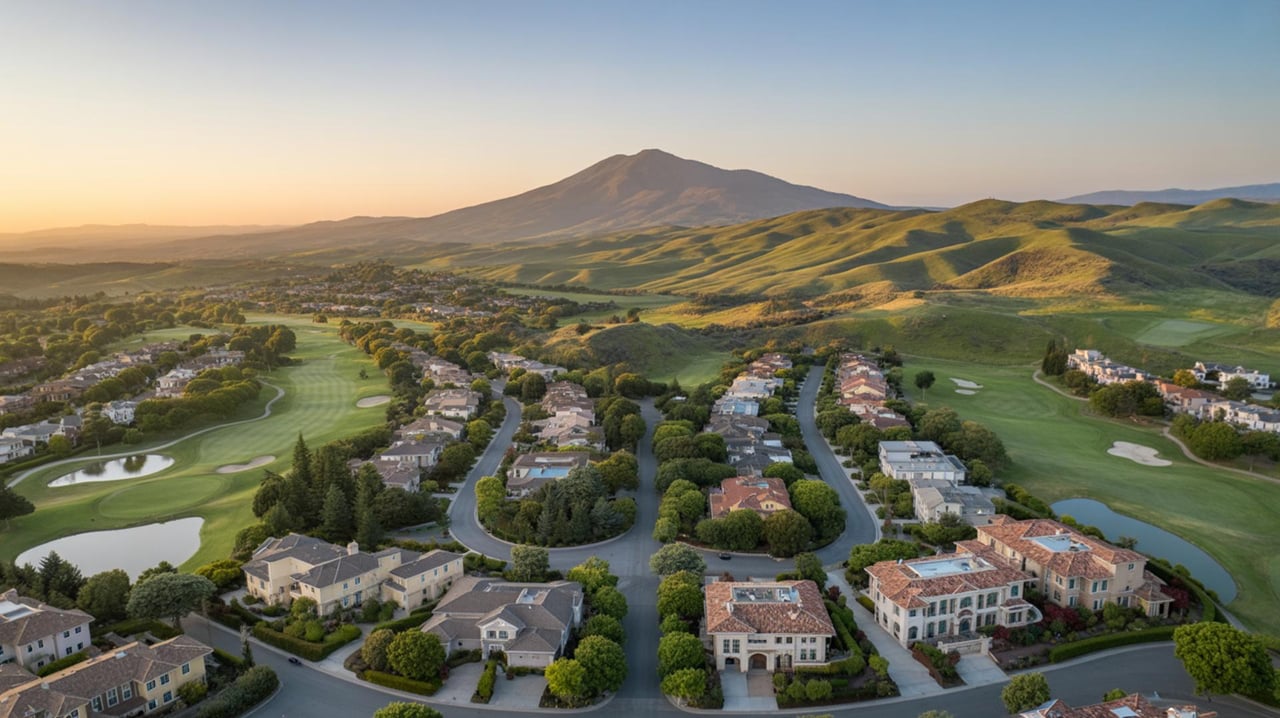
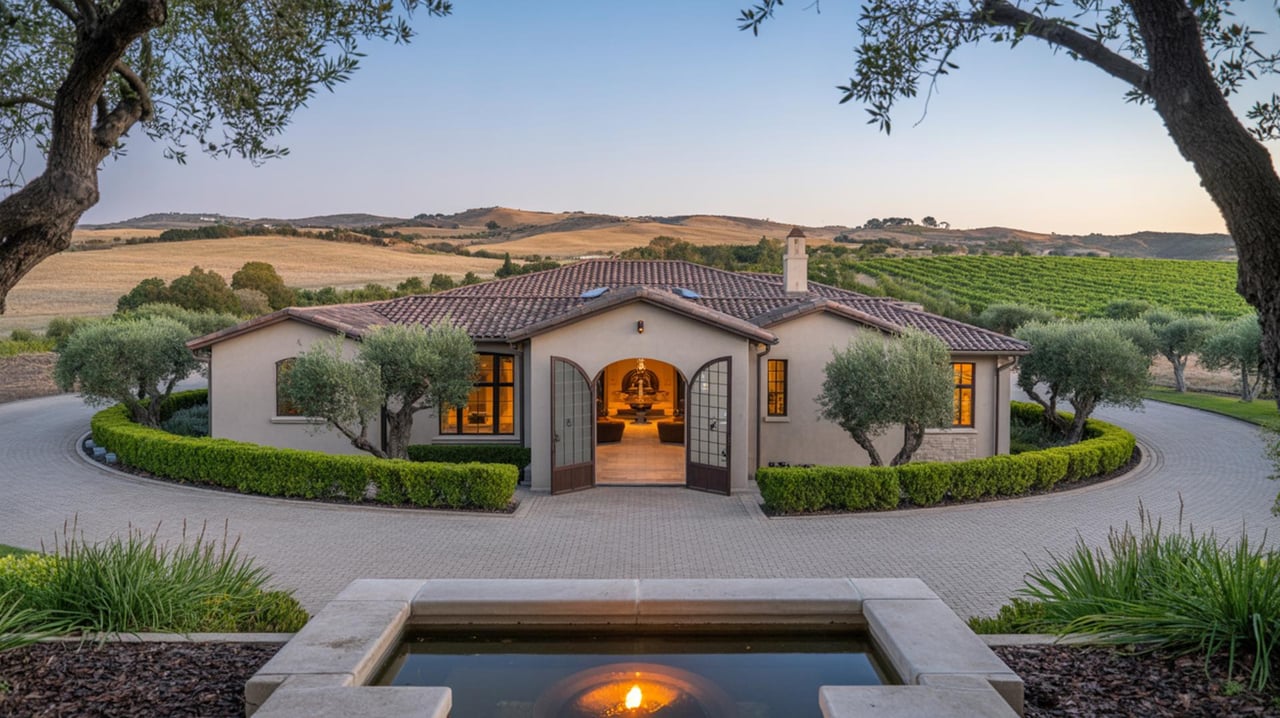
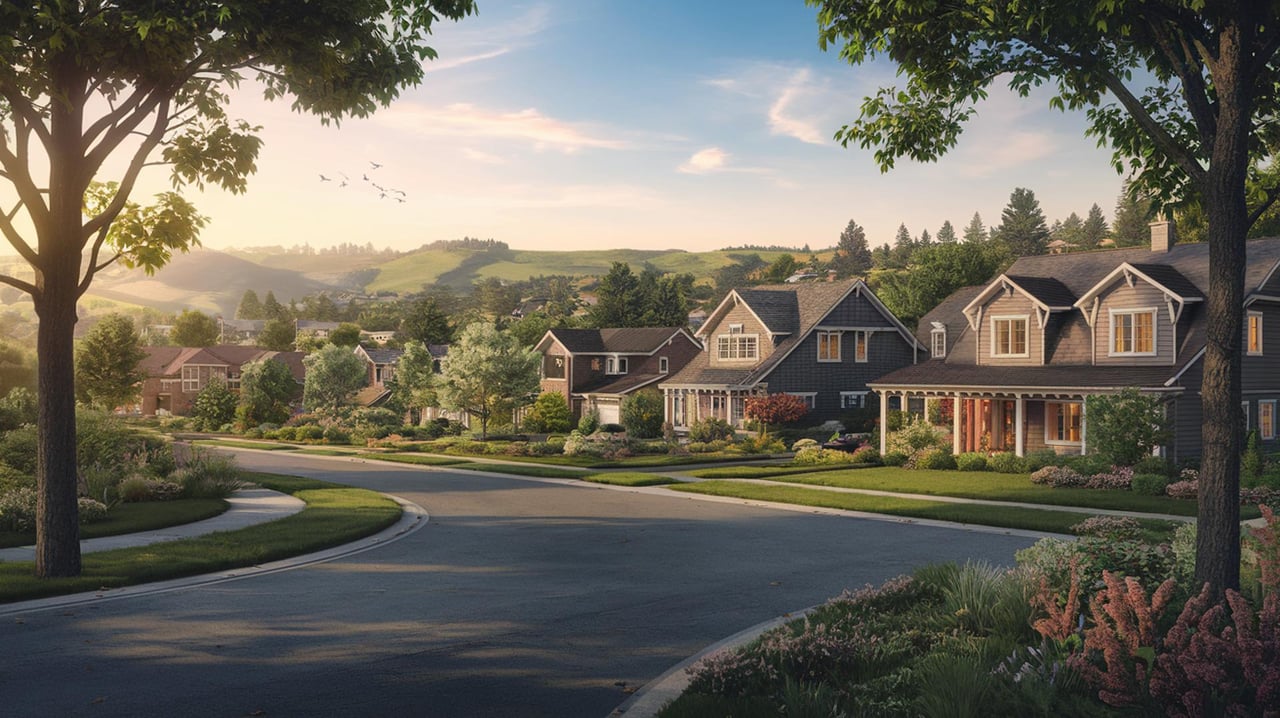
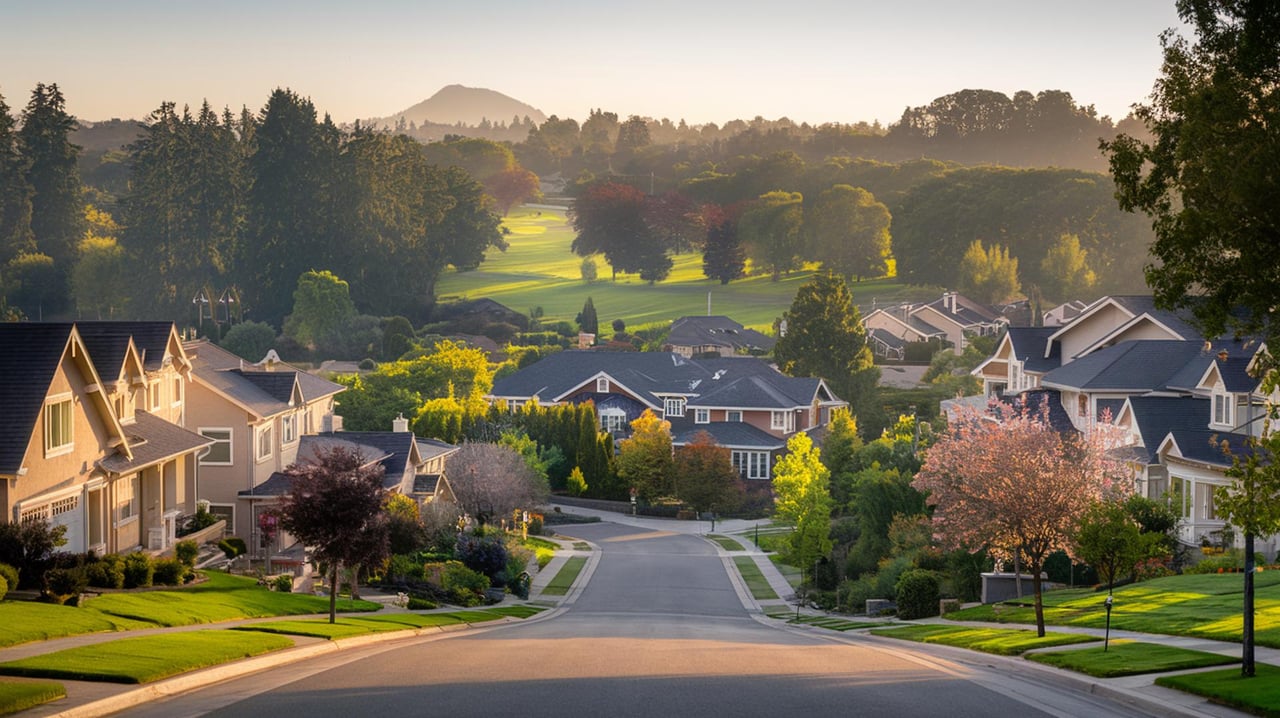
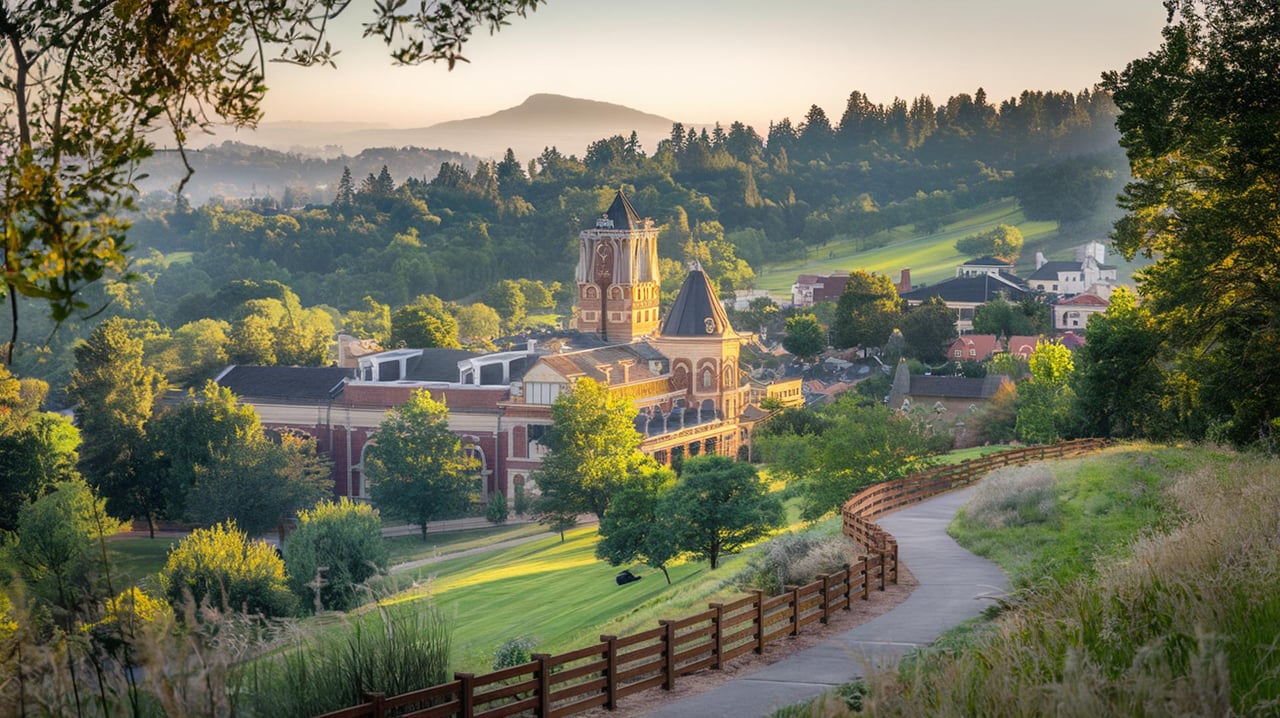
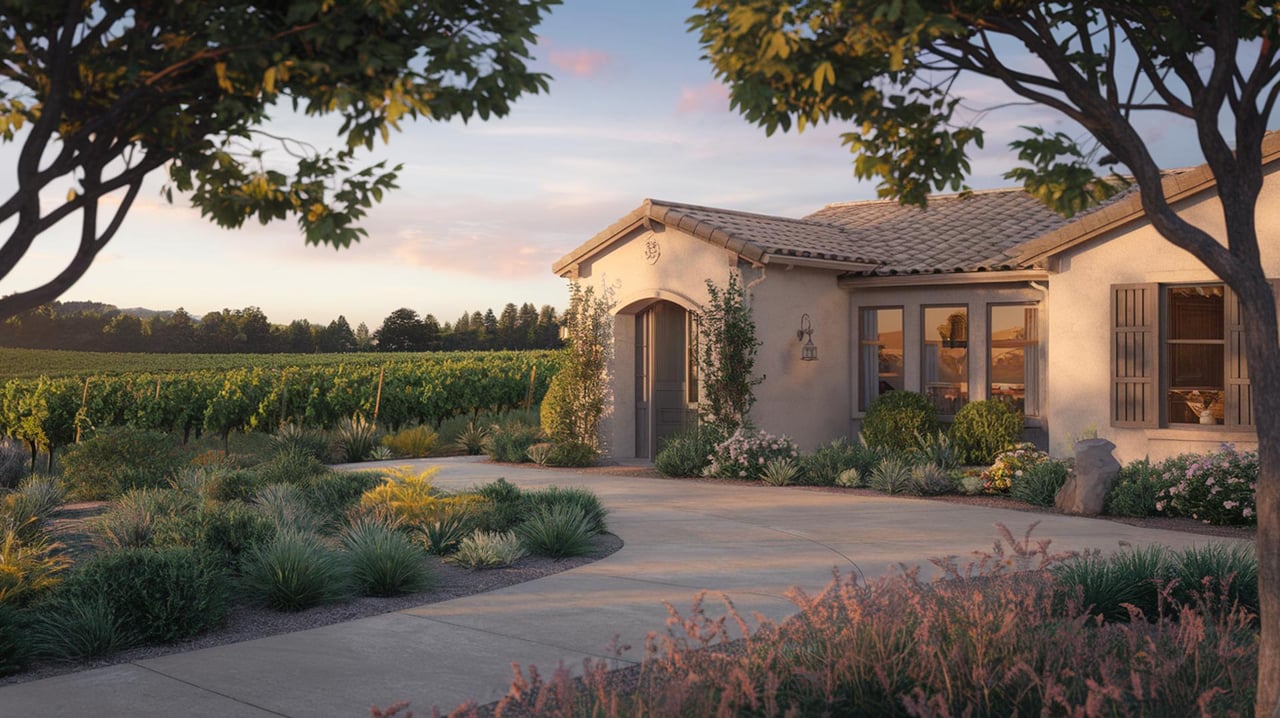
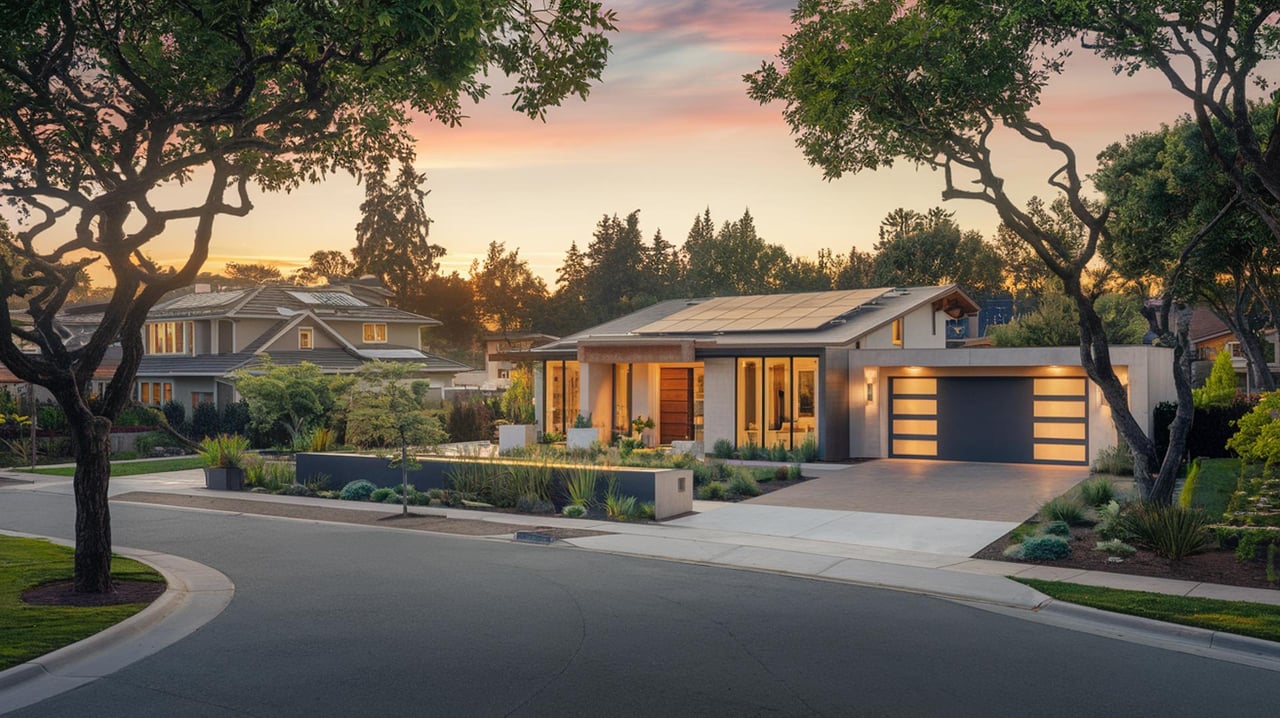
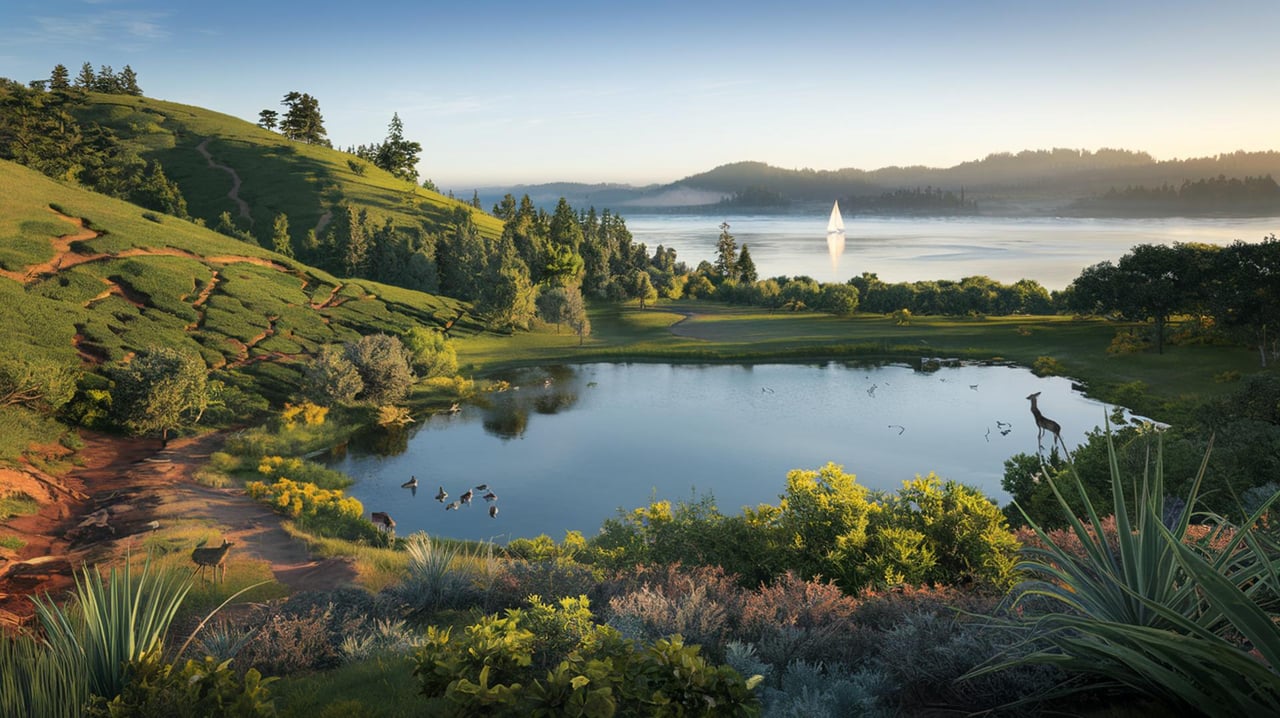
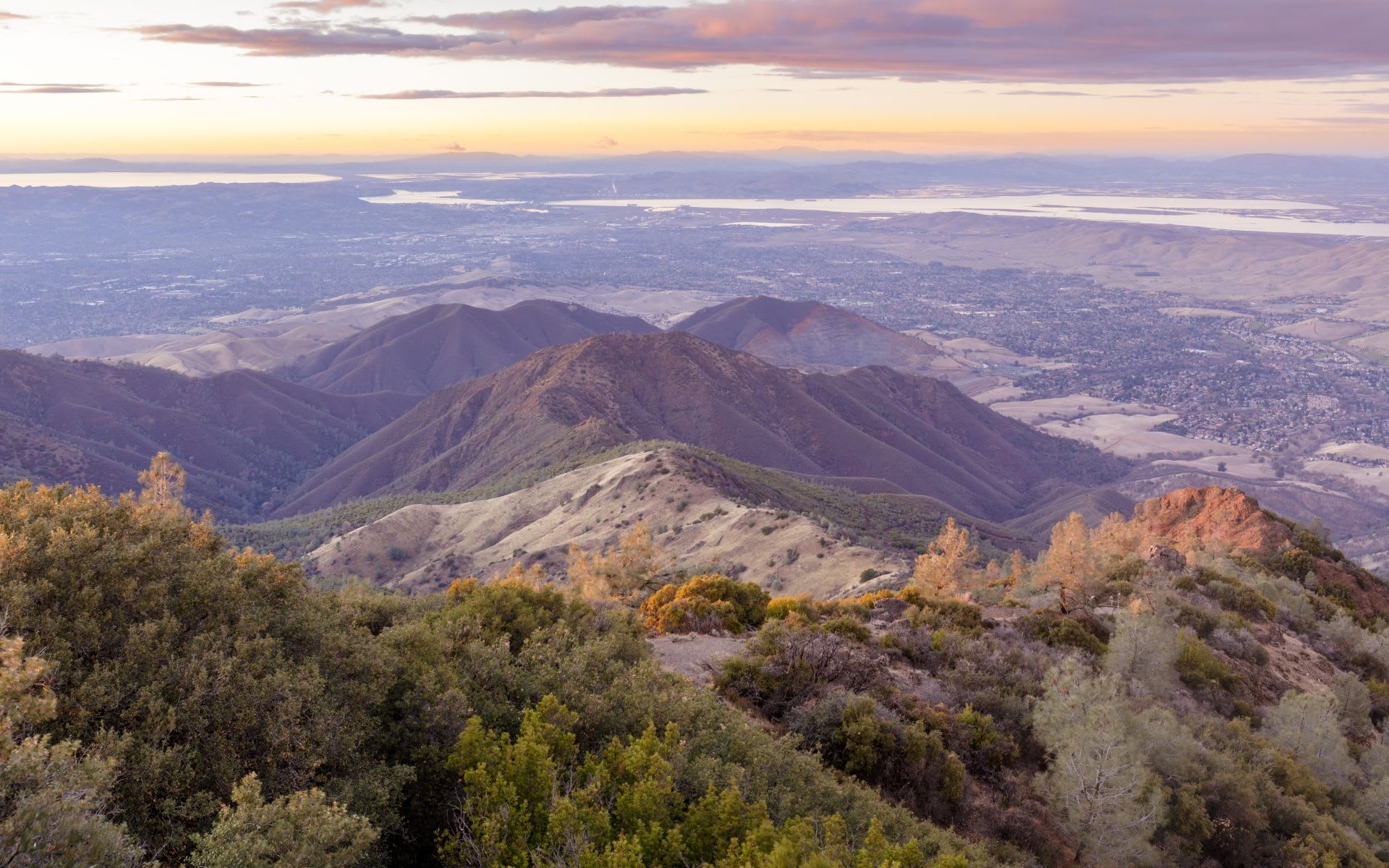
In Alamo, estate-style living is rooted in the area’s long-standing residential pattern. According to Contra Costa County, Alamo and nearby Castle Hill are known for wooded hillsides, well-maintained parks, and a housing mix led by single-family ranch-style homes on relatively large lots, along with estates on large rural tracts. That built environment gives the community a spacious, low-density feel that stands apart from more compact suburban neighborhoods.
That pattern is not accidental. The county notes that Alamo began as ranch-and-orchard country and remained rural until after World War II, becoming more accessible as freeways were built. Today, that history still shows up in the land, the mature trees, and the expectation that homes here often come with breathing room.
Alamo also sits in a premium segment of the market. Redfin’s current Alamo home trends list a median list price of $2.3 million, which helps frame why larger parcels and estate amenities are such a visible part of the local housing story.
How big lots shape daily life
A larger lot does more than create a dramatic first impression. It can change how you use your home from morning to evening, especially if you want space for work, recreation, entertaining, or simply a quieter setting.
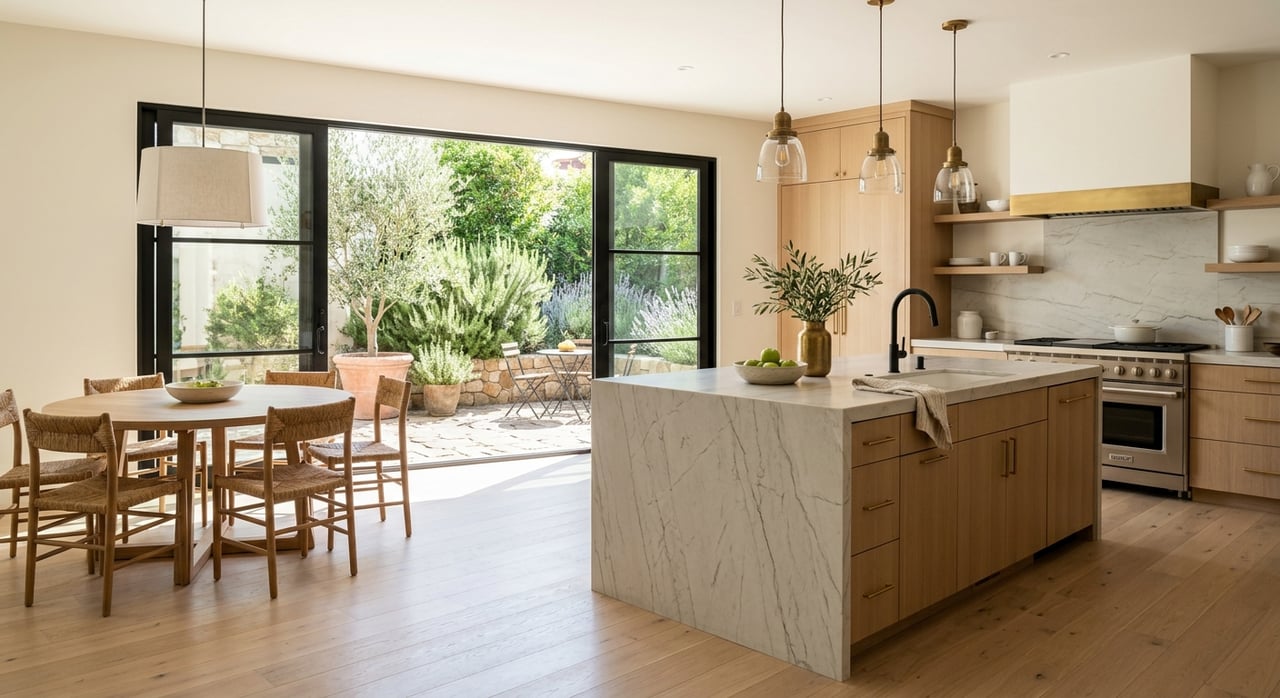
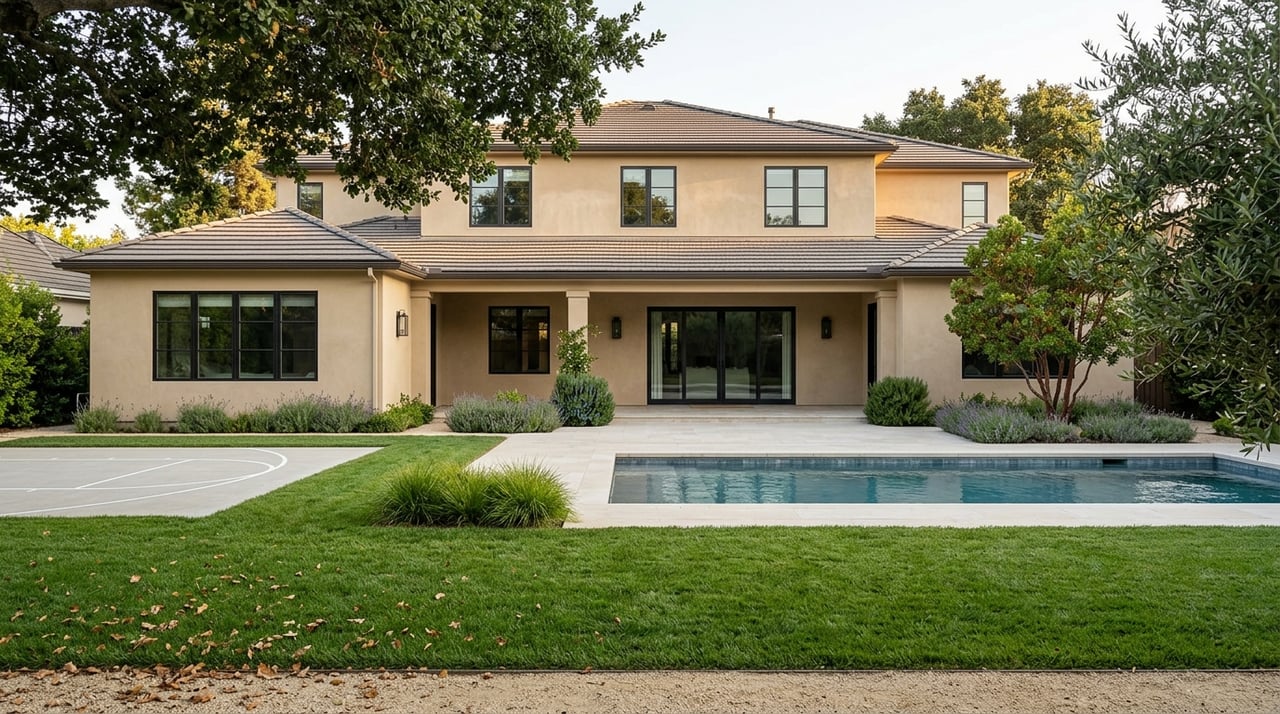
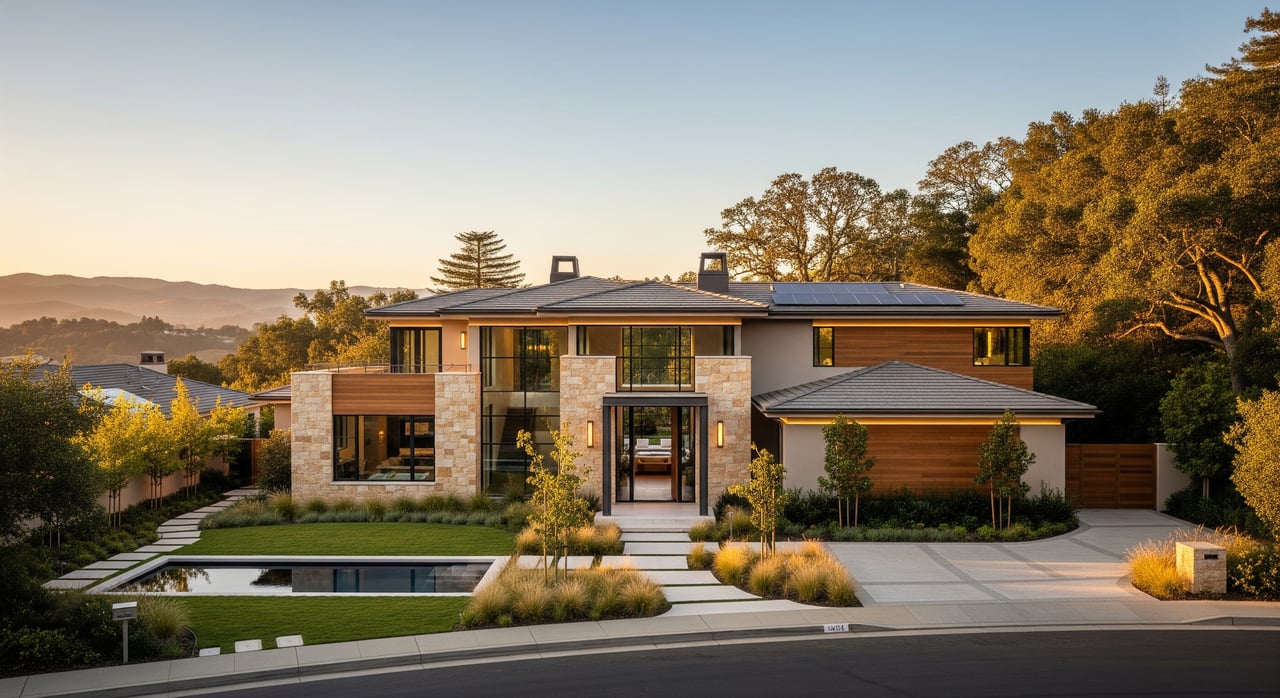
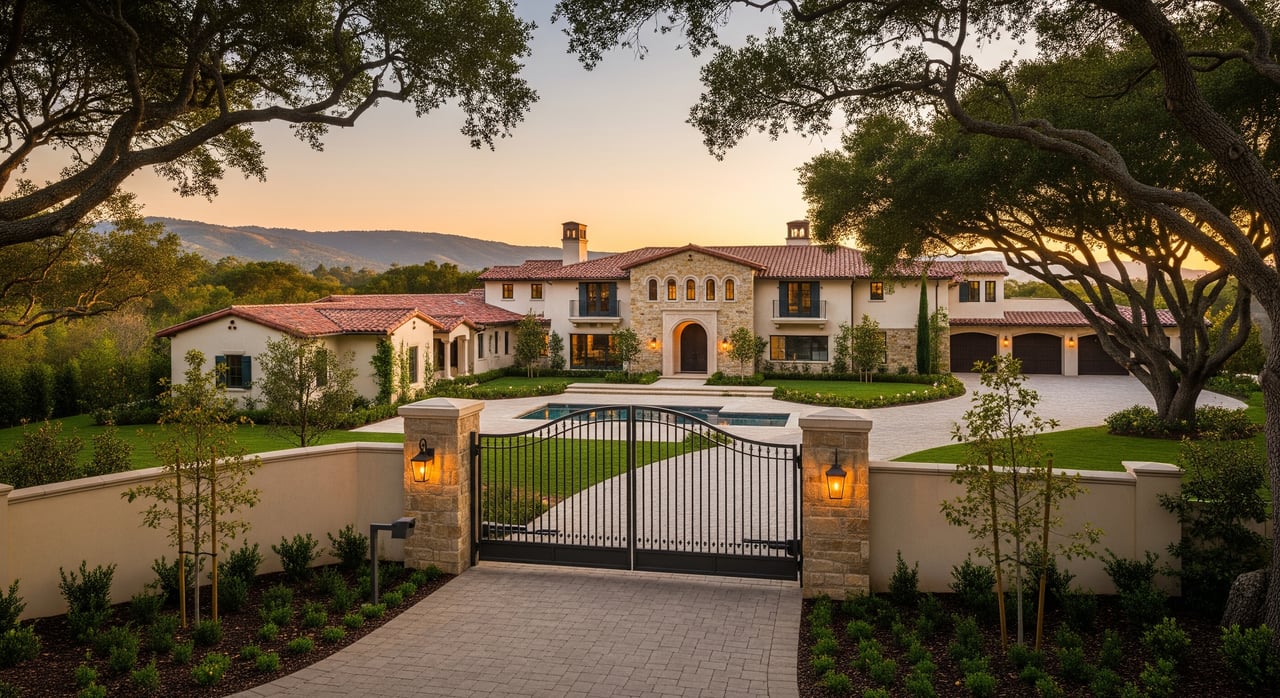
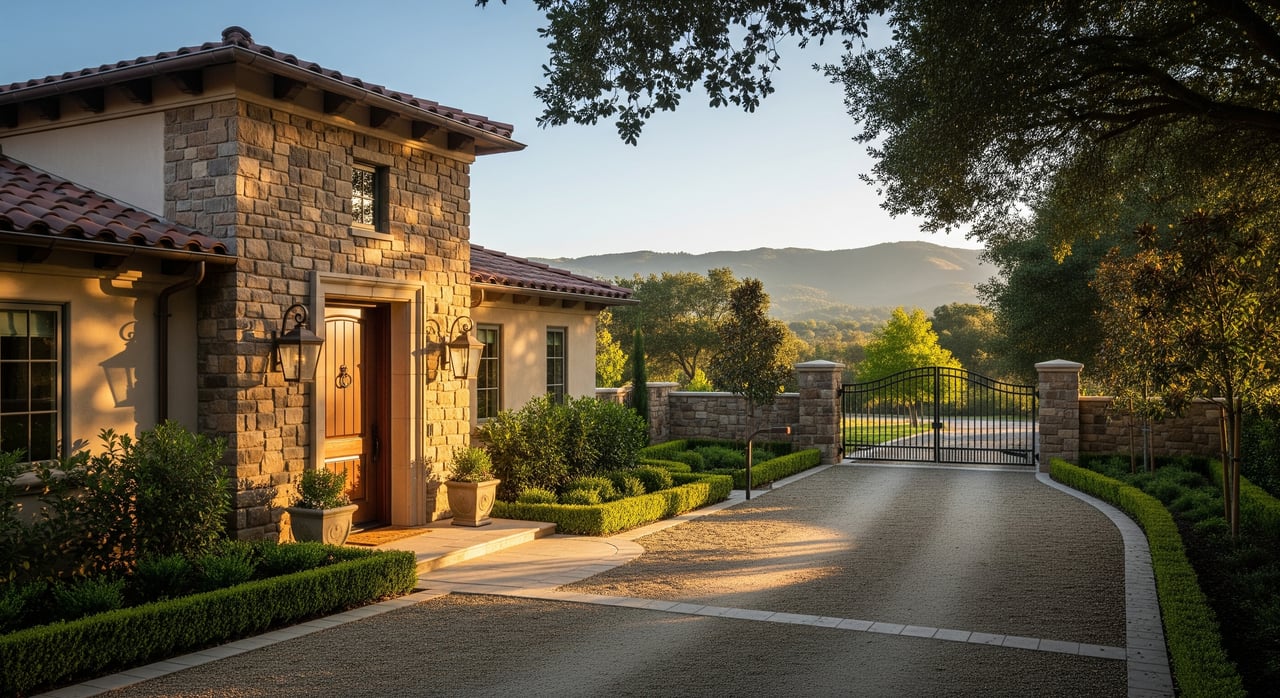
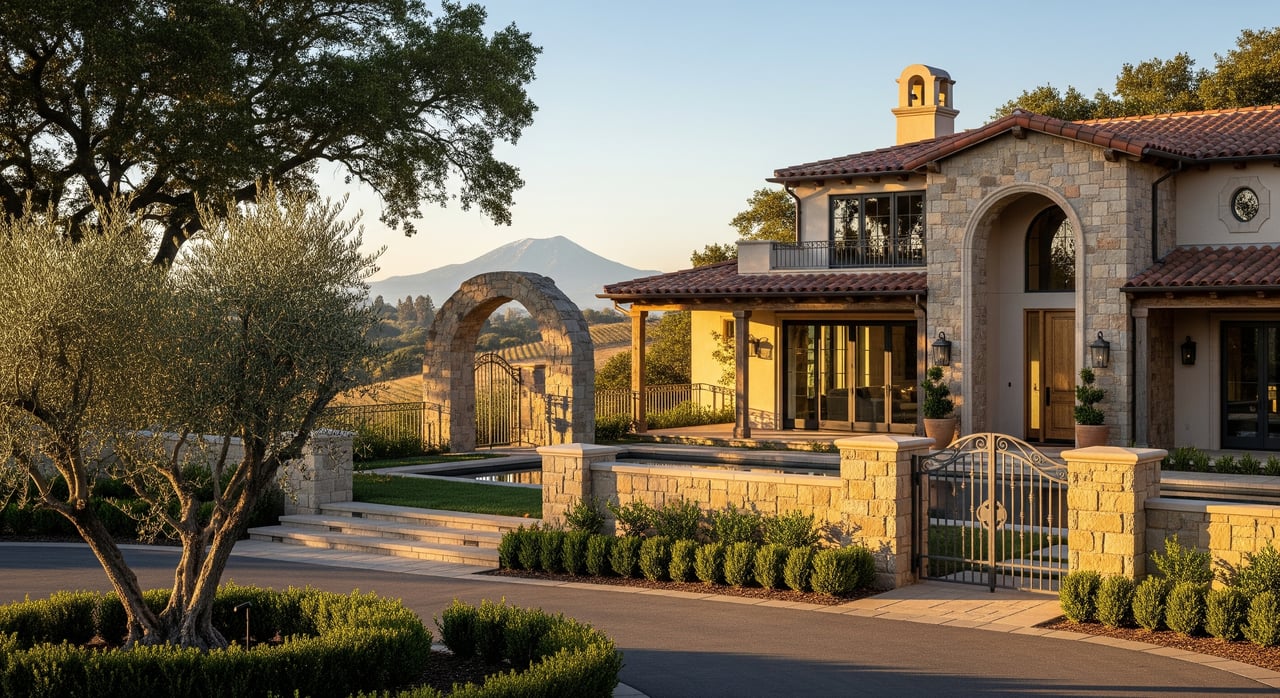
Recent Alamo listings show the kind of features that many buyers associate with estate living: gated entries, broad lawns, pool houses, outdoor kitchens, fireplaces, sport courts, spas, mature landscaping, and flexible bonus rooms. Some listings also highlight private wells, media rooms, gyms, and play areas, showing how the extra land often supports a more layered lifestyle.
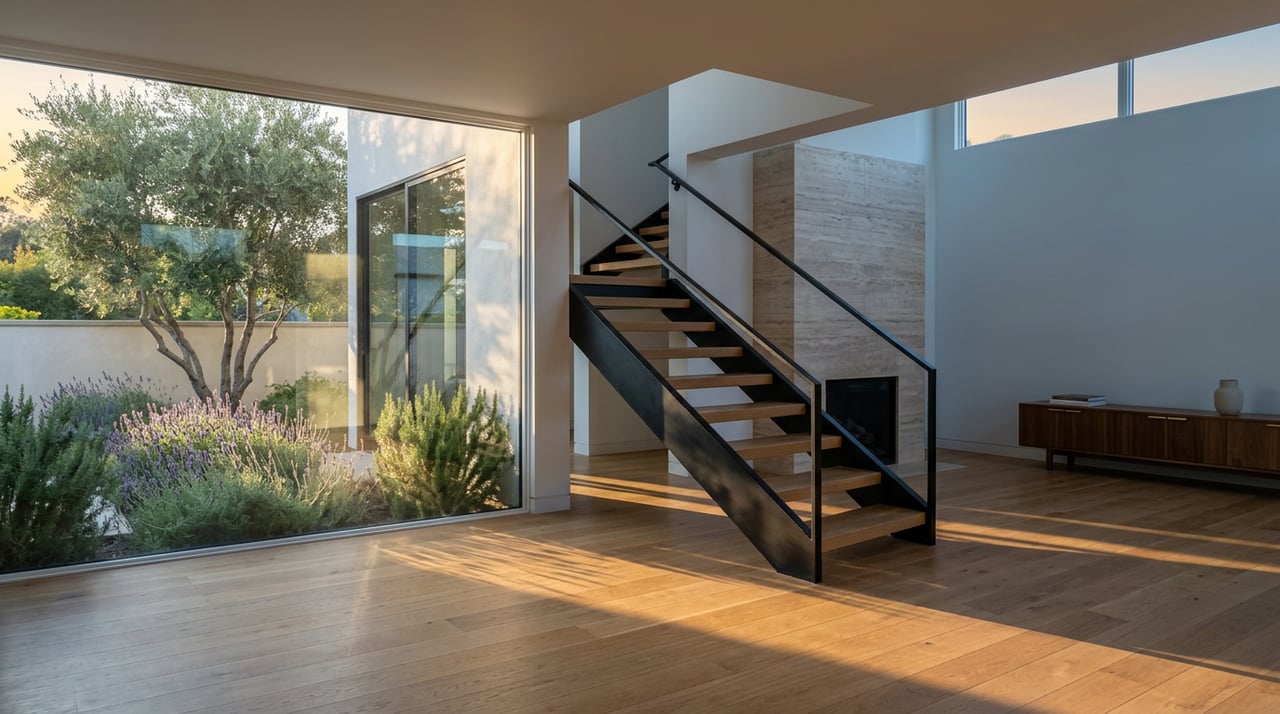
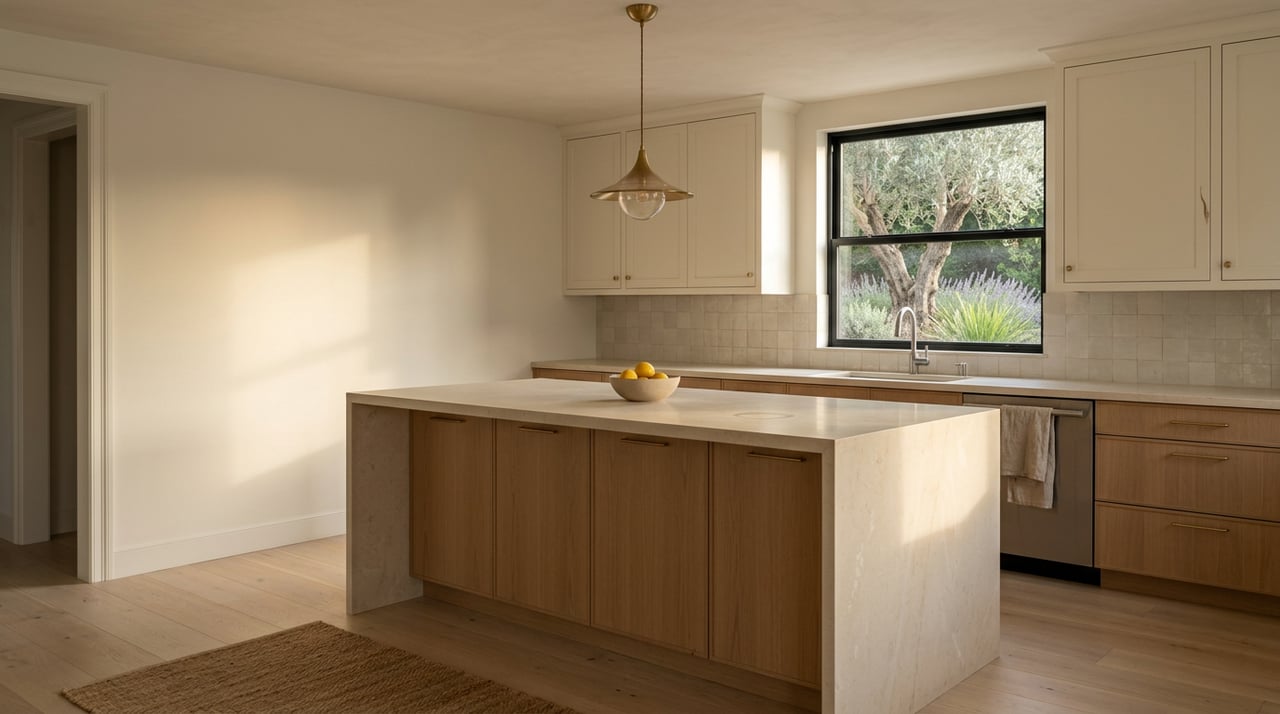
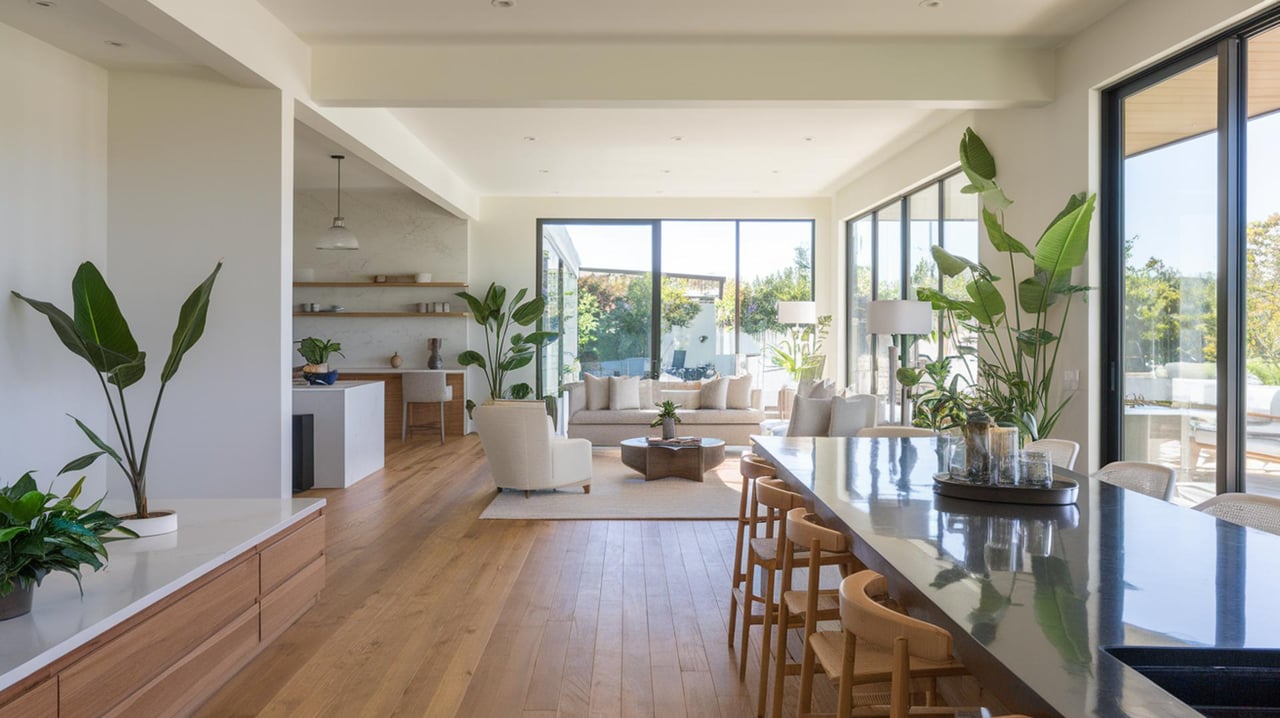
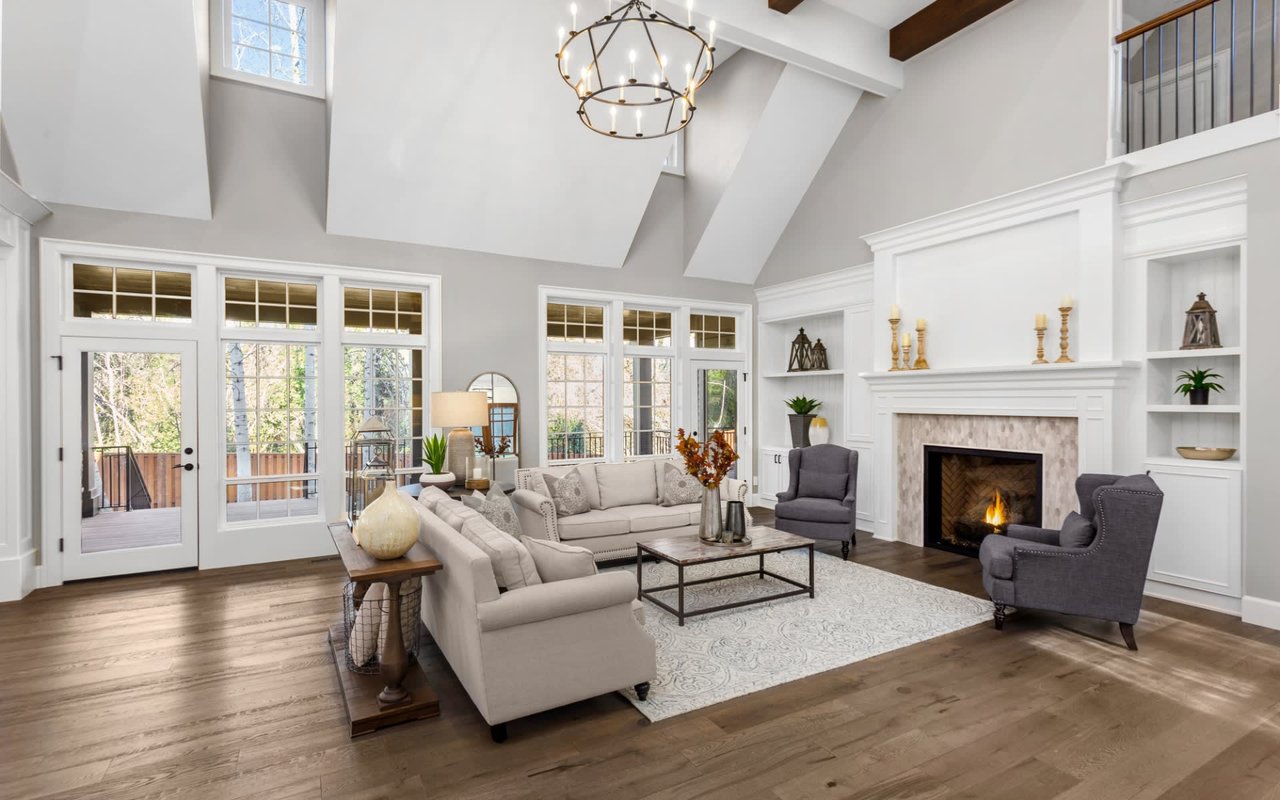
In practical terms, that can mean your home feels less constrained by the footprint of the house itself. A larger parcel may allow for separate zones, such as a lawn for play, a patio for dining, a pool area for weekends, and indoor rooms that flex with changing needs over time.
Outdoor living is a major draw
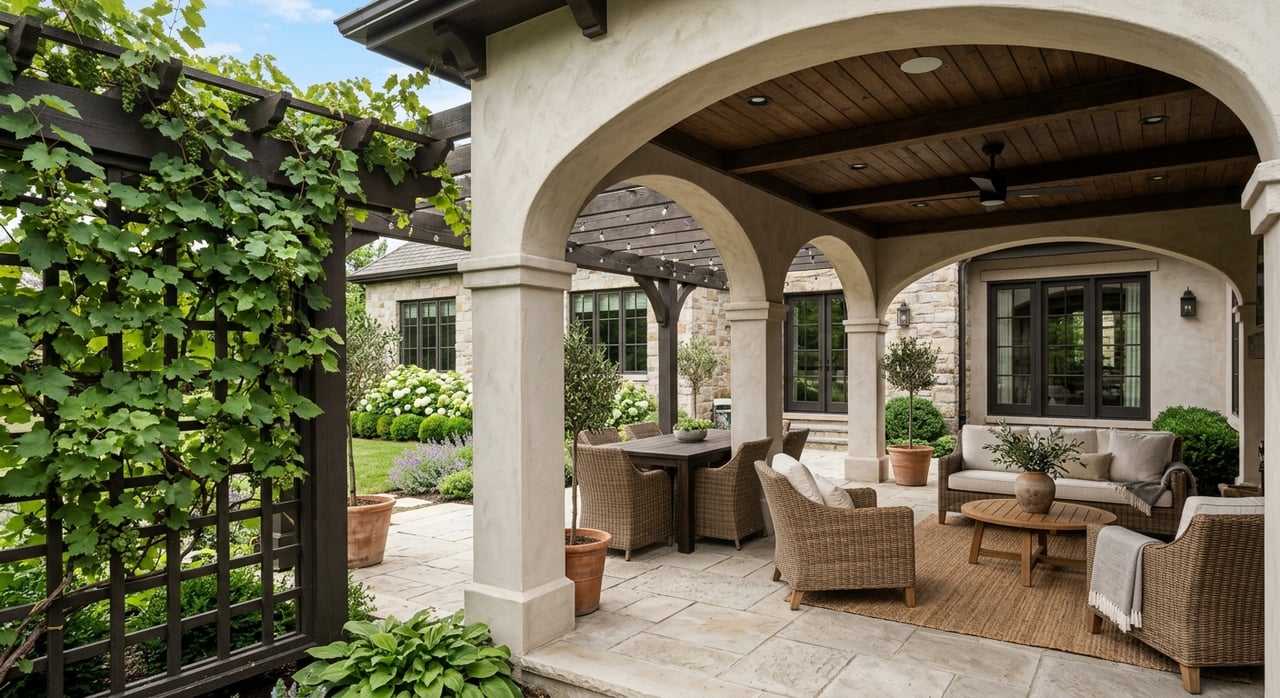
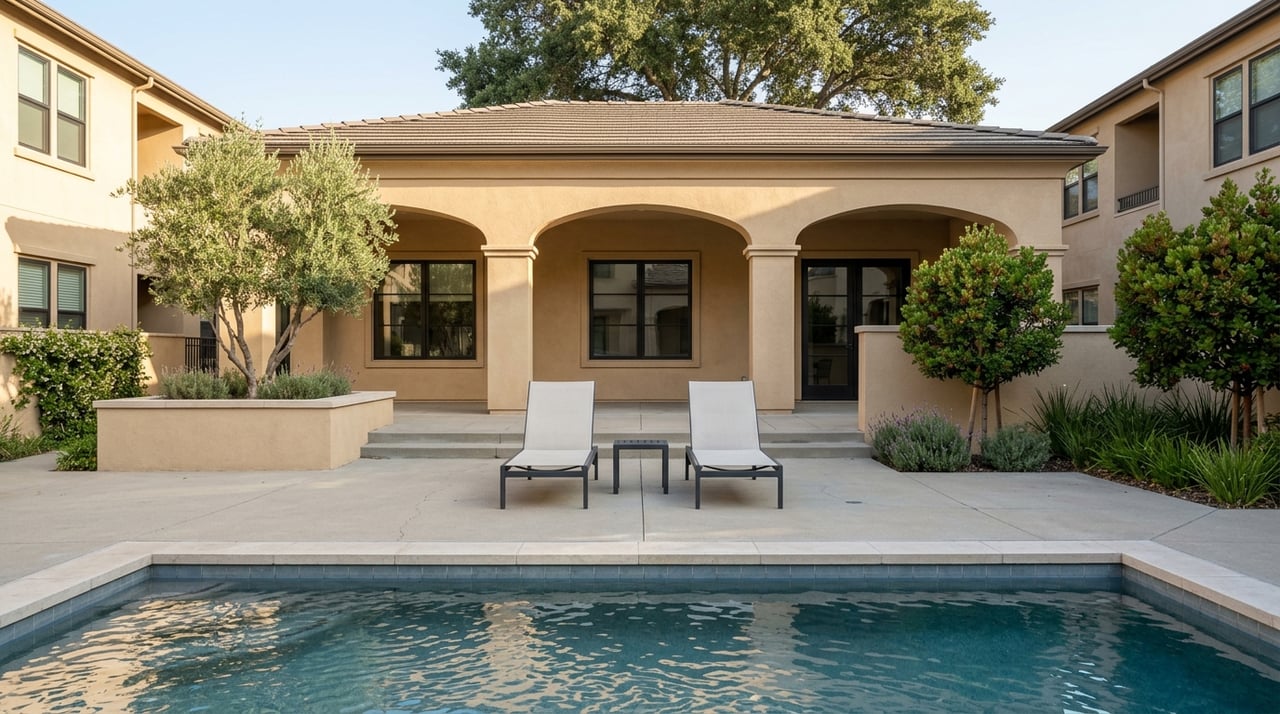
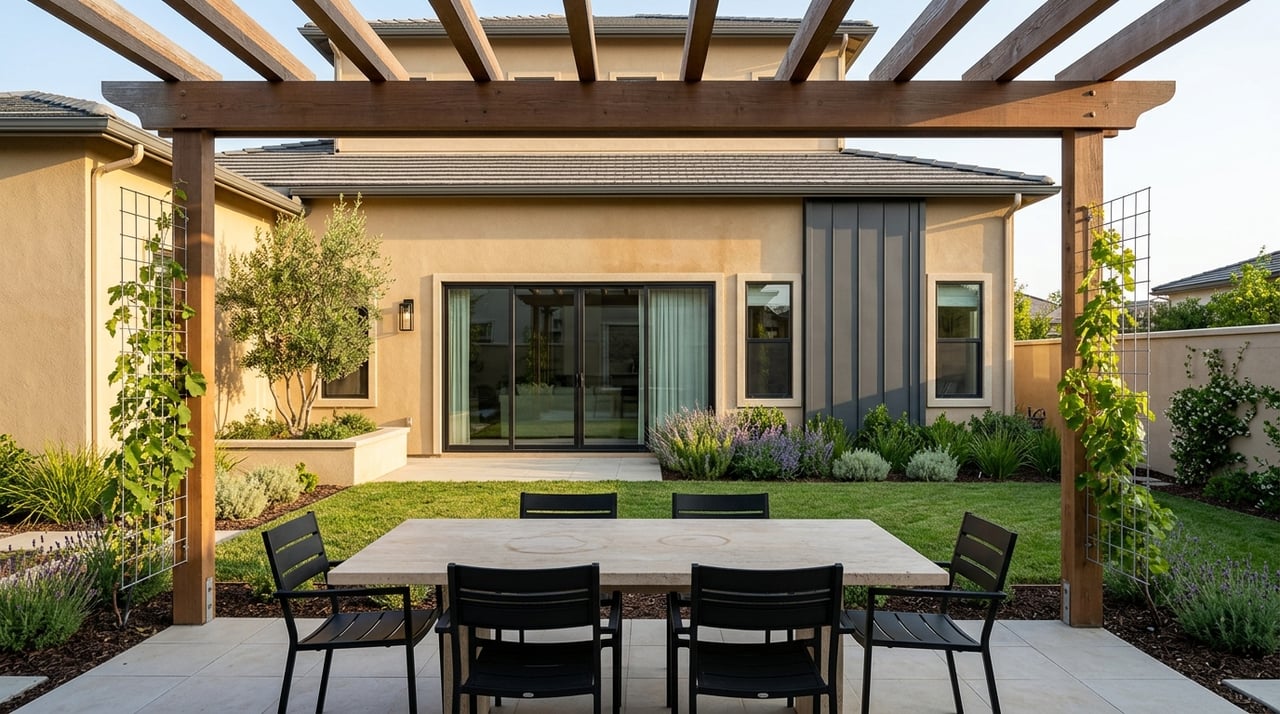
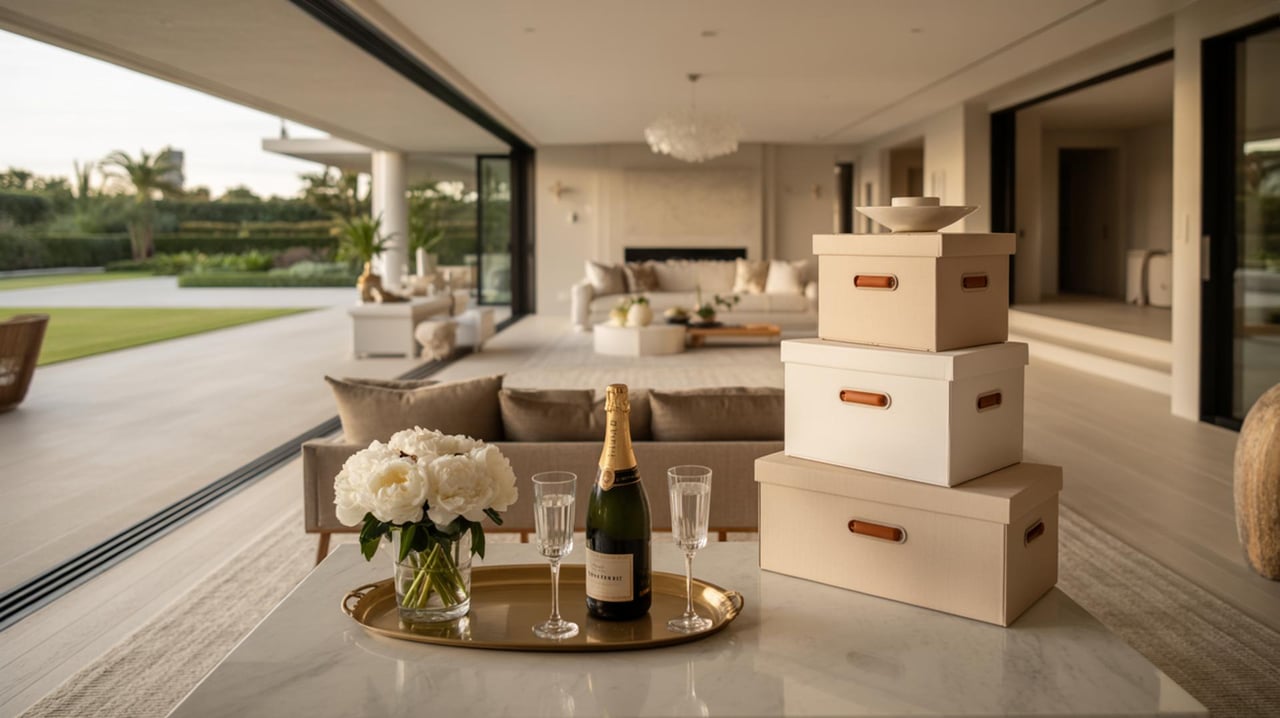
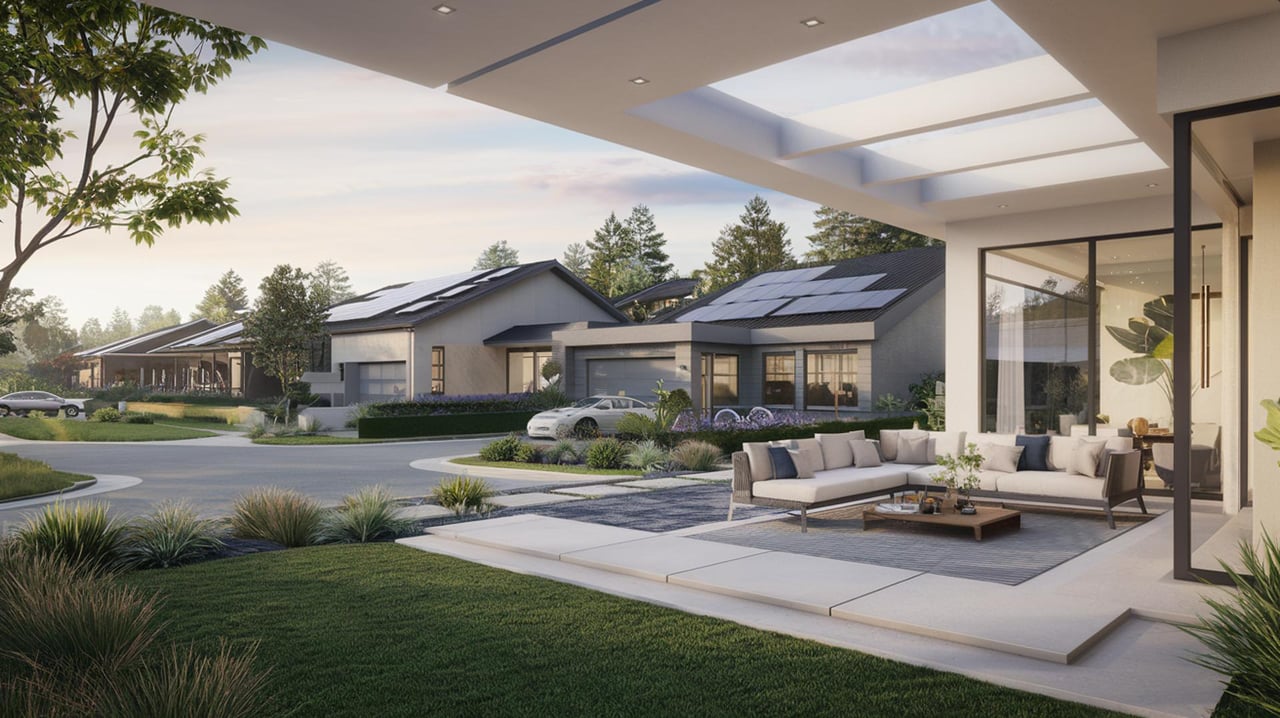
In Alamo, the yard is often part of the main event. Estate-style homes commonly blur the line between indoor comfort and outdoor use, especially when the property includes expansive patios, covered seating, or resort-inspired amenities.
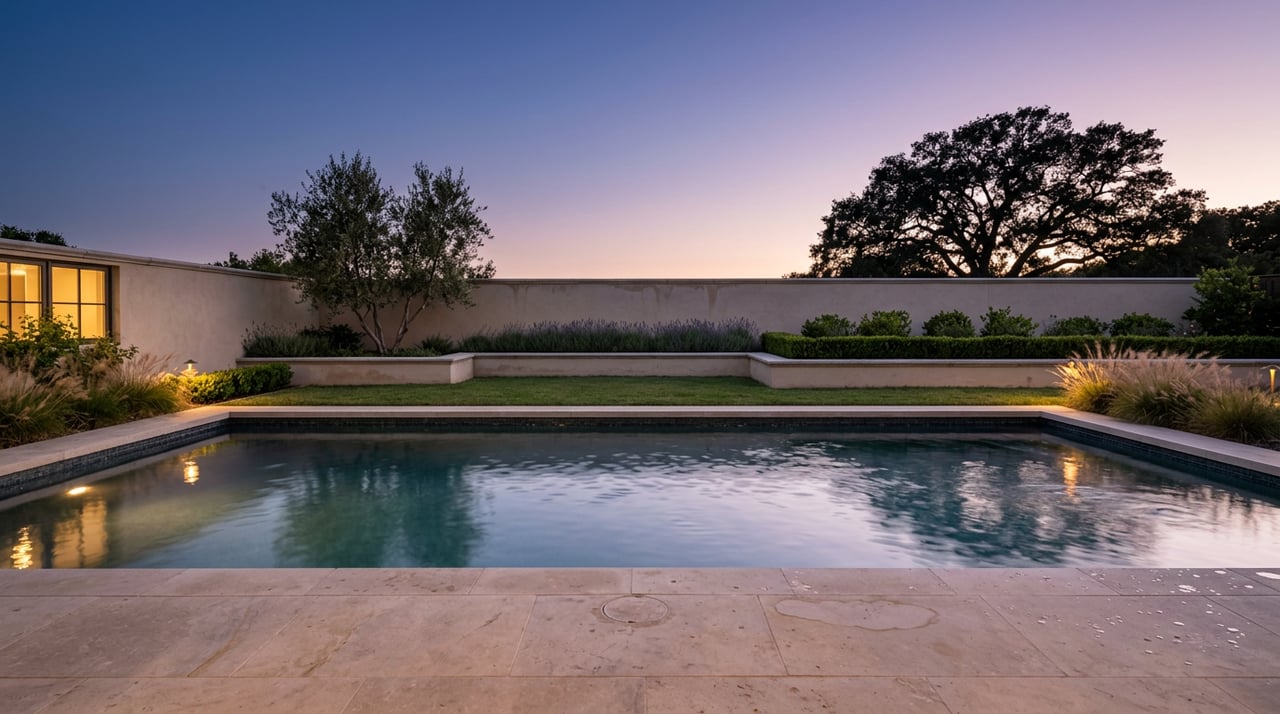
Current Alamo listings with outdoor pools show how common this lifestyle framing has become at the upper end of the market. Listings mention resort-style pools and spas, sport courts, poolside cabanas, and private pool houses, all of which point to a home setup designed for staying in just as much as heading out.
That outdoor-living package also tends to come at a premium. Redfin’s Alamo pool search currently shows five homes for sale with a median listing price of $2.7 million, reinforcing the connection between larger lots, outdoor amenities, and higher-end pricing.
Space creates flexibility
One of the biggest advantages of estate-style living is flexibility. On a denser parcel, every improvement has to compete for limited room. On a larger Alamo lot, you may have more options to shape the property around the way you live.
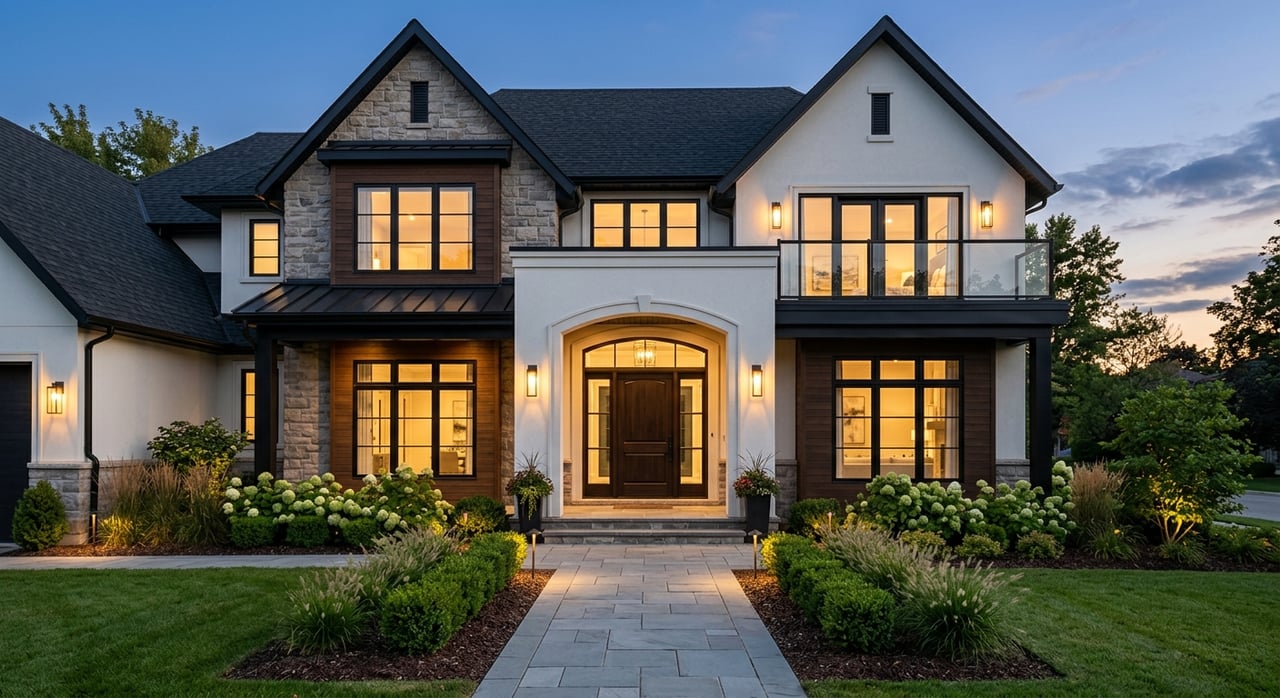
Recent Alamo examples include a nearly 1-acre property with an English-garden backyard and private pool house, a gated Tudor on a 0.52-acre lot, and a Westside Alamo estate with large grass areas, a nature path, seating areas, and an infinity-edge pool and spa. Those examples help illustrate what bigger parcels can unlock: not just luxury features, but a different level of privacy and usable space.
That flexibility can matter for many kinds of buyers. You may want a home office, a gym, guest space, room for hobbies, or outdoor entertaining areas that do not feel crowded. Additional local listings also point to enough land for multi-purpose rooms, play areas, and gathering spaces that are simply harder to fit into a smaller suburban footprint.
The community still feels connected
A big-lot lifestyle in Alamo can feel quiet and tucked away, but it is not isolated from everyday needs. Contra Costa County identifies the commercial core around Danville Boulevard and Stone Valley Road, where shopping centers, office buildings, civic uses, housing, and services cluster together.
That means you can enjoy a more residential setting while still staying close to errands and routine stops. Daily life may feel less dense and less walk-everywhere than in a tighter suburban grid, but it is still connected in a practical way.
The county has also upgraded the corridor with sidewalks, bicycle facilities, curb ramps, pedestrian refuge areas, and a landscaped roundabout. Those improvements support neighborhood-scale movement, even though most routines in Alamo still tend to be more car-oriented.
Parks, trails, and weekly routines
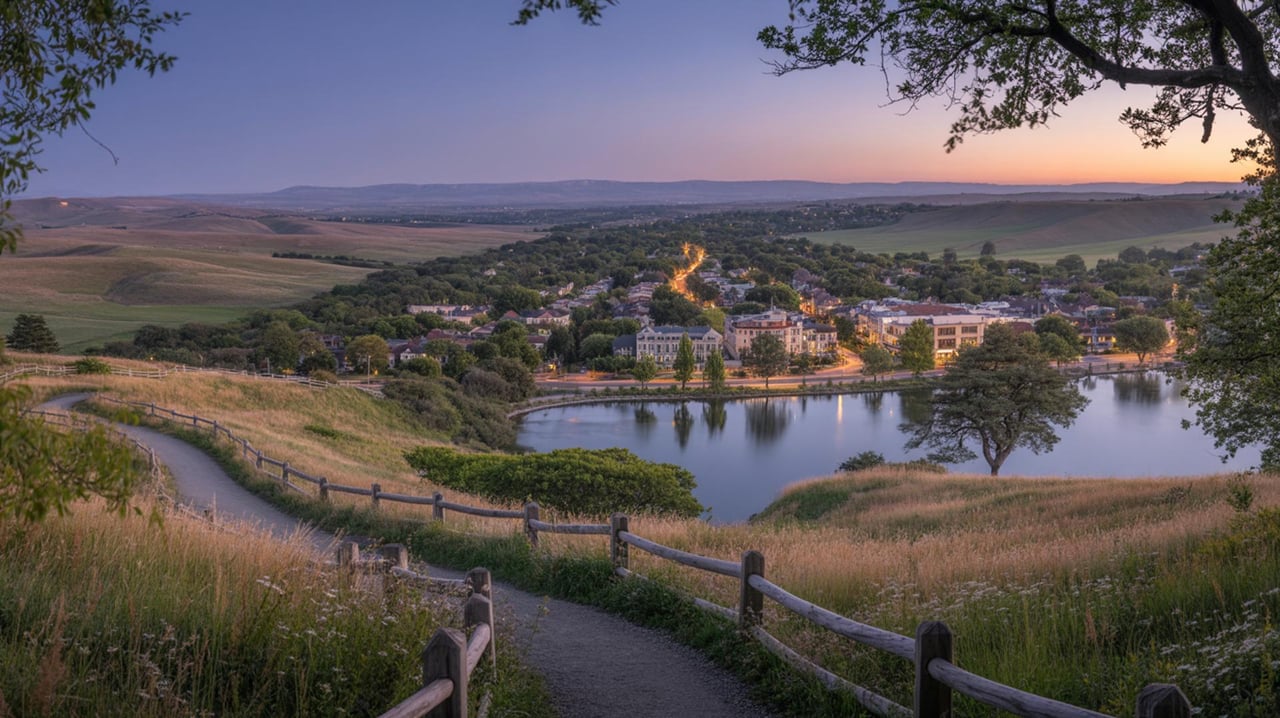
Estate-style living often appeals to buyers who want more outdoor time built into ordinary days. Alamo supports that with local parks, community gathering spots, and trail access that match the area’s lower-density layout.
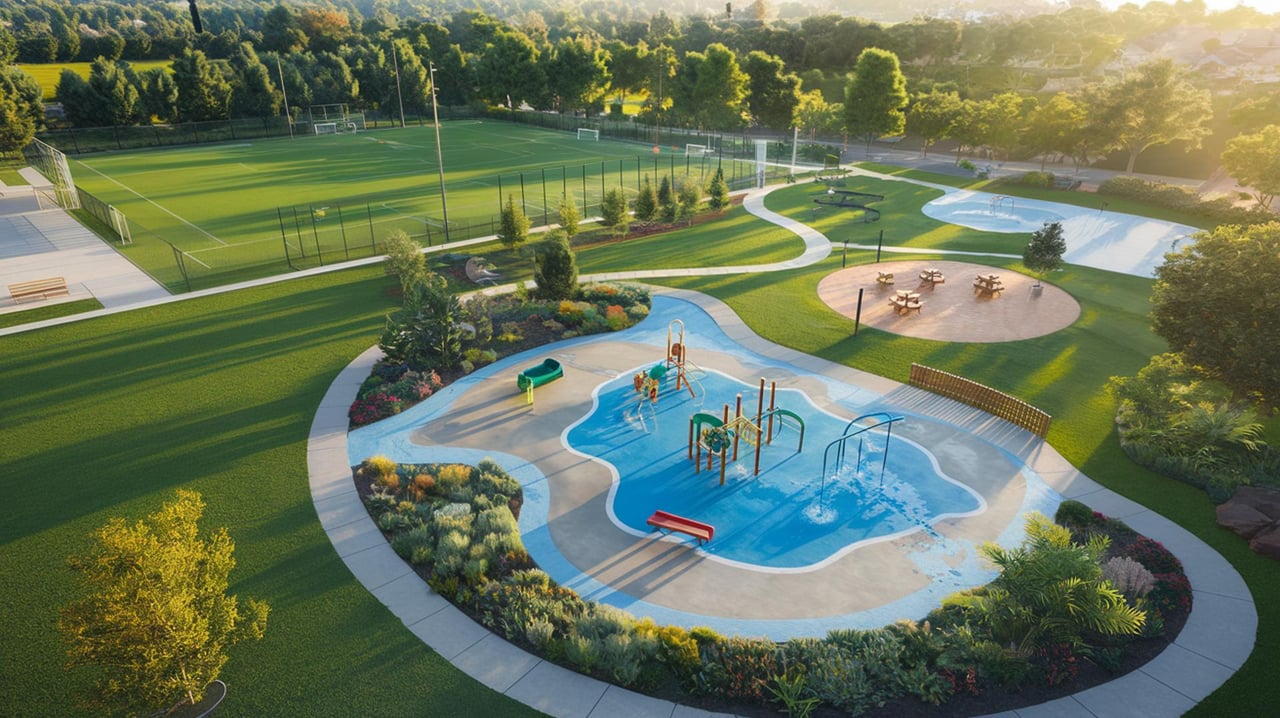
Contra Costa County lists Hemme Station Park, Livorna Park, Hap Magee Ranch Park, and Alamo Elementary School Field among the local recreation assets. Amenities include Iron Horse Trail access, bocce courts, summer concerts and movie nights, a dog park, a community garden, and sports fields.
That mix matters because it adds variety to everyday life beyond your own lot lines. You may have a spacious yard at home, but nearby public spaces can still play a role in exercise, recreation, and casual community connection.
There is also a small-town ritual built into the week. The year-round Sunday farmers market at 3157 Danville Boulevard gives Alamo a regular local gathering point that many buyers appreciate when evaluating the overall feel of the community.
Schools and local anchors
For many buyers, part of understanding daily life means knowing what civic and educational anchors are in town. In Alamo, local schools include Alamo Elementary, Rancho Romero Elementary, and Stone Valley Middle School, all with Alamo addresses.
The county’s general plan also describes Alamo as having excellent schools, and Alamo Elementary School serves as one of the community institutions tied to the area’s day-to-day rhythm. If schools are part of your home search, it can be helpful to review current boundaries, programs, and enrollment information directly with the district and individual schools.
Beyond schools, the area’s identity is shaped by long-established residential neighborhoods, parks, and local commercial nodes rather than by intense new development. For many buyers, that consistency is part of the appeal.
Commuting from a quieter setting
If you are moving from a denser urban or suburban area, Alamo’s pace may feel different right away. The area sits along Danville Boulevard on the west side of I-680, which helps connect residents to the broader East Bay while preserving a quieter residential character.
Transit exists, but it is not the defining feature of daily life here. Walnut Creek Station is a major BART station serving Contra Costa County, and the Iron Horse Regional Trail runs through Alamo, linking residential and commercial areas, schools, transit, parks, open space, and Alamo Square.
Taken together, those connections support a routine that is typically more road-and-yard oriented than transit-first. For many buyers, that is exactly the point: you get more land and privacy without feeling cut off from the rest of the East Bay.
The upkeep side of a big lot
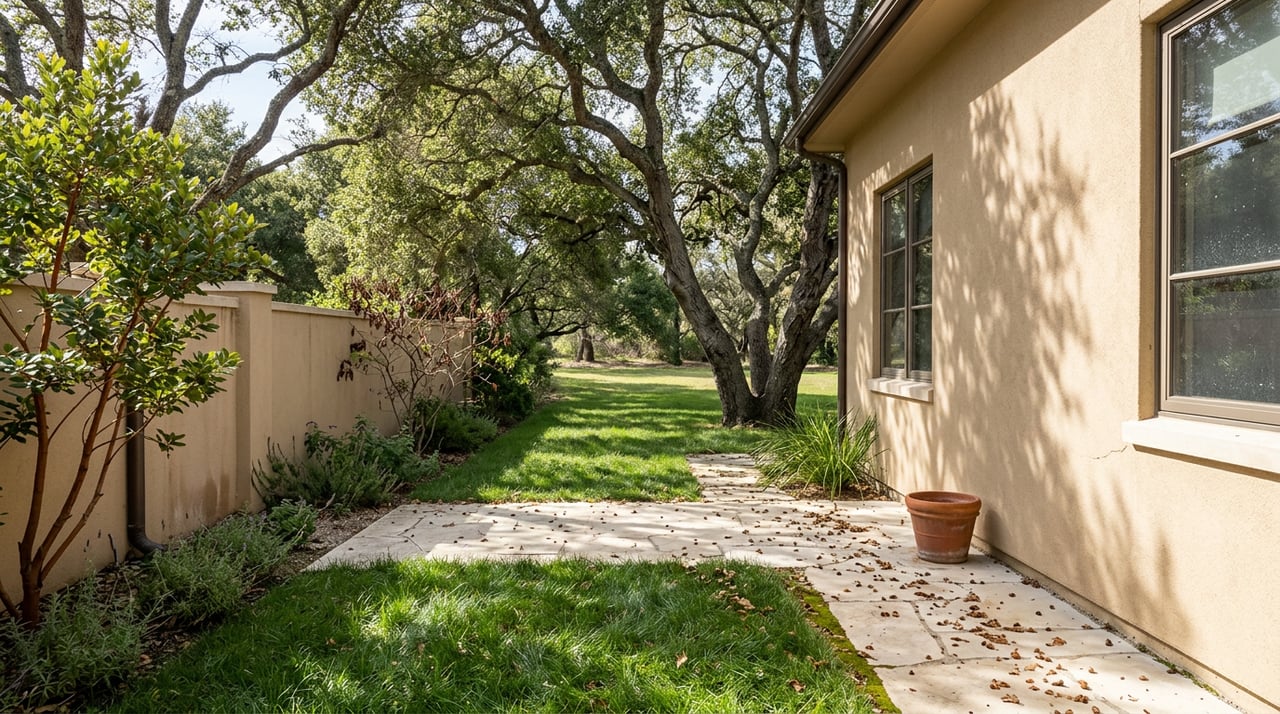
The appeal of estate-style living is real, but so is the responsibility. A larger lot usually brings more maintenance, and in Alamo that matters even more because local planning priorities include preserving mature trees and reducing wildfire risk.
CAL FIRE guidance notes that 100 feet of defensible space is required by law, with Zone 2 covering 30 to 100 feet from a structure. That work can include removing dead vegetation, clearing debris, and maintaining spacing between trees and shrubs.
The Contra Costa County Fire Protection District also states that parcel owners are responsible for eliminating exterior fire hazards, with weed-abatement efforts focused on hazardous vegetation and combustible debris. Its guidance also points to fire-resistant materials and safer landscaping choices as part of risk reduction.
On a practical level, ownership may include regular landscaping, tree work, irrigation oversight, pool care, hardscape cleaning, and ongoing attention to outbuildings and perimeter areas. The tradeoff is simple: more land can give you more privacy and flexibility, but it usually asks more of your time, budget, or service team.
Is Alamo estate living right for you?
Estate-style living in Alamo tends to work best if you value privacy, outdoor space, and a home that can support multiple parts of your life at once. You may be looking for room to entertain, spread out, work from home, or simply enjoy a less compressed daily routine.
It can also be a strong fit if you want a premium East Bay address with a residential feel that still keeps shopping, parks, schools, trails, and regional access within reach. The combination of larger lots, established landscaping, and a quieter pace is hard to replicate in more built-up neighborhoods.
At the same time, it helps to go in with clear eyes. Big-lot ownership is not only about beauty and privacy. It is also about maintenance, systems, and long-term stewardship of the property.
If you are weighing whether Alamo fits your goals, the right guidance can make a big difference. Valerie Vicente brings local market knowledge, concierge-level service, and a polished approach to luxury and lifestyle-focused home searches across Alamo and the surrounding East Bay.
FAQs
What does estate-style living in Alamo usually mean?
- It usually refers to single-family homes on larger lots, often with added privacy, expansive yards, and amenities such as pools, sport courts, guest or bonus spaces, and outdoor entertaining areas.
How expensive are estate-style homes in Alamo?
- Based on Redfin’s Alamo home trends, the current median list price is $2.3 million, while Alamo homes with outdoor pools are listed at a higher median of $2.7 million.
What is daily life in Alamo like for homeowners?
- Daily life tends to be quieter and more space-oriented, with a mix of home-centered outdoor living, local parks, neighborhood errands near Danville Boulevard and Stone Valley Road, and community routines like the Sunday farmers market.
What are the maintenance responsibilities of a large lot in Alamo?
- Owners should expect ongoing landscaping, irrigation, tree care, and attention to wildfire preparedness, including defensible-space maintenance and removal of hazardous vegetation or debris.
Are there parks and trails near Alamo estate homes?
- Yes. Local options include Hemme Station Park, Livorna Park, Hap Magee Ranch Park, Alamo Elementary School Field, and access to the Iron Horse Regional Trail.
Is Alamo connected to the rest of the East Bay?
- Yes. Alamo is linked by I-680, Danville Boulevard, the Iron Horse Regional Trail, and access to regional transit through Walnut Creek BART, although most daily routines remain more car-oriented than transit-first.