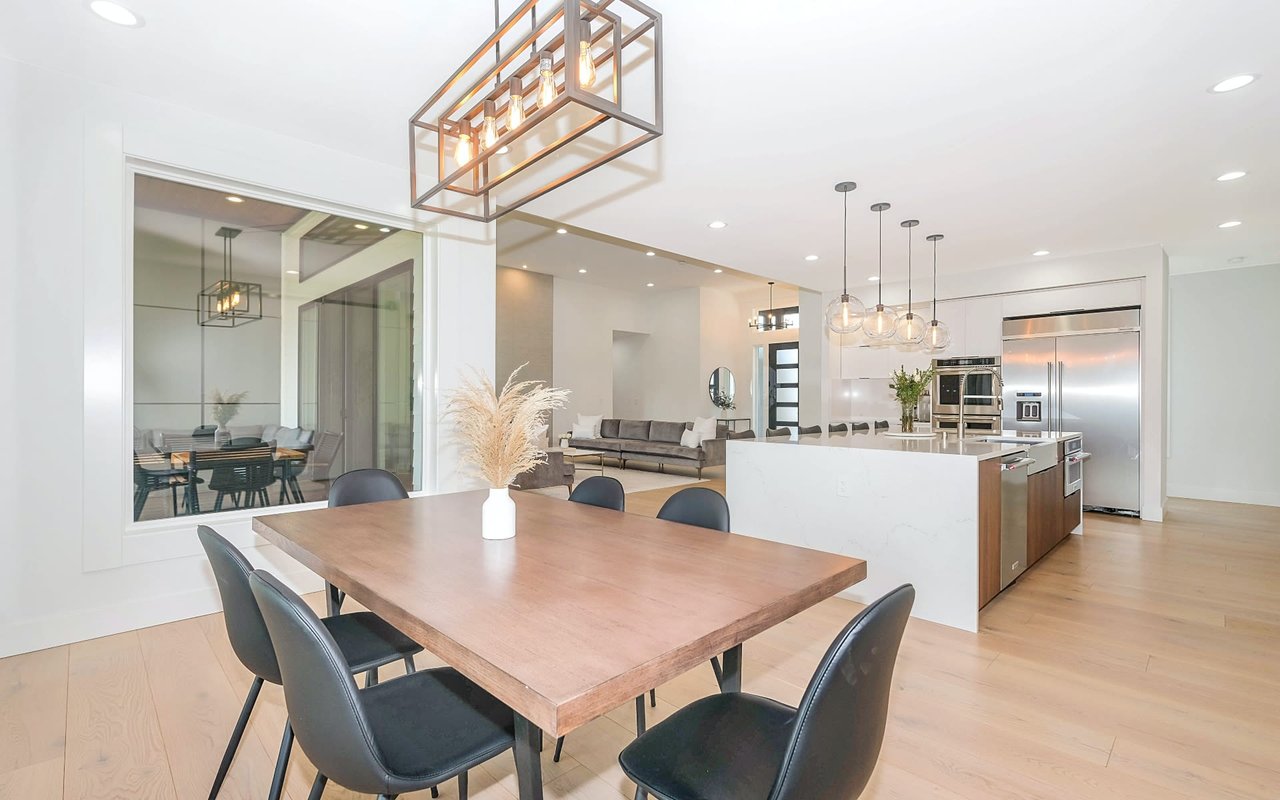
You tour a sunlit Victorian near Main Street in the morning, then a spotless newer home with an open kitchen that afternoon. Both feel right for different reasons, which makes choosing hard. You want everyday ease without giving up character, and you also want to be smart about long‑term costs. In this guide, you’ll learn the key tradeoffs between Pleasanton’s historic Victorians and its newer, turnkey neighborhoods, plus a simple framework to help you decide with confidence. Let’s dive in.
Start with price and place
Pleasanton is a high‑cost East Bay market. Recent public data placed the typical home value near $1.52 million as of early 2026, with wide swings by neighborhood and home type. Downtown Victorians can command a premium when fully renovated, while unrenovated homes sometimes price below modernized options of similar size to reflect needed work. Newer planned communities and luxury enclaves often show higher per‑square‑foot pricing, but many deliver modern layouts and systems from day one.
If you love historic architecture, you will most often find it in Pleasanton’s historic downtown core. The area around Main Street and nearby blocks remains the heart of late‑19th and early‑20th century homes, where preservation and community identity are strong. To get a feel for the area’s character and why it matters locally, explore this overview of Pleasanton’s historic downtown and quality of life.
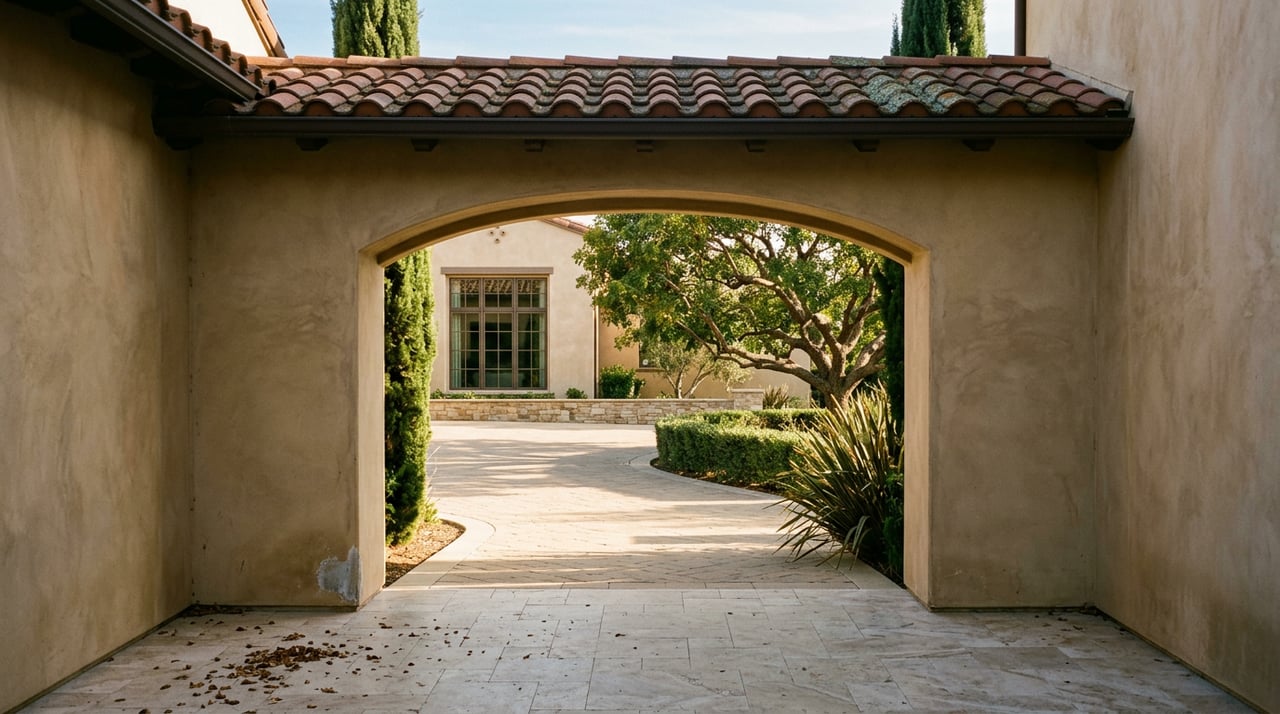
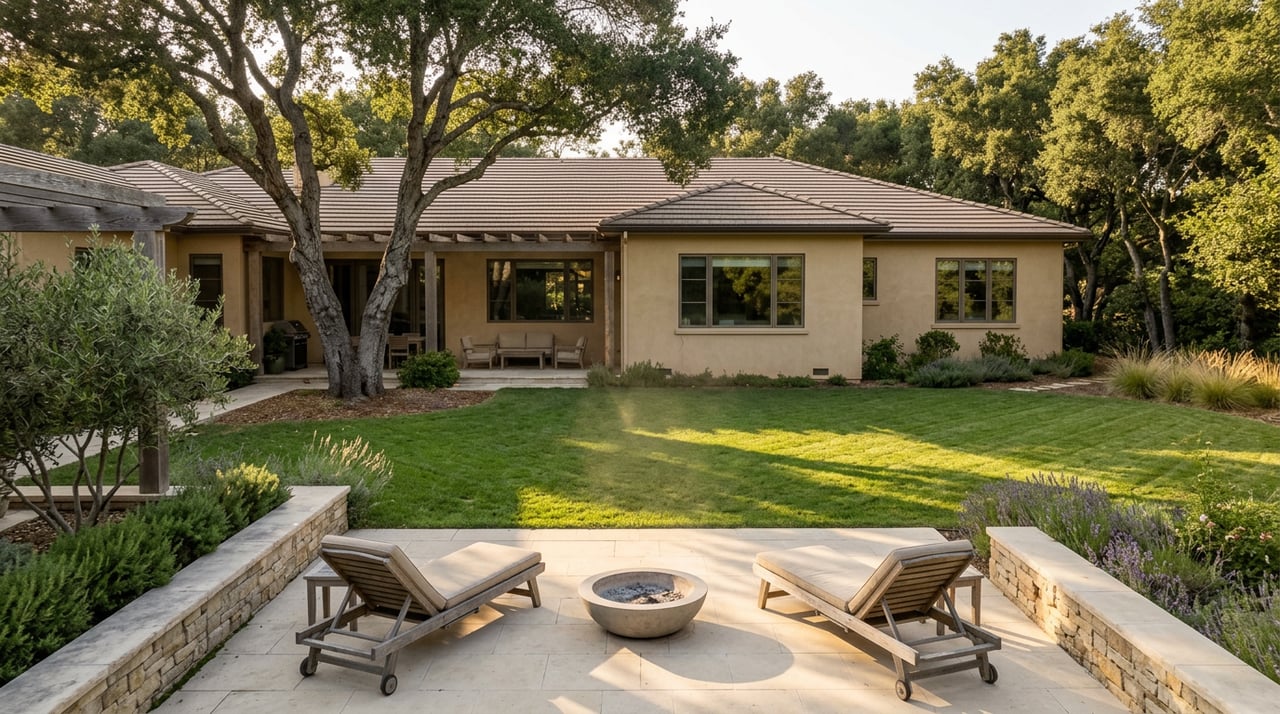
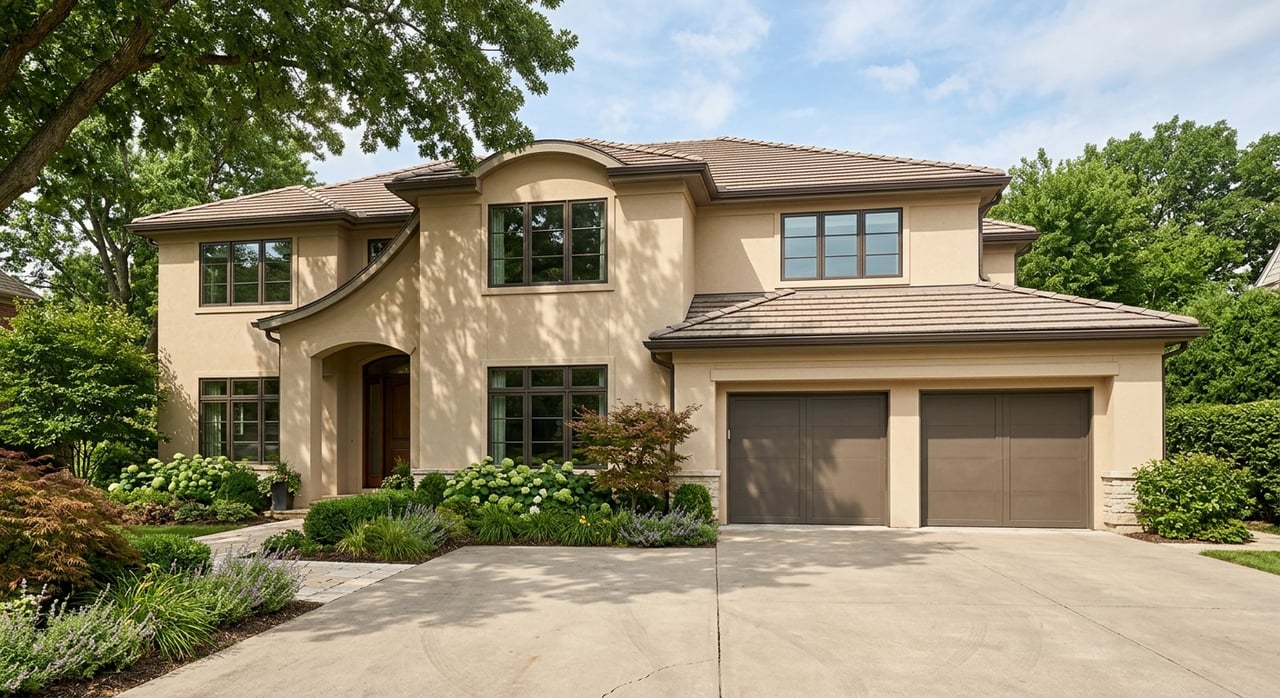
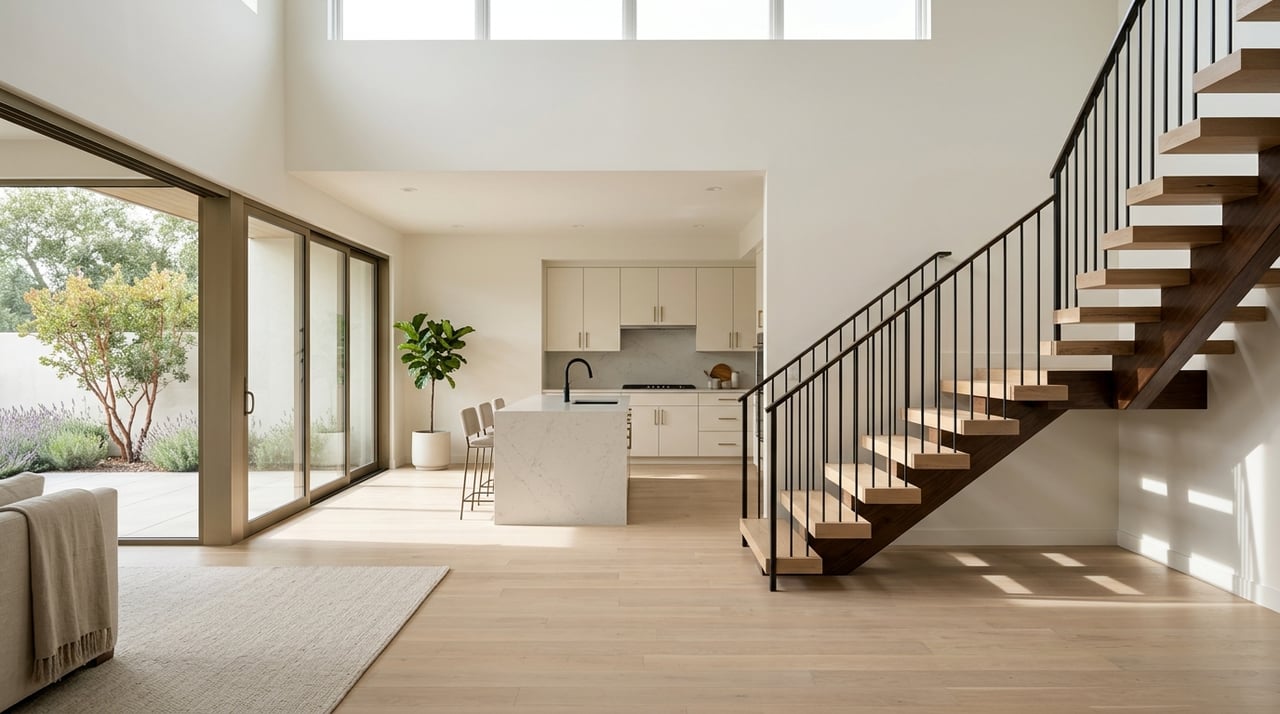
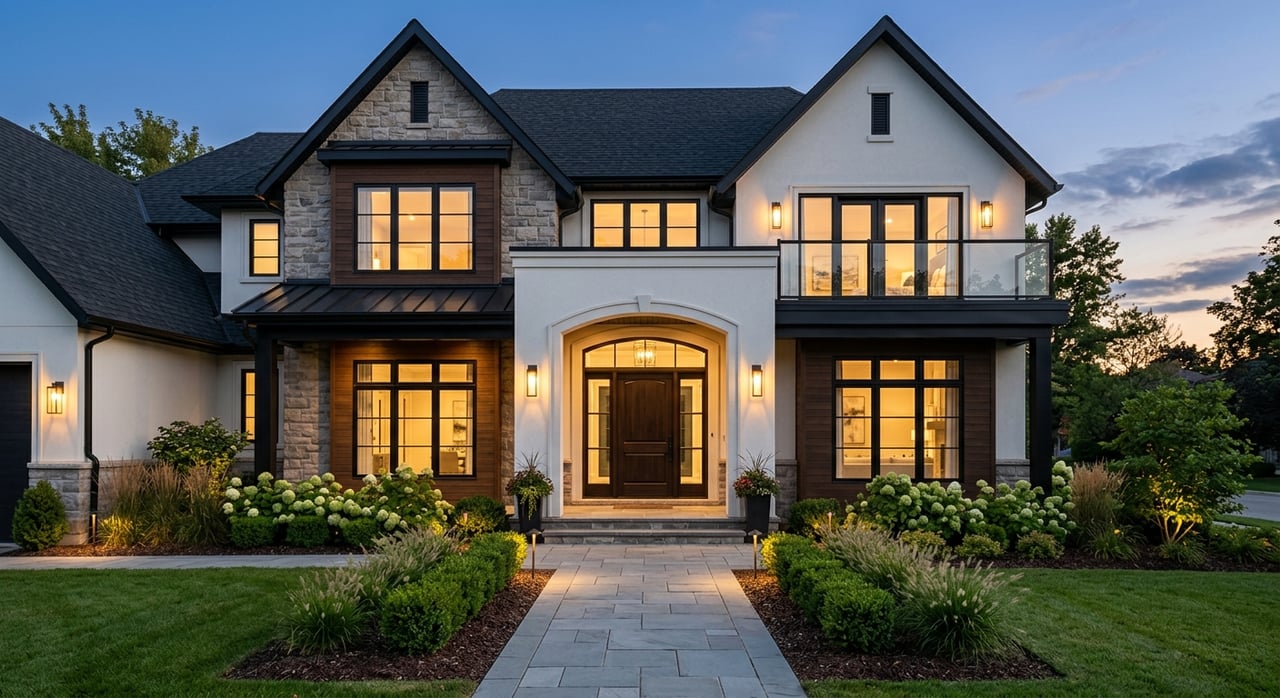
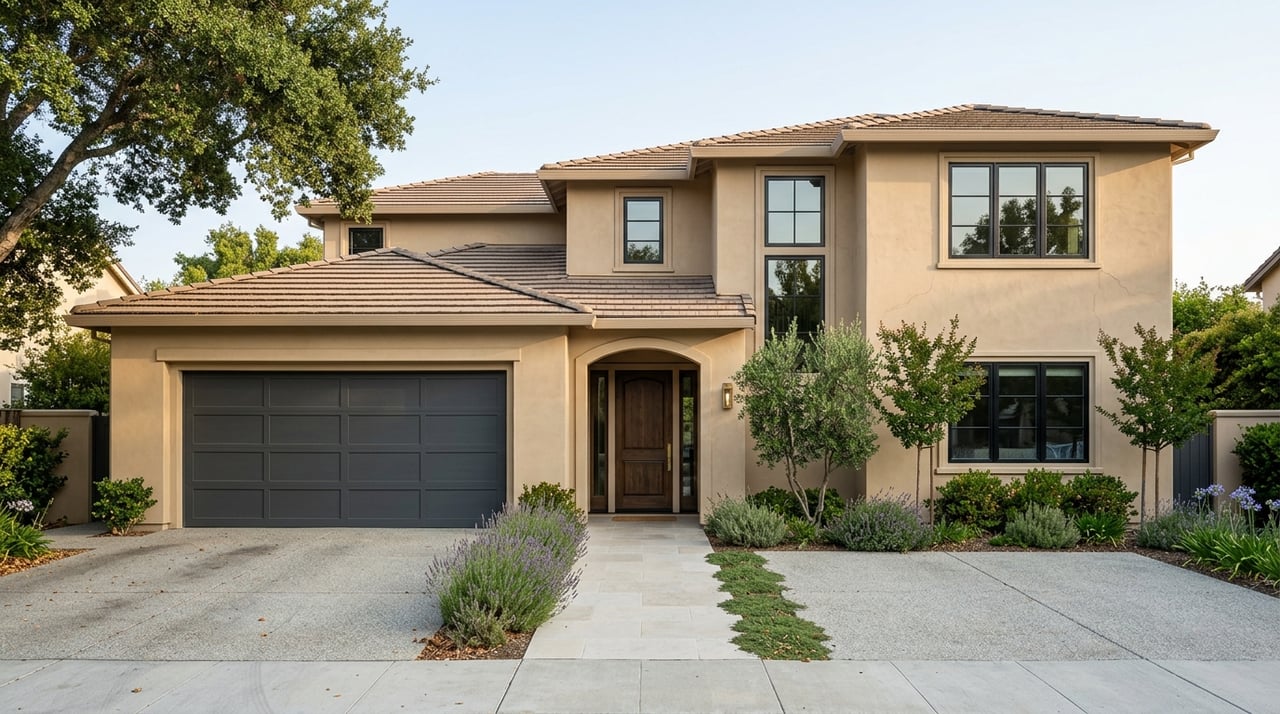
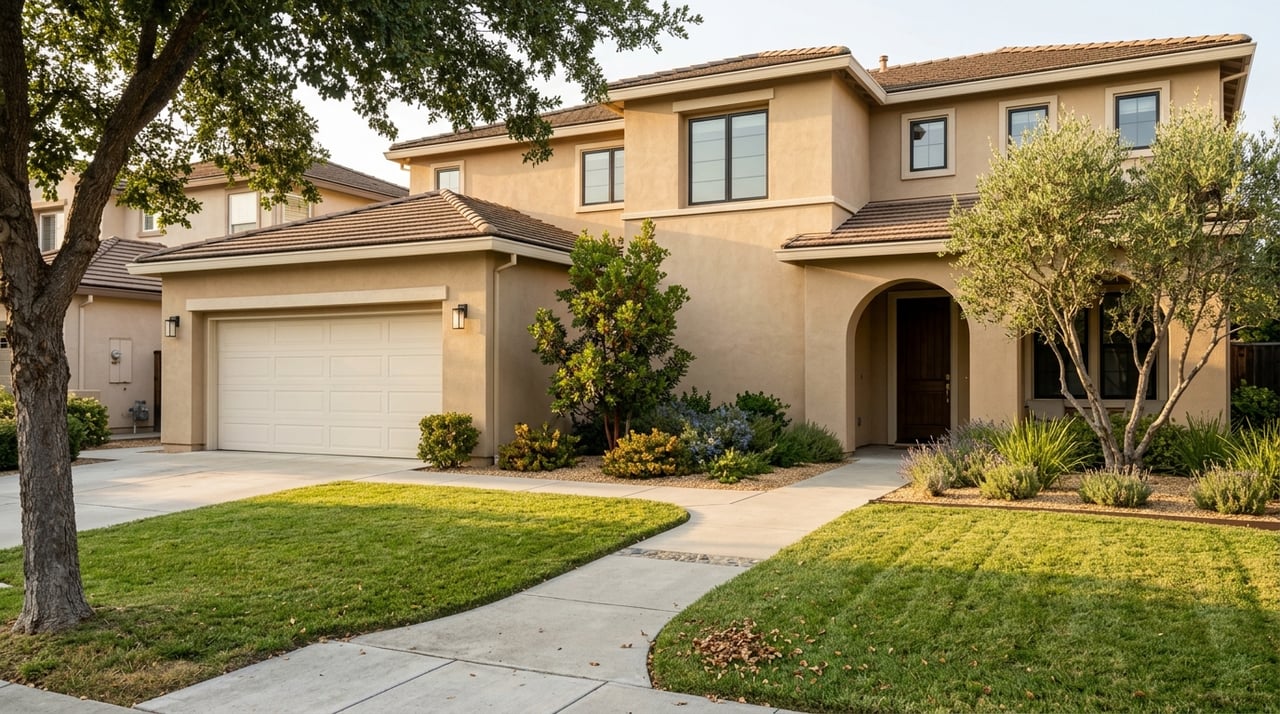
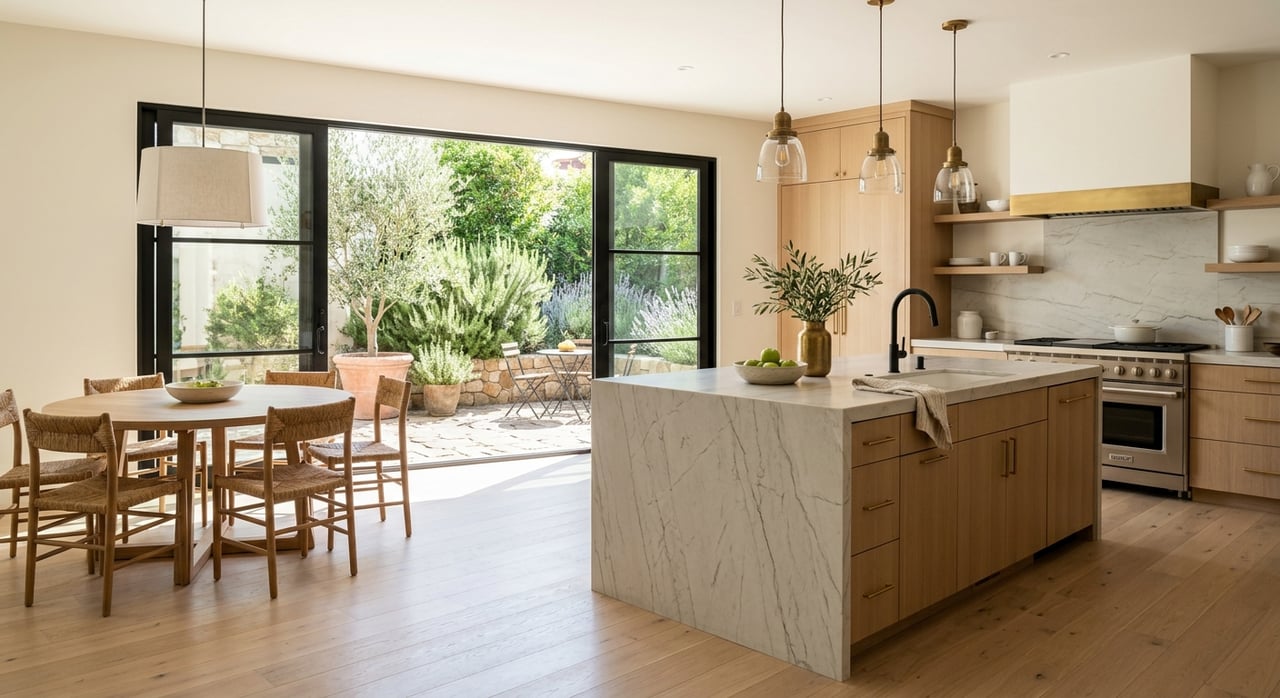
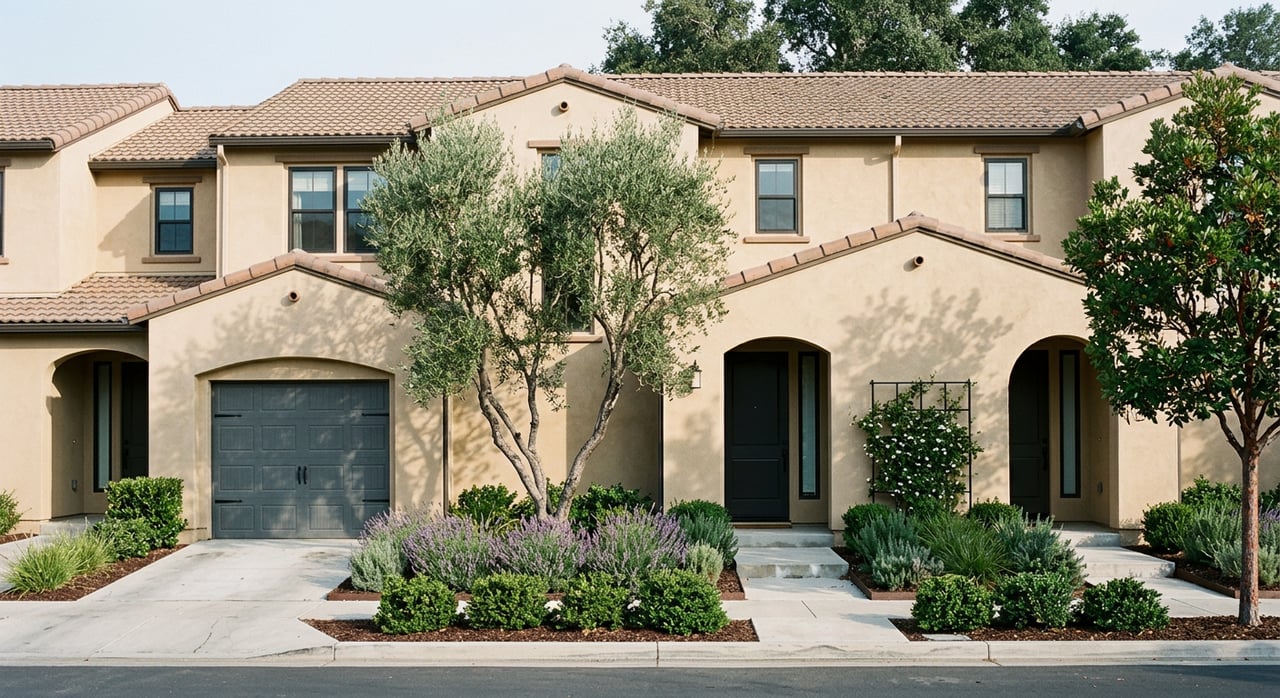
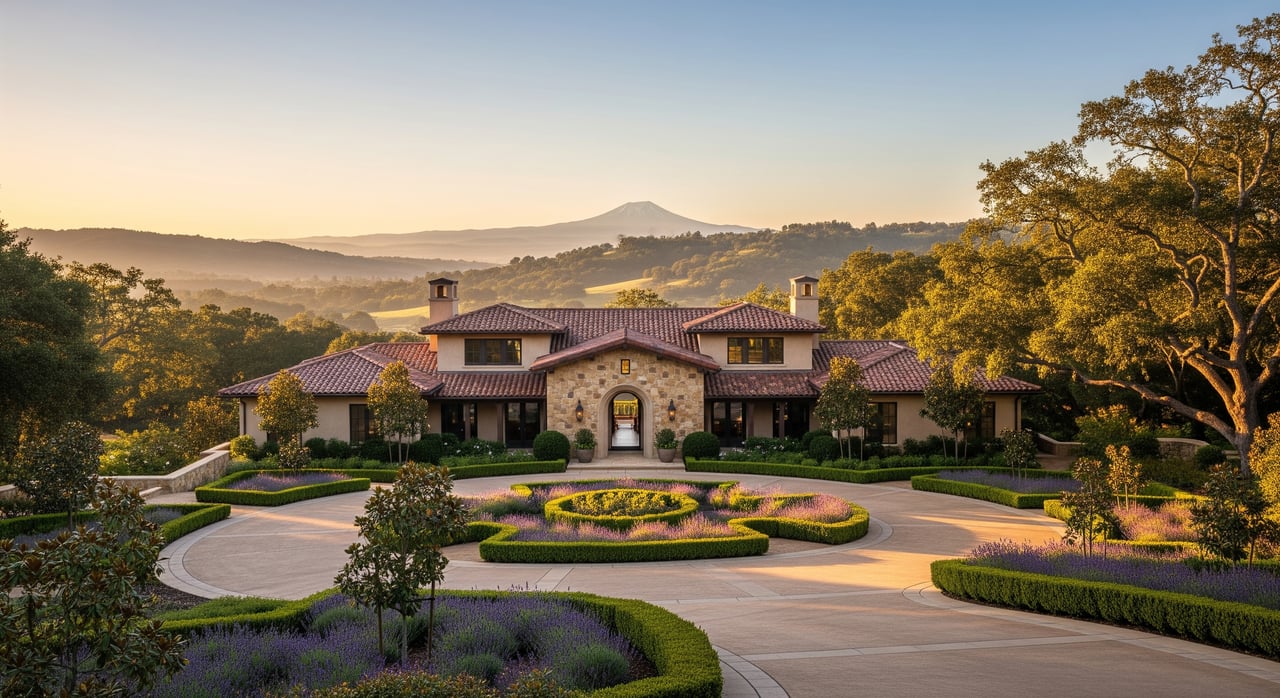
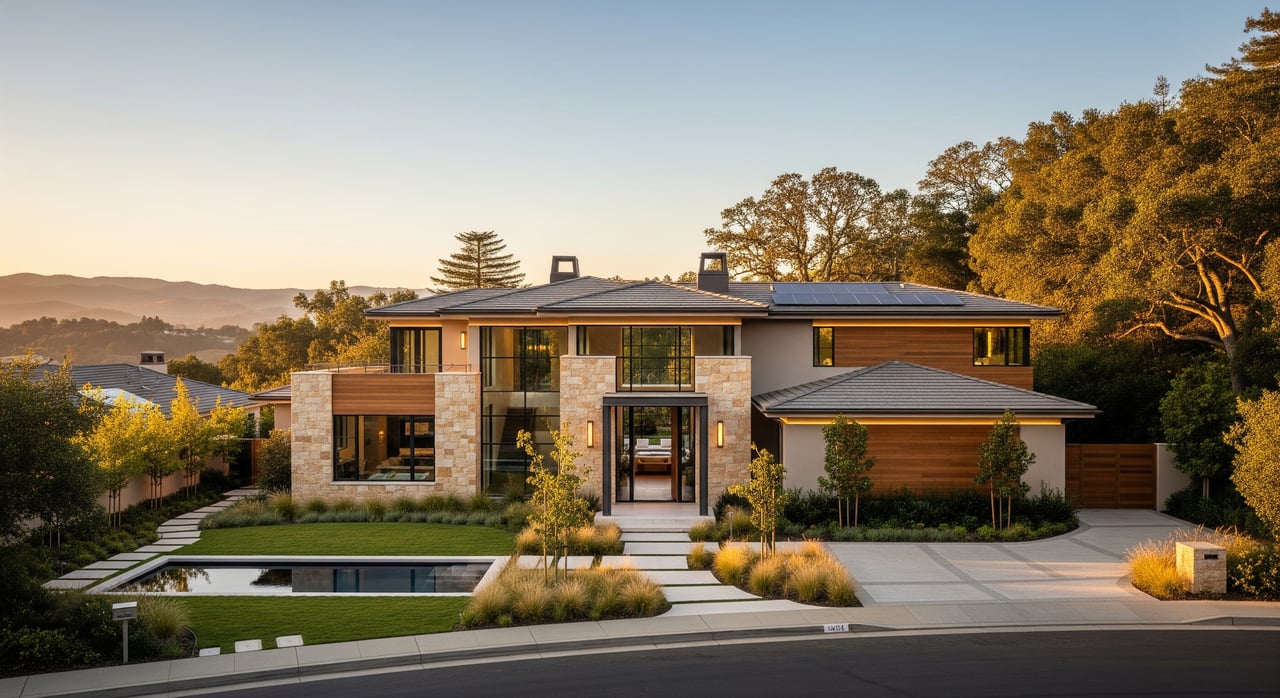
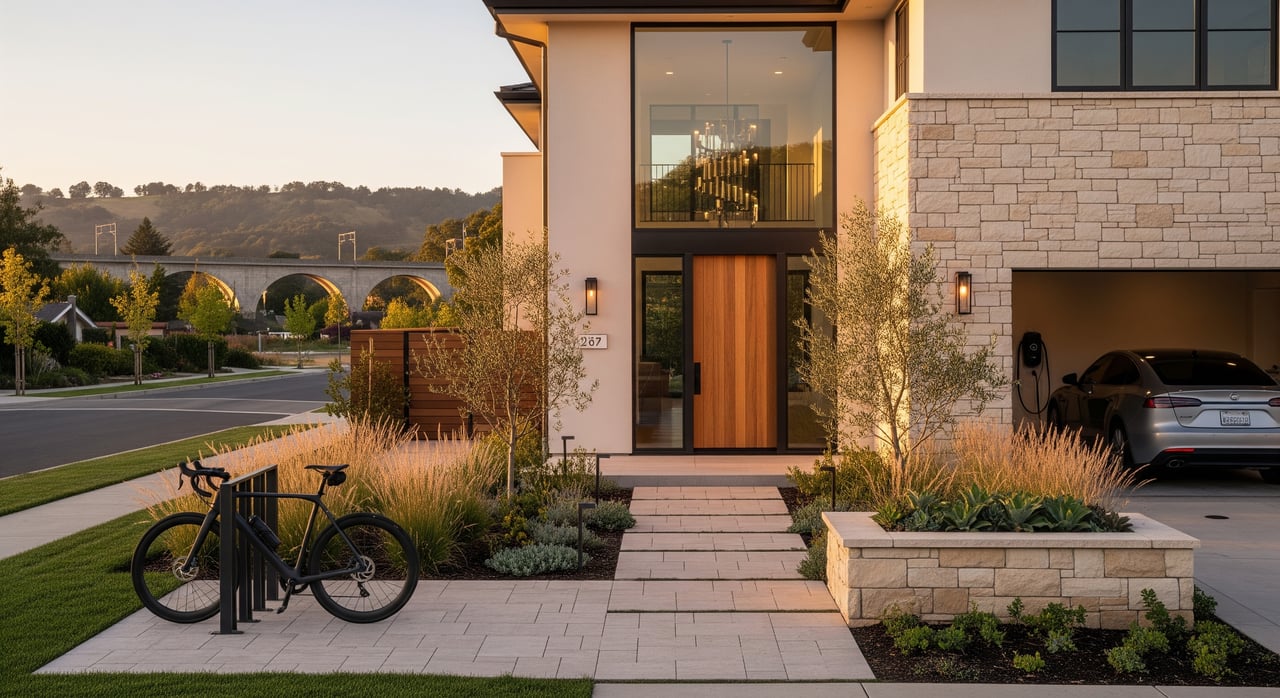
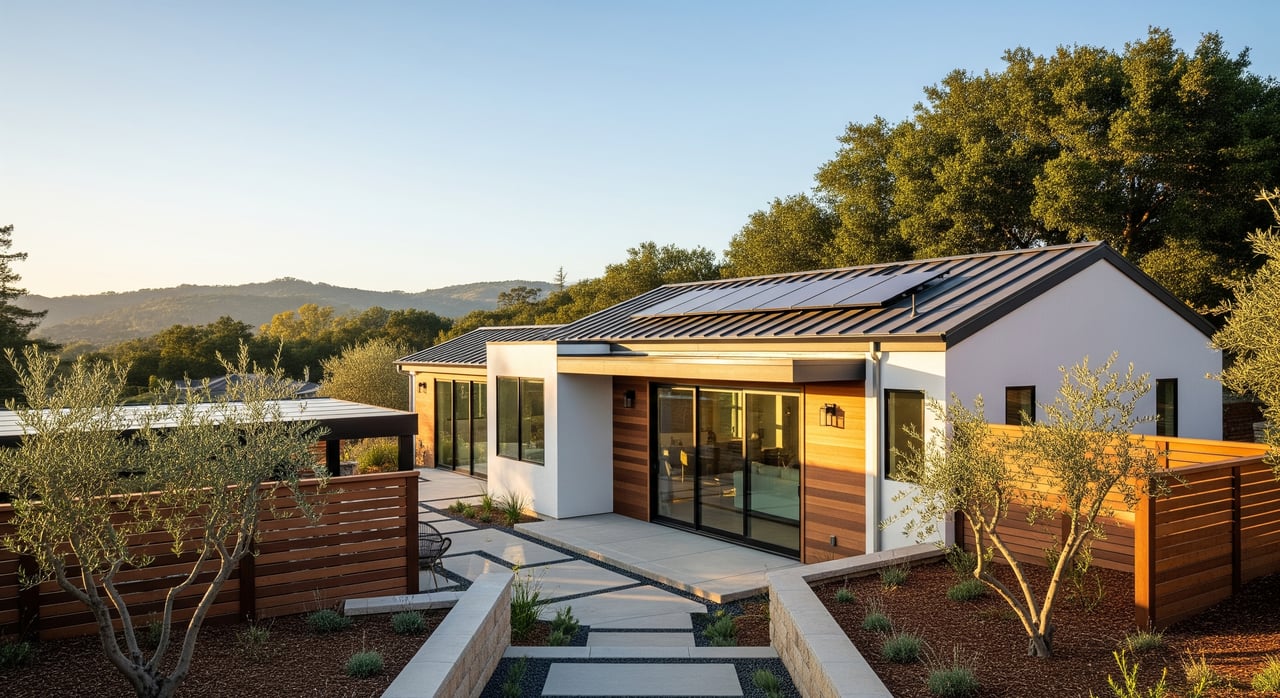
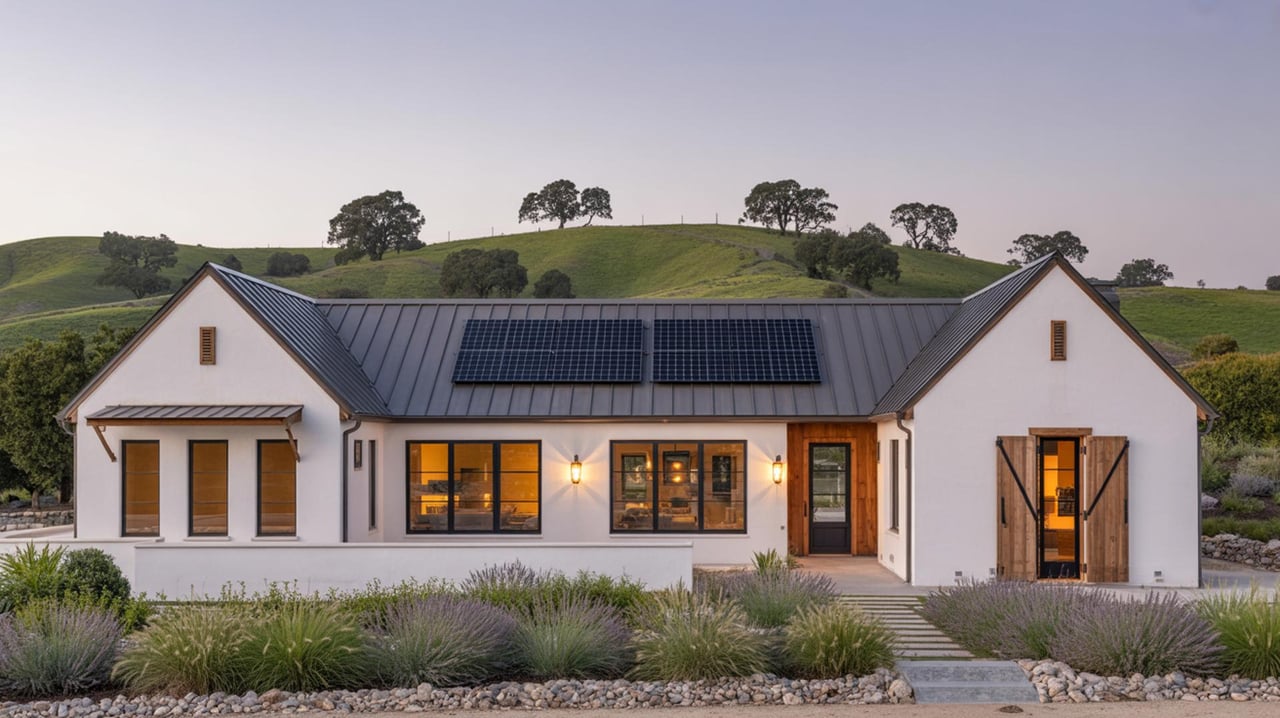
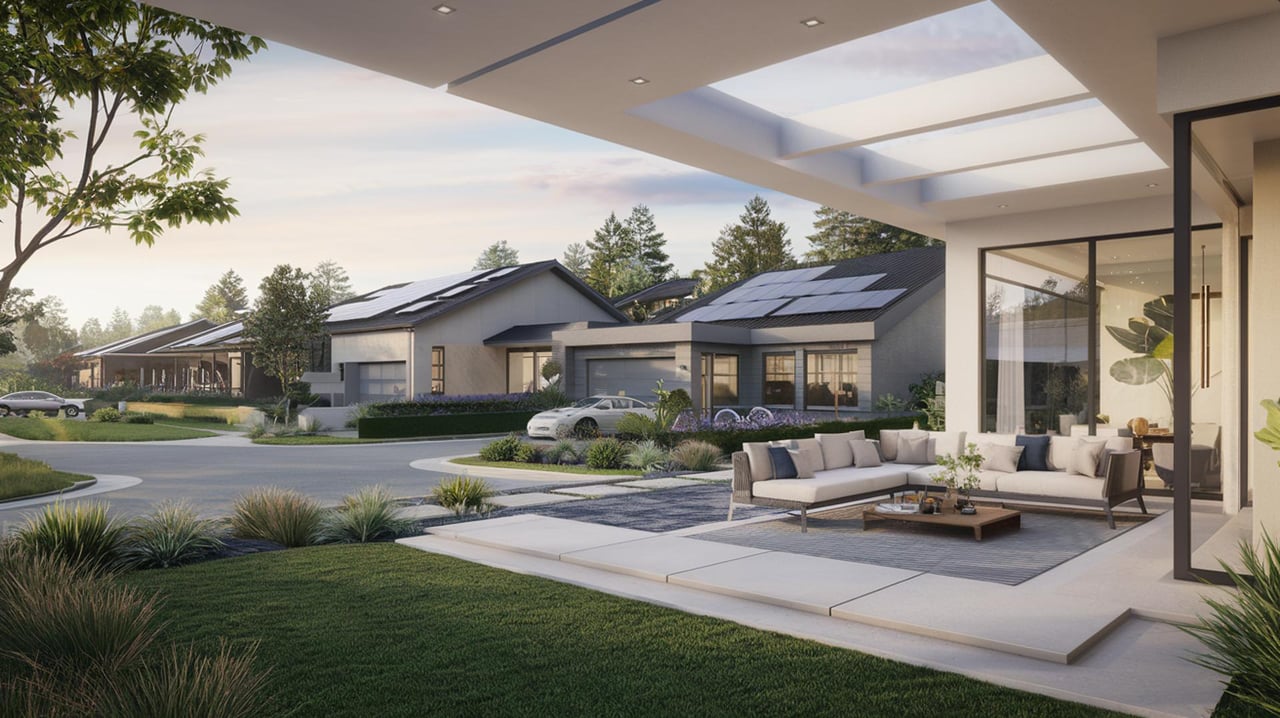
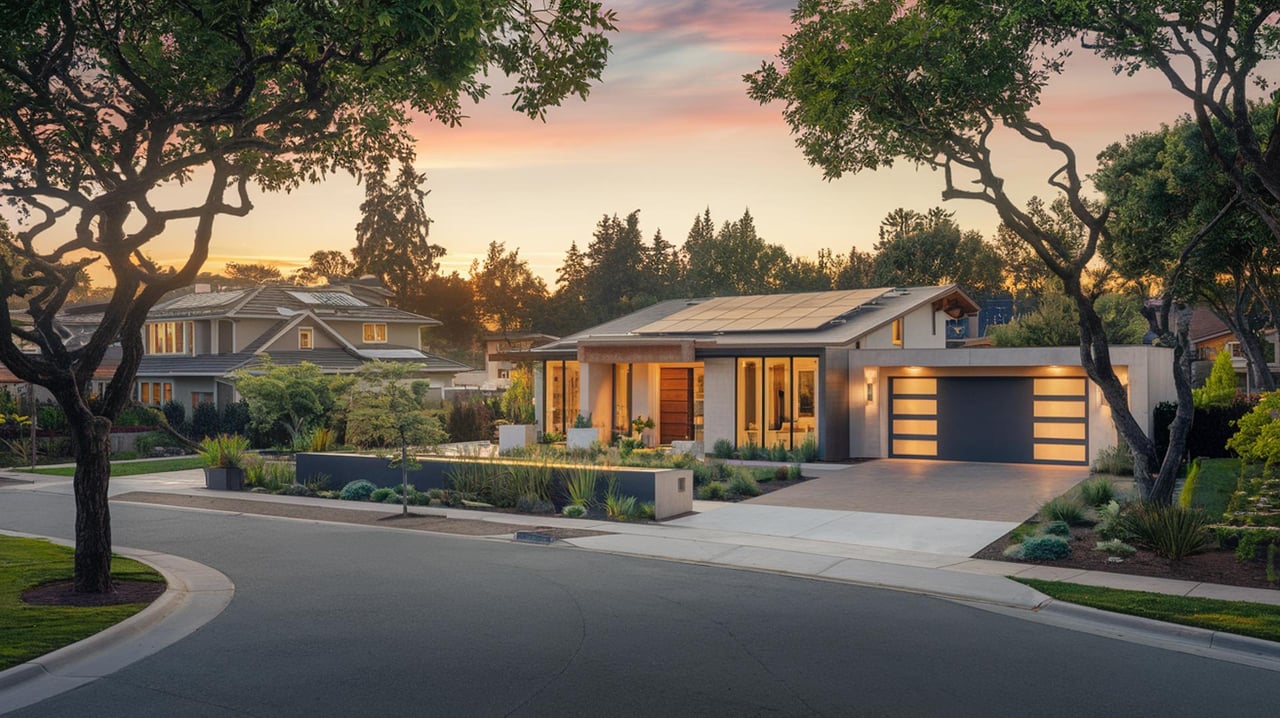
If you lean modern, neighborhoods built later offer open plans, larger primary suites, integrated garages, and predictable yard sizes. You will also see newer systems, insulation, and windows that reduce near‑term maintenance and improve comfort.
Where you will find each style
Downtown Victorians
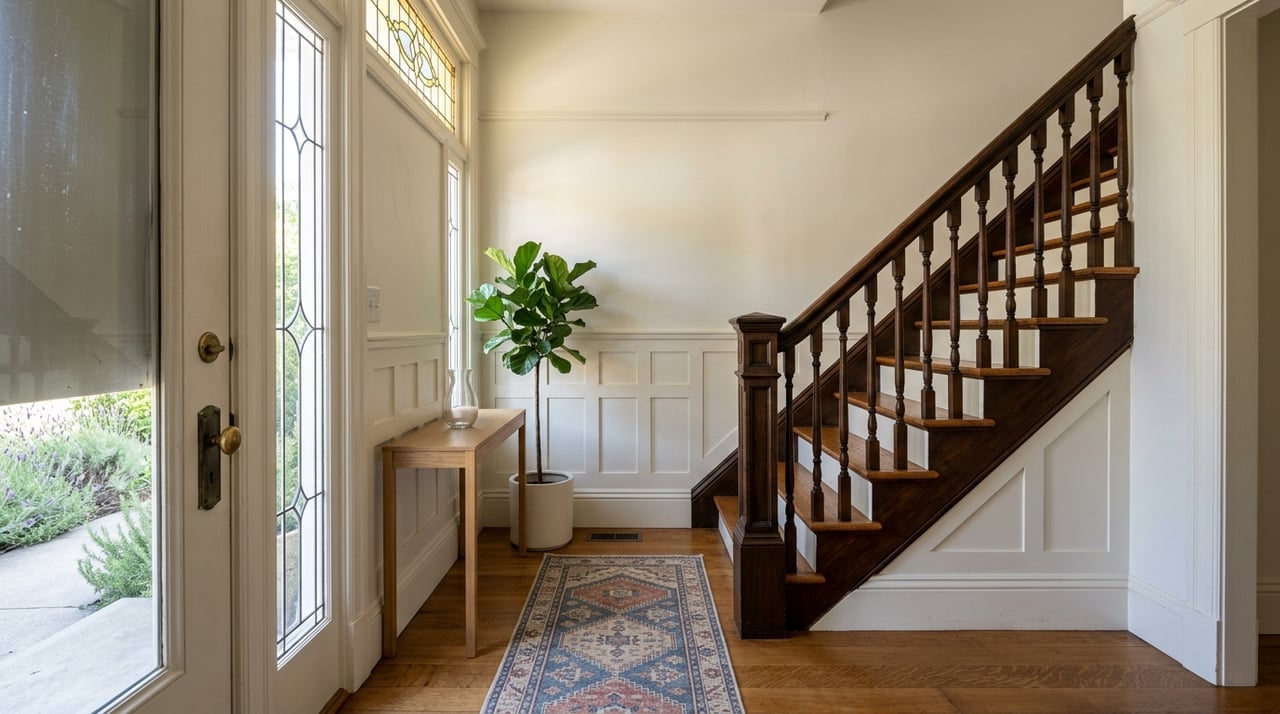
You will see Victorian, Queen Anne, and Italianate homes within a walkable radius of Main Street. Many streets near Division, Neal, and First or Third feature period details like tall windows, decorative millwork, and defined formal rooms. The area’s museums and community groups celebrate preservation, which helps maintain the district’s charm.
Newer homes and subdivisions
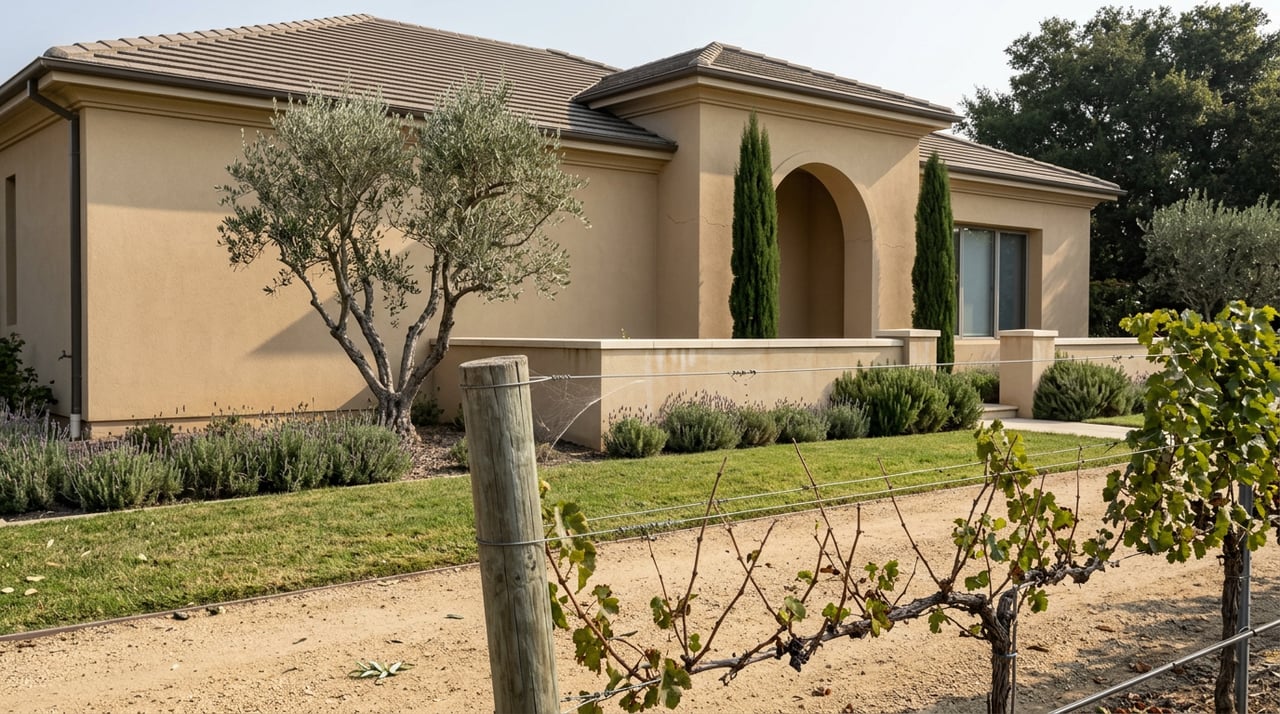
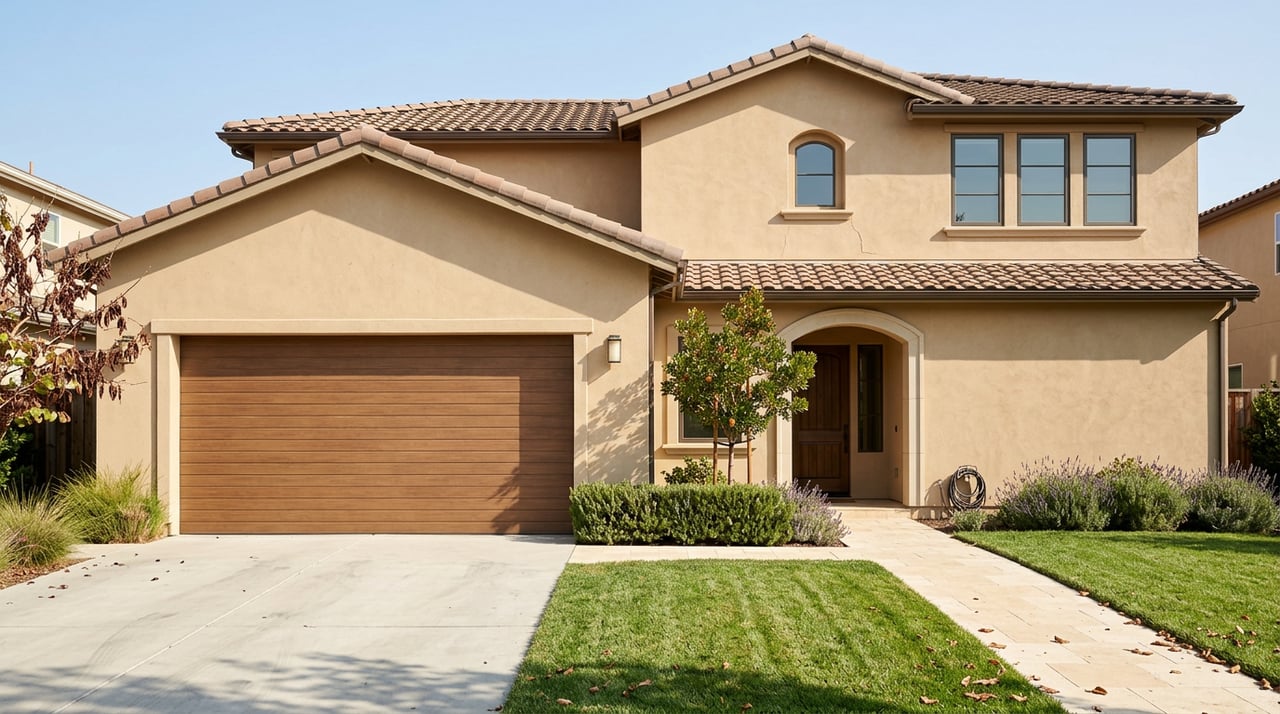
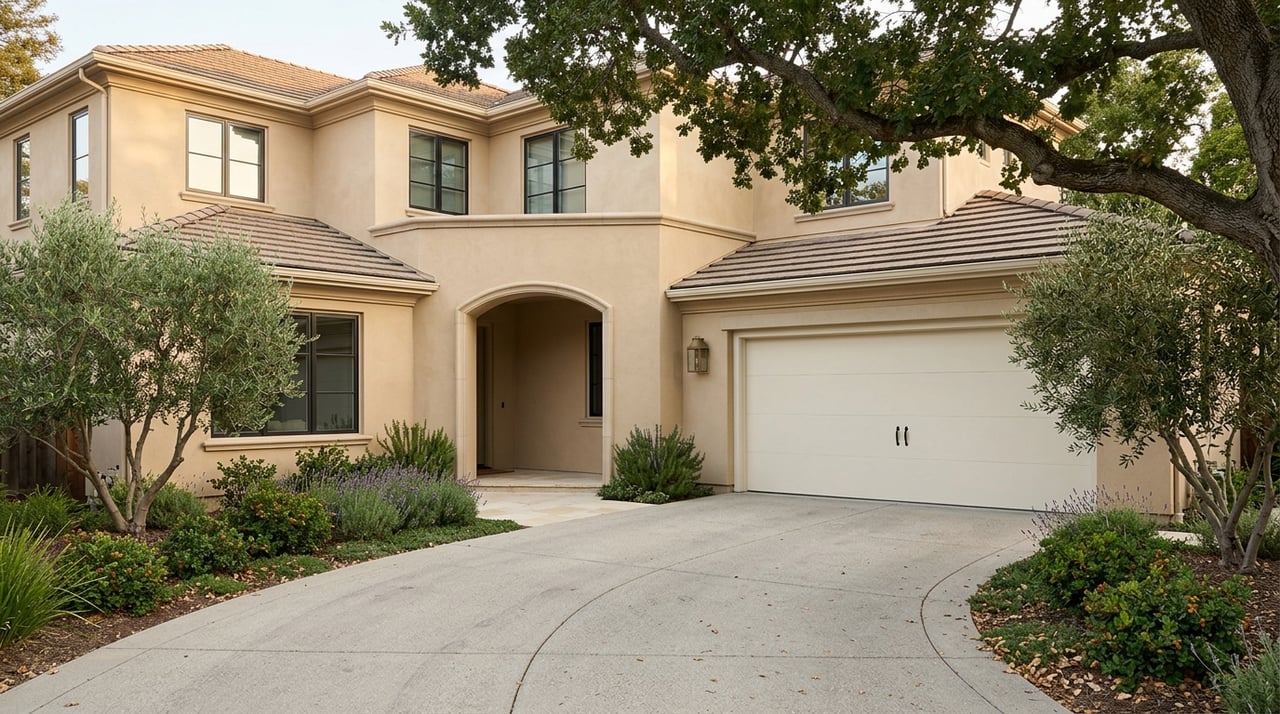
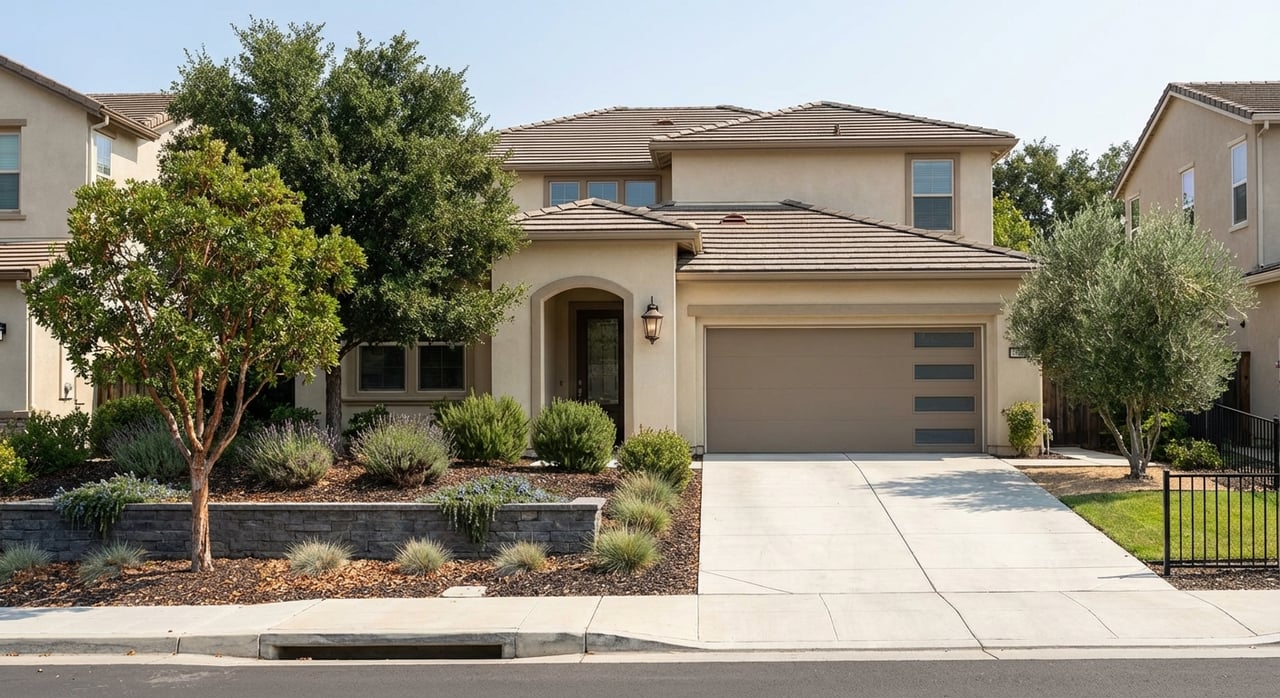
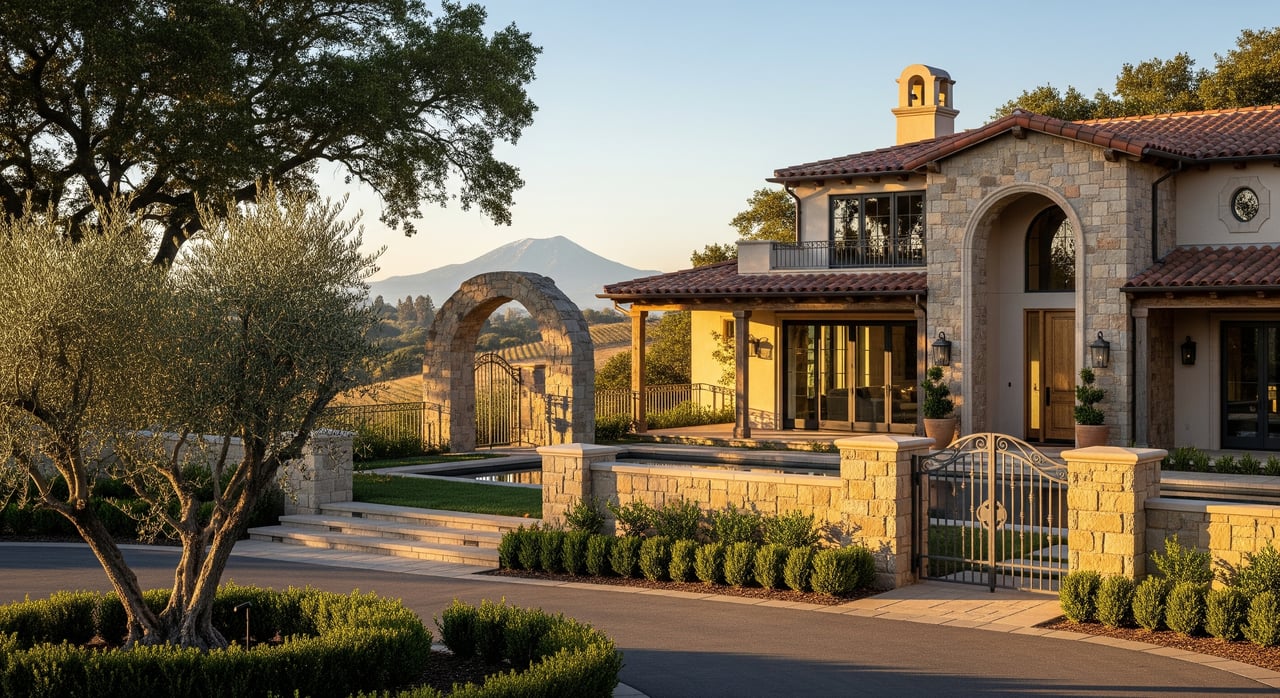
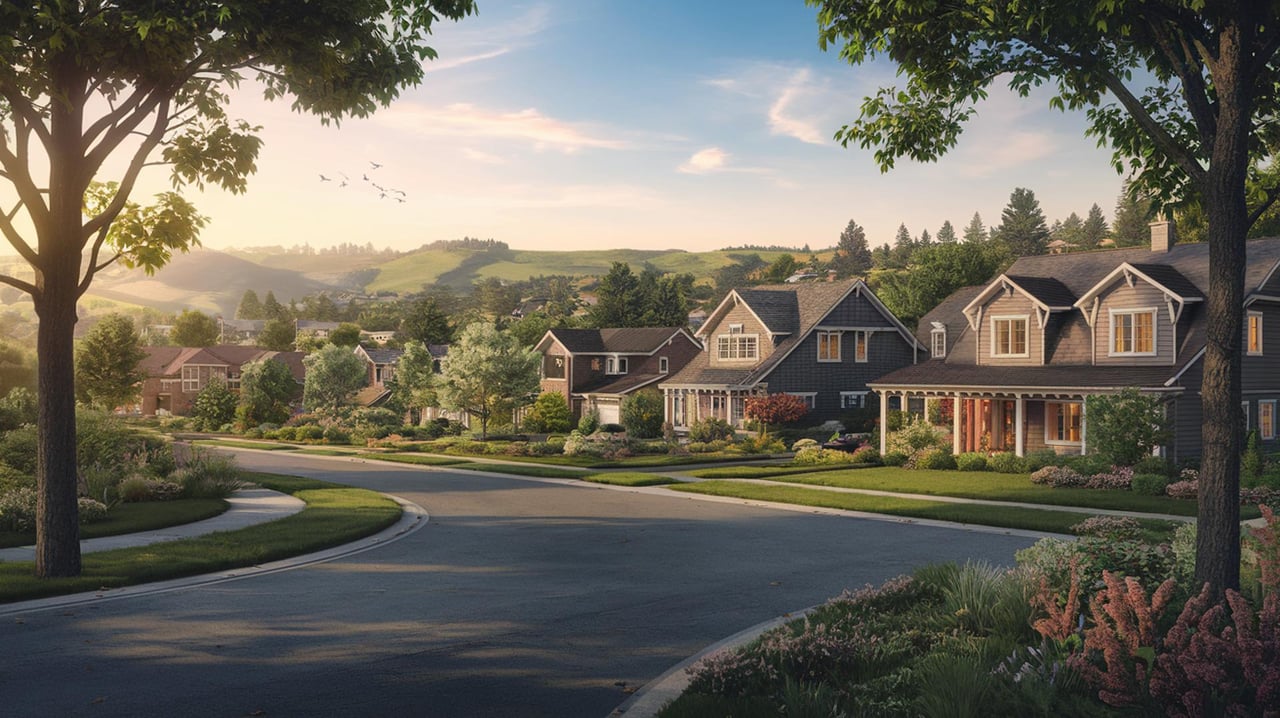
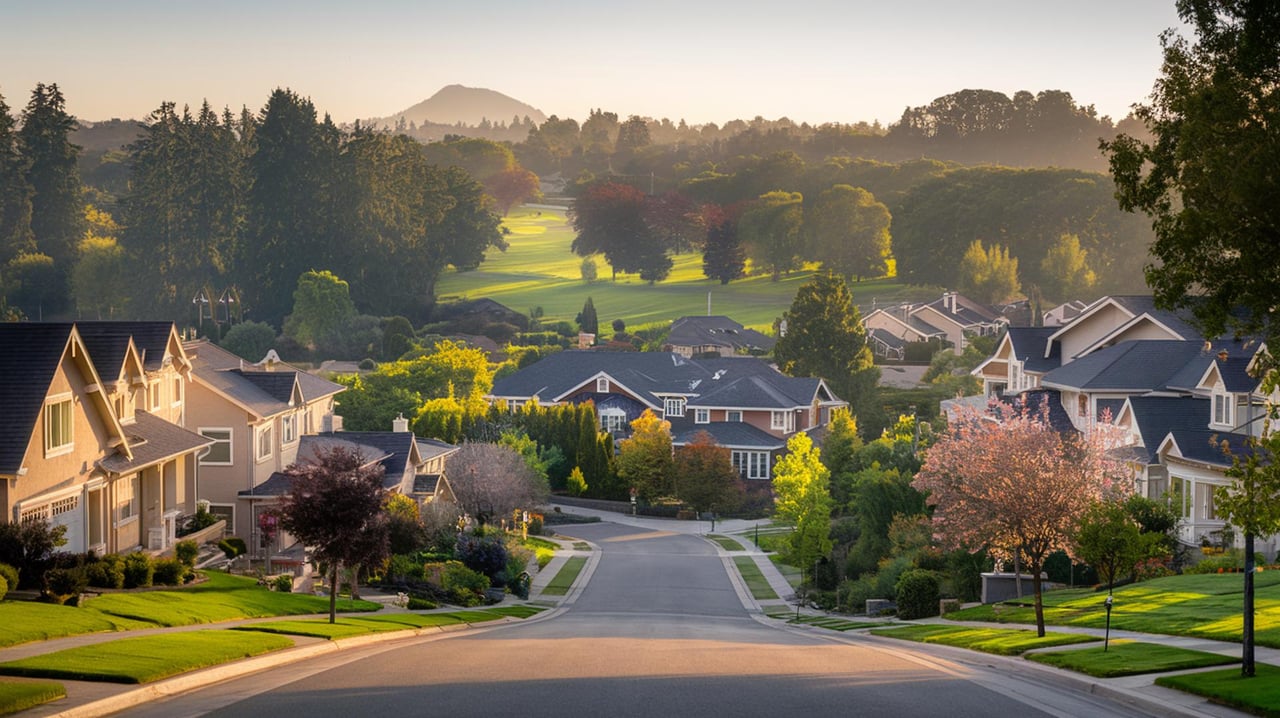
Later‑built areas around Pleasanton Valley, Hacienda and Stoneridge, hillside developments, and luxury gated neighborhoods tend to feature open kitchens, bigger closets, attached garages, and multiple baths. These homes are designed for today’s daily flow, often with better highway access.
What you trade for
Maintenance, structure, and safety
Older homes often require more investigation and budgeting. If a house was built before 1978, the EPA notes it may contain lead‑based paint. Renovation work can disturb dust and chips, so lead‑safe practices or certified abatement may be needed. You can review the EPA’s guidance on protecting your family from lead exposure.
Electrical systems are another focus area. Some older Victorians still have obsolete wiring types, which can raise fire and insurance concerns. Safety agencies recommend inspection and, when needed, remediation or rewiring. Learn more from the U.S. Consumer Product Safety Commission’s notice on preventing home electrical wiring system fires.
Seismic retrofits are common for older wood‑frame homes with raised foundations. California programs sometimes offer small grants that offset part of basic brace‑and‑bolt work. The California Earthquake Authority explains program basics and eligibility on its page about brace and bolt grants.
Practical takeaway: a Victorian that has not had major systems work may list below a fully modernized home of similar size. Budget for electrical, plumbing, roof, foundation or seismic work, and preservation‑minded carpentry. Newer homes usually reduce those near‑term projects.
Layout and everyday livability
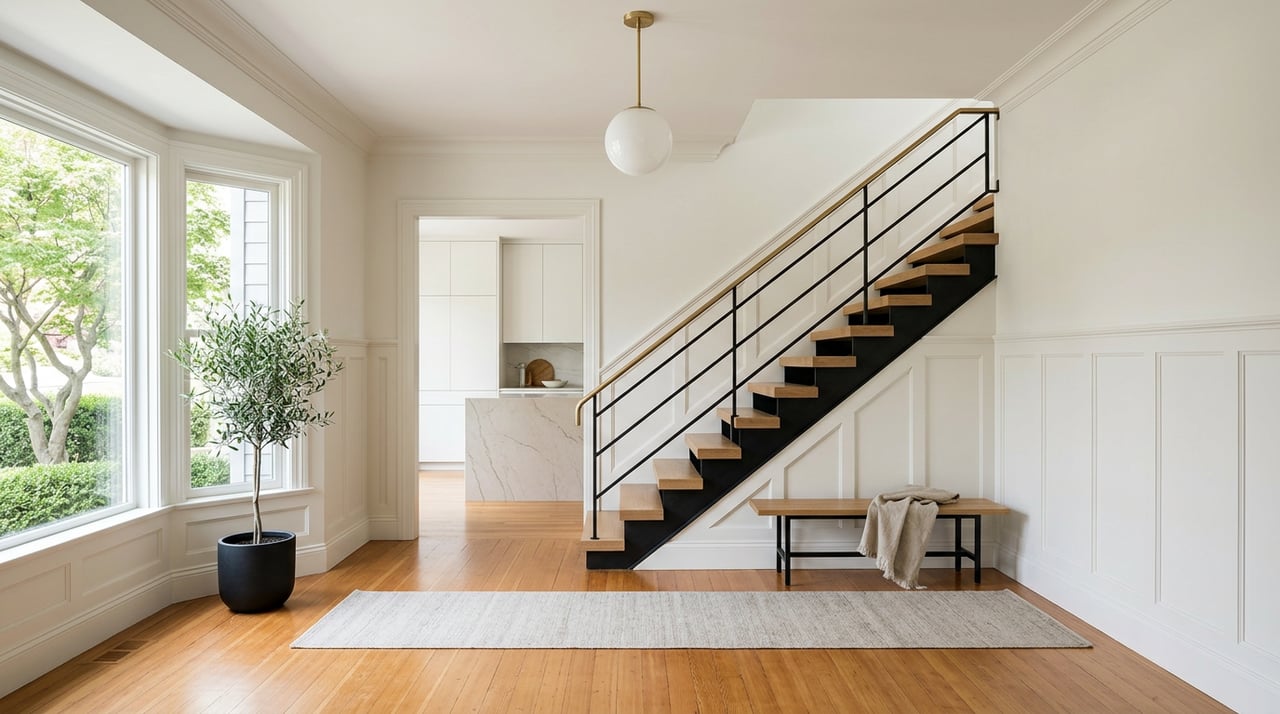
Victorian floor plans typically favor defined rooms like parlors and formal dining, with narrower hallways and stairs. If you value separation of space and period detail, that can feel perfect. Opening sightlines is possible, but it may require structural work and permits. Some visible exterior changes near historic areas can involve additional review.
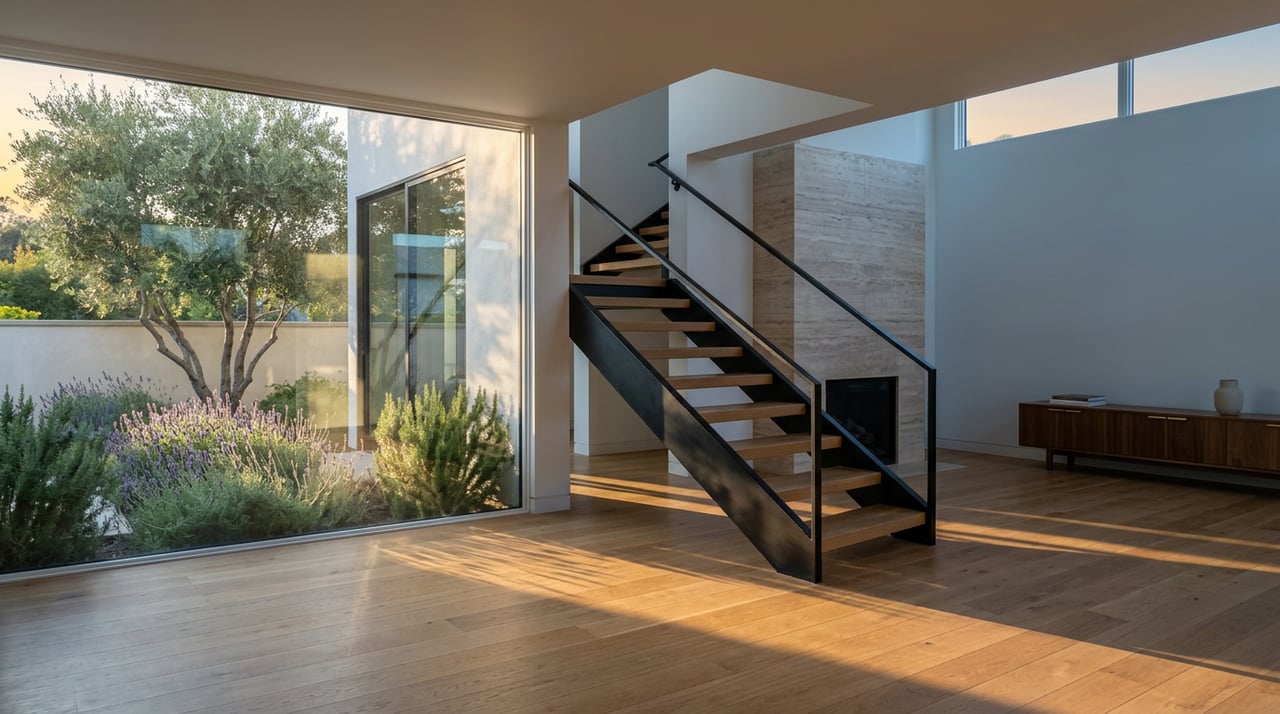
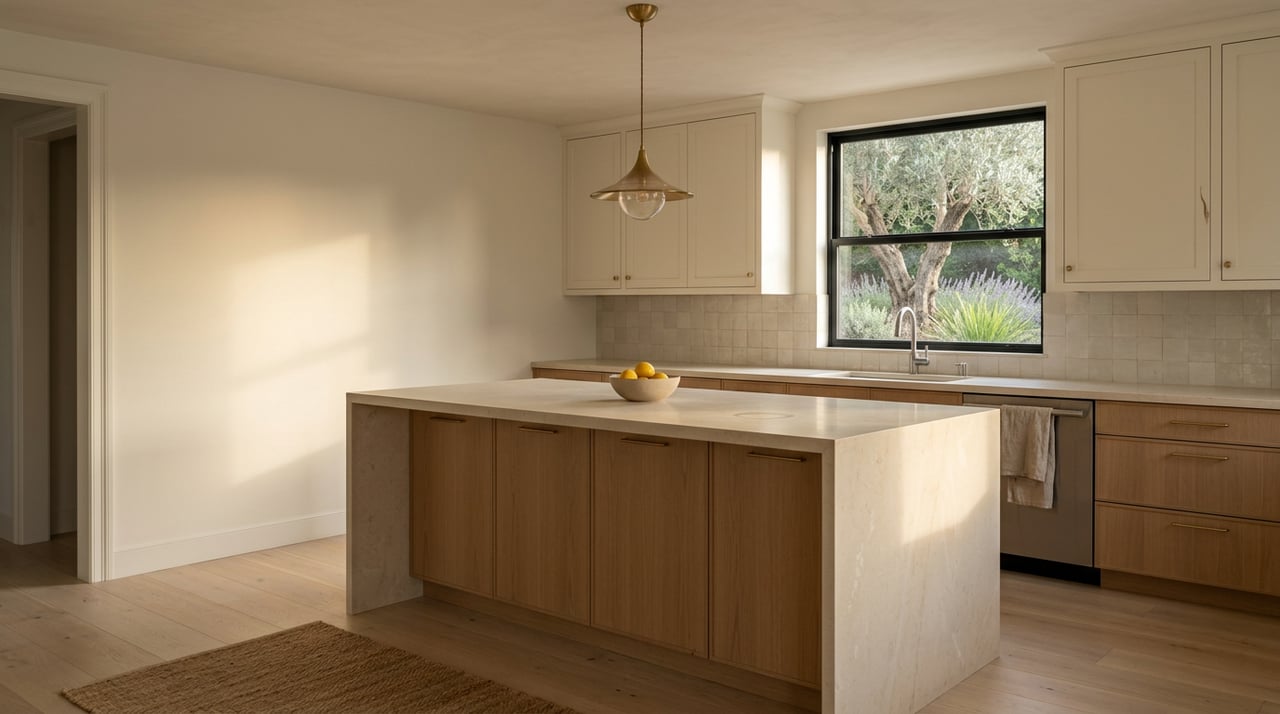
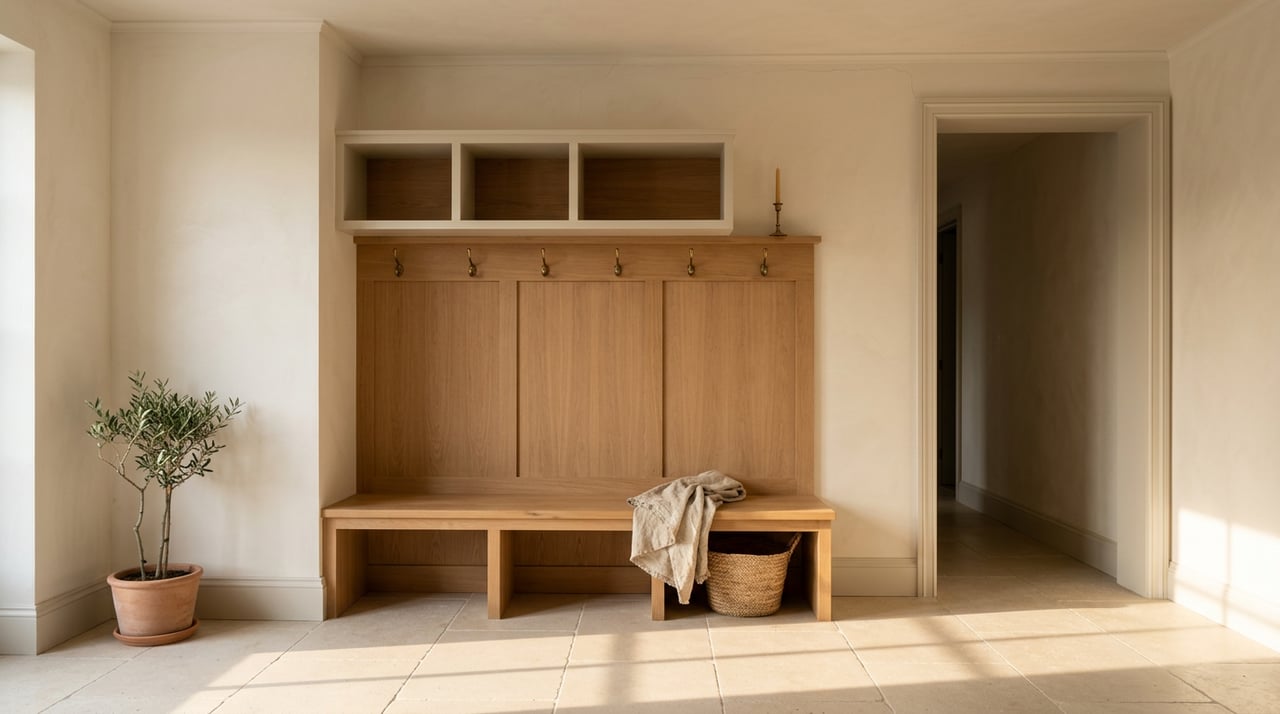
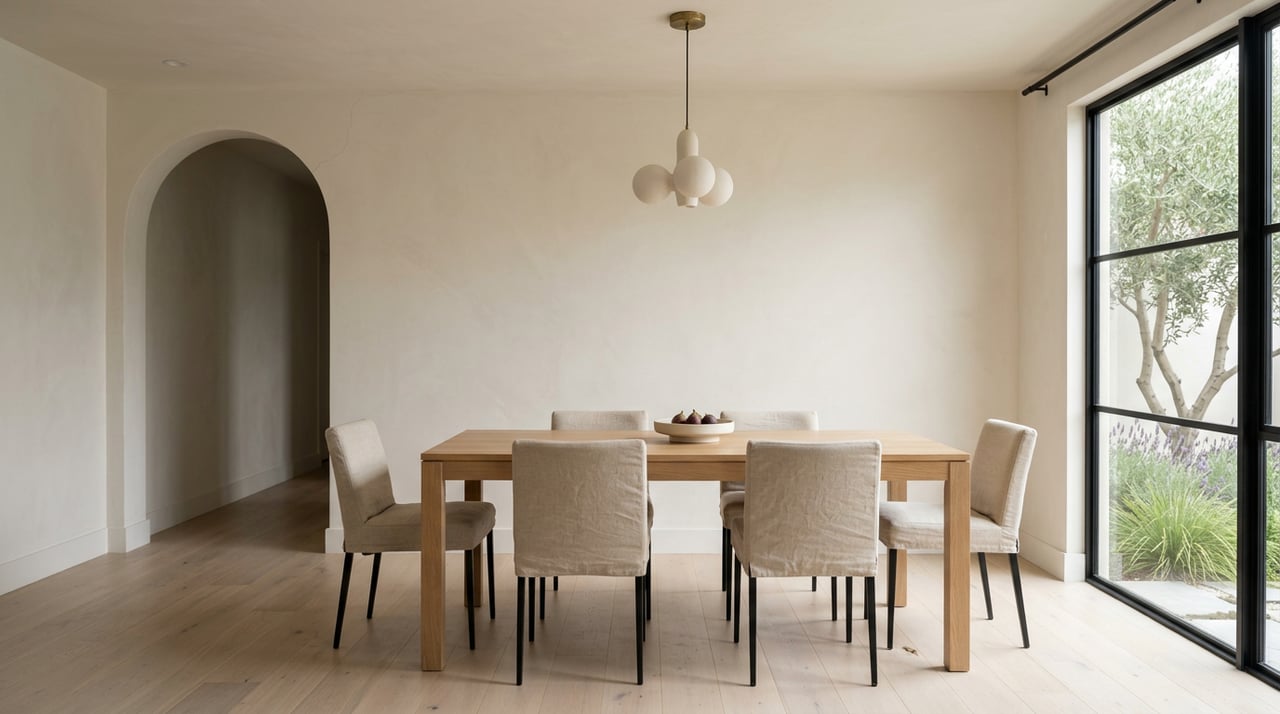
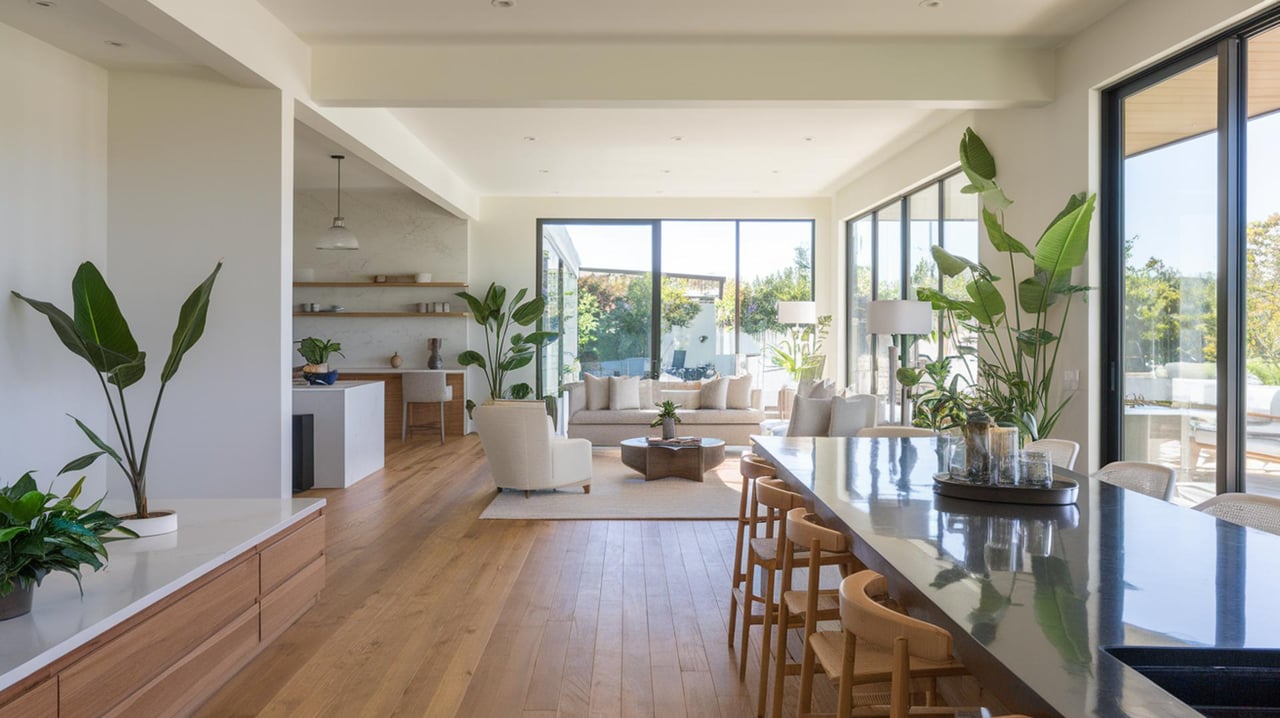
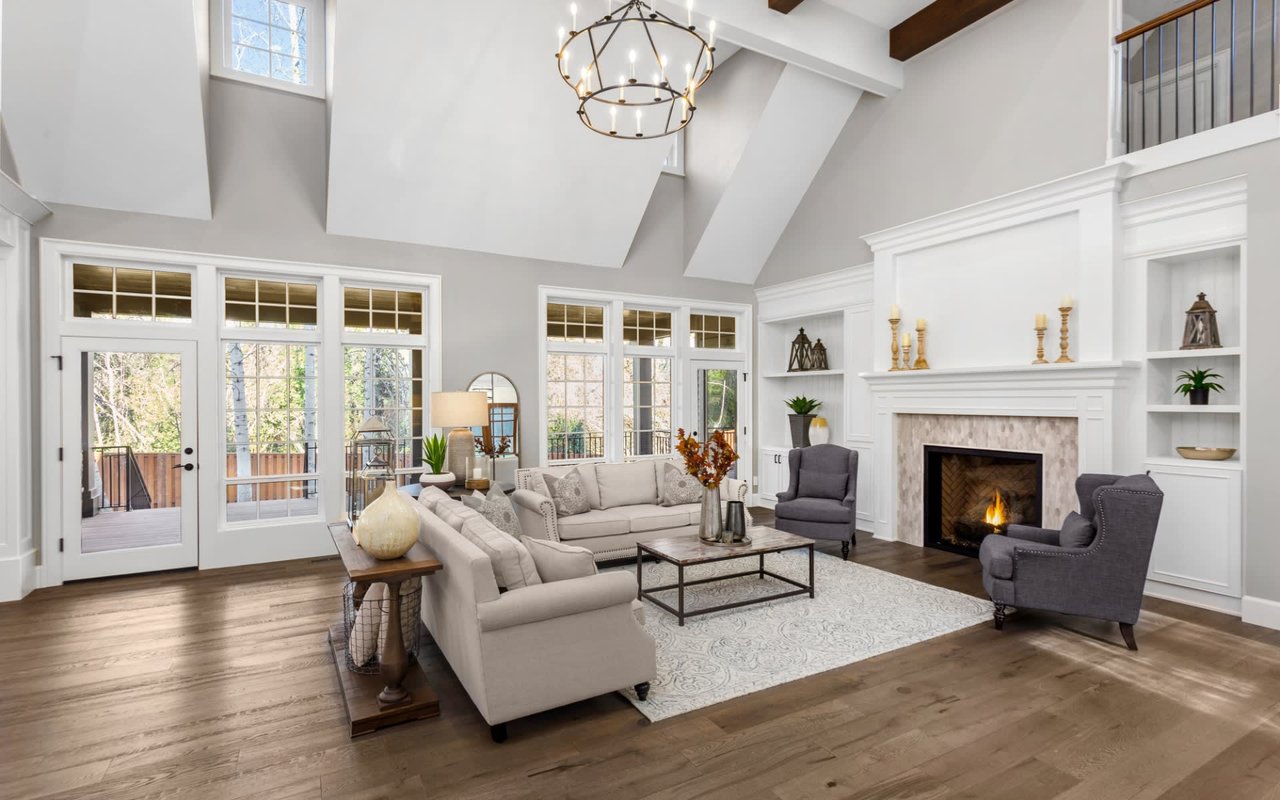
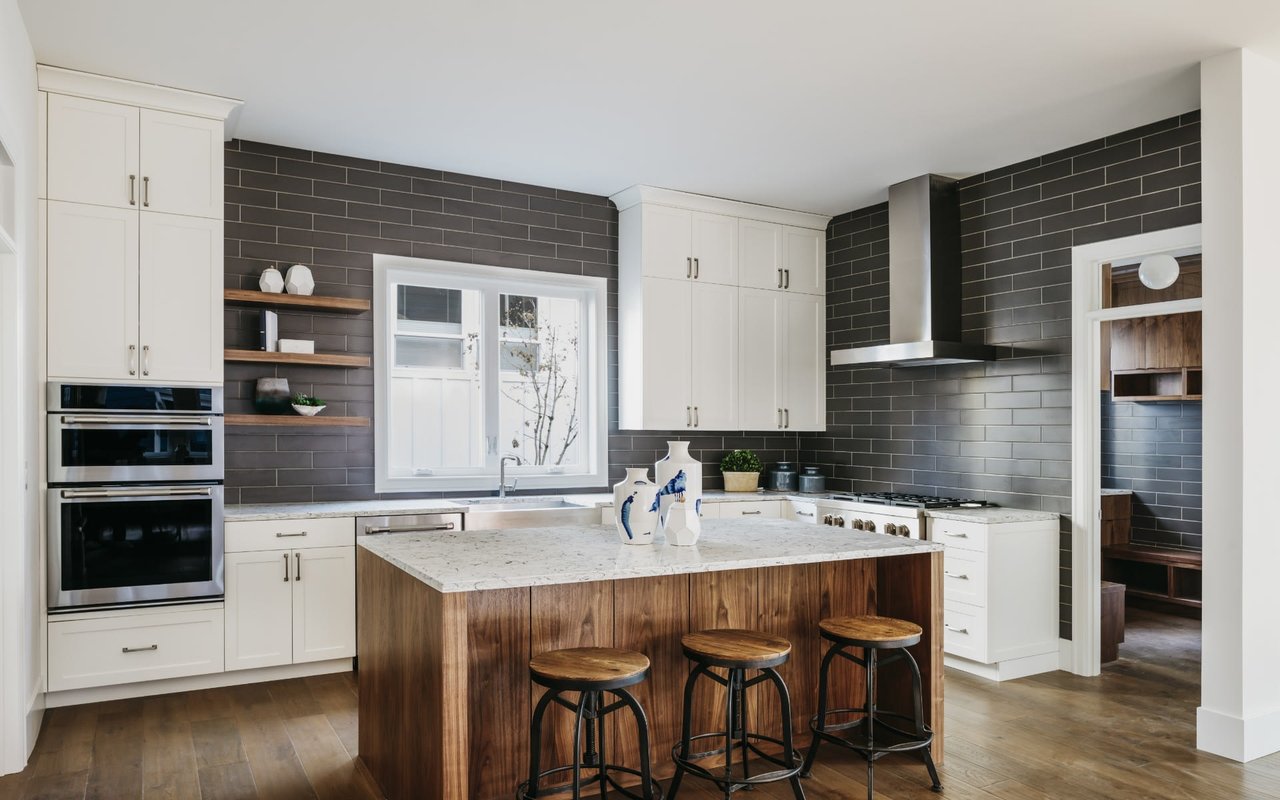
Newer homes lean open plan. You will often find a central kitchen with island, a great room, larger primary suites, and a practical flow for laundry, mudrooms, and garage entry. If you want move‑in ease and a modern layout from day one, later‑built neighborhoods are a better fit.
Energy and efficiency
Many older homes start with single‑pane windows, limited insulation, and aging HVAC or water heaters. Upgrading comfort and energy performance usually happens in stages: air sealing, insulation, windows, and equipment like heat pumps and efficient water heaters. BayREN offers advisory services, vetted contractor referrals, and select rebates to help reduce costs. Explore BayREN’s programs before you plan work.
Federal credits may also be available for certain energy upgrades placed in service during current program years. The IRS maintains the latest rules for the Energy Efficient Home Improvement Credit. Confirm eligibility and documentation before you rely on a credit in your budget.
Outdoor space and lot tradeoffs
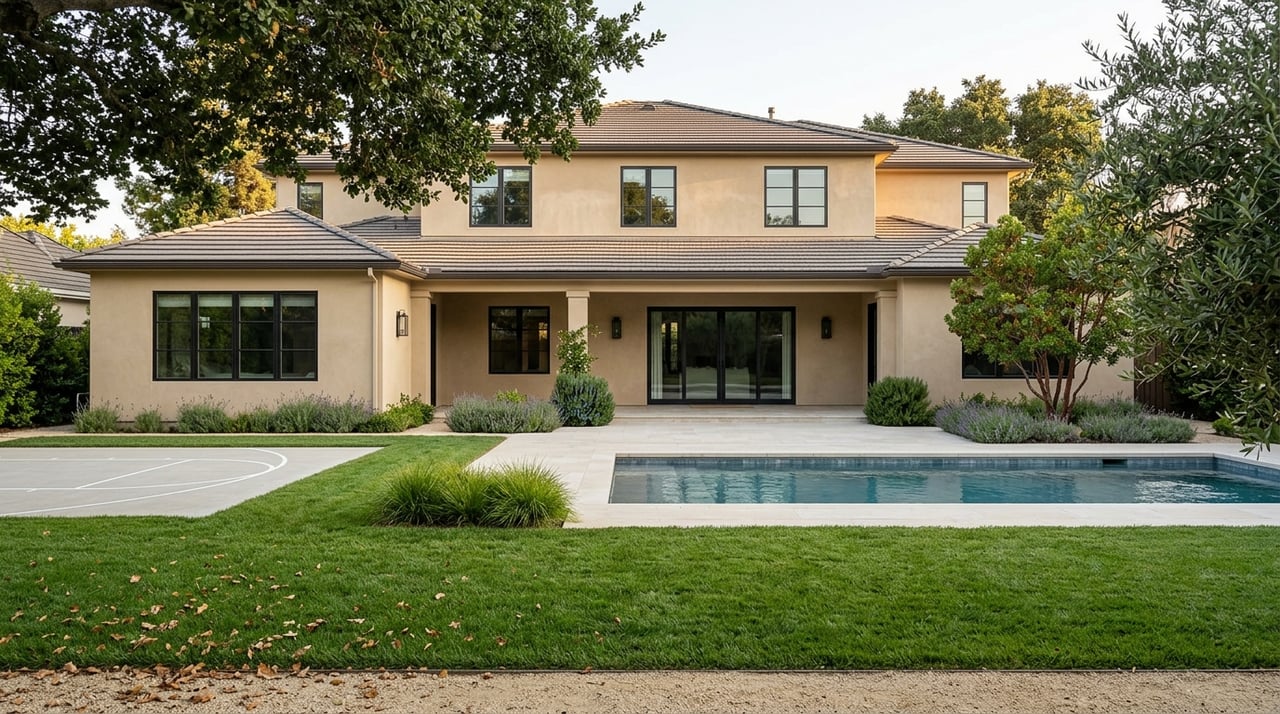
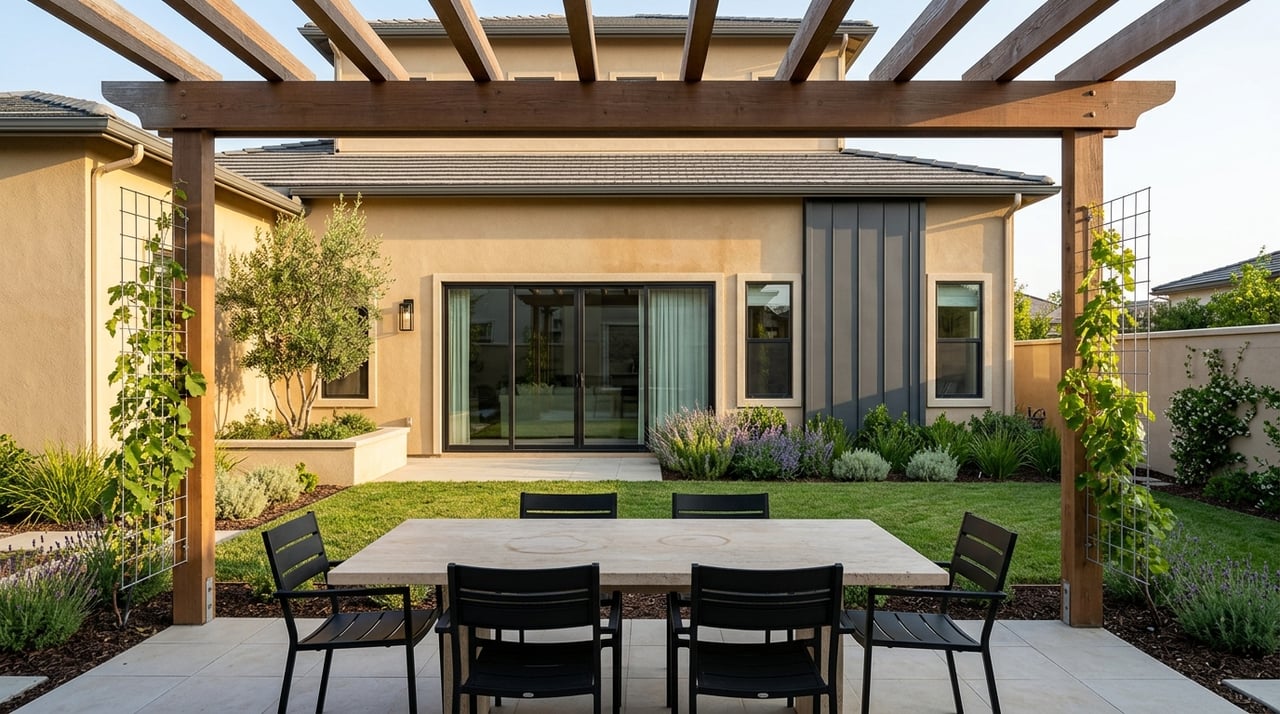
Downtown lots vary widely. Some Victorians sit on compact parcels close to amenities, while a few historic properties retain larger lots. Read parcel lines carefully and note any city easements. Newer subdivisions typically deliver predictable backyards, clear setbacks, and room for play areas or a pool.
Commute, parking, and walkability
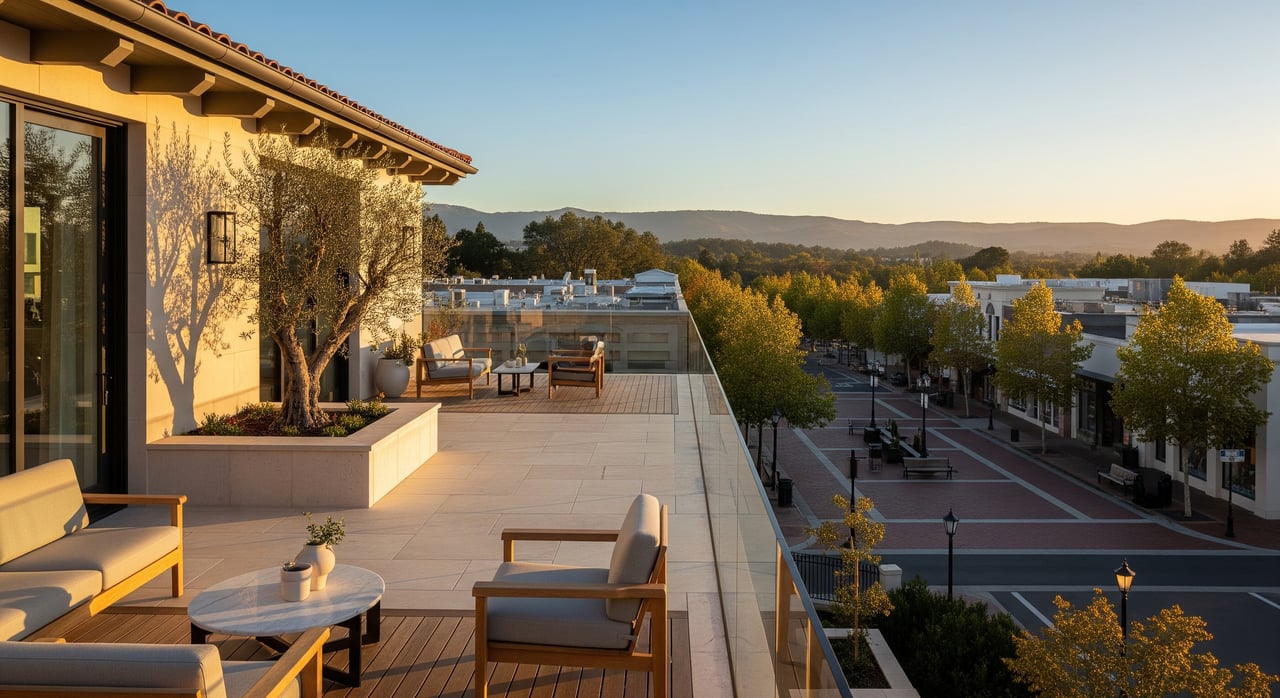
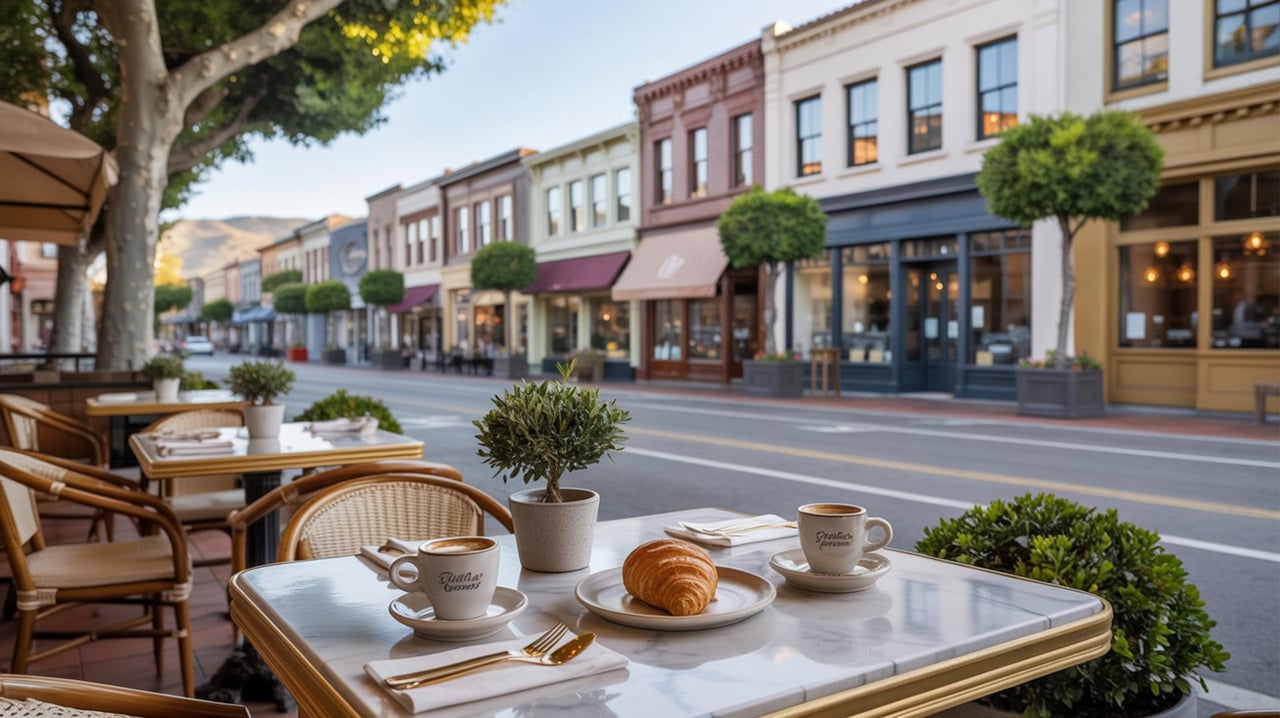
Downtown locations excel at walkability to restaurants, the farmer’s market, and community events. Many newer areas are more car‑oriented and offer easier freeway access. If you commute to Oakland or San Francisco, the Dublin/Pleasanton BART station can be a strong option. Typical BART rides to San Francisco are about 40 to 52 minutes on published schedules, not including station access and parking time. Check the Dublin/Pleasanton BART station page for current service details.
Cost planning you can trust
Your choice is not just purchase price. It is also near‑term projects and long‑term maintenance.
Seismic brace and bolt. Many owners pay several thousand dollars for basic bracing and bolting of cripple walls. Grants of up to roughly $3,000 have been available to eligible homes and zip codes in some years. See current details at the CEA’s brace and bolt grants. Actual scope and cost depend on your house.
Electrical updating. If knob‑and‑tube or early aluminum wiring is present, insurers may require remediation. Whole‑house rewiring and panel upgrades can run into the low‑ to mid‑five figures based on size and access. Use a full electrical inspection and get contractor bids before you remove inspection contingencies. The CPSC’s guidance on wiring system fires explains why this matters for safety.
Energy and comfort. Insulation, windows, air sealing, and HVAC upgrades are often phased over time. BayREN can help you plan work and may offer rebates. Review federal credit rules via the IRS page on energy‑efficient home improvements before you count on tax benefits.
Property taxes and assessments. California’s base property tax rate is about 1 percent of assessed value, and local bonds or assessments can add to that. Newer communities may also include HOA dues or special districts. Check parcel‑specific taxes and any supplemental bills with the Alameda County Assessor.
A simple decision framework
Use these prompts to weigh a Victorian near Main Street against a newer Pleasanton home.
Purchase price gap. Compare recent solds in the same micro‑area to see how big the dollar difference is for a similar size and lot.
Required systems work. List what is needed in the first 12 to 24 months: electrical, roof, HVAC, plumbing, foundation or seismic. Get inspection reports and vendor quotes before you write a non‑contingent offer.
Lead paint plan. If the home is pre‑1978, consider testing and, if needed, certified abatement or lead‑safe renovation practices. The EPA’s lead exposure guidance outlines risks and safe practices.
Layout fit. Can you live well in the current plan, or are you expecting a structural remodel to open walls or reconfigure rooms? Allow time for permits and, near historic areas, any required design review.
Commute test. If BART or highway time is critical, run a door‑to‑door trial from each address at peak hours. Check BART station details for schedules and parking updates.
Taxes and dues. Review the current property tax bill, any special assessments, and HOA dues for newer neighborhoods. The Alameda County Assessor explains how assessments work and how a purchase resets taxable value.
Resale story. In your submarket, do buyers pay more for walkable downtown charm or for turnkey open plans with modern systems? Let recent closed comps guide expectations.
Quick profiles: which one fits you
Historic‑first buyer. You prize walkability, period detail, and a one‑of‑a‑kind look. You are comfortable budgeting for systems upgrades and ongoing care, or you are hunting for a fully renovated historic home.
Turnkey‑modern buyer. You want move‑in ease, open sightlines, newer systems, and daily convenience. You prefer to spend weekends enjoying the house rather than renovating it.
If you see yourself in both, create two columns and score each home on layout, commute, yard, near‑term projects, and total monthly cost. A 10‑minute comparison often reveals a clear front‑runner.
How Valerie helps you decide
Choosing between Victorian charm and modern convenience is equal parts numbers and lifestyle. With an MBA‑informed approach and boutique service, Valerie helps you:
- Price the options with local comps and a side‑by‑side cost‑of‑ownership view that includes likely near‑term projects.
- Line up trusted local inspectors and vendors for electrical, seismic, and energy planning, then use findings to inform negotiations.
- Test your real commute and walk‑shed, so your daily routine matches your pick.
- Coordinate timelines if you are selling and buying, with polished listing presentation when you are ready to bring your current home to market.
If you want a calm, data‑backed path to the right Pleasanton home, reach out. Call Val for Value and let a trusted local guide help you compare options with clarity.
Ready to make the choice that fits your life? Connect with Valerie Vicente to get started.
FAQs
Are Pleasanton Victorians more expensive to maintain than newer homes?
- Often, yes. Pre‑1978 homes can involve lead‑safe practices, older wiring can require remediation, and many benefit from seismic bracing and energy upgrades. See the EPA’s lead guidance, the CPSC’s wiring safety notice, and the CEA’s brace and bolt info.
What is downtown Pleasanton like for daily life if I buy a Victorian?
- It is walkable to shops, dining, arts, and community events, with a strong preservation culture that keeps the area’s character front and center. See this look at historic downtown Pleasanton.
What incentives can help with energy or seismic upgrades on an older Pleasanton home?
- BayREN offers advisory services and select rebates for energy upgrades, the IRS lists current federal credits, and the CEA highlights small seismic grants for eligible homes. Check BayREN, the IRS page on energy credits, and the CEA’s grant page.
How long is the BART ride to San Francisco from Dublin/Pleasanton?
- Published schedules show about 40 to 52 minutes on the train, not counting your time to reach and park at the station. Review the Dublin/Pleasanton station page for current service.
What should I review on property taxes if I buy in a newer Pleasanton subdivision?
- Confirm the current tax bill, any voter‑approved assessments, potential Mello‑Roos or special districts, and HOA dues. The Alameda County Assessor explains assessments and how a purchase resets taxable value.