If you want Bay Area access without giving up scenic surroundings, Livermore deserves a close look. You may be drawn in by the vineyards and tasting rooms, but as a homebuyer, you also need to know what daily life, commuting, and housing options really look like. This guide breaks down what makes Livermore distinctive, where its wine-country feel shows up most, and how to decide if it fits your lifestyle. Let’s dive in.
Livermore’s Wine-Country Setting
Livermore is more than a marketing label. Official city and regional sources describe it as the easternmost city in the San Francisco Bay Area, with a strong wine identity anchored by dozens of local wineries. The City of Livermore’s June 2024 financial report references 46 assessed wineries in the district, while local wine sources note more than 50 wineries across the wider valley.
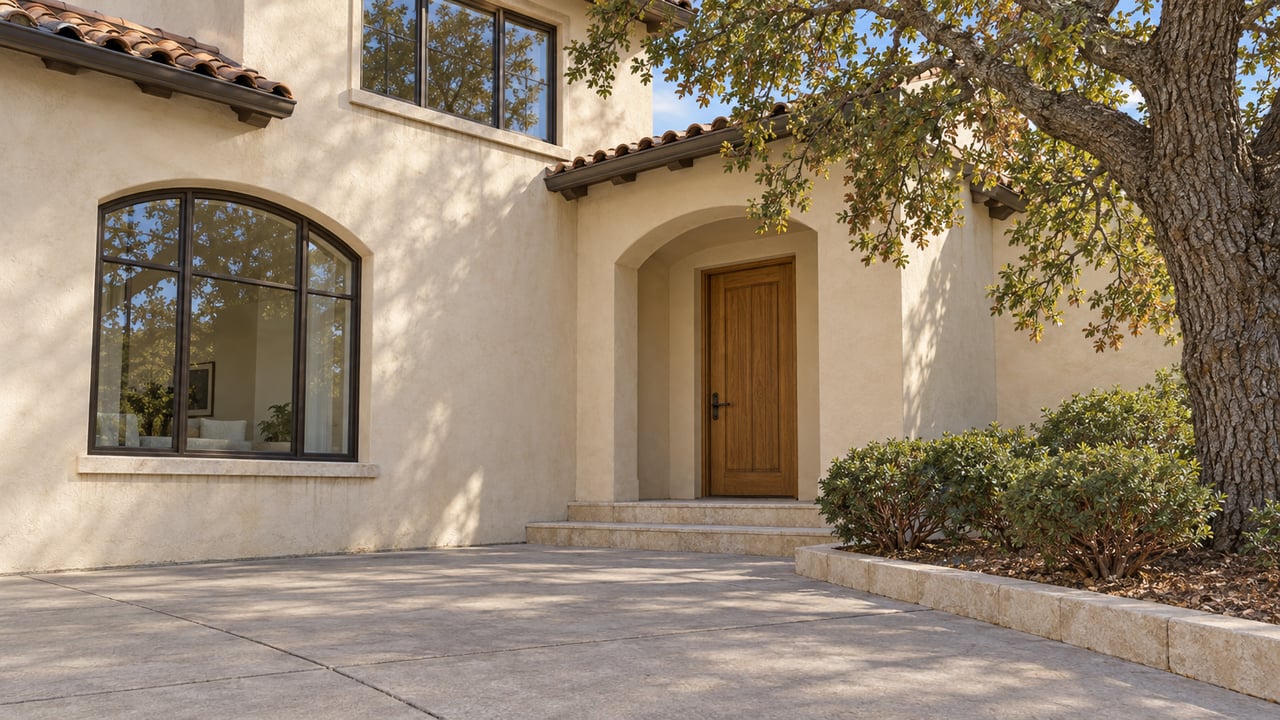
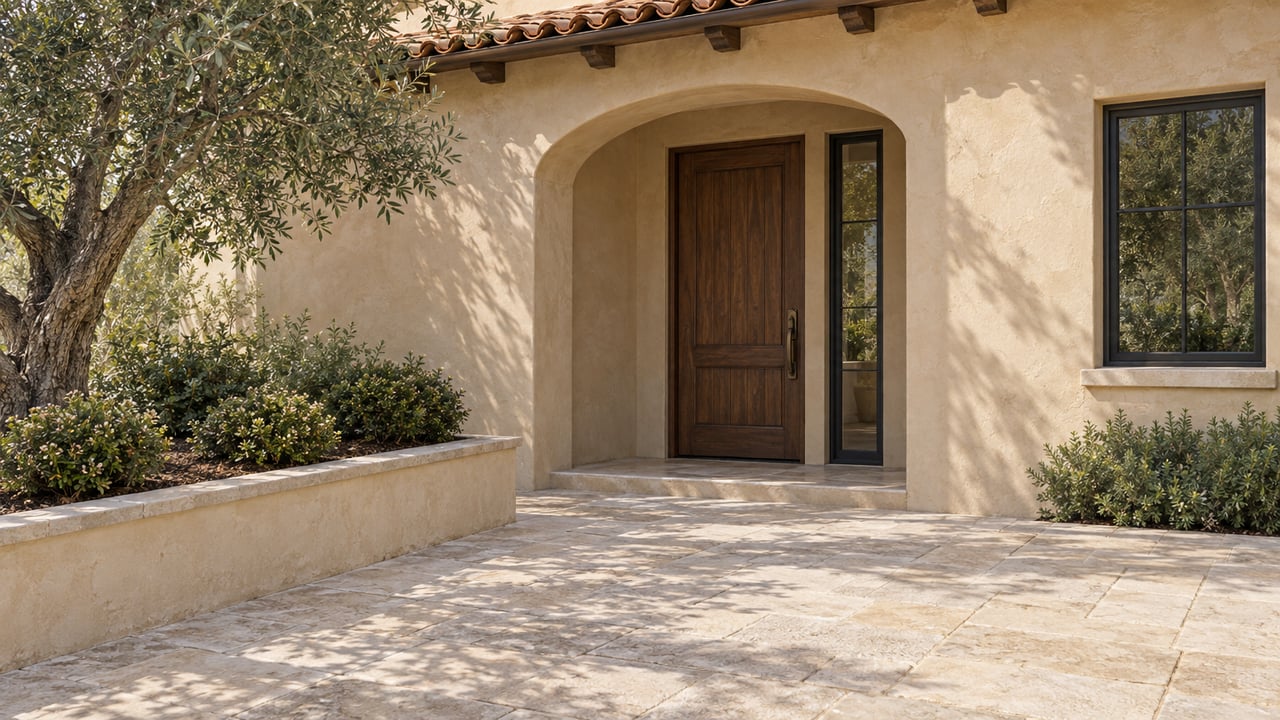
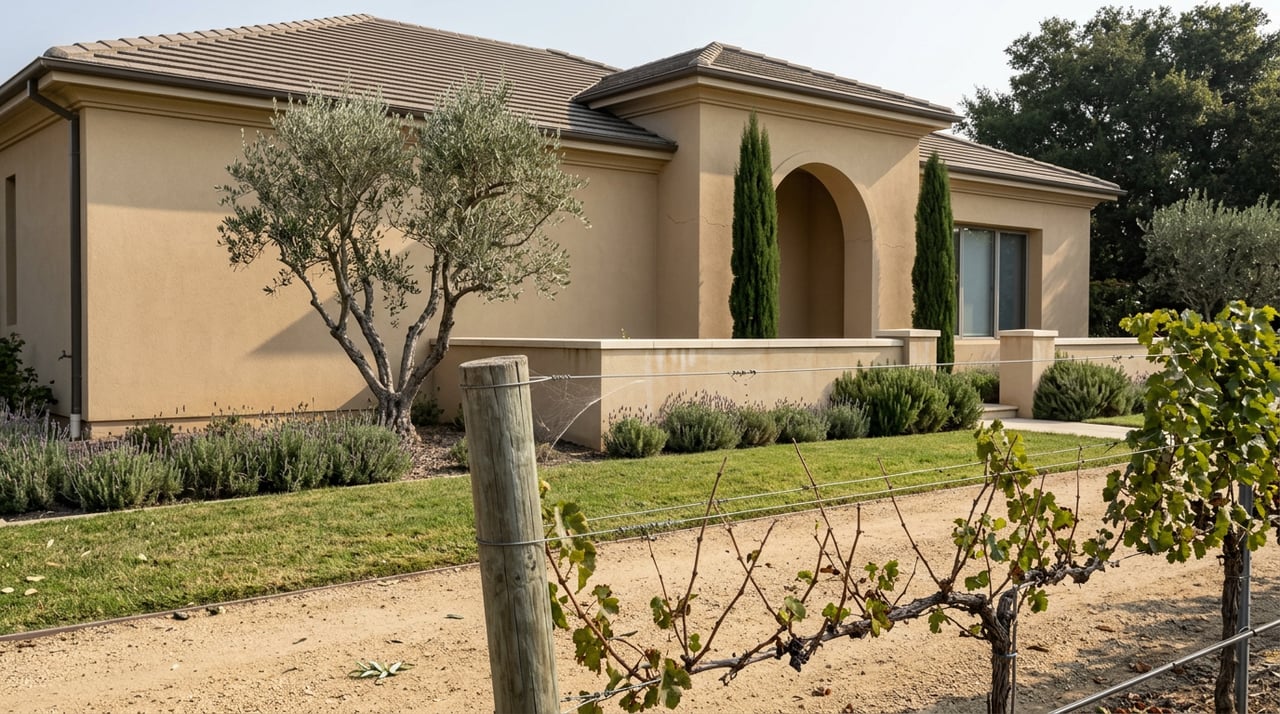
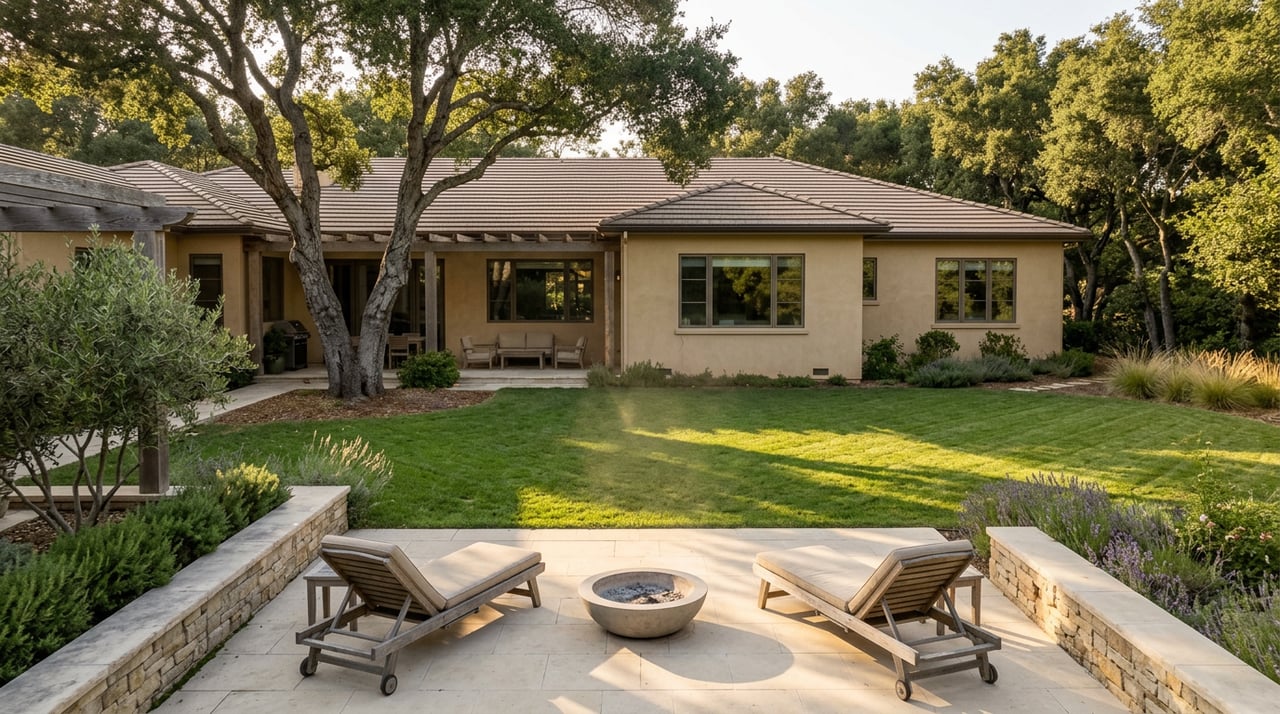
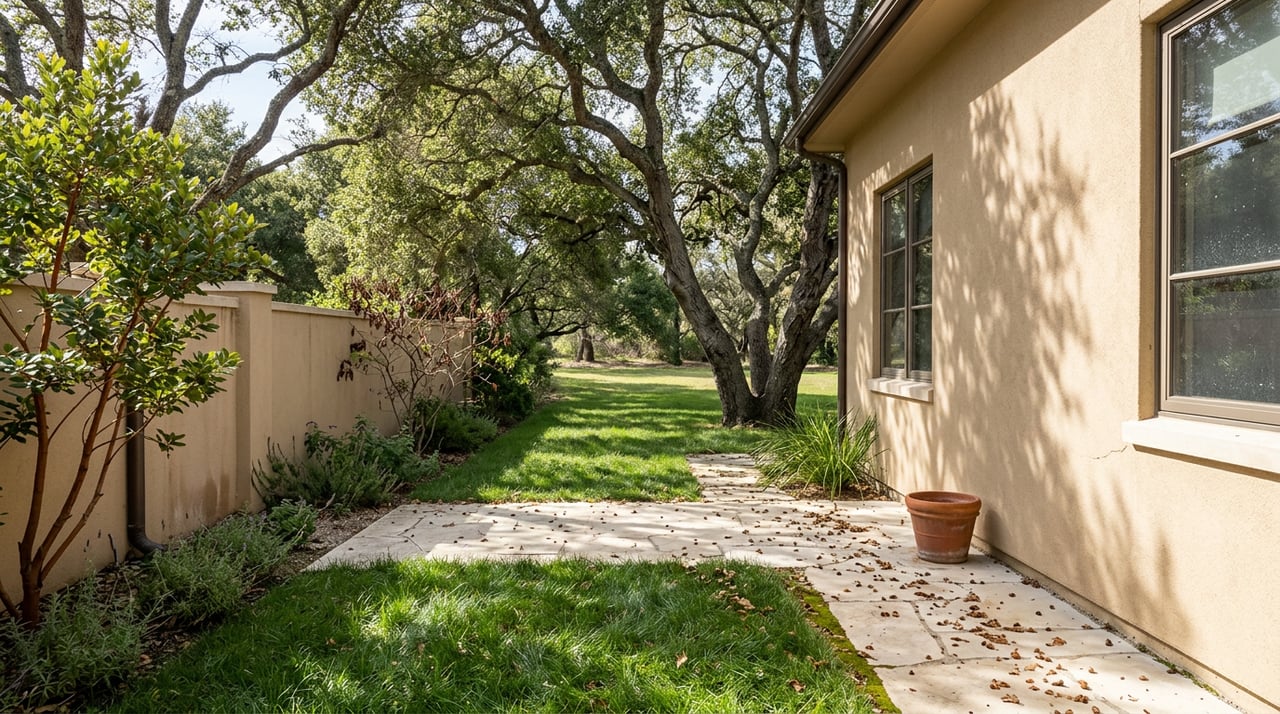
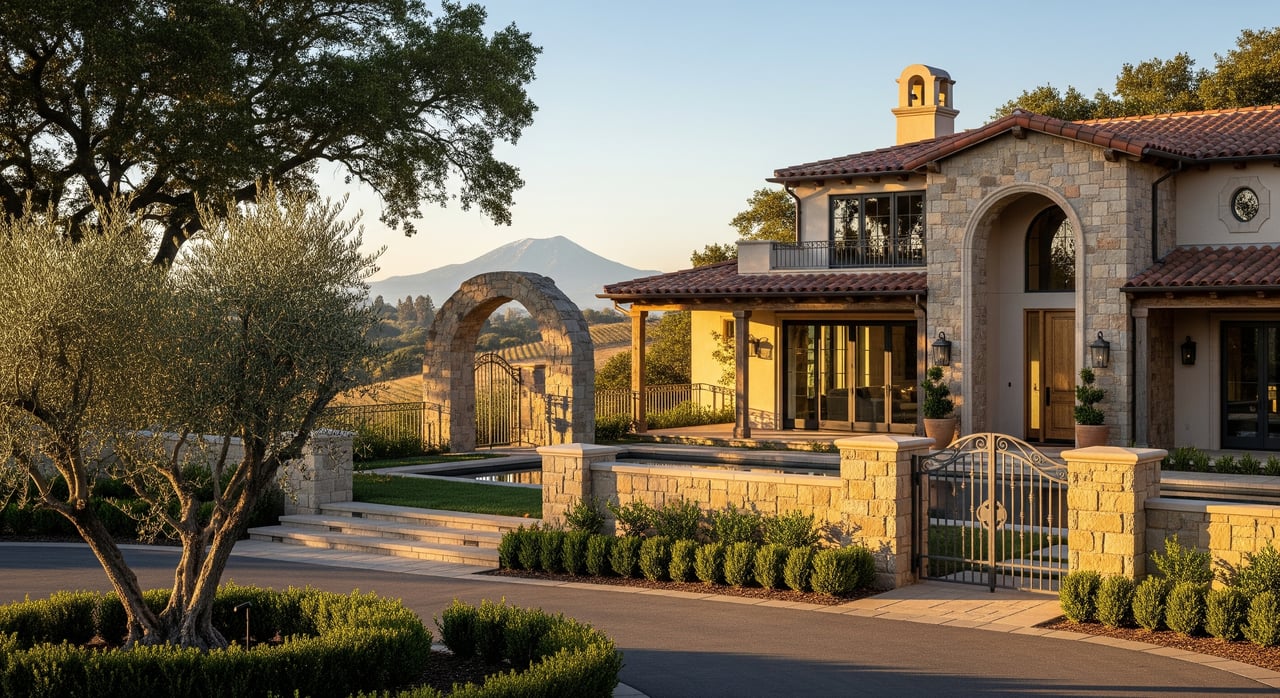
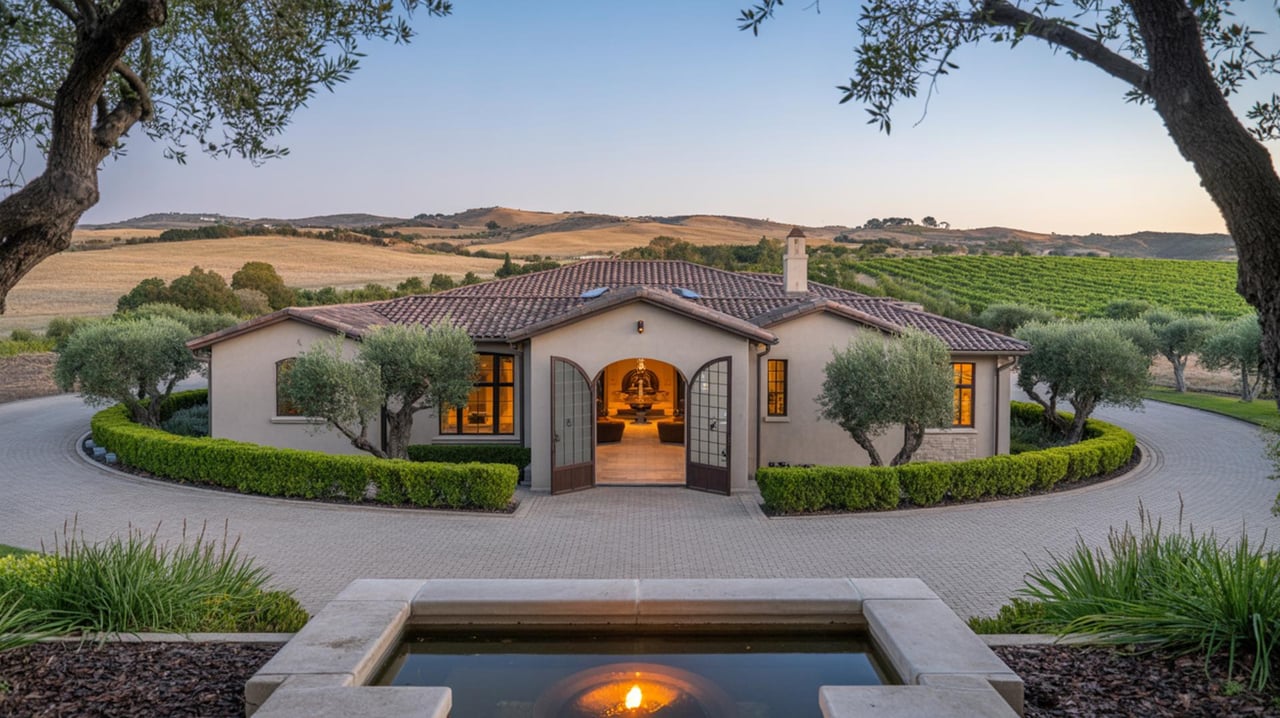
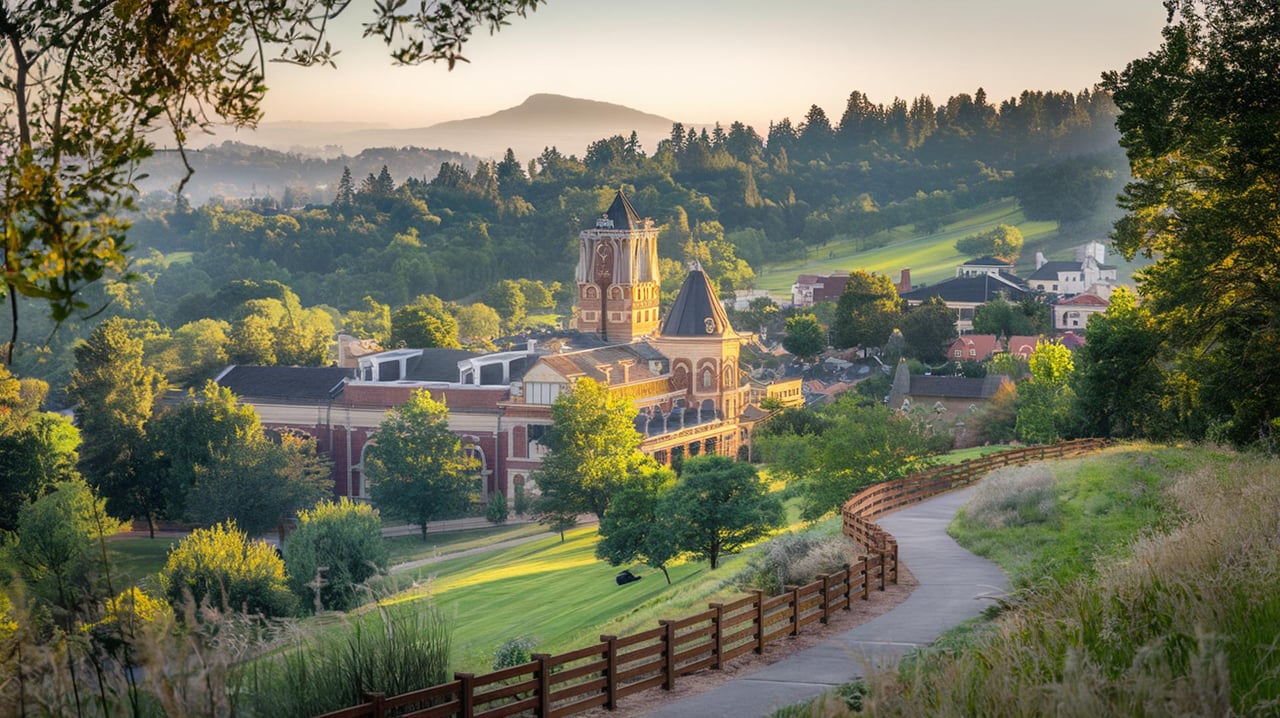
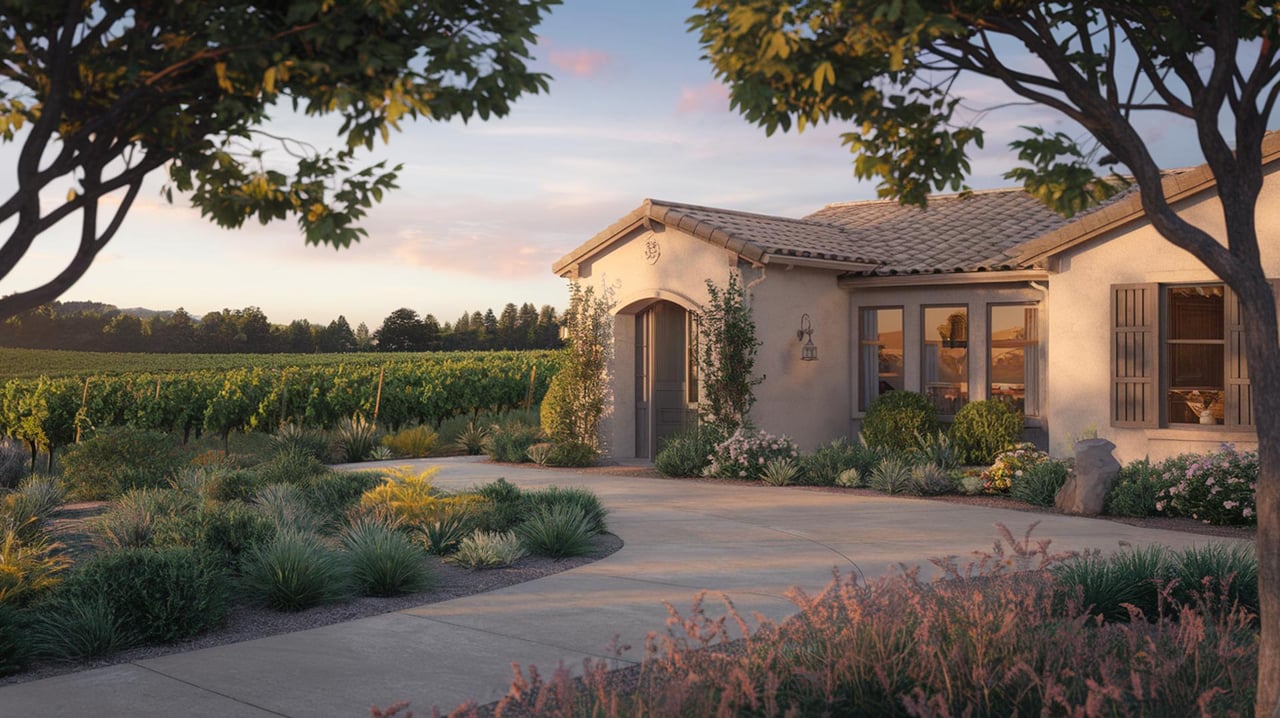
For buyers, the key point is simple: Livermore offers a real wine-country backdrop, but it still functions as a suburban city. According to the city’s community character planning documents, hills, ridgelines, vineyards, ranch land, and open space help define the landscape. At the same time, many residential areas follow familiar suburban development patterns, so your day-to-day feel can vary a lot depending on where you buy.
What Daily Life Feels Like
Downtown Livermore
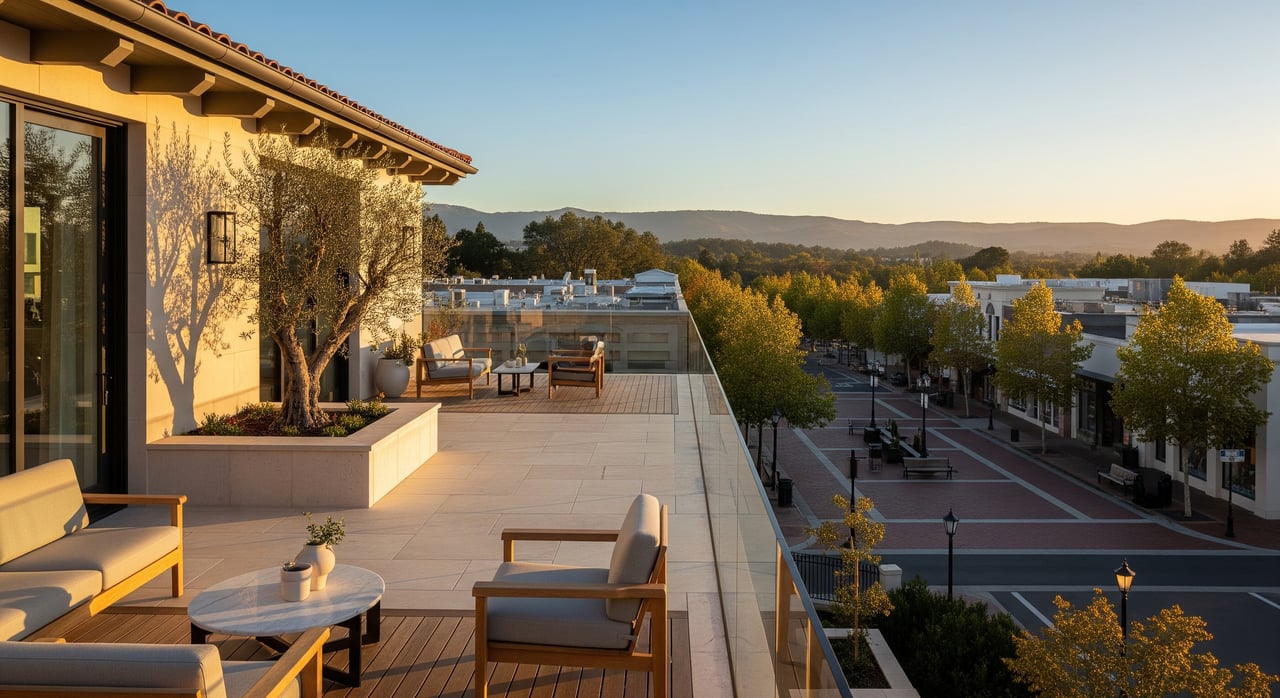
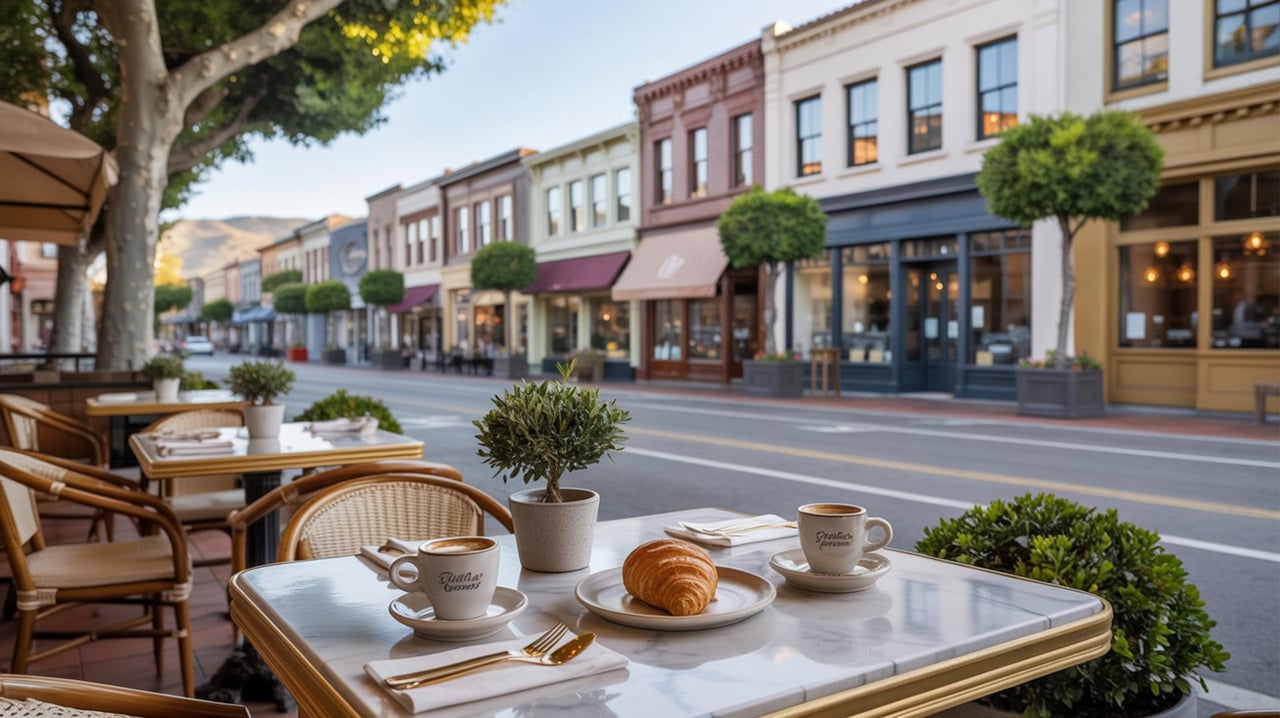
Downtown is the social center of the city. The Downtown Specific Plan describes downtown as the heart of Livermore and a pedestrian-friendly commercial and entertainment district. First Street and historic Blacksmith Square continue to shape the walkable, small-city character many buyers look for.
That identity is not just on paper. In the city’s 2025 National Community Survey, 87% of residents rated downtown and commercial vibrancy positively. If you want a place where you can enjoy restaurants, local shops, and community events without needing a major urban core, downtown Livermore is a meaningful part of the value.
Arts, Dining, and Events
Livermore’s cultural scene adds depth to the wine-country image. Livermore Valley Arts highlights venues such as the Bankhead Theater and Bothwell Arts Center, and its ArtWalk features more than 200 artists alongside boutiques, tasting rooms, and restaurants. That gives downtown more than a simple dining-and-shopping role.
In practical terms, this means Livermore offers more activity than some buyers expect from a suburban location. You are not buying into a dense nightlife district, but you are getting a city with a real arts presence and a recognizable downtown rhythm.
Outdoor Access
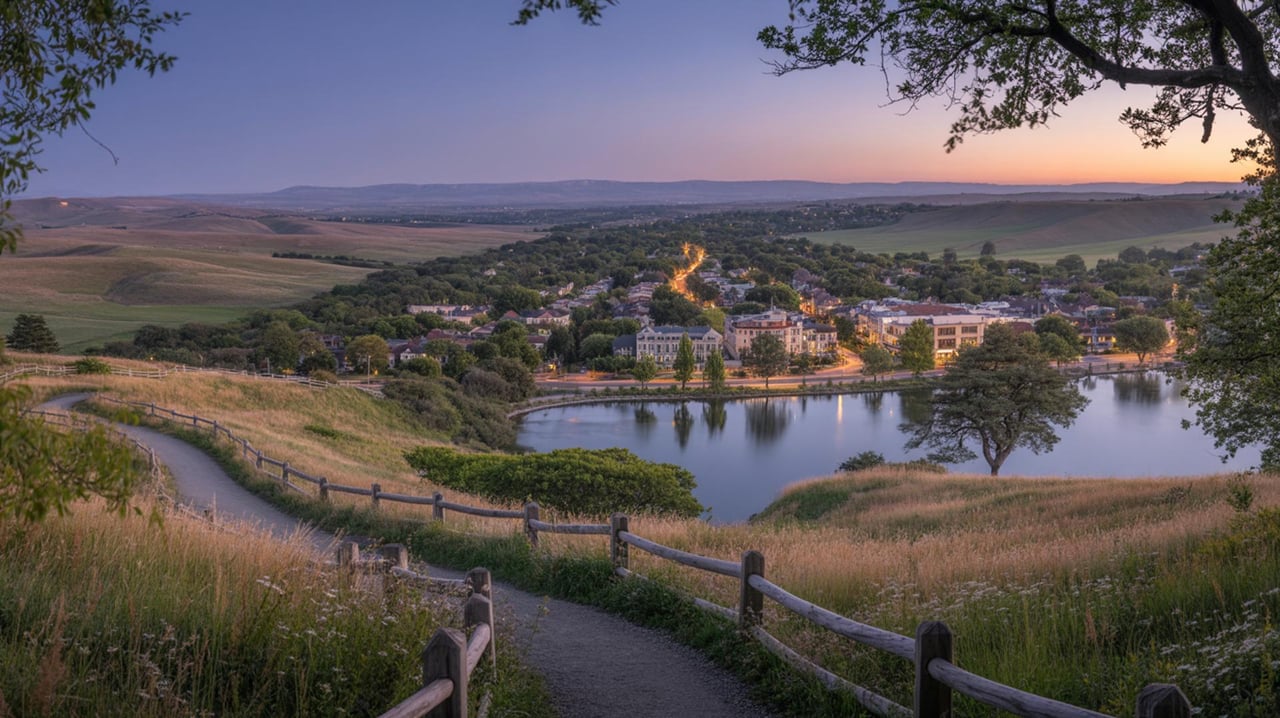
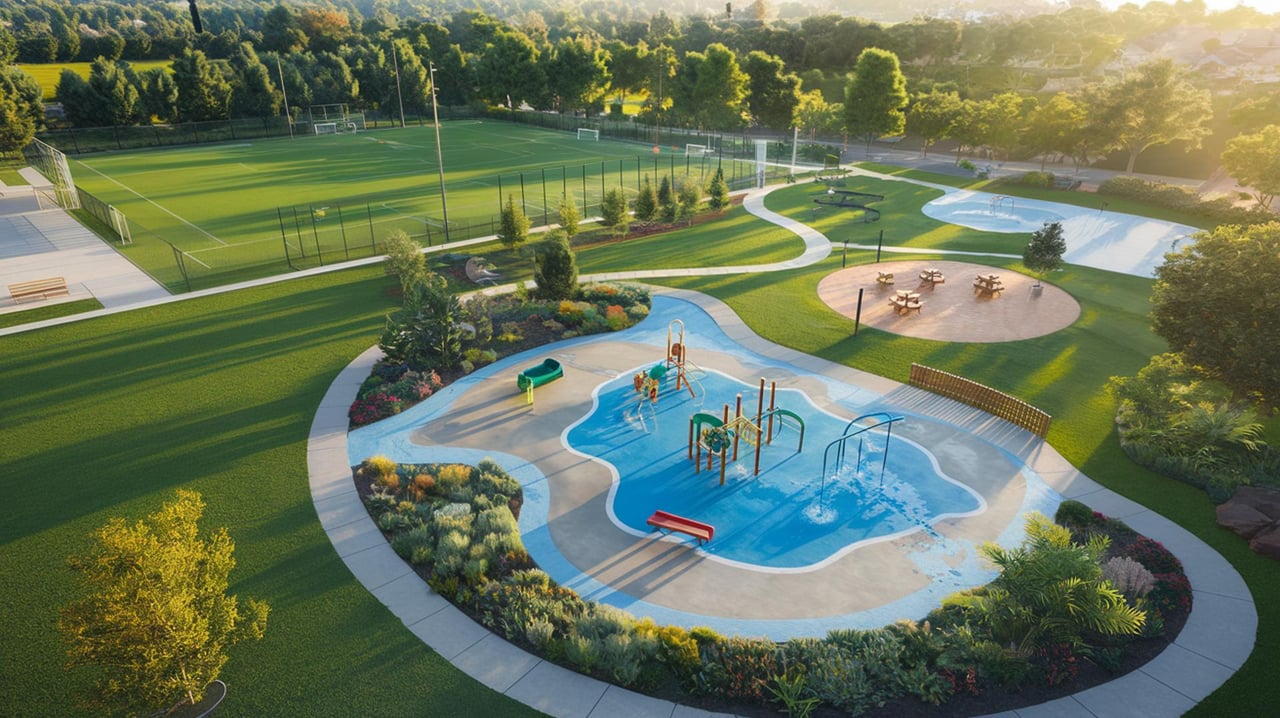
Outdoor time is part of everyday life in Livermore. The city’s open-space and conservation program and LARPD system protect habitat, working lands, and trails around the community. Areas such as Sycamore Grove, Brushy Peak, Holdener, and Garaventa Wetlands help reinforce the city’s connection to open land.
LARPD also identifies the South Livermore Valley Trail and Arroyo Mocho Trail as two of the main routes that cross town. For homebuyers, that means scenery is not just something you drive to on weekends. In many parts of Livermore, it is part of the backdrop of daily living.
Commute and Connectivity
A Livermore move often comes down to one practical question: how will your commute work? The city notes access to I-580 and I-680 and proximity to the Bay Area airport system in its financial report. Census QuickFacts puts the city’s mean travel time to work at 30.1 minutes for workers age 16 and older.
That number gives useful context, but your own routine matters more. Livermore can be a solid fit for hybrid schedules, local employment, or selective reverse commutes. It may be less appealing if you need a consistently short trip to a destination that does not align well with freeway or transit options.
Transit is stronger here than many buyers assume. ACE service information confirms stops at Livermore Vasco Road and Livermore Downtown, and Wheels Route 30R connects the Livermore Transit Center, downtown ACE area, Lawrence Livermore National Laboratory, and the Dublin/Pleasanton BART station. Some households can mix driving, rail, and bus use depending on the trip.
Livermore also benefits from a meaningful local job base. The city identifies Lawrence Livermore National Laboratory and Sandia National Laboratories among its major employers, along with the school district, community college, park district, and municipal airport. If you work locally or within the Tri-Valley, that can significantly change your buying calculus.
Housing Patterns Across Livermore
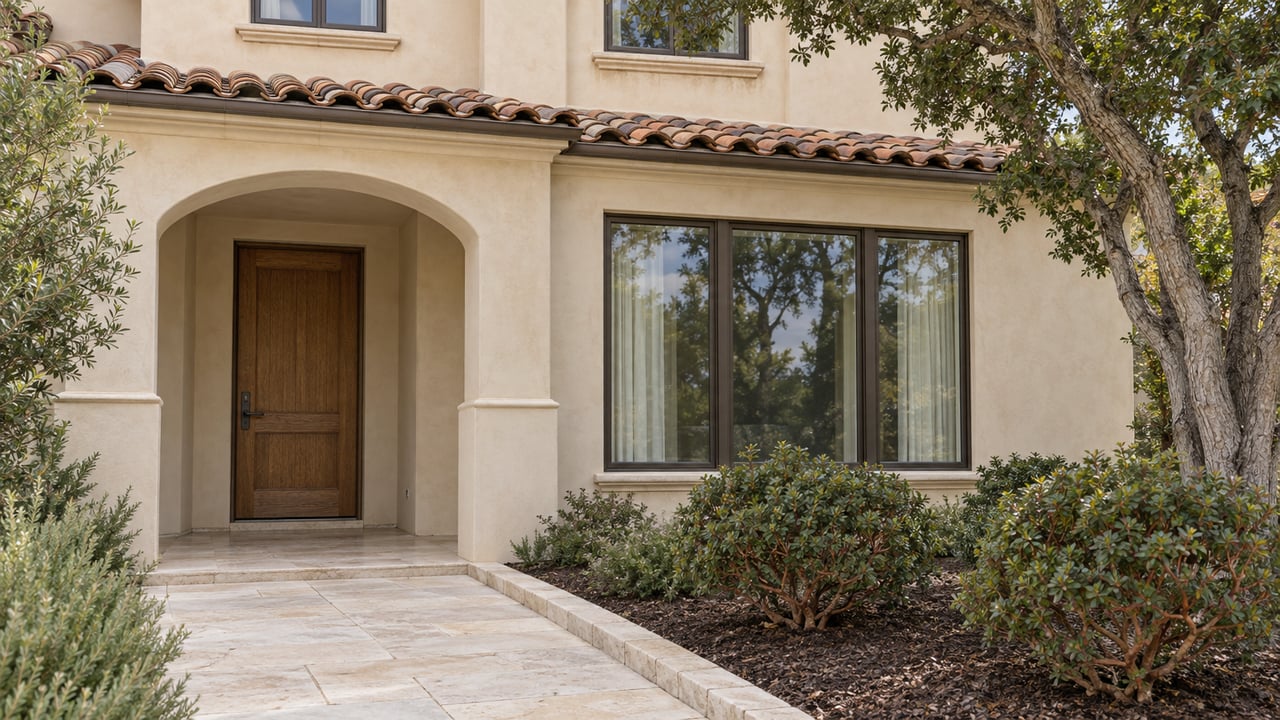
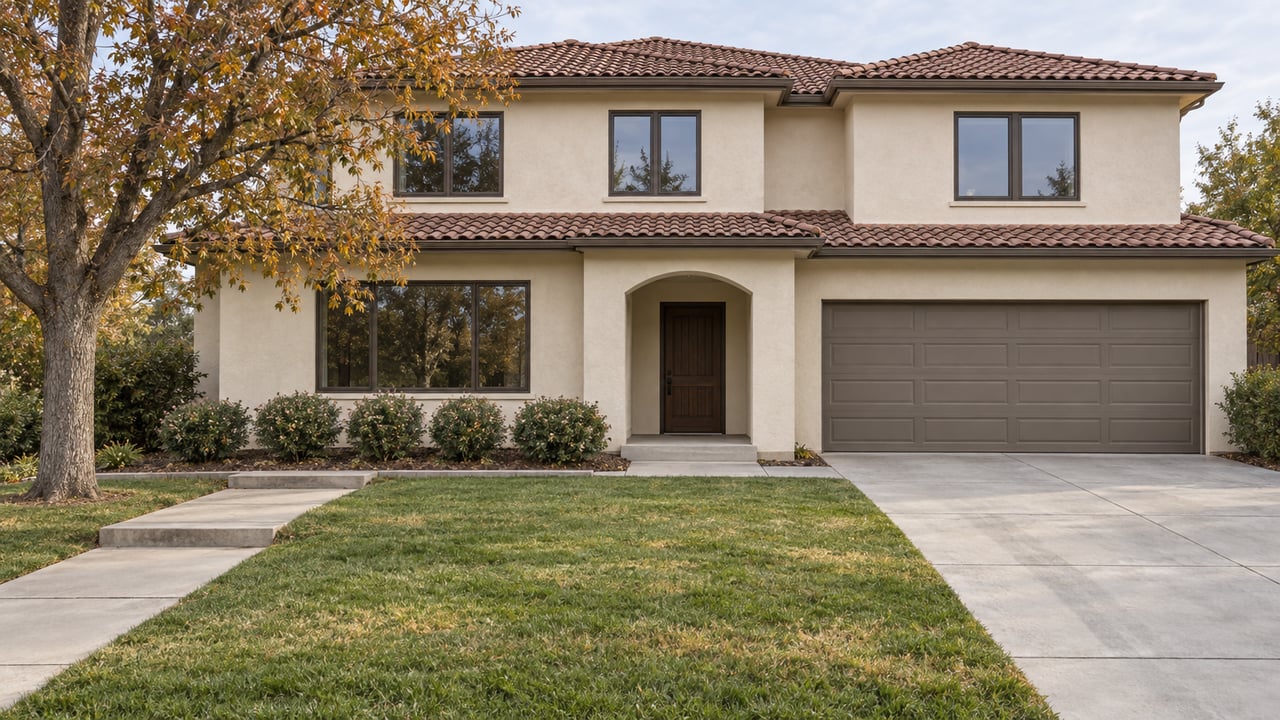
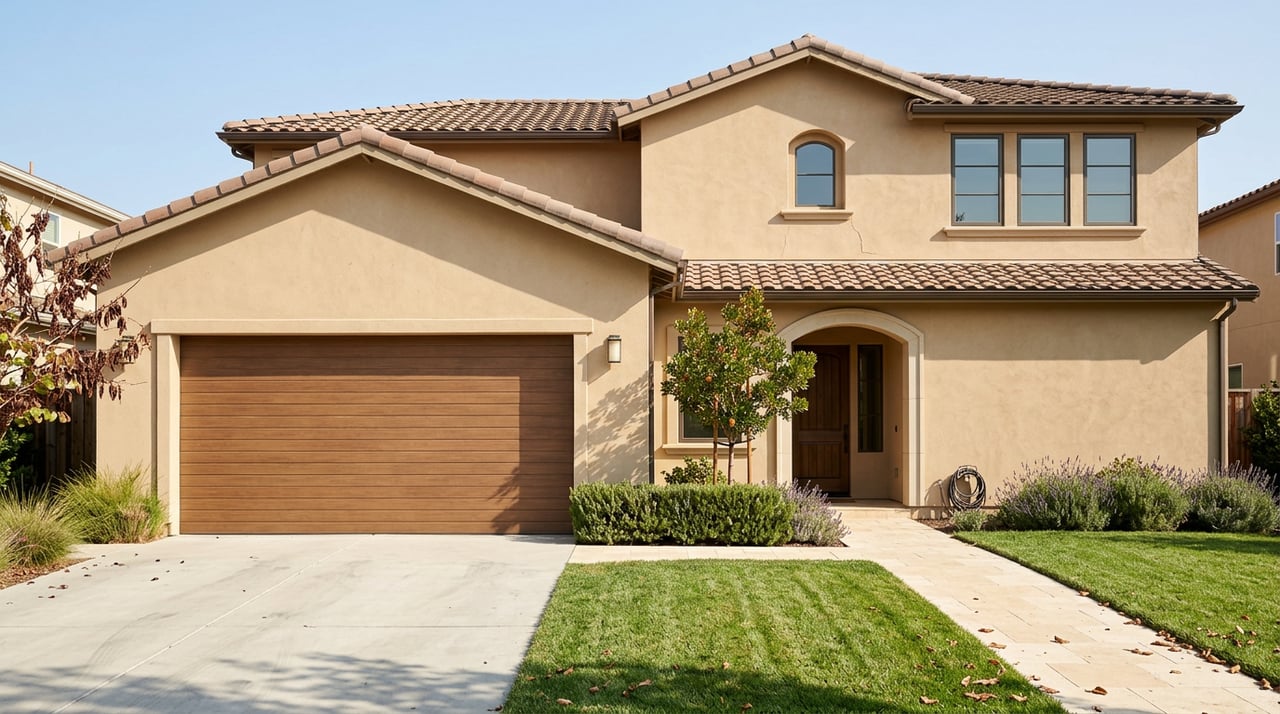
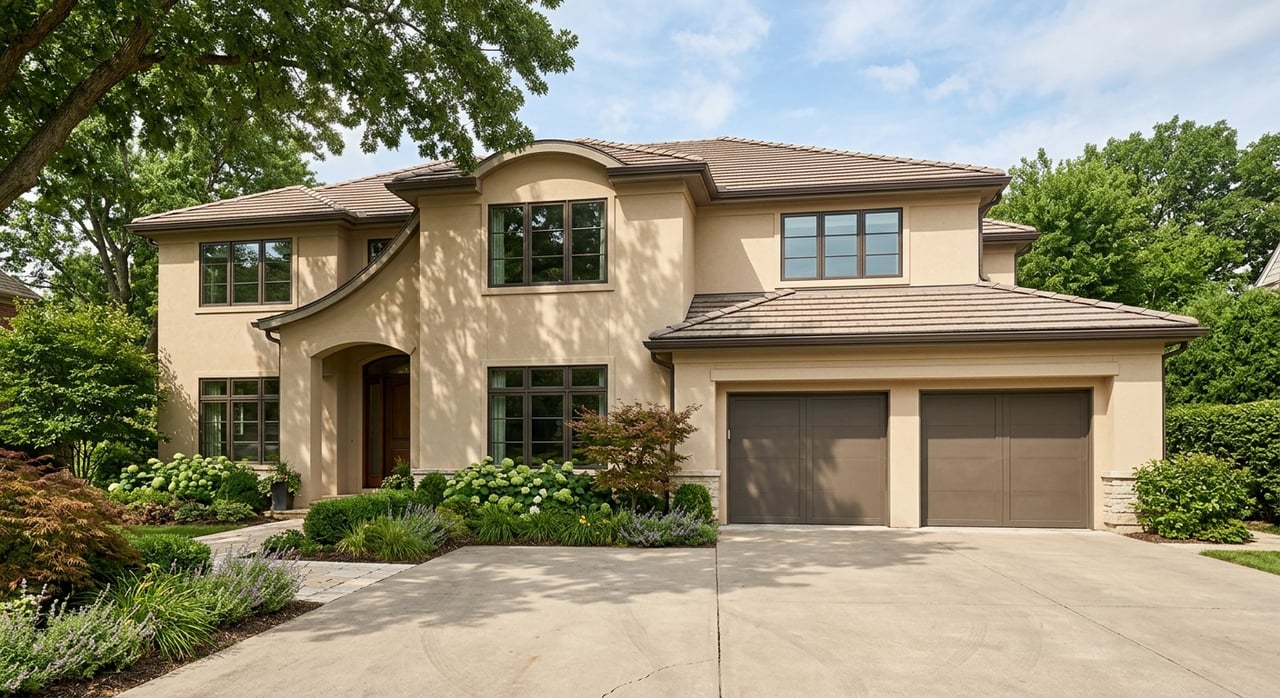
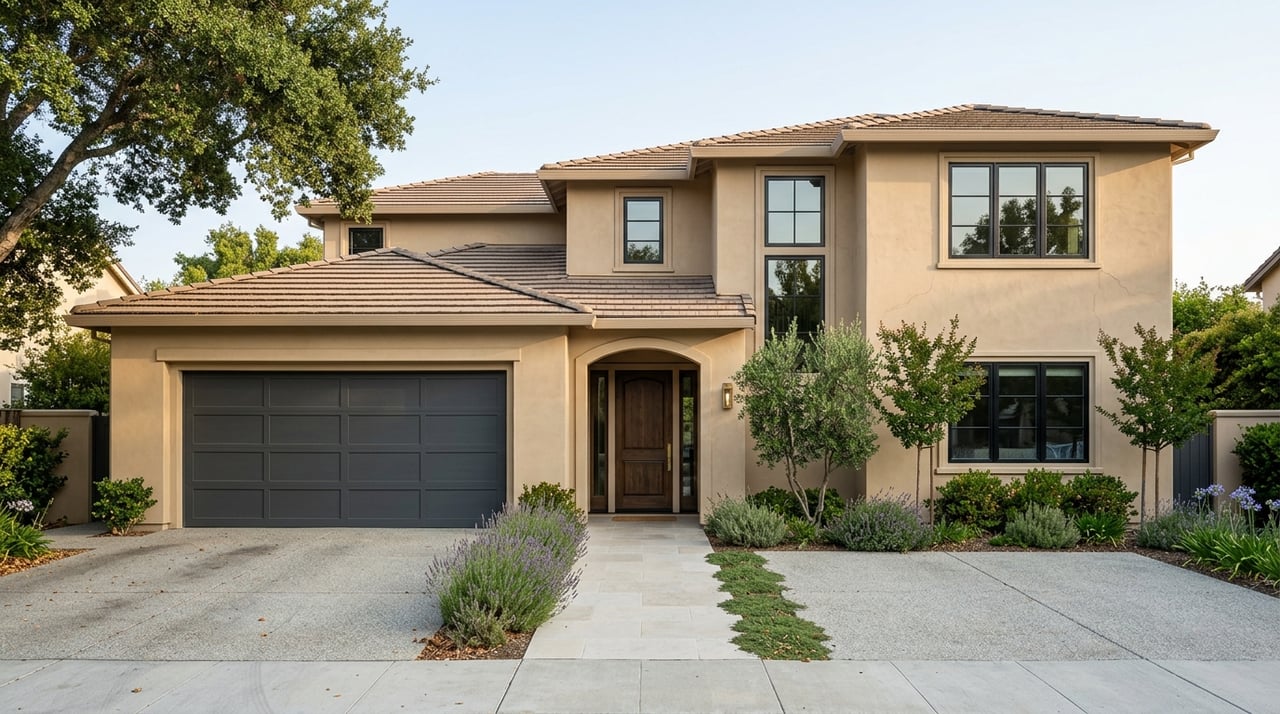
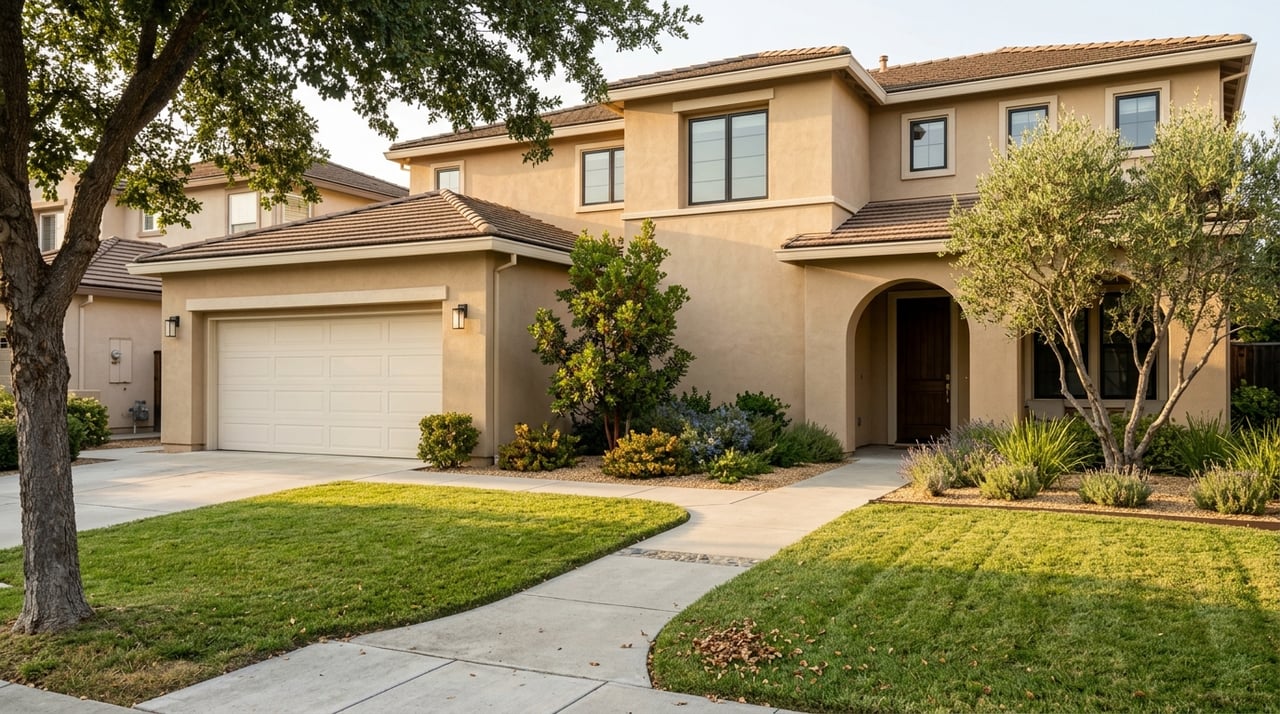
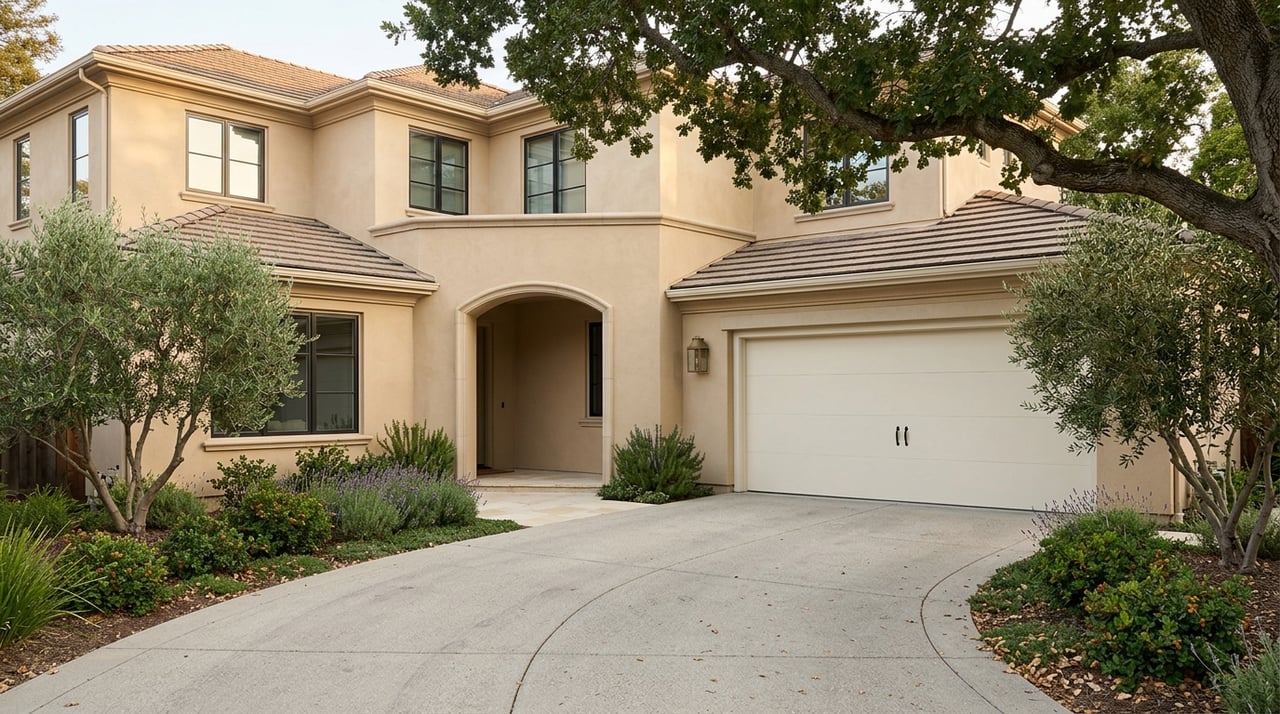
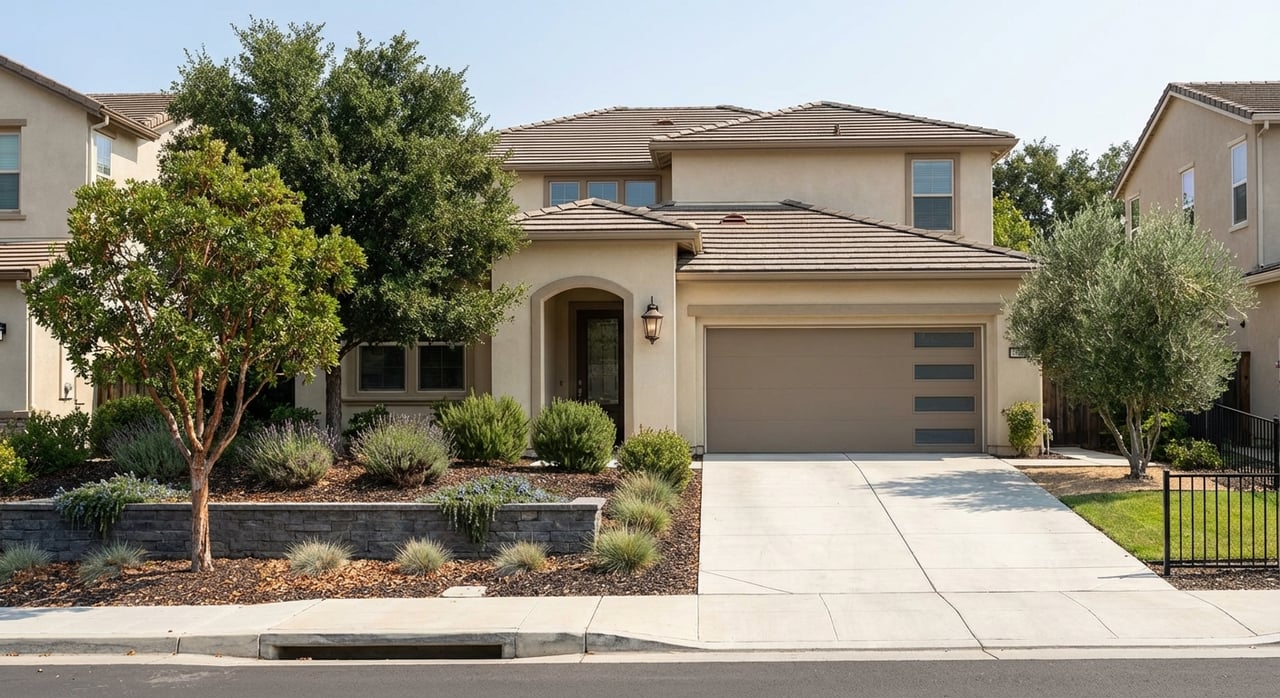
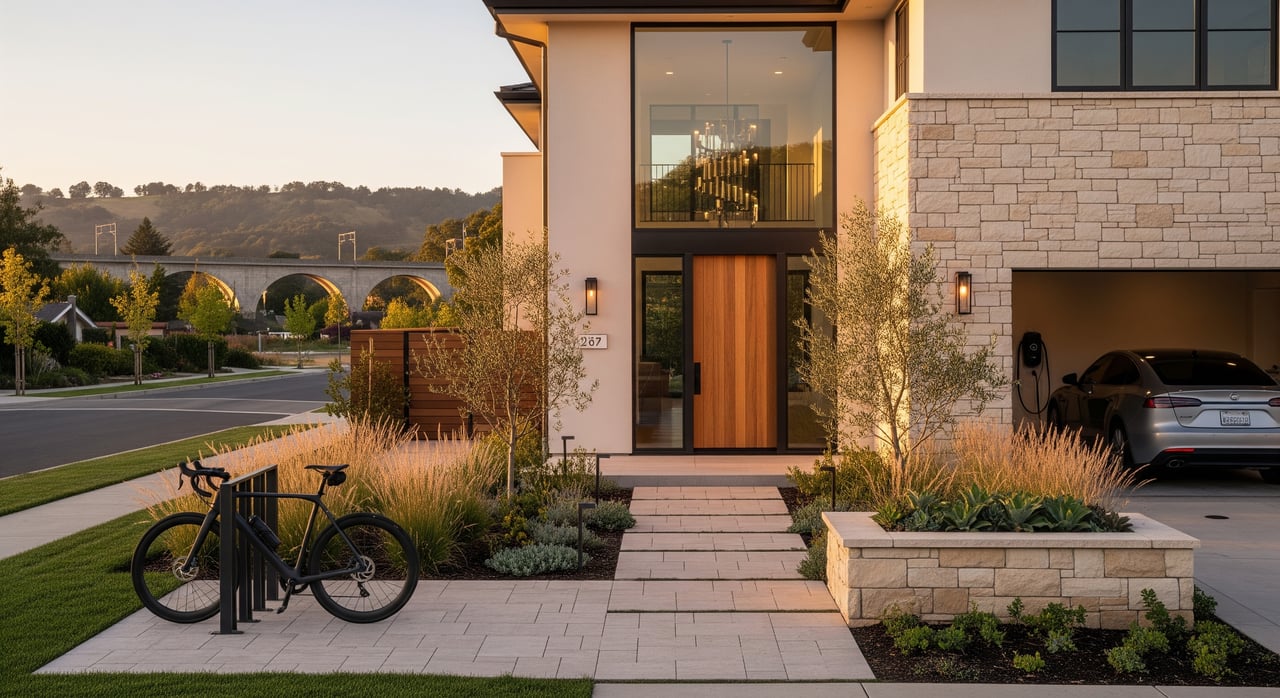
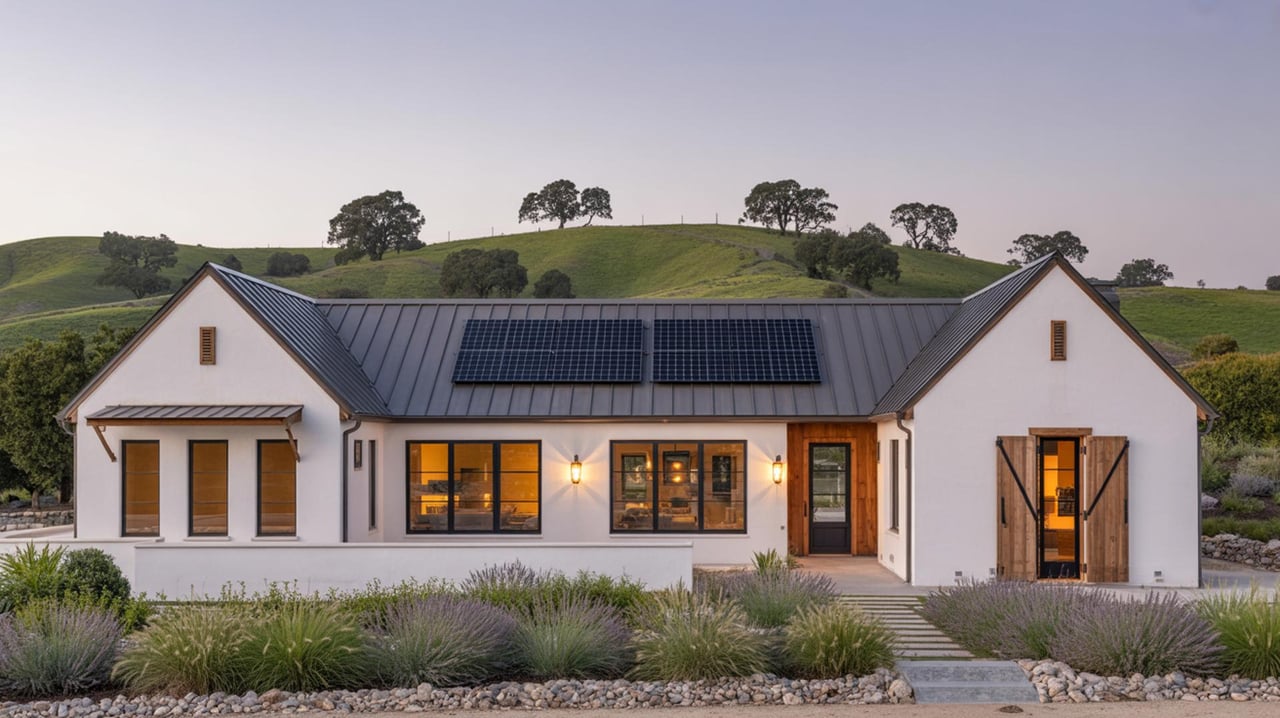
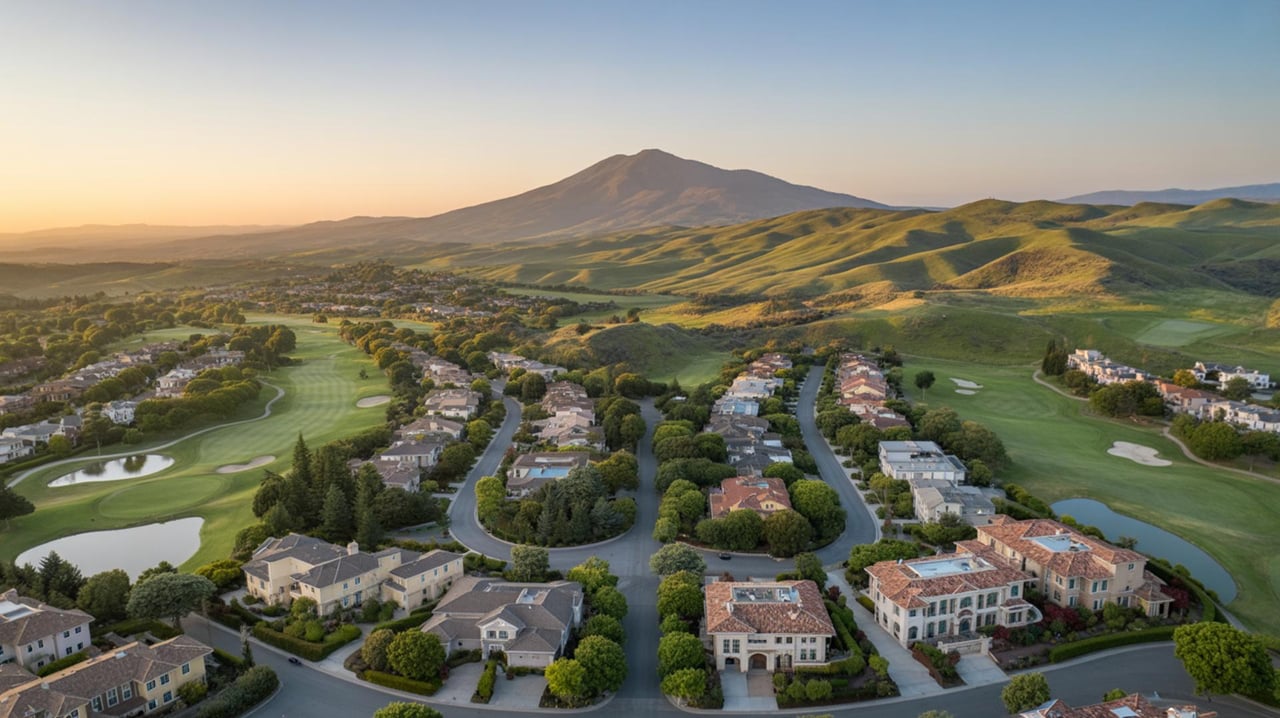
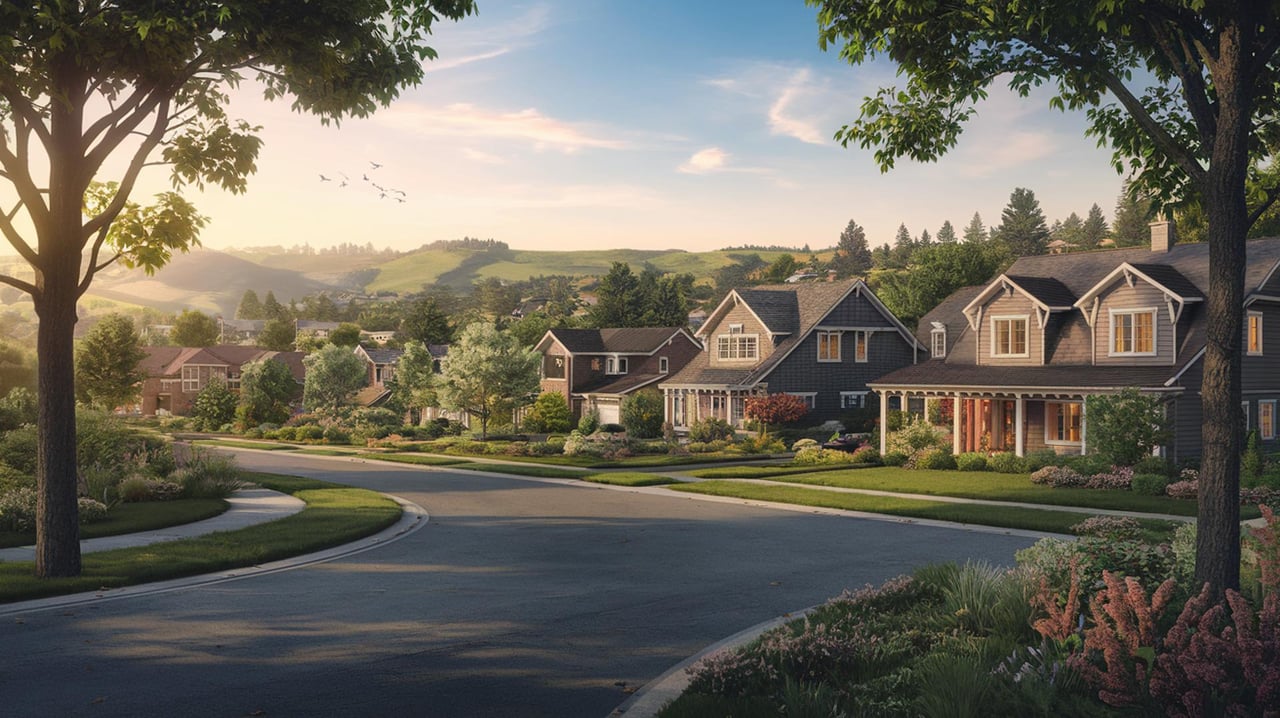
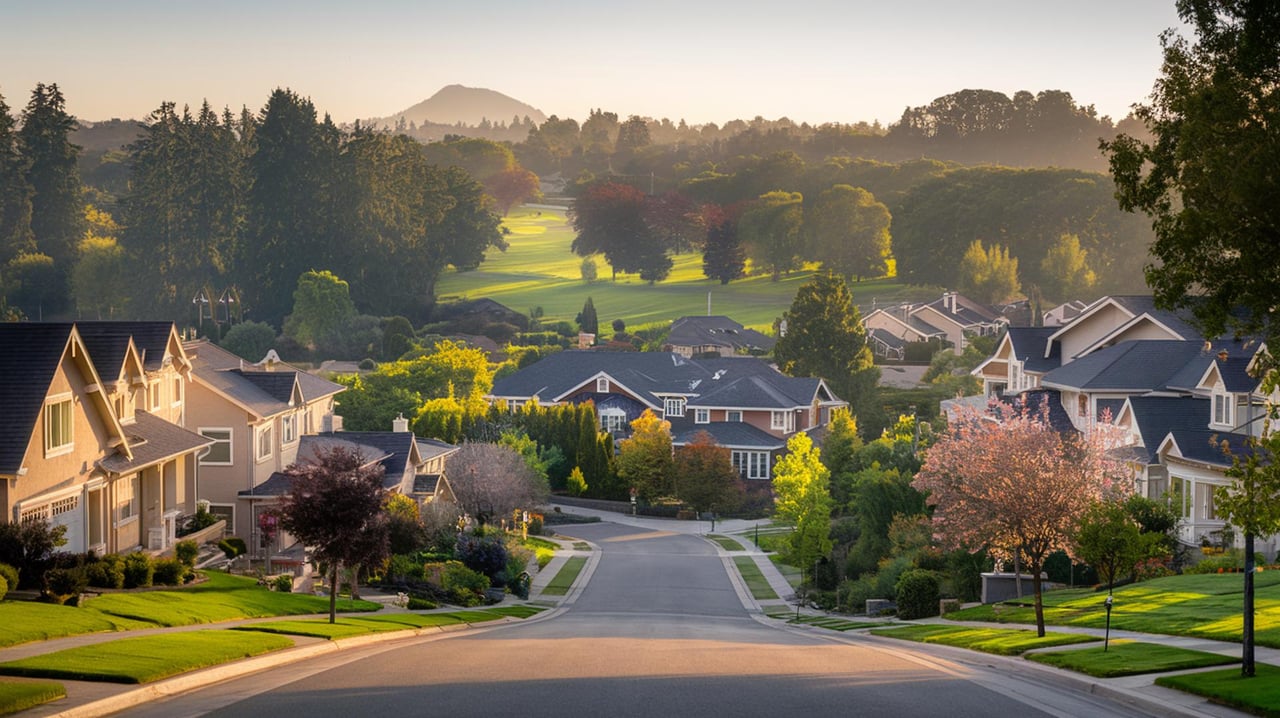
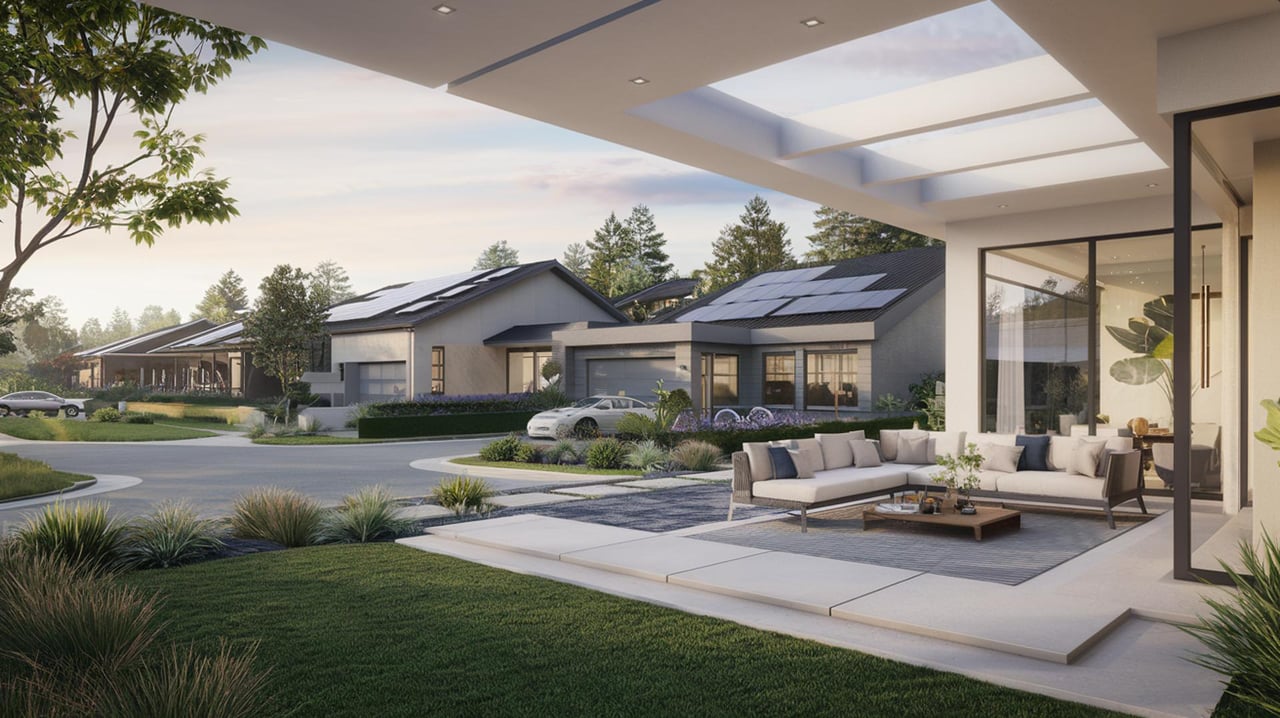
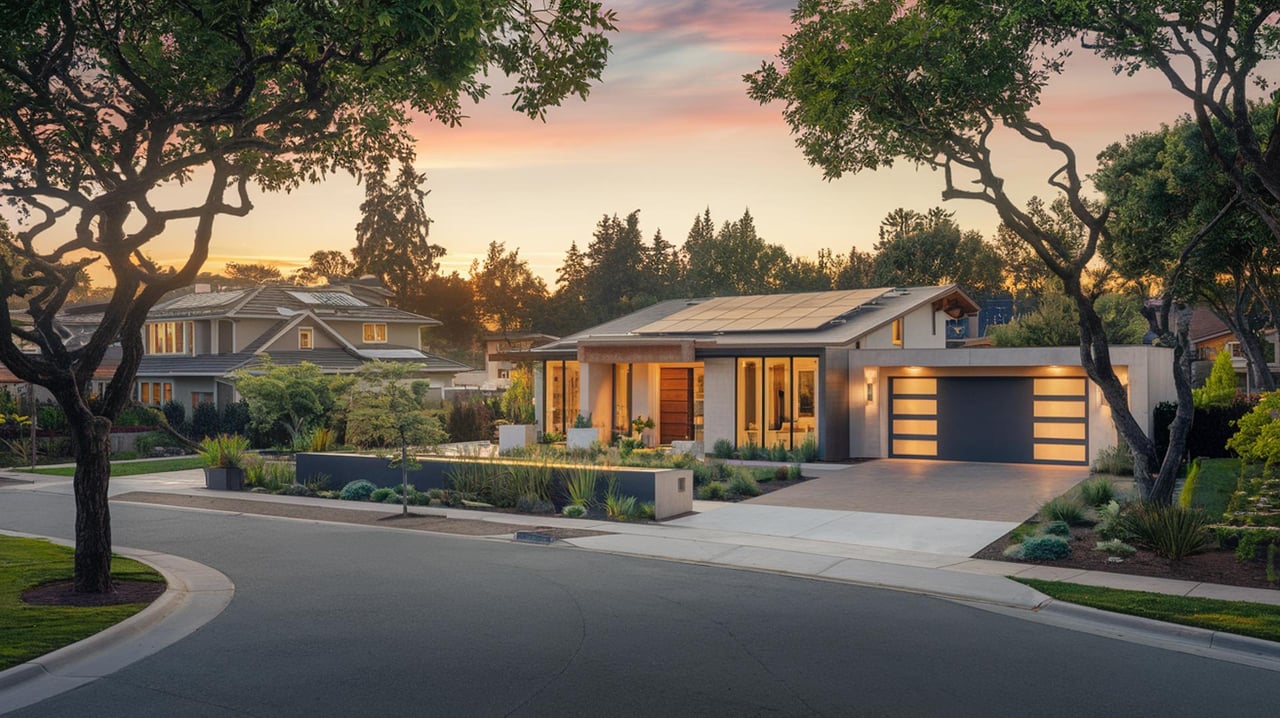
One of the most important things to understand is that Livermore does not feel the same everywhere. The city’s community character documents explain that neighborhoods developed in distinct phases. Older areas often follow a classic suburban model with one- and two-story single-family homes on curving streets and cul-de-sacs.
That pattern tends to create a more traditional suburban feel in some parts of town. In other areas, especially closer to edges with open space or agricultural land, the setting can feel more scenic and less conventional. If you are buying in Livermore for the wine-country atmosphere, location within the city matters a great deal.
Newer Mixed-Use Areas
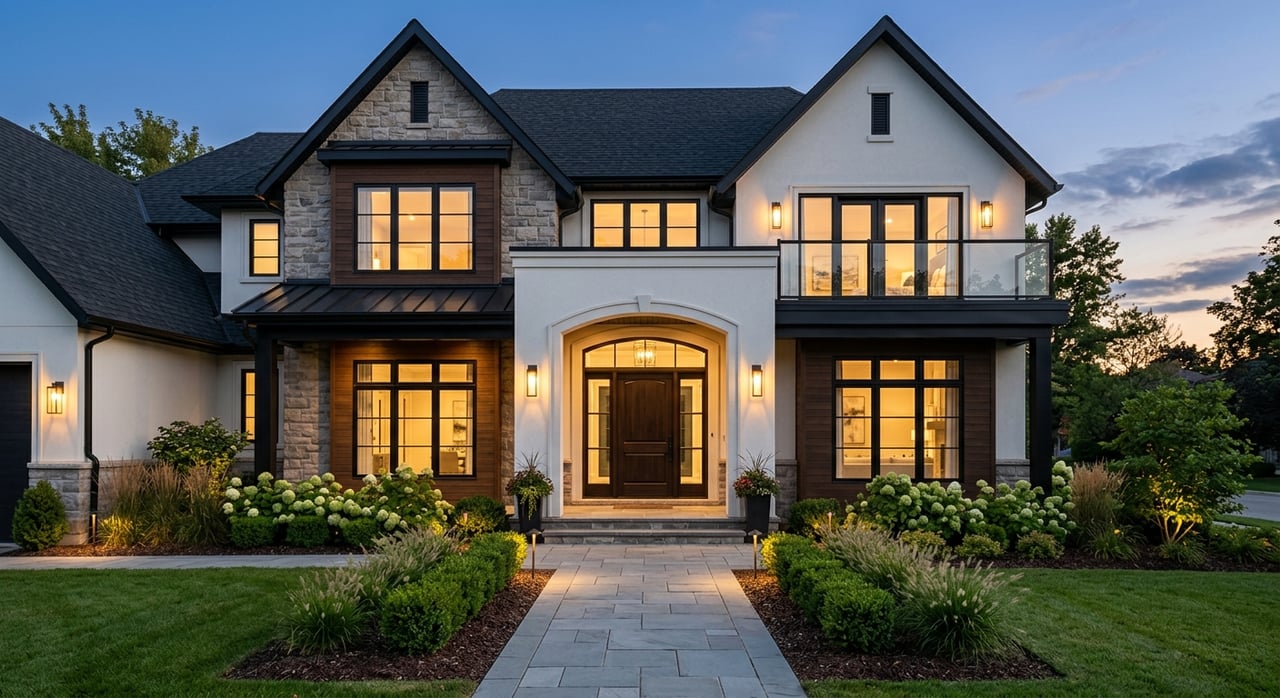
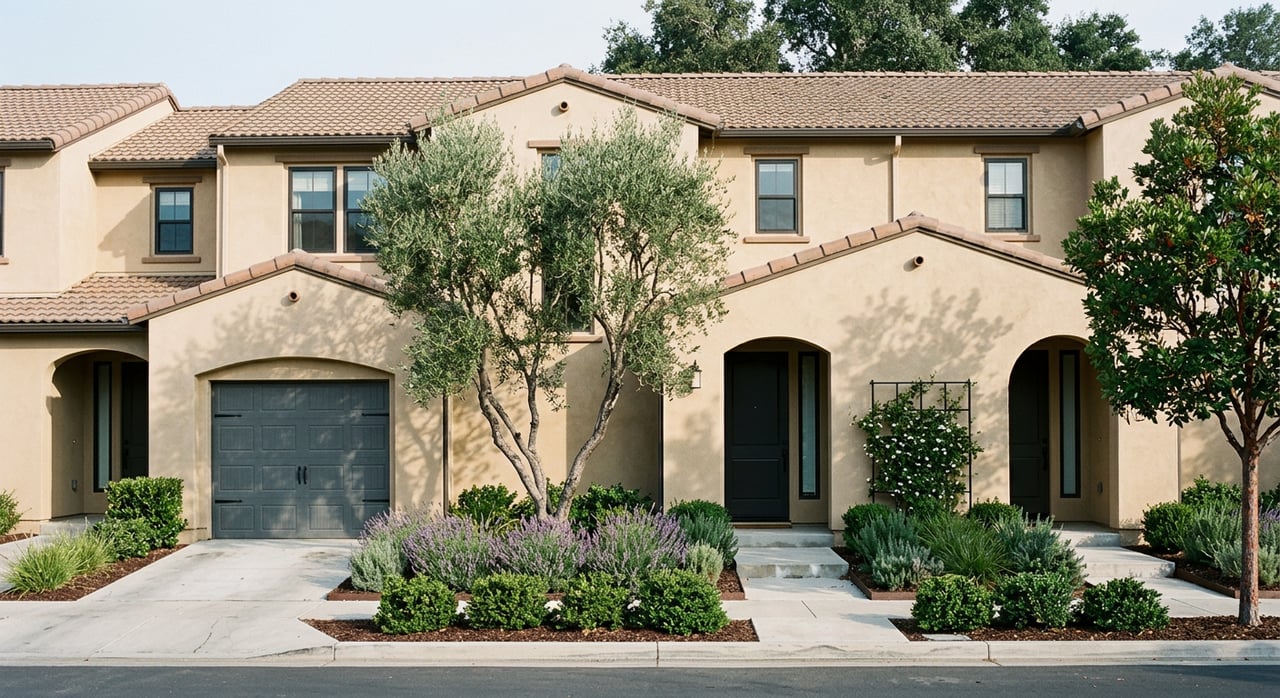
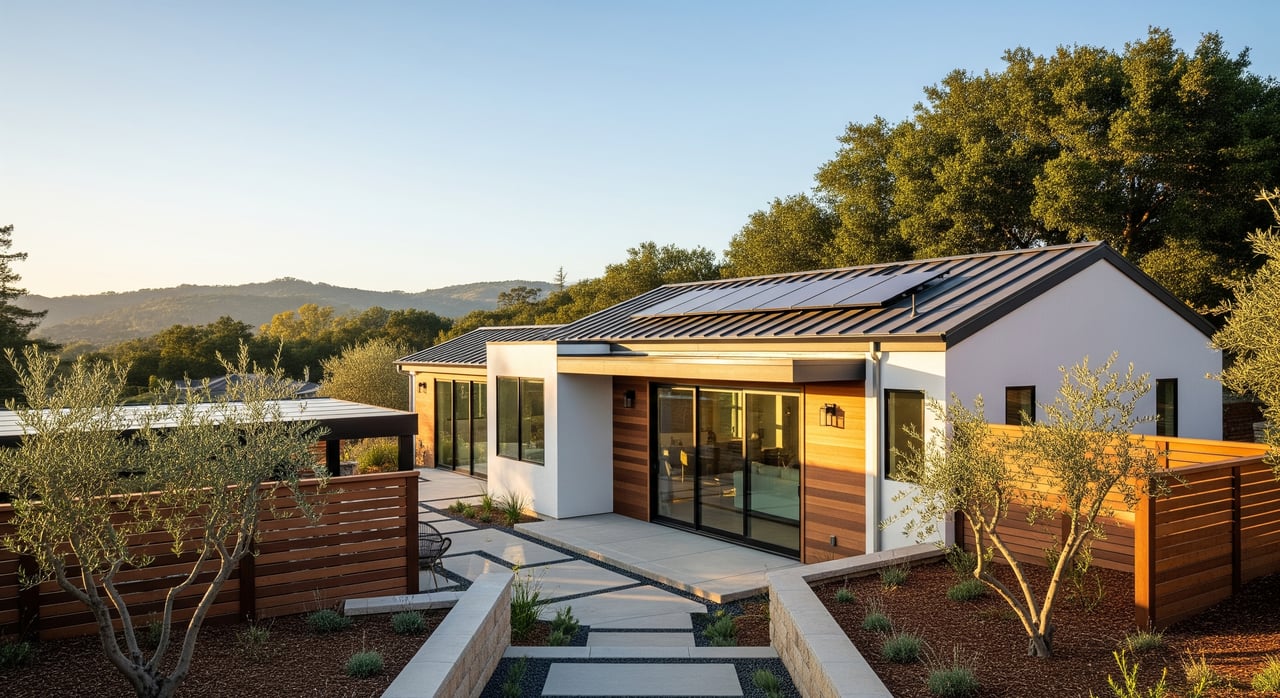
Newer east-side development shows a different side of Livermore. The Brisa Neighborhood Specific Plan includes 510 dwellings, neighborhood parks, open-space trails, and direct ACE station connections. Isabel Crossing is planned as a larger mixed-use area with about 1,300 units, including townhomes, duplexes, apartments, public spaces, and a pedestrian-oriented main street.
For buyers, this signals a clear contrast with older housing stock. Newer projects may appeal if you want a more connected, mixed-use environment or easier access to transit. Older neighborhoods may be a better fit if you prefer the established feel of traditional suburban streets and detached homes.
What the Price Point Tells You
Livermore is a high-cost market, and it is smart to go in with clear expectations. Census QuickFacts estimates the median value of owner-occupied housing at $1,105,600, while the city’s June 2025 financial report places the median single-family home price at about $1.25 million. These are different measures, but both support the same takeaway.
You are generally shopping in a market above the million-dollar mark. That means buyers often think beyond square footage alone and focus on the full package: scenic setting, access to trails, a lively downtown, local employers, and broader Bay Area connectivity.
Why Buyers Continue to Choose Livermore
Livermore’s appeal is not tied to just one headline feature. It is the combination of vineyards, ridgelines, open space, arts, downtown activity, and suburban practicality that gives the city its staying power. That mix seems to resonate strongly with residents.
According to the city’s 2025 National Community Survey results, 95% of respondents rated Livermore as an excellent or good place to live, 92% said they would recommend it, 91% rated quality of life positively, 91% rated the natural environment positively, and 83% rated overall safety positively. Those numbers suggest buyers are responding to a broad lifestyle equation, not a single amenity.
Who Livermore Fits Best
Livermore can be a strong match if you want:
- A suburban home base with a distinct wine-country setting
- Access to a walkable downtown with arts, dining, and local events
- Trails, parks, and open space as part of everyday life
- Housing choices that range from established subdivisions to newer mixed-use areas
- Bay Area connectivity that works for hybrid schedules, local jobs, or selective transit use
It may require more thought if you want a highly urban environment or a very short commute to a destination outside Livermore’s strongest freeway and transit patterns.
A Smart Way to Approach Your Search
If you are considering buying in Livermore, it helps to evaluate the city in layers. Start with your commute and weekly routines, then compare that with the kind of setting you want most. Some buyers care most about downtown access, while others prioritize edge-of-town scenery, trails, or newer transit-connected development.
This is where local guidance matters. Livermore is not one-note, and the right fit often comes down to how a specific pocket of the city matches your lifestyle, timing, and budget. If you want tailored help narrowing your options in Livermore and the broader Tri-Valley, connect with Valerie Vicente for knowledgeable, concierge-level guidance.
FAQs
What makes Livermore feel like wine country?
- Livermore’s identity is shaped by vineyards, wineries, surrounding hills, ridgelines, ranch land, and open space, all of which are documented in city and regional planning materials.
Is downtown Livermore actually walkable and active?
- Yes. The city’s Downtown Specific Plan describes downtown as a pedestrian-friendly commercial and entertainment district, and resident survey results show strong positive ratings for downtown vibrancy.
How expensive is it to buy a home in Livermore?
- Official sources show a high-cost market, with Census QuickFacts estimating a median owner-occupied home value of $1,105,600 and the city reporting a median single-family home price of about $1.25 million.
Are there newer home options in Livermore?
- Yes. City planning documents highlight newer east-side projects such as Brisa and Isabel Crossing, which add housing, parks, trails, and more mixed-use, transit-connected design.
Is Livermore a good choice for Bay Area commuters?
- It can be, especially for hybrid schedules, local jobs, or trips that align with I-580, I-680, ACE, Wheels service, or Dublin/Pleasanton BART connections. Your exact destination and schedule are important to review.
What kind of lifestyle does Livermore offer homebuyers?
- Livermore offers a blend of suburban living, wine-country scenery, outdoor recreation, arts, and a real downtown core, making it appealing for buyers who want both character and practicality.