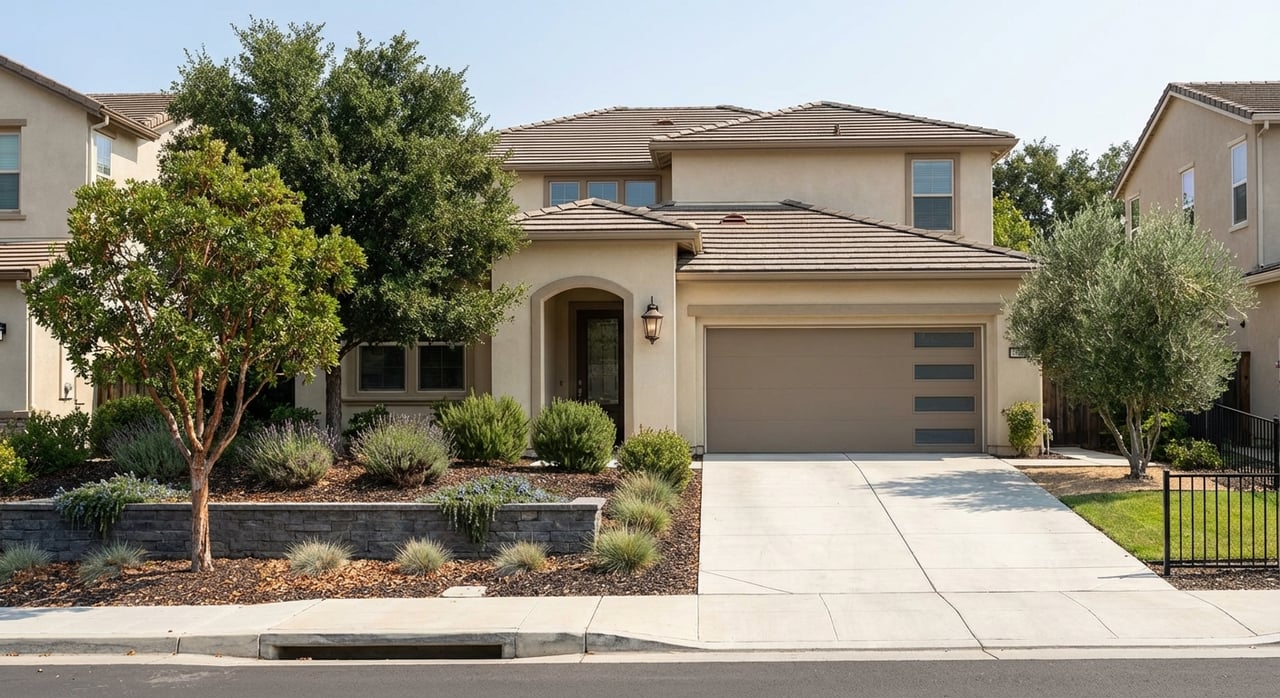
Thinking about leaving a larger Livermore home can bring up two very different feelings at once: relief and uncertainty. You may be ready for less upkeep, a simpler layout, or a move that better fits this next chapter, but you also want to protect the equity you have built over many years. The good news is that downsizing in Livermore often starts from a position of financial strength, especially with the city reporting a 2025 year-to-date detached single-family median price of $1,165,000. If you plan carefully, you can make a move that supports both your lifestyle and your long-term finances. Let’s dive in.
Why downsizing in Livermore is different
For many long-time Livermore homeowners, downsizing is really about rightsizing. The goal is often not just a smaller home, but a home that is easier to live in, easier to maintain, and better aligned with how you want to spend your time.
That could mean moving to a smaller single-family home, a townhome, a condo, or even another East Bay city. The right choice depends on your monthly carrying costs, accessibility needs, preferred layout, and how much of your equity you want to preserve after your move.
Livermore’s housing values make this especially important. With detached home prices remaining elevated, the key question is usually not whether you have equity, but how much of that equity you will actually keep once your sale closes and your replacement home is in place.
Start with net proceeds
When you begin planning, it helps to look beyond your expected sale price. What matters most is your likely net proceeds, or the amount left after selling costs and moving expenses are paid.
That number can look very different from the headline price. Expenses may include real estate fees, repairs, staging, moving, storage, temporary housing, and transfer taxes. Thinking through those costs early can help you avoid surprises and make clearer decisions about your next home.
For many Livermore sellers, this is where a business-first plan makes a real difference. A thoughtful pricing strategy, polished presentation, and careful pre-listing preparation can help reduce friction and protect your bottom line.
Review key tax timing issues
Proposition 19 may help eligible homeowners
If you are 55 or older, severely and permanently disabled, or a victim of wildfire or natural disaster, California’s Proposition 19 may allow you to transfer the factored base-year value of your principal residence to a replacement principal residence anywhere in California.
There are a few details that matter. The claim is filed after both transactions are complete and after you are living in the replacement home. It is not handled through escrow, and it must be filed with the county assessor where the replacement home is located.
If you are an eligible older or disabled homeowner, this transfer can be used up to three times. If your replacement home costs more than the home you sold, the excess value is added to the transferred base-year value.
You may be able to buy first
Some homeowners want to secure the next home before putting their current one on the market. Under Proposition 19, that approach can work, as long as your original home is sold within two years of buying or completing construction on the replacement home.
There is an important tradeoff, though. During that interim period, property taxes on the replacement home are based on its full fair market value, with no refund for that period. That makes timing and cash-flow planning especially important.
Federal capital gains rules still matter
For federal income tax purposes, eligible homeowners may exclude up to $250,000 of gain, or $500,000 for married couples filing jointly, if they meet the ownership and use tests. The exclusion generally cannot be used again within the two-year period ending on the sale date.
If part of your home has been used for business or rental purposes, different rules can apply. This is one of several reasons why it is smart to review your expected gain and tax picture before you list, not after you accept an offer.
Compare transfer taxes before you move
If you are considering a move from Livermore to another East Bay city, transfer taxes deserve a close look. These costs can vary much more than many sellers expect.
Livermore’s documentary transfer tax is collected by Alameda County at $1.10 per $1,000 of valuation, with the city receiving half of the amount collected. Other nearby cities can be materially higher.
Here is a quick comparison based on the research provided:
| City | Transfer tax rate |
|---|---|
| Livermore | $1.10 per $1,000 |
| Hayward | $8.50 per $1,000 |
| Alameda | $12 per $1,000 |
| Berkeley | $15 per $1,000 up to $1.6 million, $25 per $1,000 above that |
| Oakland | Tiered rates that increase with value |
If you are comparing monthly ownership costs in different cities, this is a meaningful planning detail. It may affect how much cash you want to keep available for closing and post-move expenses.
Watch Alameda County tax dates
Closing timing matters too. Alameda County secured property taxes are due on December 10 and April 10.
If your sale or purchase closes near one of those installment dates, prorations and escrow timing should be reviewed carefully. This can help you avoid confusion about who is paying what and when.
Prepare your Livermore home with less stress
A downsizing move often feels overwhelming because it combines two major projects at once: selling a home and sorting through years of belongings. A smoother plan starts by reducing decision fatigue.
In most cases, the most useful pre-listing steps are:
- Decluttering room by room
- Deciding what to keep, donate, sell, or discard
- Making targeted repairs
- Deep cleaning
- Staging for broad buyer appeal
- Evaluating whether any accessibility-related updates are worth addressing before listing
The goal is not to over-improve the property. It is to present your home as well maintained, welcoming, and easy for a buyer to picture moving into.
For long-time owners, this can be emotional work as much as practical work. Taking the process in phases often makes it easier to stay focused and avoid burnout.
Build a realistic moving timeline
The best downsizing moves usually have a clear sequence. Selling first can reduce financial strain and make your budget for the next home easier to define. Buying first can ease the pressure of finding a replacement home quickly, especially if you want more control over your moving schedule.
Neither path is automatically better. The right choice depends on your comfort with timing, available cash reserves, and whether you want certainty on the sale side or the purchase side first.
Because Proposition 19 claims are not processed through escrow, coordination matters. You will want your agent, escrow team, and county assessor information lined up clearly so nothing is assumed or overlooked.
Use local support during the transition
A downsizing move is not only a real estate decision. It is also a life transition, and local support can make the process feel much more manageable.
Livermore’s Multi-Service Center hosts nonprofit and social-service organizations that connect residents to no-cost resources. The City of Livermore Housing & Human Services resources also point residents to the Tri-Valley Affordable Rental Guide, legal aid, rental assistance, eviction defense resources, senior meal resources, 2-1-1 Alameda County’s Resource Finder, and the Tri-Valley Human Services Pocket Guide.
Alameda County’s Area Agency on Aging provides services for adults 60 and older, including caregiver support, food services, legal services, respite services, senior center services, and more. Livermore city resources also list organizations such as CityServe of the Tri-Valley and CRIL, which can help with senior programs, transportation, home-modification resources, and guidance related to accessible and affordable housing.
For some homeowners, these resources are just as valuable as the real estate plan itself. They can help support the practical side of the move while also making the next stage of life feel more connected and less rushed.
Focus on lifestyle fit, not just square footage
The best downsizing move is not always the smallest home. It is the home that gives you the right balance of comfort, cost, convenience, and flexibility.
As you compare options, think about questions like these:
- How much maintenance do you want to handle?
- Do you want single-level living?
- What monthly costs will change?
- How much equity do you want to preserve?
- Would another East Bay city better fit your goals?
- Do you want to be closer to services, family, or daily activities?
When you frame downsizing as a lifestyle decision instead of just a reduction in space, it becomes much easier to evaluate your options with confidence.
A well-planned move from your Livermore home can give you more freedom, fewer responsibilities, and a stronger financial position for the years ahead. If you want a clear picture of your likely net proceeds, timing options, and next-home strategy, Valerie Vicente can help you plan a move that feels both practical and personal.
FAQs
How much equity might I keep when downsizing from a Livermore home?
- Your remaining equity depends on your sale price, mortgage payoff, real estate fees, repairs, staging, moving costs, storage, temporary housing, and transfer taxes. Looking at net proceeds instead of list price gives you the clearest answer.
How does Proposition 19 work for a Livermore downsizing move?
- Eligible homeowners may be able to transfer the factored base-year value from their current principal residence to a replacement principal residence anywhere in California, subject to the state’s rules and filing requirements.
Can I buy a replacement home before selling my Livermore home?
- Yes. Under Proposition 19, a buy-first approach can work if the original home is sold within two years of buying or completing construction on the replacement home.
Are transfer taxes different if I move from Livermore to another East Bay city?
- Yes. Livermore’s documentary transfer tax is $1.10 per $1,000 of valuation, while cities such as Alameda, Hayward, Berkeley, and Oakland may have much higher rates or tiered structures.
Where can I find local support for a Livermore downsizing transition?
- Livermore and Alameda County offer resources through the Multi-Service Center, Housing & Human Services, 2-1-1 Alameda County, the Area Agency on Aging, CityServe of the Tri-Valley, and other local organizations that support housing, legal, food, transportation, and senior-related needs.