If you want a home base that feels grounded during the week and fun on the weekend, Pleasanton deserves a close look. You get the ease of a walkable downtown, solid regional access, and a quick path to Livermore Valley wine country without giving up the day-to-day rhythm that makes a place feel livable. For buyers relocating, moving up, or simply refining their East Bay lifestyle, Pleasanton offers a rare middle ground. Let’s dive in.
Why Pleasanton Stands Out
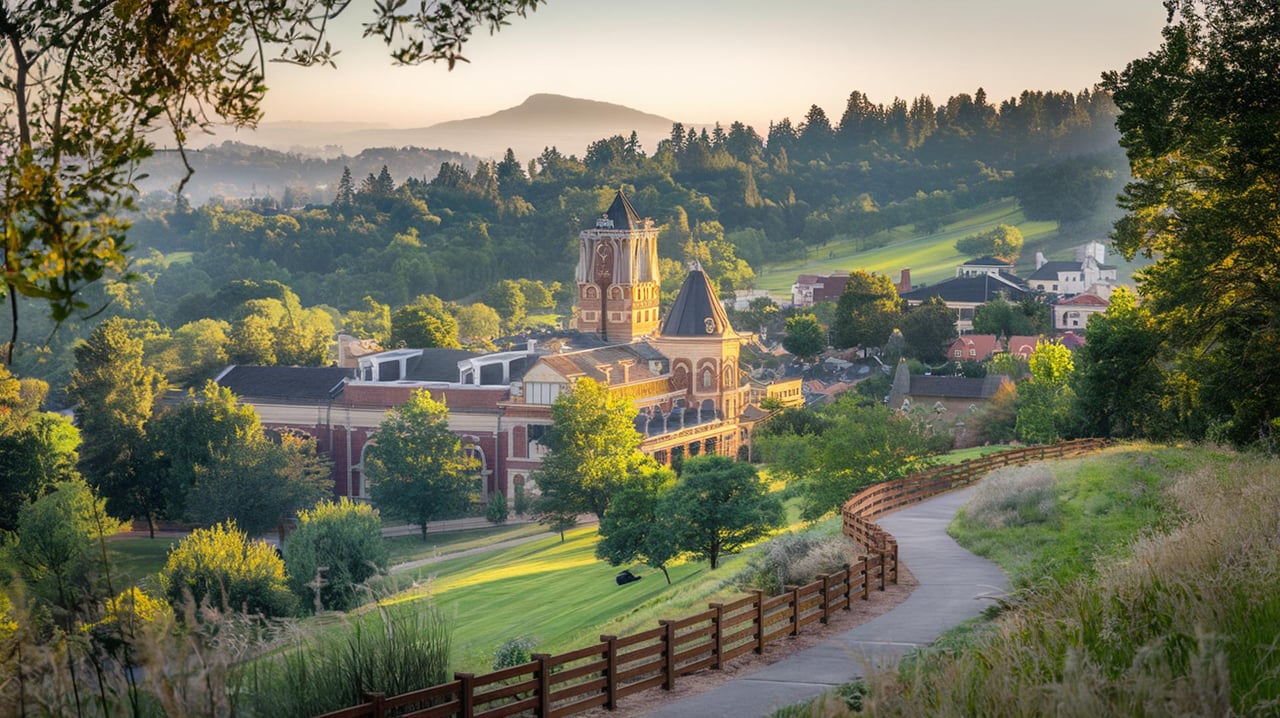
Pleasanton offers a lifestyle that feels more connected than many suburban markets. The city describes itself as a place surrounded by green hills, open space, and neighborhood parks, while Historic Downtown Pleasanton serves as a certified California Main Street district with more than 550 unique businesses. That combination gives you both everyday convenience and a sense of place.
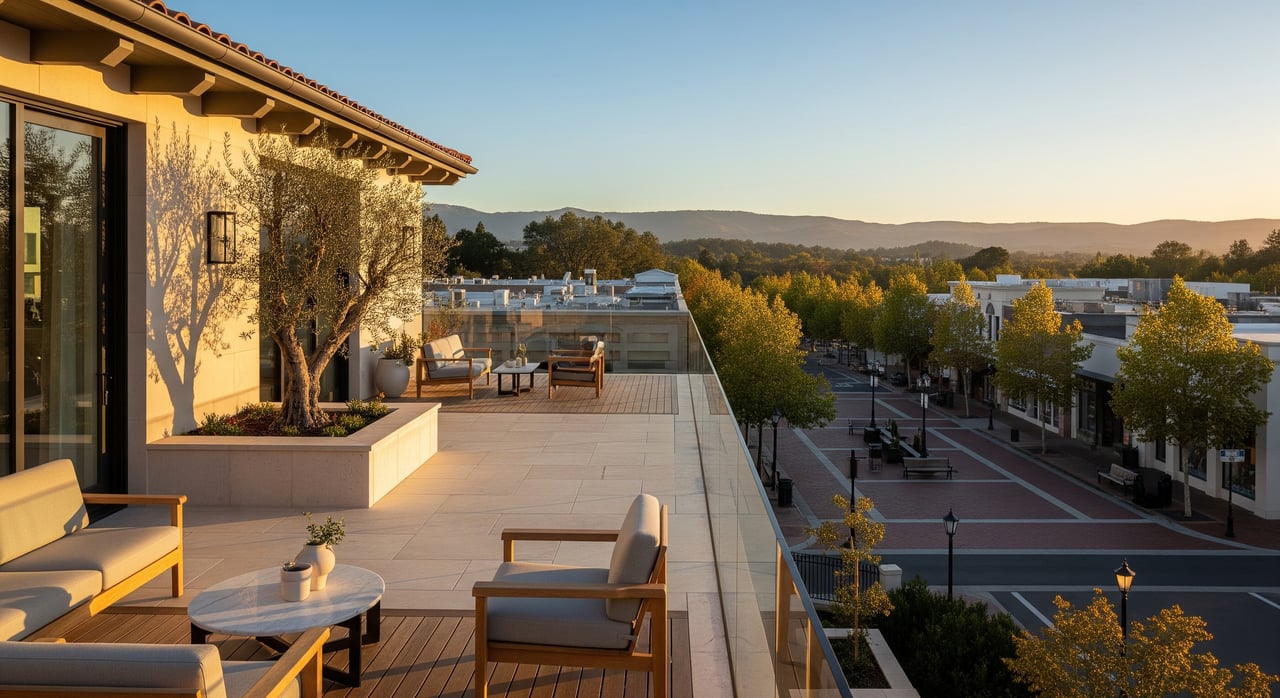
Downtown is not trying to be a dense urban core. Main Street works more like a walkable commercial spine with nearby residential streets, which creates a small-town feel with strong regional reach. If you want activity without constant intensity, that balance can be very appealing.
Downtown Pleasanton for Daily Life
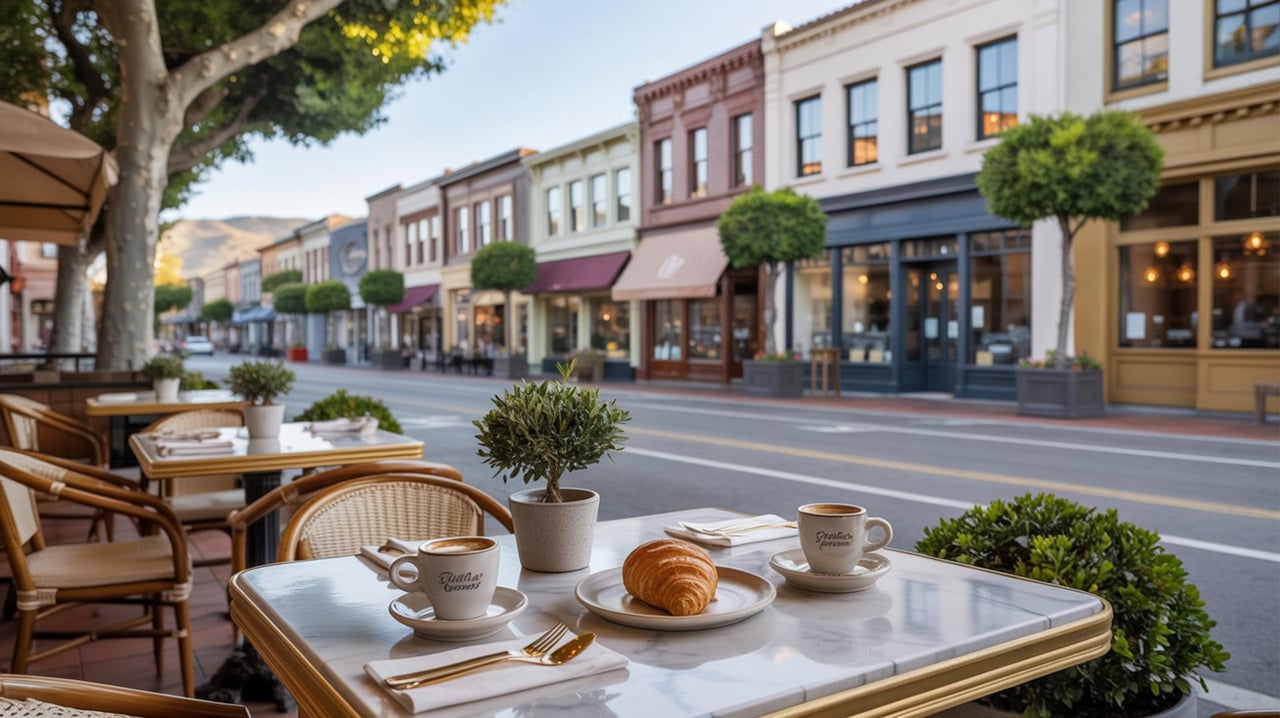
One of Pleasanton’s biggest strengths is how much everyday life can happen in a compact area. Restaurants line Main Street and nearby blocks, and the city reports more than 240 dining establishments citywide. That means your weekly routine can include coffee runs, casual lunches, patio dinners, and easy meetups close to home.
The Pleasanton Farmers’ Market adds another steady rhythm to downtown life. According to the city’s 2025 dining guide, it takes place every Saturday from 9 a.m. to 1 p.m. at Main Street and W. Angela. For many buyers, routines like this matter just as much as square footage because they shape how a neighborhood feels over time.
For larger shopping trips, Pleasanton also offers a regional mall with more than 165 stores and restaurants. In practical terms, that means you can split your errands between the character of a historic downtown and the convenience of a larger retail corridor. That kind of flexibility is useful when life gets busy.
What daily living can look like
- Morning coffee or breakfast downtown
- Saturday farmers’ market stops built into your weekend
- Patio dinners and casual social plans near home
- Quick runs for essentials without leaving the city
- Larger retail trips when you need broader shopping options
Wine Country Is Part of the Appeal
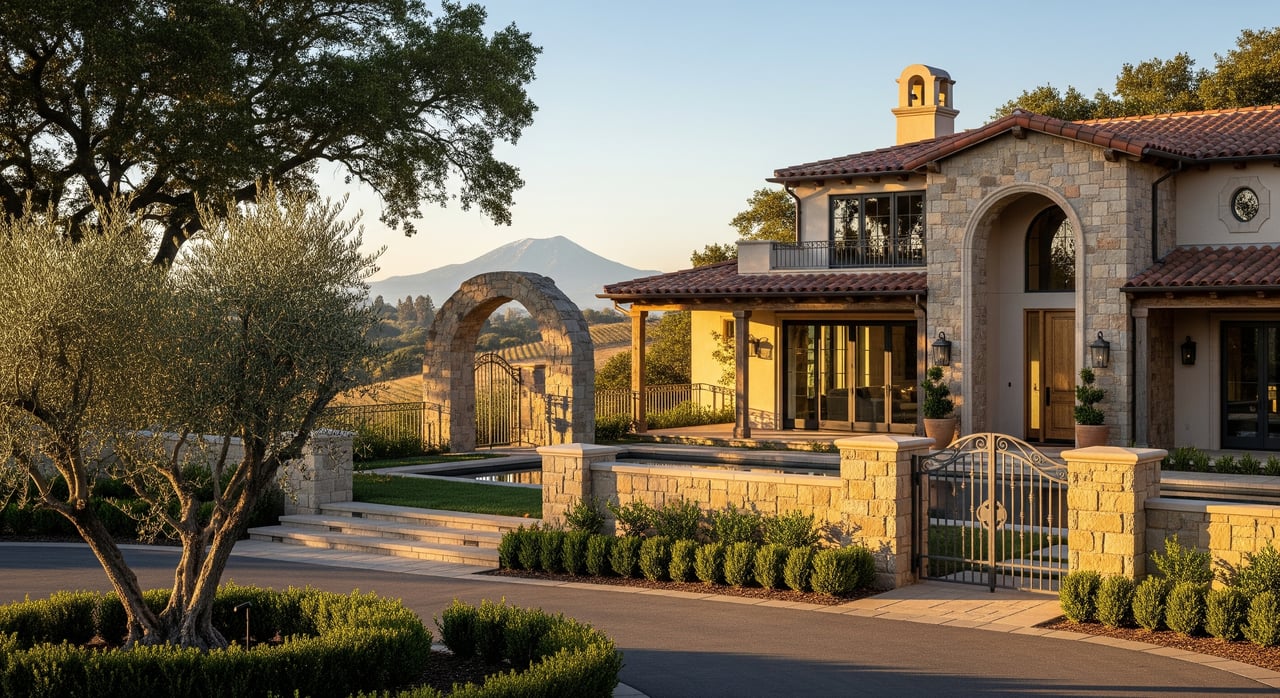
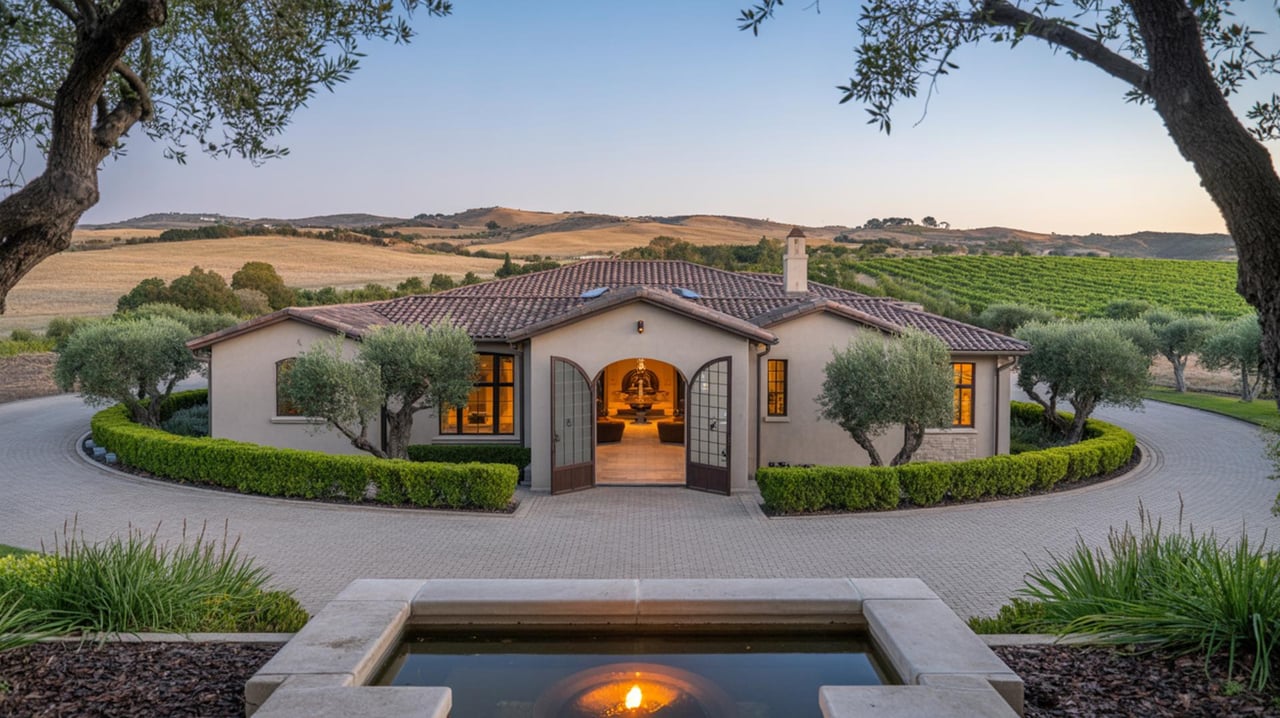
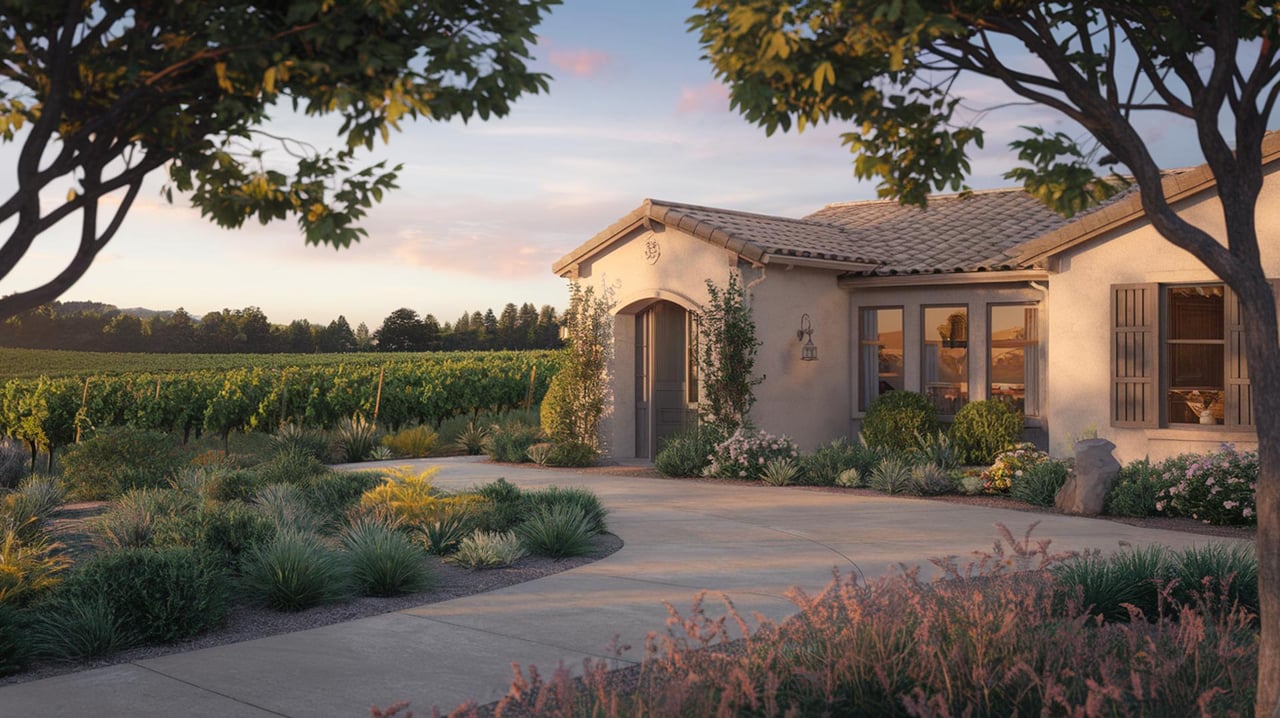
When people talk about Pleasanton and wine country, they are usually talking about the Livermore Valley connection. Visit Tri-Valley reports that Livermore Valley Wine Country has 42 wineries with tasting rooms, and Pleasanton is part of that broader Tri-Valley wine ecosystem. That puts wine-country leisure close enough to feel like a natural extension of your weekend.
This is one of Pleasanton’s most appealing lifestyle advantages. You can enjoy dinner downtown on a Friday, then head east for tastings, winery lunches, or vineyard events over the weekend. Local examples even include Casa Real at Ruby Hill Winery in Pleasanton itself, which reinforces how closely this lifestyle is woven into the area.
For relocating buyers, this matters because it changes how the map feels. Wine-country access is not a once-a-year special outing. In Pleasanton, it can become part of your normal rhythm.
Outdoor Access Adds Real Value
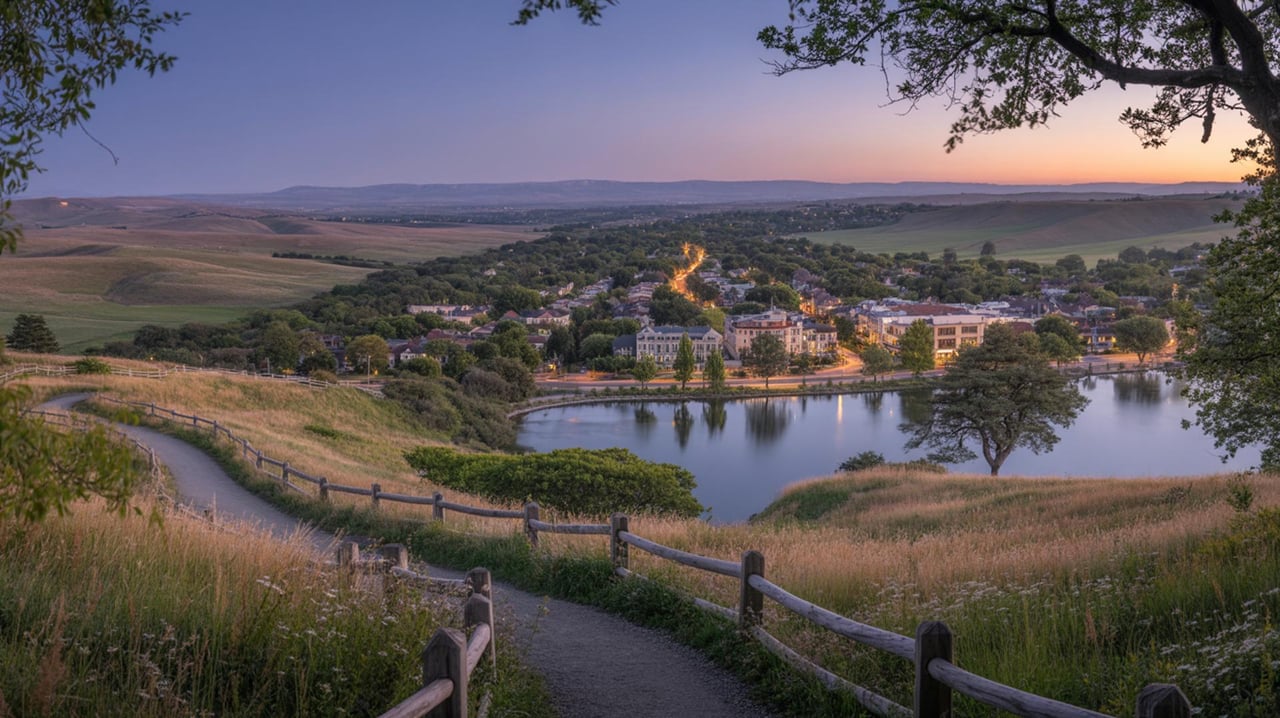
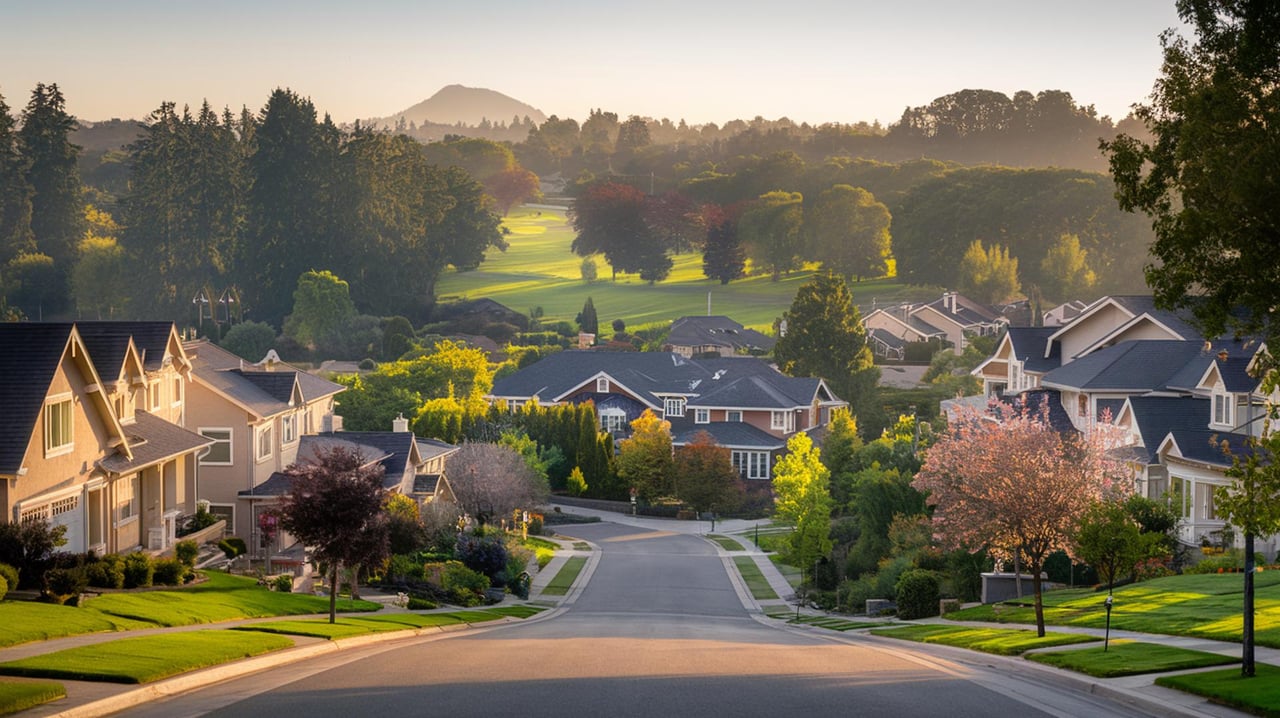
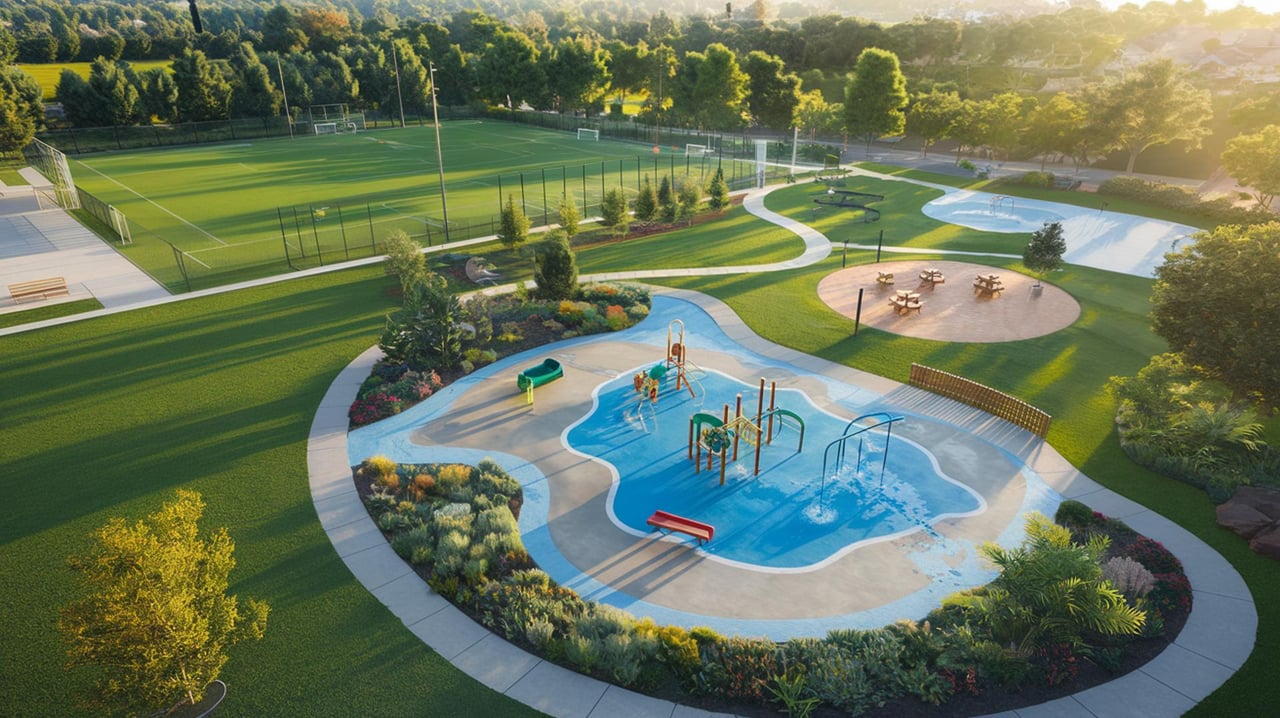
Pleasanton’s appeal is not limited to dining and weekend outings. The city says it offers 46 parks, more than 60 miles of trails, and over 700 acres of undeveloped open space. Many neighborhood parks are also within a half-mile of homes, which makes outdoor time easier to fit into everyday life.
That access can support a lot of different routines. You might prefer a short evening walk, a weekend hike, time at a local park, or a full recreation day nearby. The important point is that outdoor options are not an afterthought here.
Shadow Cliffs Regional Recreation Area is about a mile from downtown and includes an 80-acre lake, swimming, boating, kayaking, fishing, picnicking, and hiking. Pleasanton Ridge Regional Park adds major trail access at the city’s edge. If you want a suburb that still keeps you close to active outdoor living, Pleasanton delivers on that front.
Outdoor features that shape the lifestyle
- 46 parks across the city
- More than 60 miles of trails
- Over 700 acres of undeveloped open space
- Neighborhood parks near many homes
- Nearby lake recreation and regional trail systems
Commuting From Pleasanton
Pleasanton works well for many buyers who want suburban living without feeling cut off from the rest of the East Bay. The city has two BART stations, West Dublin/Pleasanton near Stoneridge and Dublin/Pleasanton at Owens Drive. It also has ACE Rail service through Pleasanton on weekday commuter runs.
BART serves Oakland, Berkeley, Hayward, and other East Bay destinations, which gives Pleasanton meaningful transit access. At the same time, the local commuting pattern still leans heavily toward driving. In Pleasanton’s 2022 commuter survey, employees drove alone 76% of the time on average, while telecommuting averaged 14%.
Among residents, telecommuting averaged 17%, BART was the most common public-transit mode, and ACE was used at a smaller but measurable level. So the real takeaway is balance. Transit is available and useful, but most households still plan around driving for errands, appointments, and cross-county trips.
What that means for buyers
- You have real transit options for East Bay access
- Driving is still a major part of daily logistics
- Remote and hybrid work patterns fit well here
- Pleasanton can support both commute needs and weekend mobility
Housing in Pleasanton at a Glance
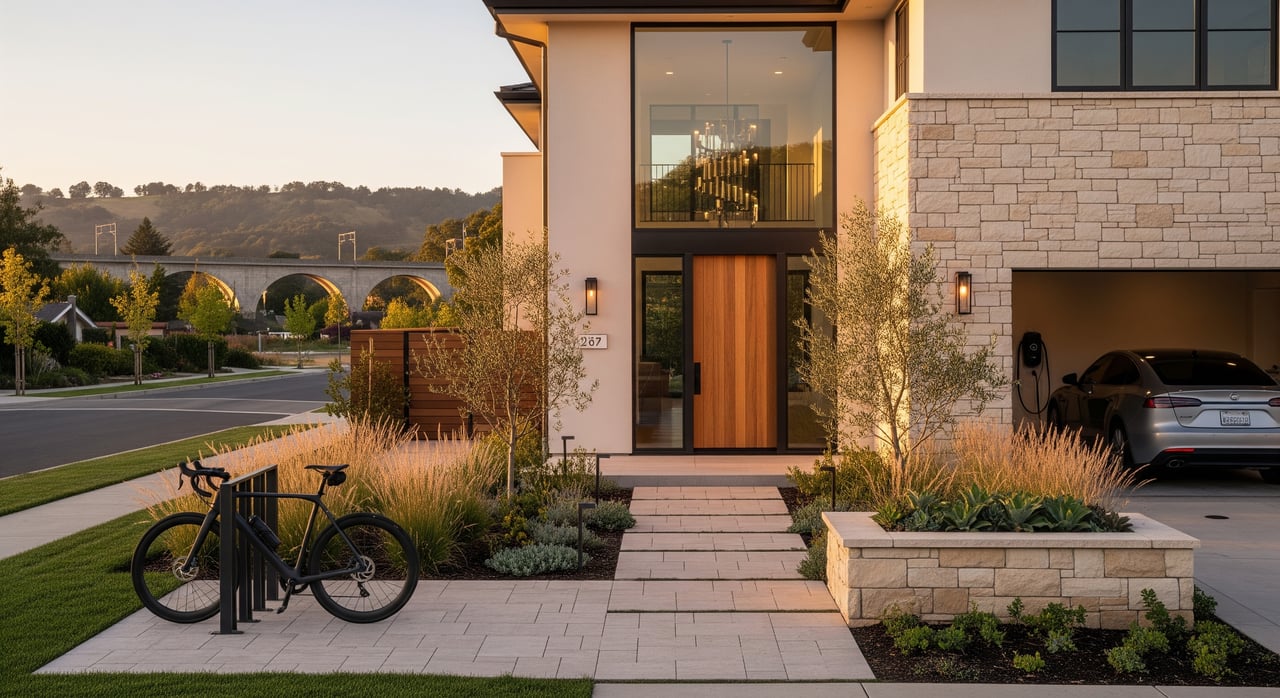
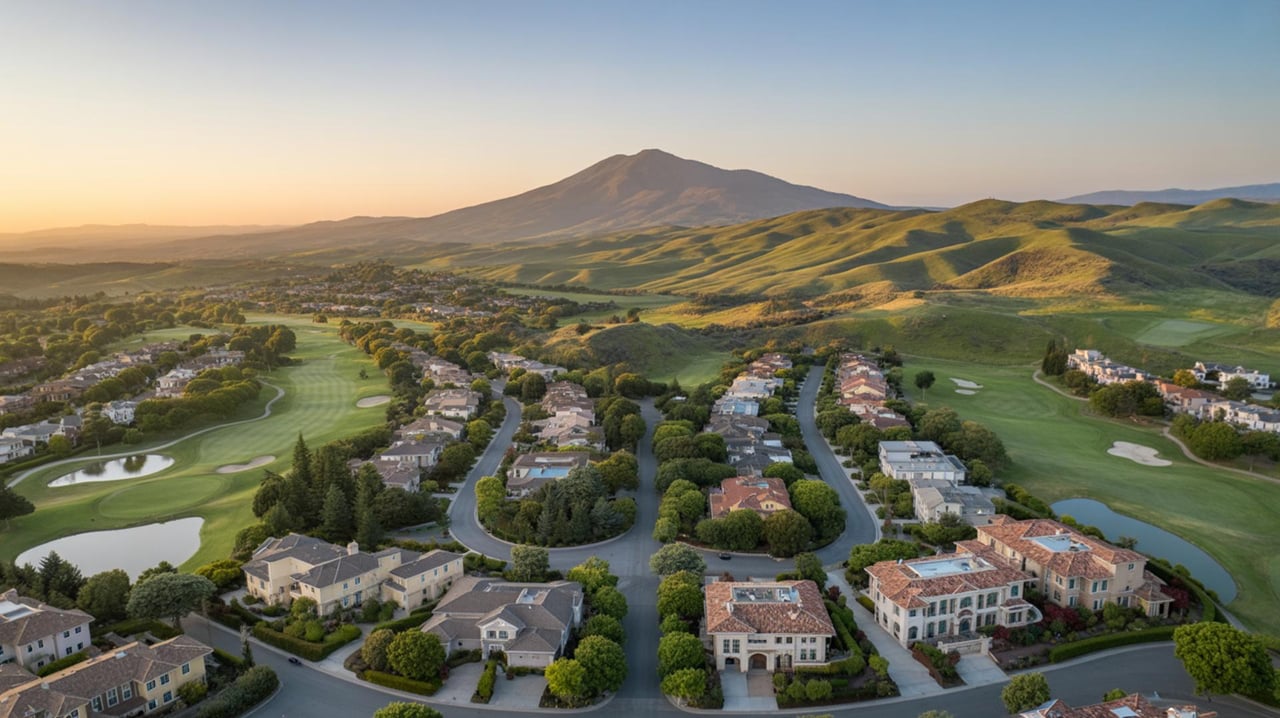
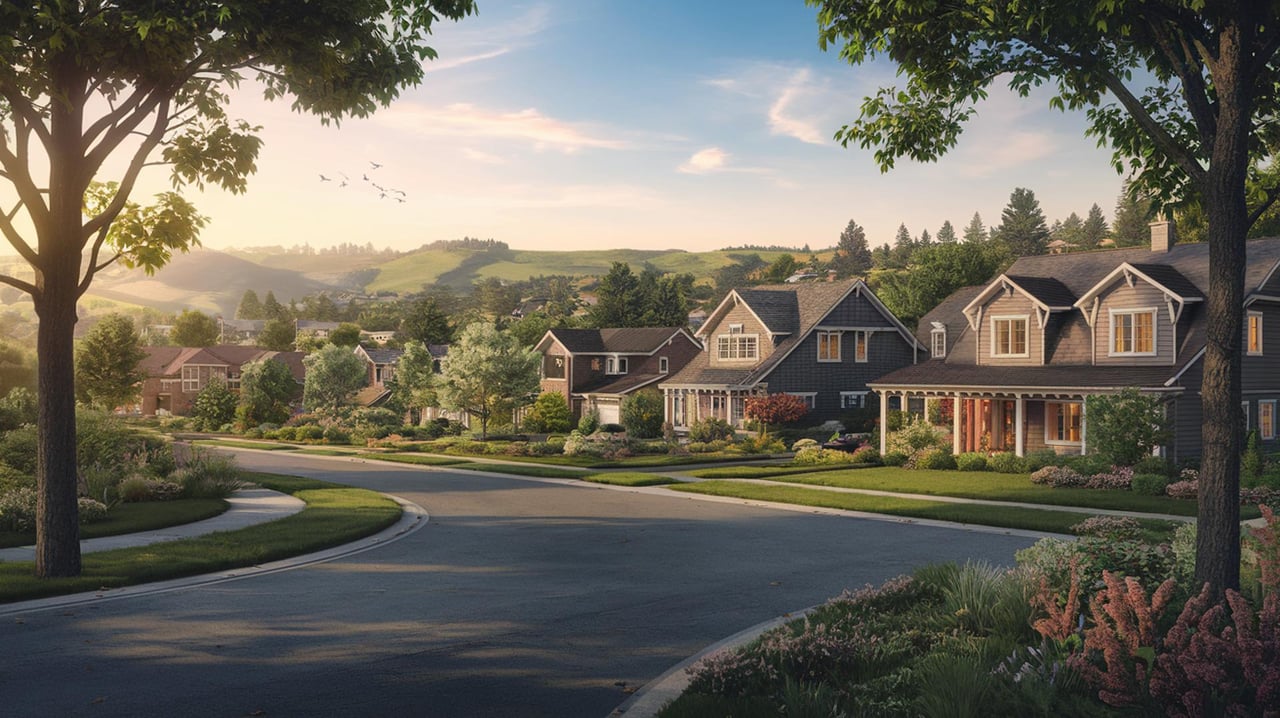
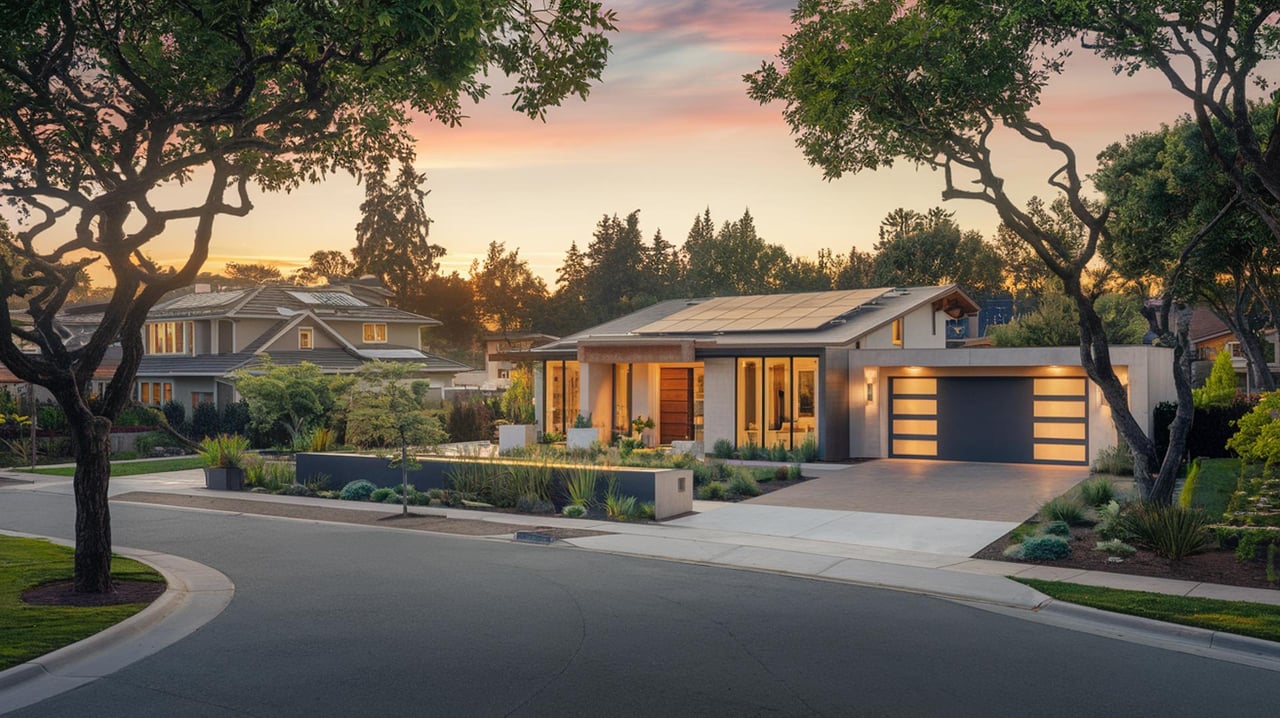
Pleasanton is a premium suburban market, and it helps to go in with clear expectations. Census QuickFacts reports a 67.0% owner-occupied housing rate and a median value of $1,537,100 for owner-occupied units. Median monthly owner costs for homes with mortgages are reported at more than $4,000.
That pricing frame tells you Pleasanton is not an entry-level market. Buyers are often paying for a combination of location, lifestyle, housing stock, and regional access. If you value a polished suburban setting with a strong downtown core and outdoor amenities, that premium may make sense for your goals.
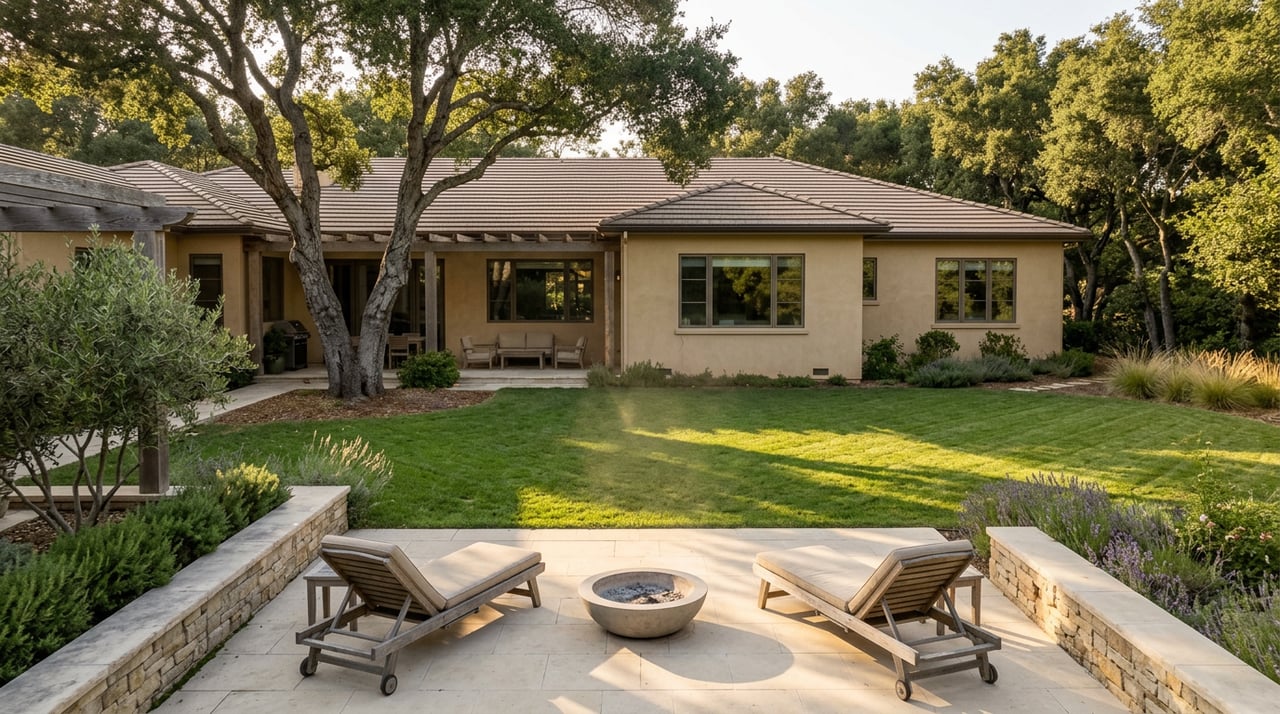
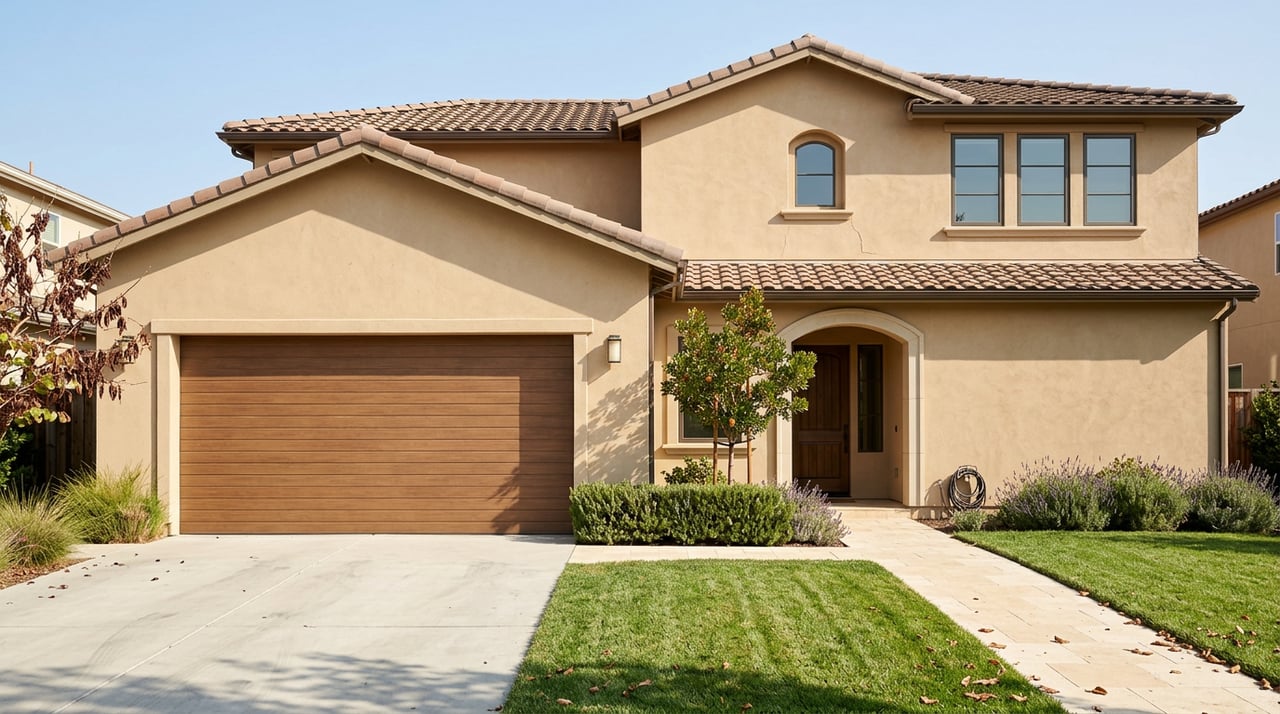
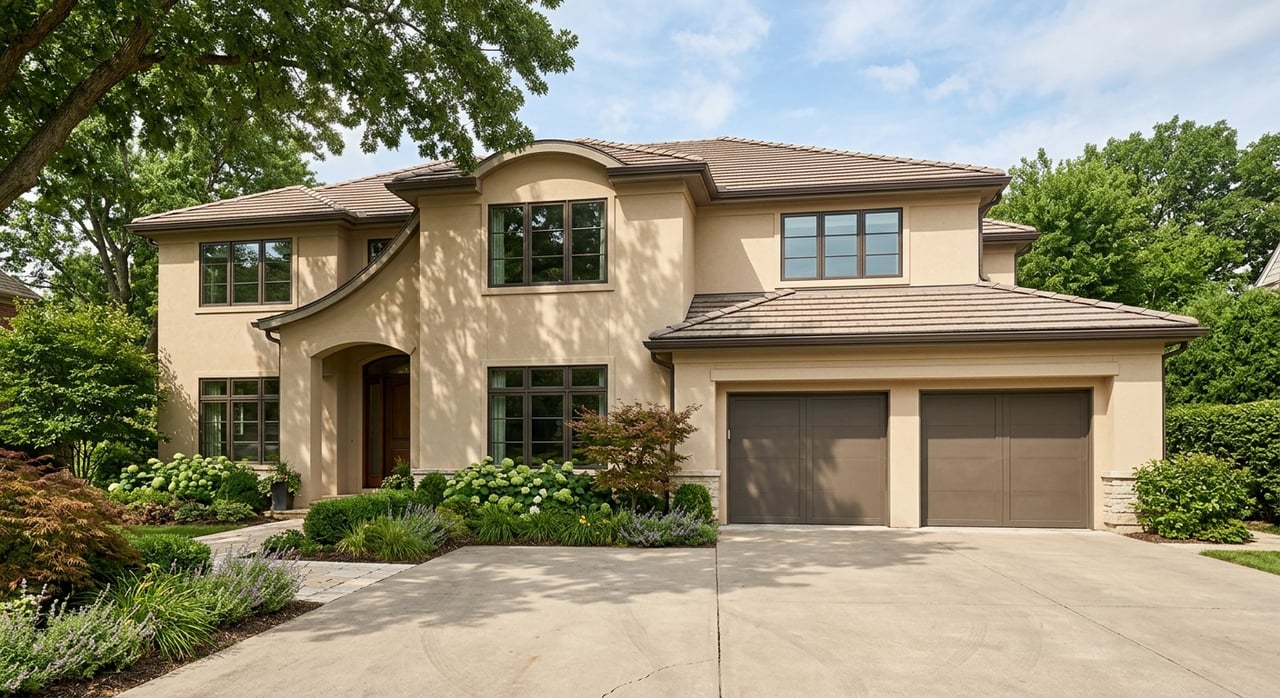
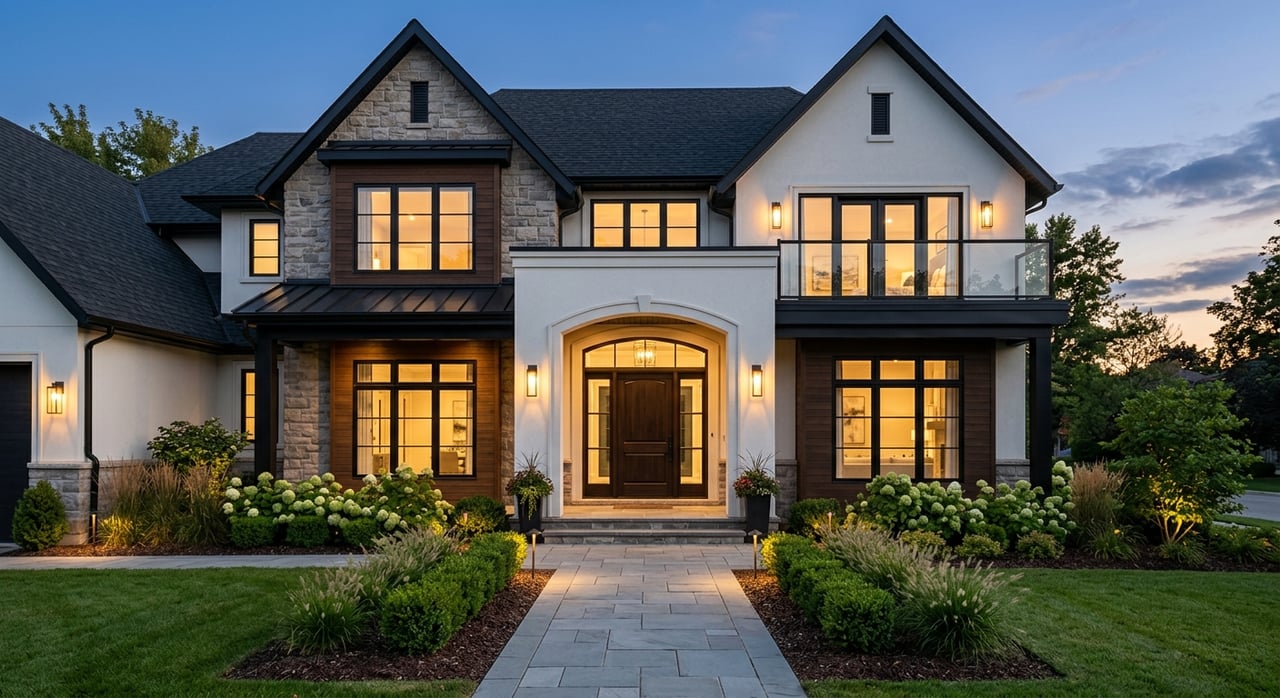
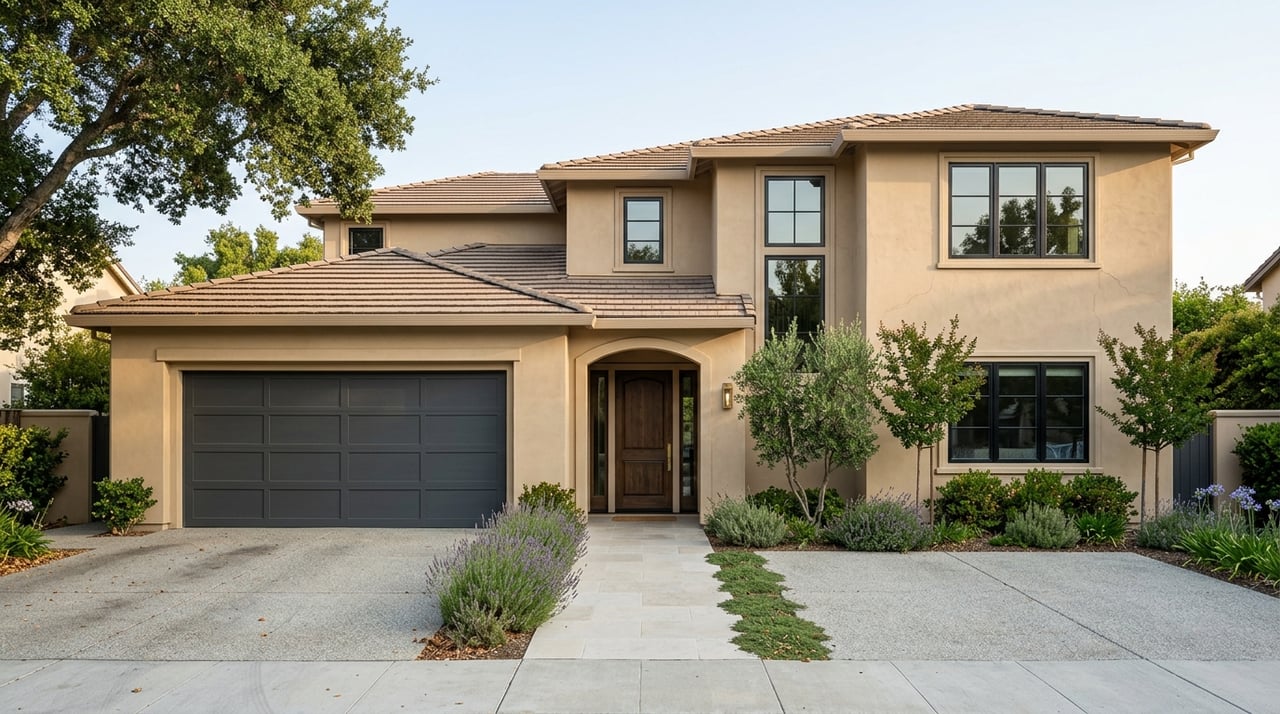
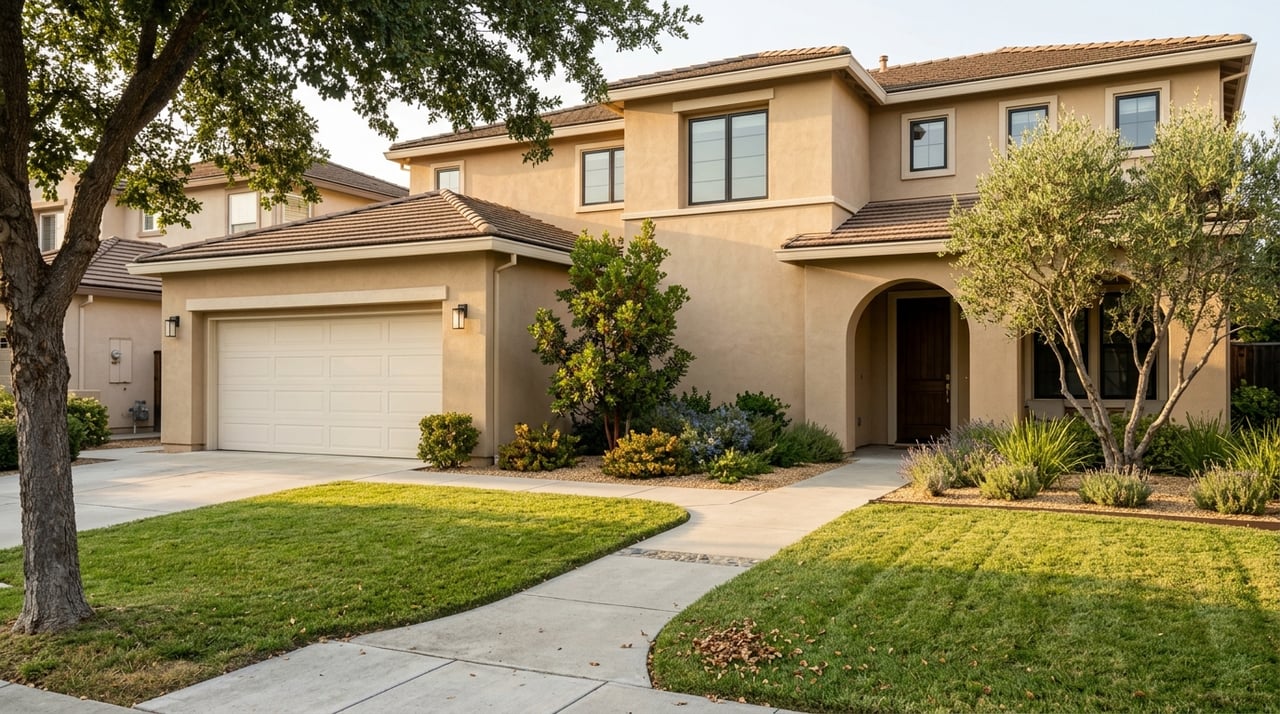
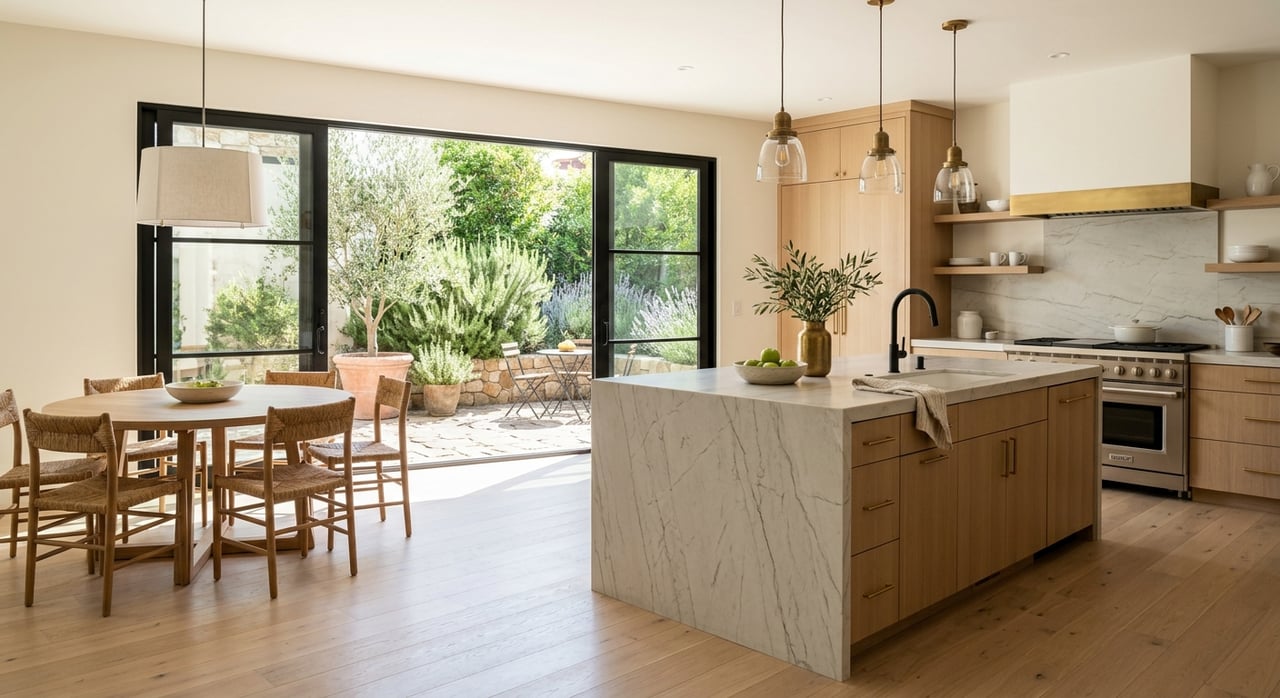
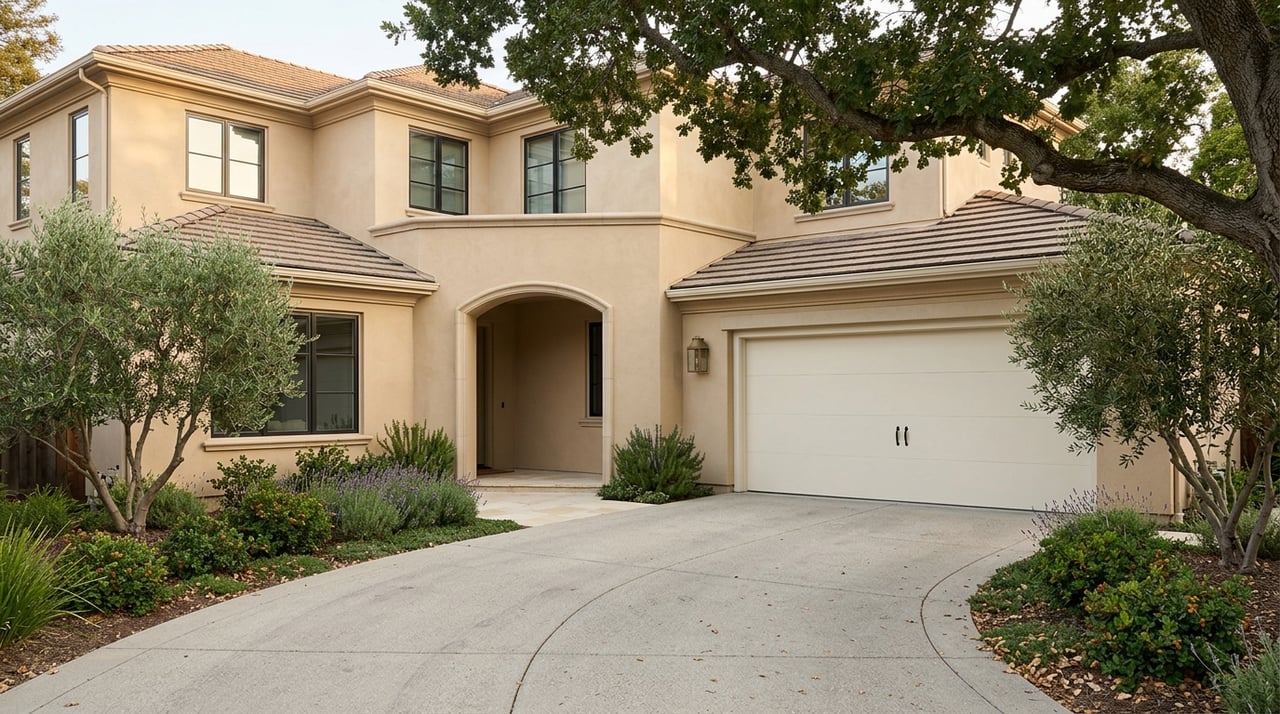
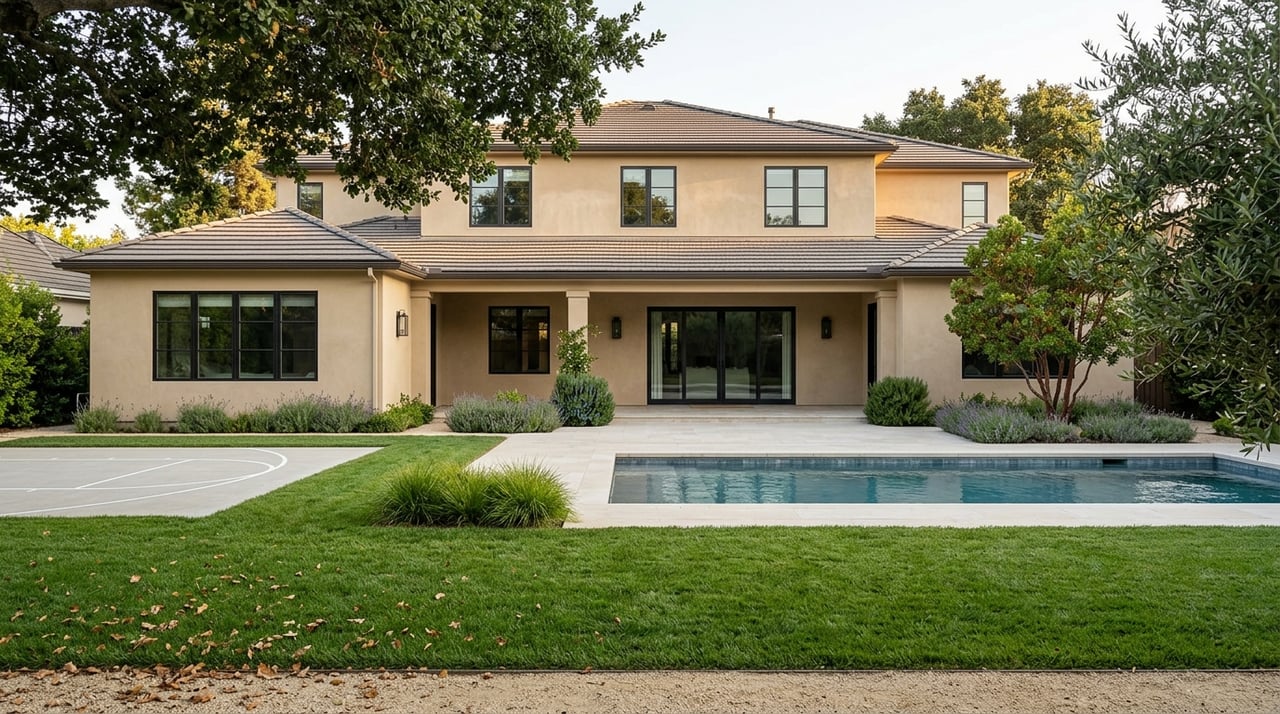
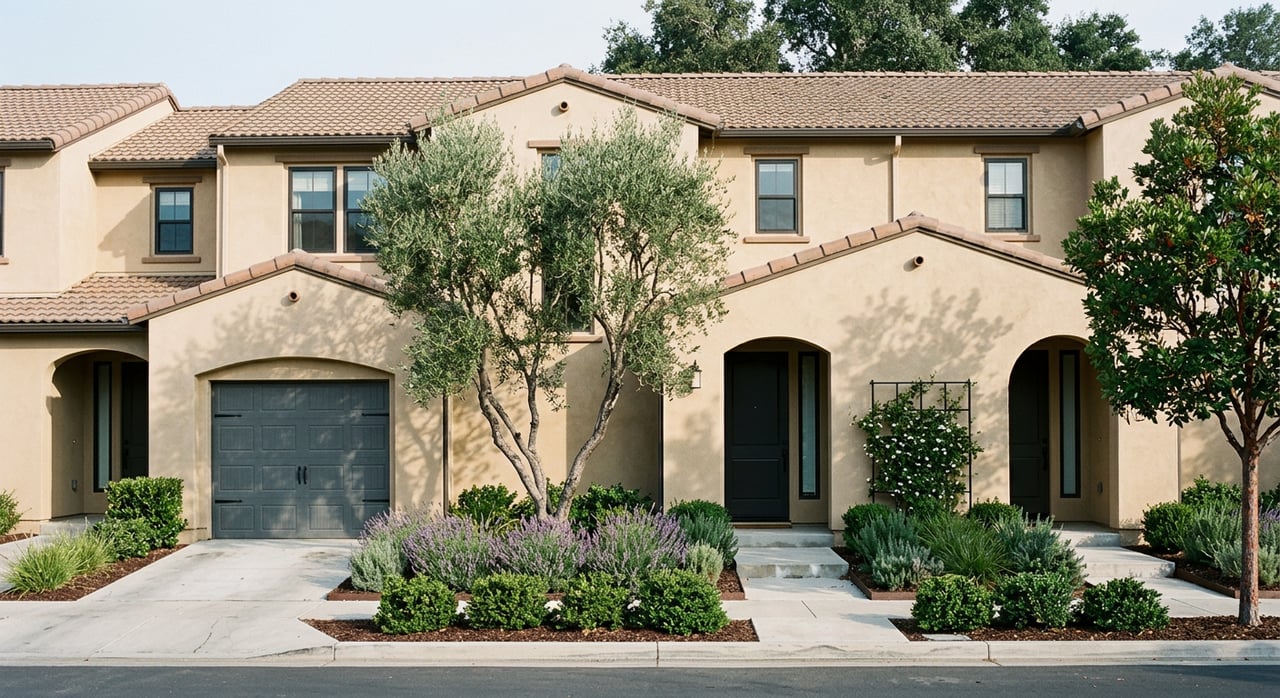
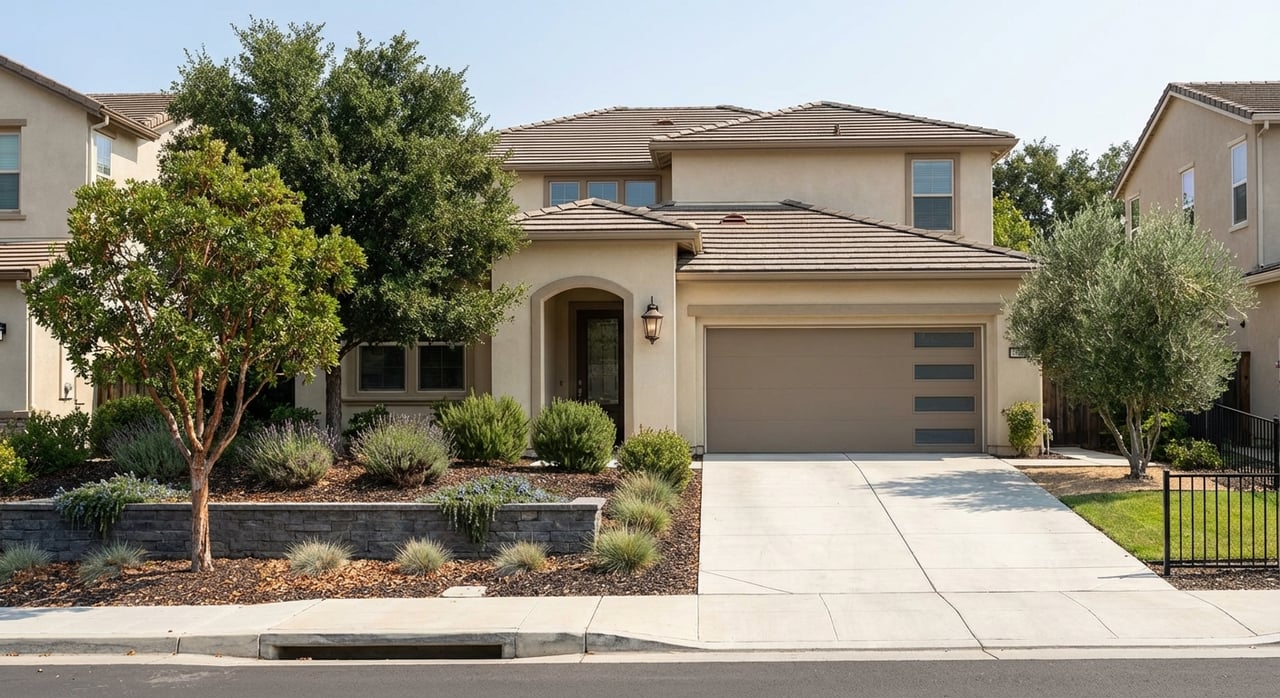
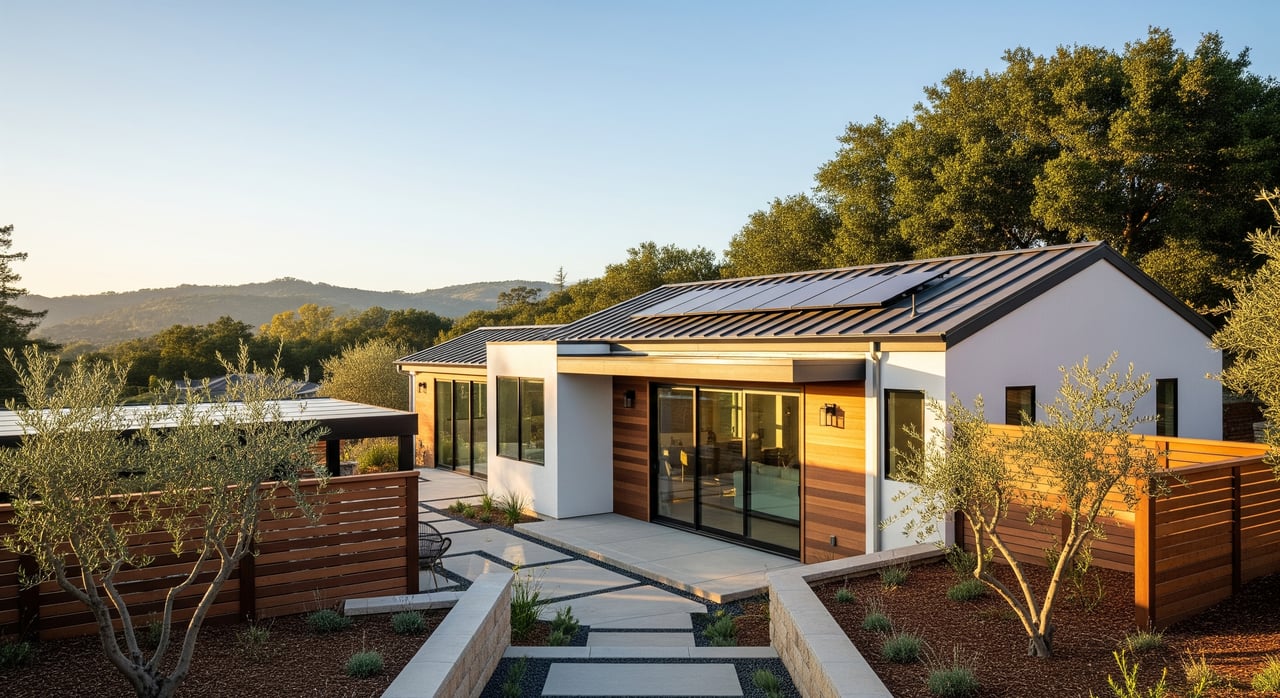
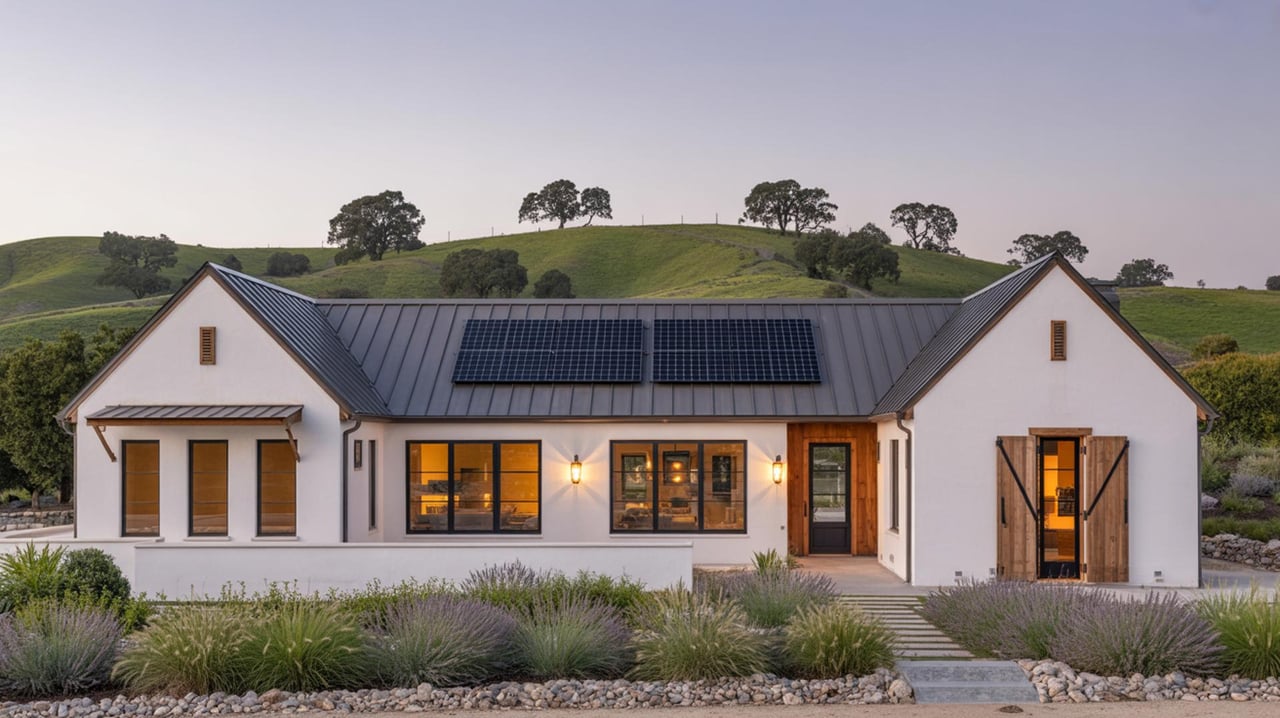
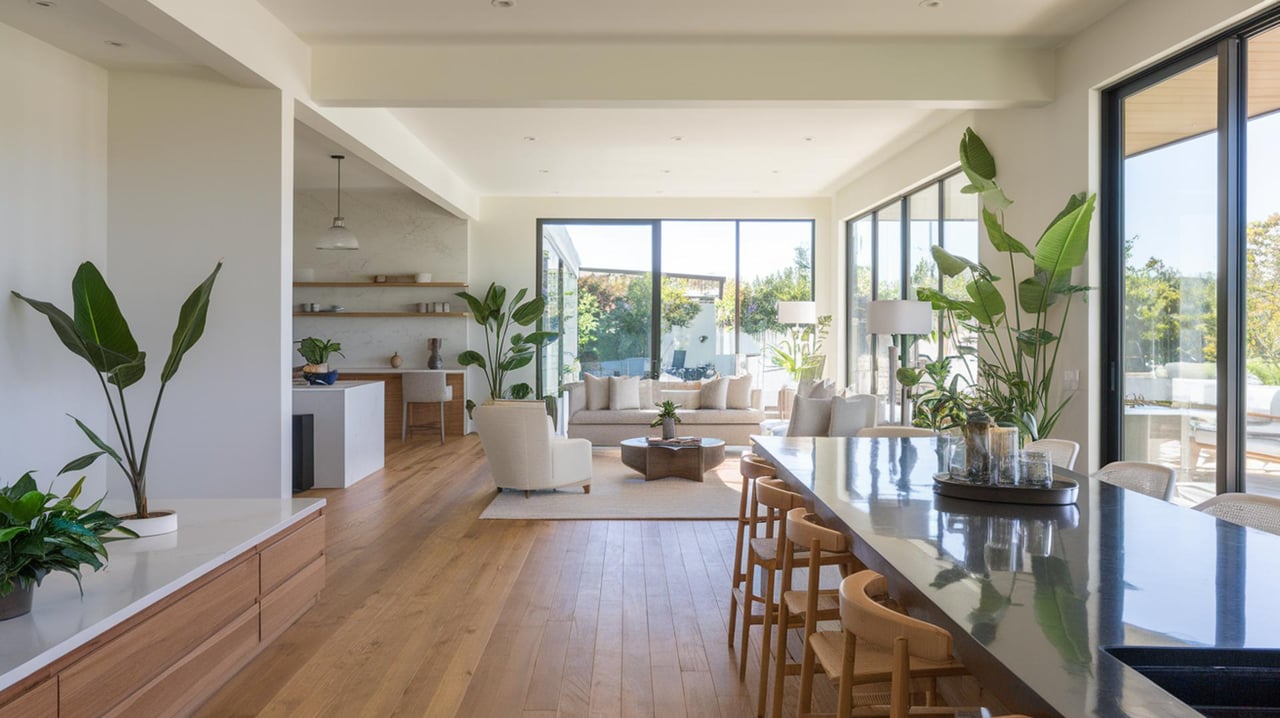
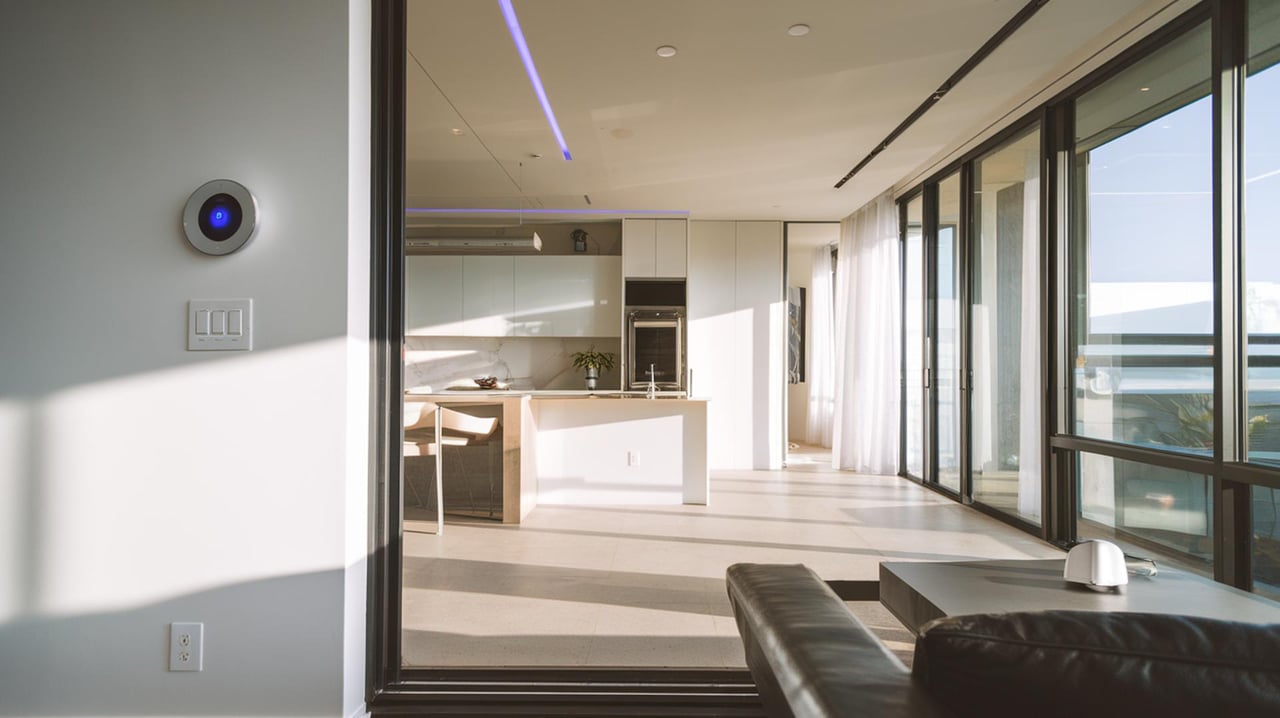
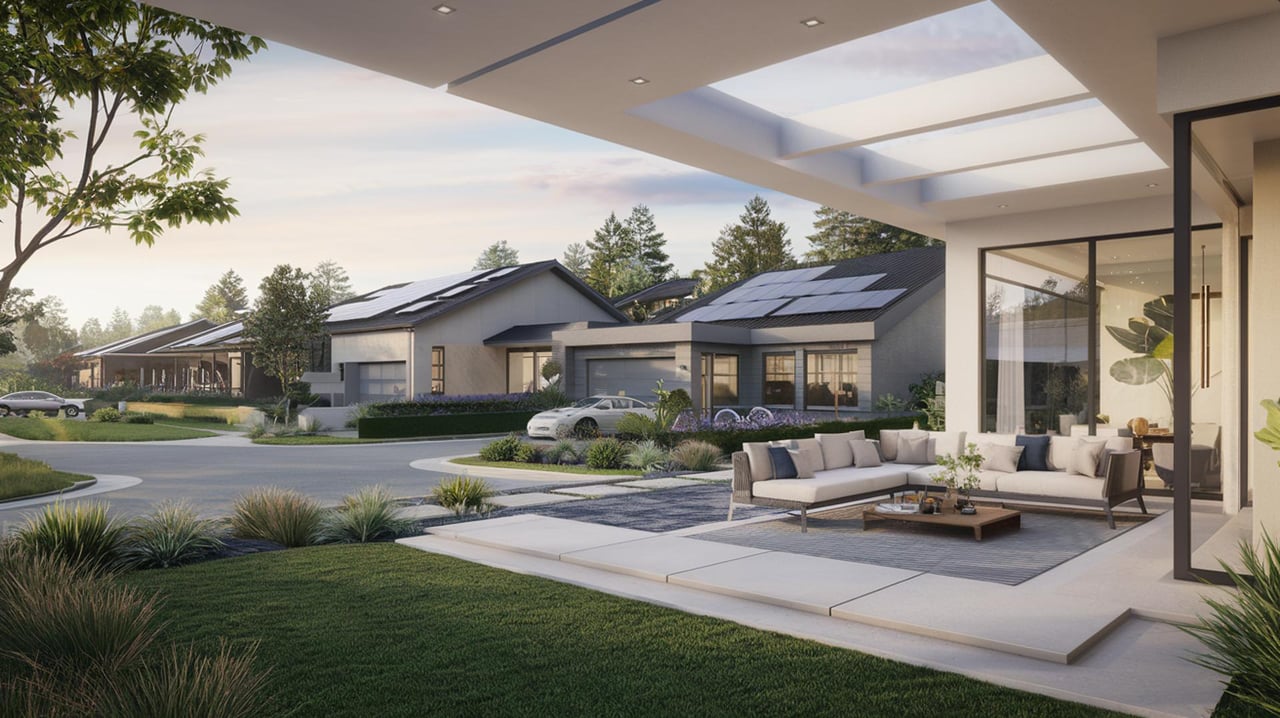
Housing options are broader than many people expect. The city’s general plan says Pleasanton has historically been made up mostly of single-family detached homes in traditional subdivisions, but buyers and renters can also find apartments, attached homes, and ADU or JADU possibilities. The city also notes a large stock of rental housing in existing apartment complexes, along with programs for first-time buyers, rentals, and senior housing.
Housing types you may find
- Single-family detached homes
- Attached homes
- Apartment communities
- Properties with ADU or JADU potential
- Options that may suit downsizers or multigenerational living
Who Pleasanton Fits Best
Pleasanton tends to appeal to buyers who want a little more than just a house. It suits people looking for a home base where errands are manageable, recreation is close, and weekends can feel full without a long drive. That can be especially attractive if you are relocating and want a community that is easy to learn and easy to live in.
It can also be a strong fit if you want flexibility. Some buyers are focused on detached homes and yards, while others want lower-maintenance living with access to downtown and transit. Pleasanton supports several lifestyle paths, even though pricing remains on the premium side.
For many East Bay buyers, the biggest draw is the combination itself. Pleasanton is not just about downtown, and it is not just about wine-country access. It is the fact that you can enjoy both while also having parks, trails, shopping, and commute options built into daily life.
Why This Location Feels Different
Some suburbs are mainly residential. Others are mostly defined by commute convenience. Pleasanton stands out because it feels more self-contained, with enough dining, recreation, and housing variety to support both weekday routines and weekend plans.
That is what makes the idea of living between Downtown Pleasanton and wine country so compelling. You are not choosing between convenience and leisure. In many cases, you are choosing a place that gives you a practical daily base and a lifestyle upgrade at the same time.
If you are considering Pleasanton, the right guidance can help you compare neighborhoods, housing types, and commute patterns in a way that matches how you actually want to live. When you are ready to explore Pleasanton or other East Bay suburbs with a trusted local perspective, connect with Valerie Vicente for thoughtful, concierge-level guidance.
FAQs
What is daily life like near Downtown Pleasanton?
- Daily life near Downtown Pleasanton often centers on walkable routines like coffee, dining, shopping, and the Saturday farmers’ market, with Main Street serving as the city’s main activity corridor.
How close is Pleasanton to Livermore Valley wine country?
- Pleasanton is part of the broader Tri-Valley wine ecosystem, and Livermore Valley Wine Country, which has 42 wineries with tasting rooms, is a short drive east for tastings, events, and winery visits.
What outdoor amenities does Pleasanton offer residents?
- Pleasanton offers 46 parks, more than 60 miles of trails, over 700 acres of undeveloped open space, and nearby recreation areas like Shadow Cliffs and Pleasanton Ridge.
What transit options are available in Pleasanton for East Bay commuting?
- Pleasanton has two BART stations and ACE Rail service on weekday commuter runs, giving residents transit access while still supporting a mostly car-based lifestyle.
What types of homes can buyers find in Pleasanton?
- Buyers in Pleasanton will mostly find single-family detached homes, along with some attached homes, apartments, and properties that may include ADU or JADU possibilities.
Is Pleasanton considered a premium housing market?
- Yes. Census QuickFacts shows a median value of $1,537,100 for owner-occupied units, which positions Pleasanton as a high-cost suburban market.