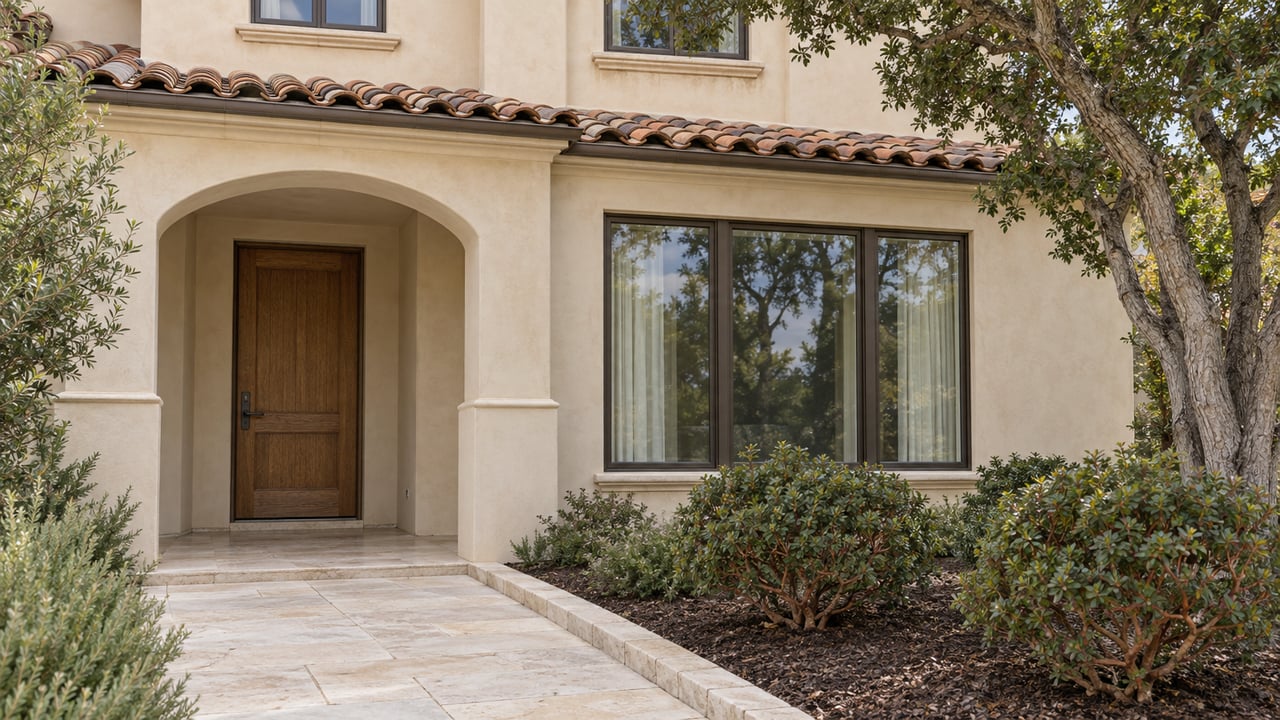
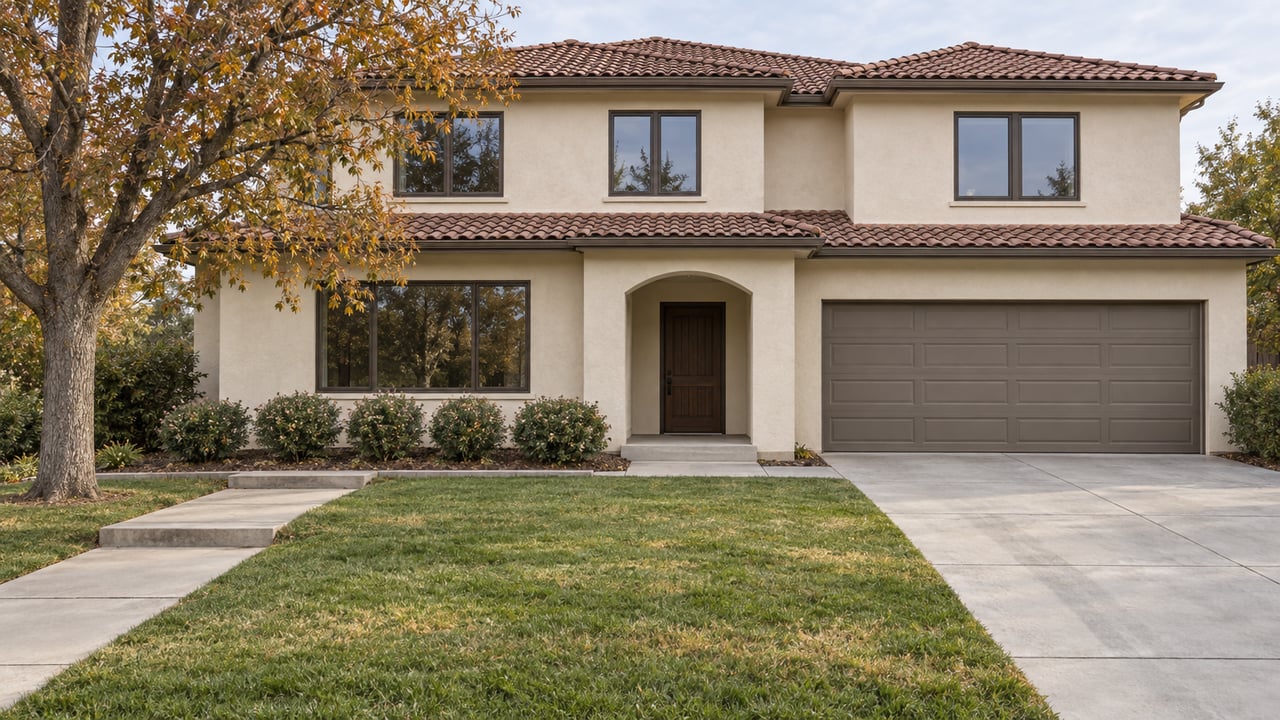
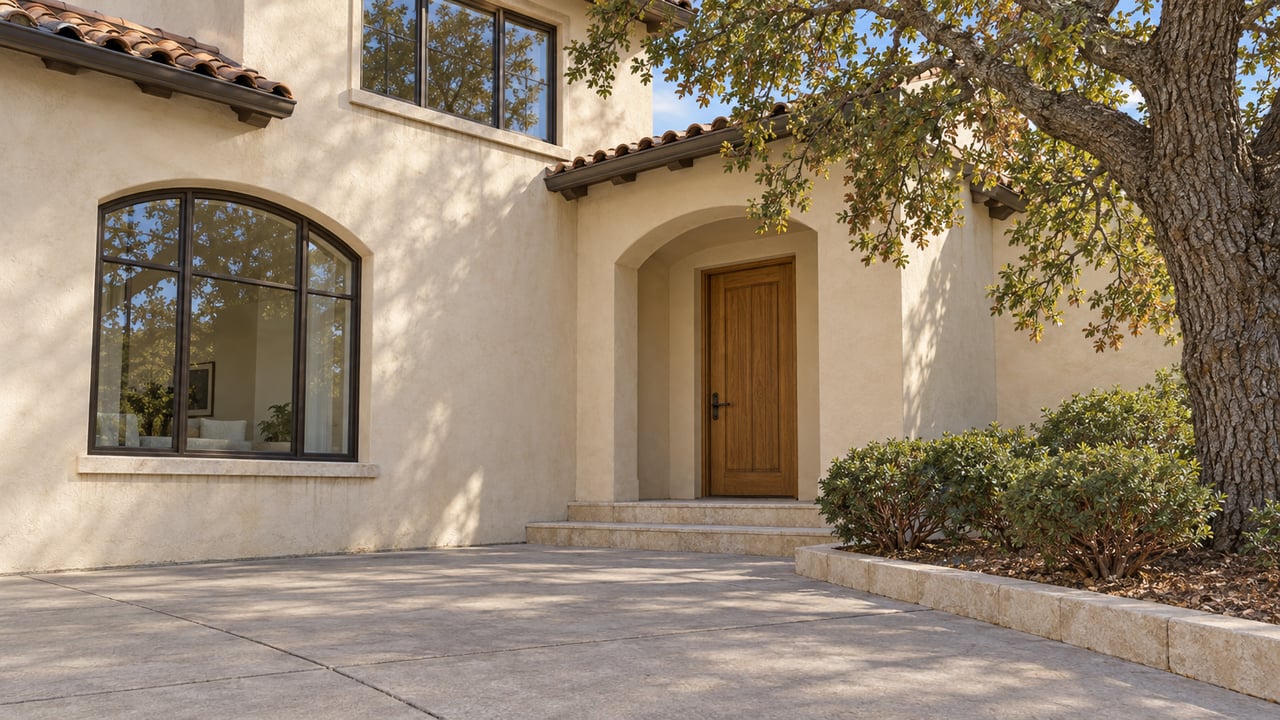
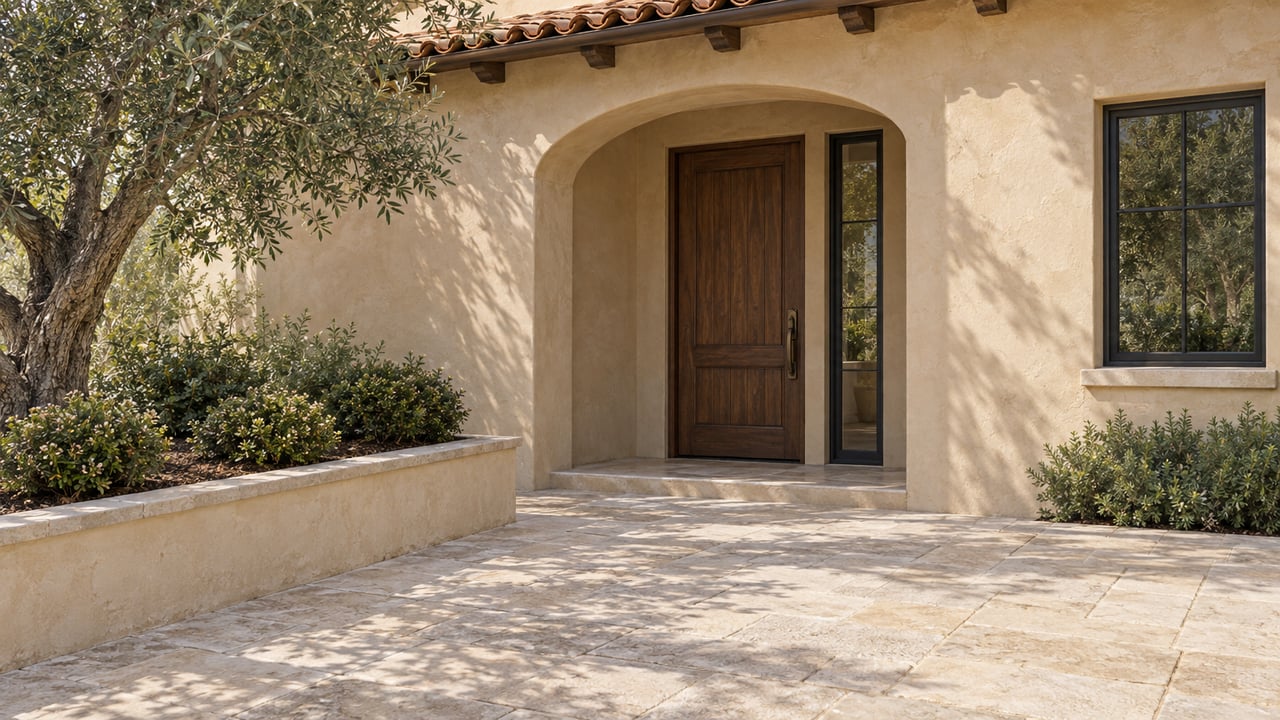
If you are trying to choose between a lively in-town lifestyle and a quieter wine-country setting, Livermore gives you both. That choice can feel exciting, but it can also be hard when two areas offer very different daily routines, home styles, and ways of getting around. This guide will help you compare Downtown Livermore and the vineyard corridors so you can better match your home search to the way you actually want to live. Let’s dive in.
Downtown Livermore at a Glance
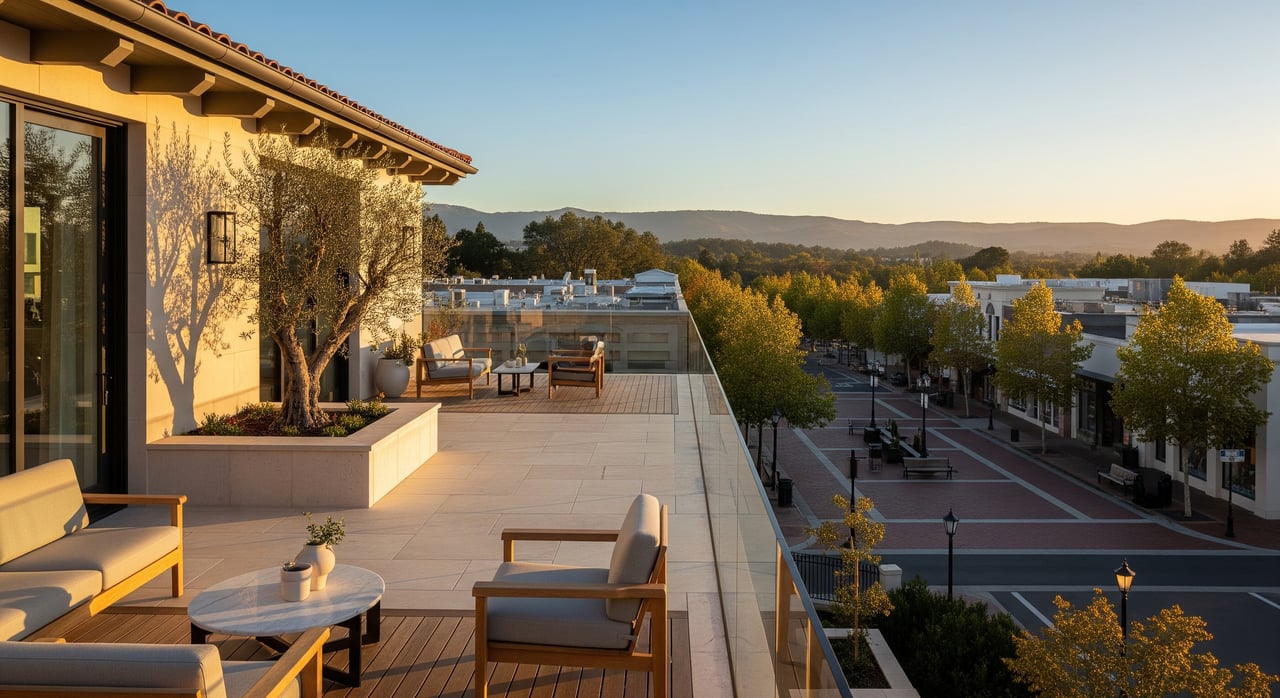
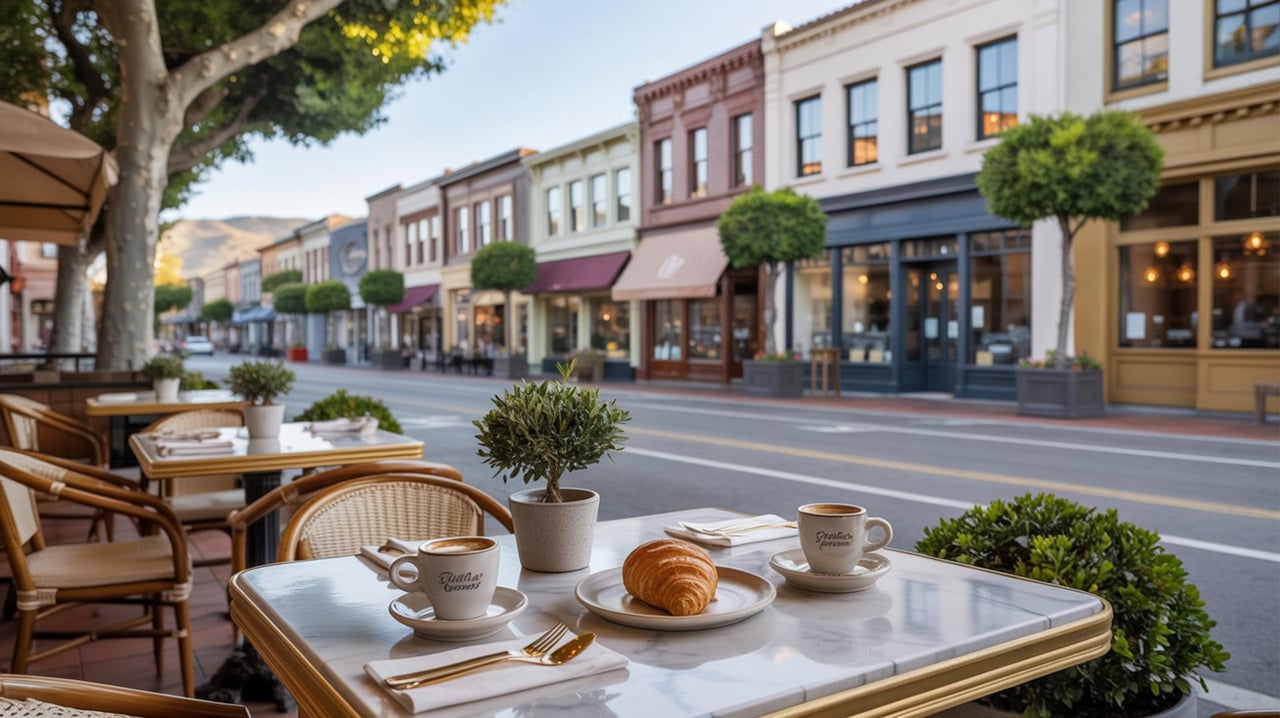
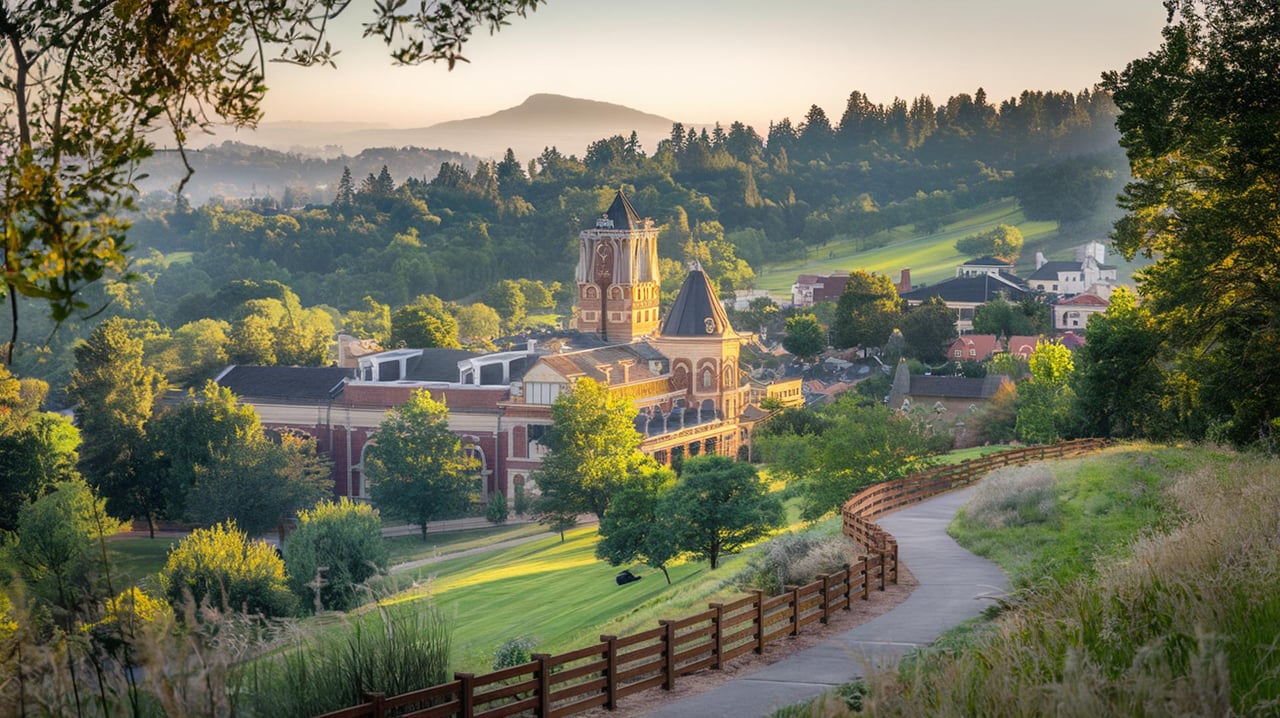
Downtown Livermore is the city’s historic core and central district. City planning materials describe it as a pedestrian-oriented area with commercial, entertainment, office, and housing uses that support local businesses. In simple terms, it is the part of Livermore built for people who want more activity close at hand.
Your day-to-day experience here is shaped by convenience and proximity. You are more likely to have restaurants, shops, gathering spaces, and community activity nearby. That creates a more urban rhythm than you will typically find along Livermore’s wine-country edge.
Vineyard Corridors at a Glance
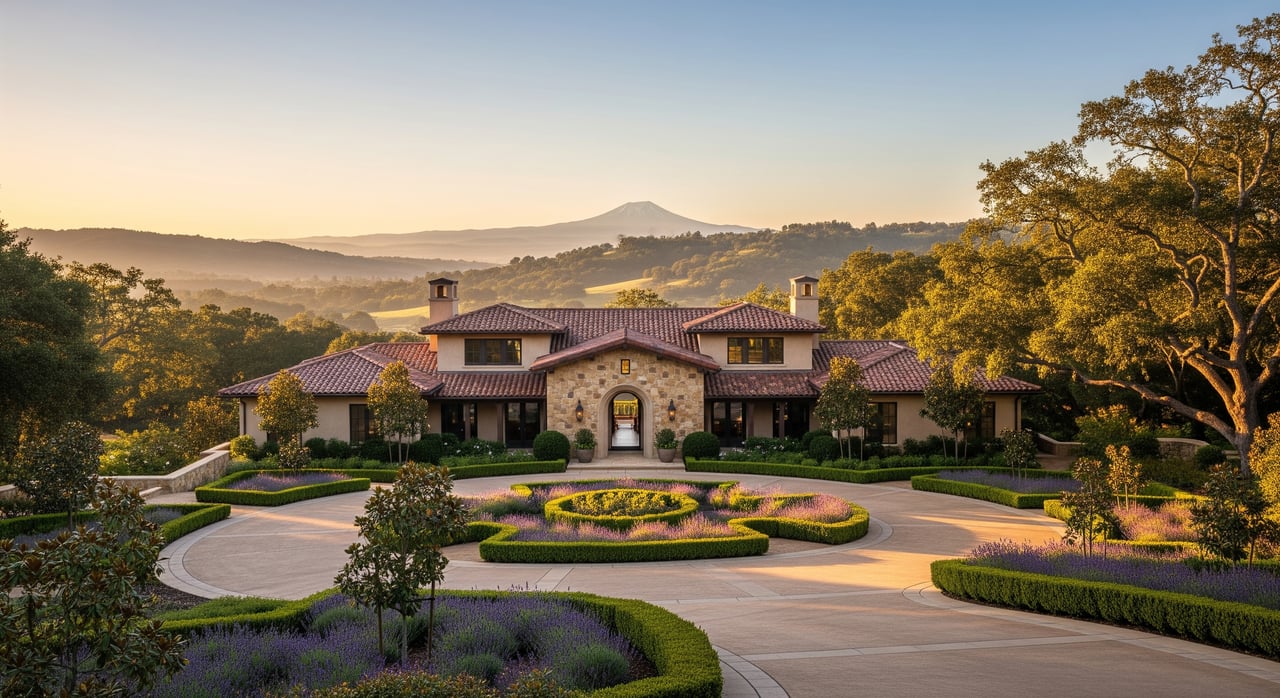
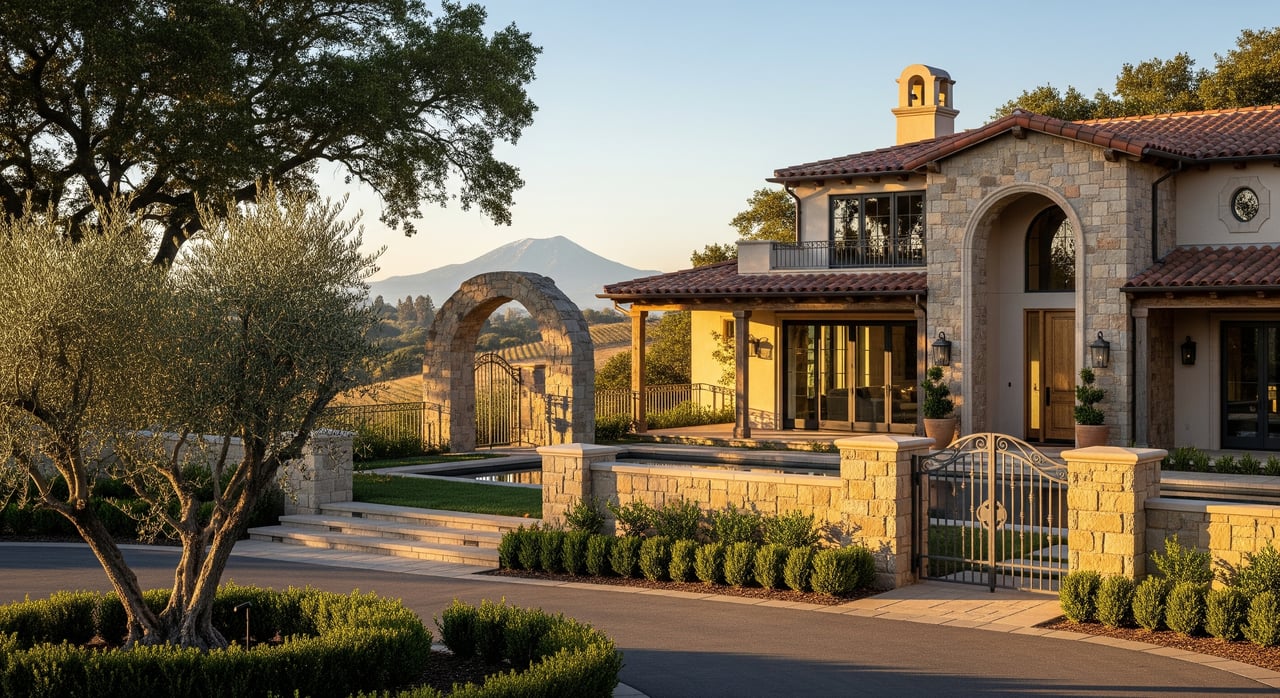
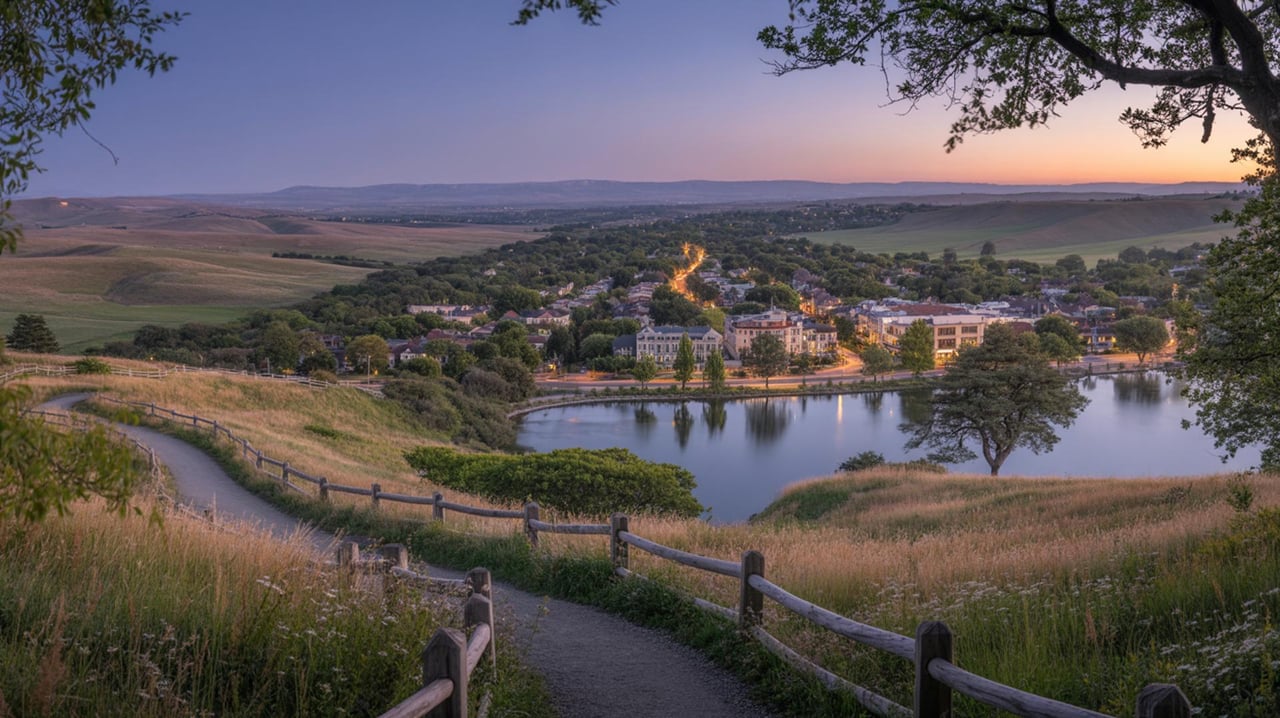
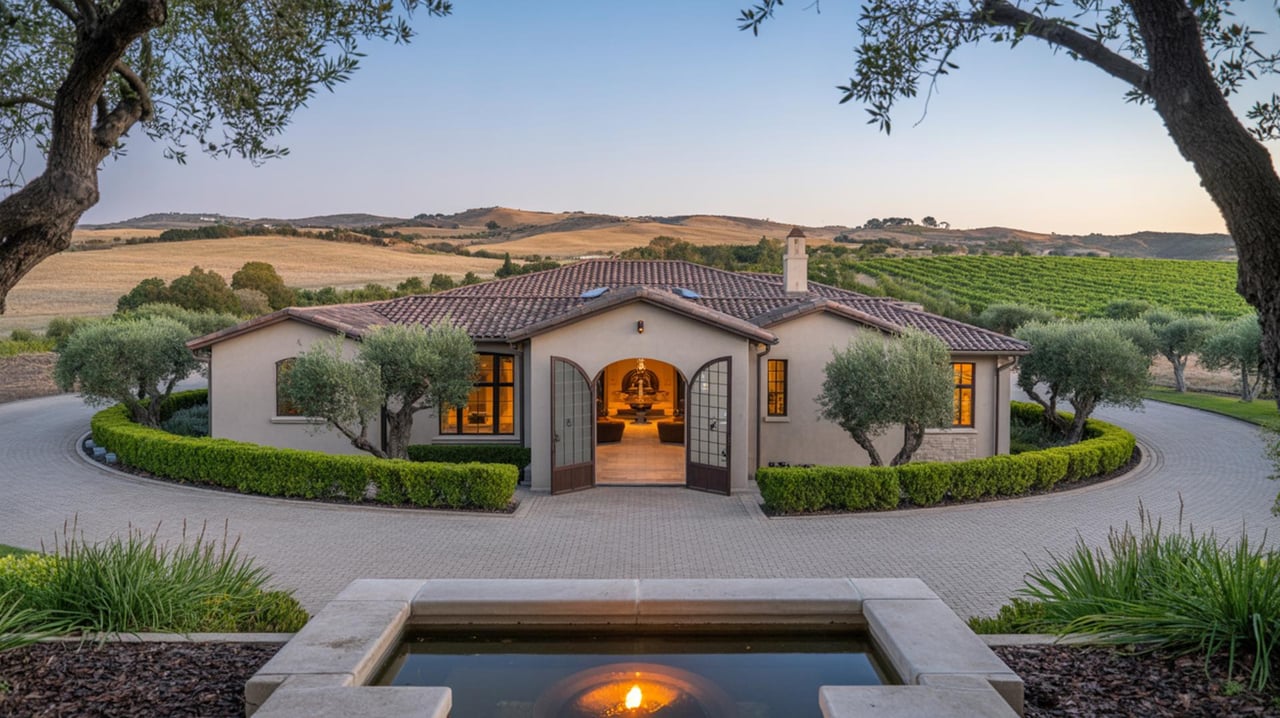
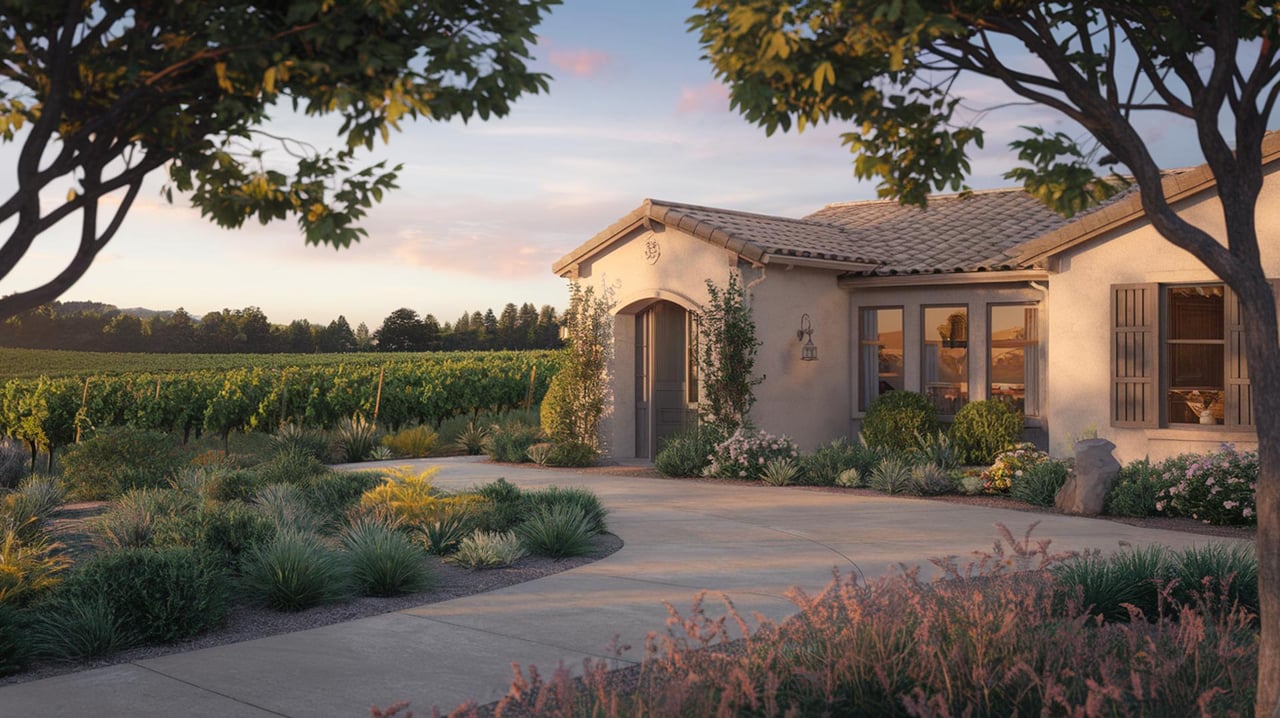
The term “vineyard corridors” is not an official neighborhood name, but it is a practical way to describe the South Livermore Valley wine-country edge and the road corridors that connect it. City and valley sources consistently highlight vineyards, orchards, open space, and rural wine-trail roads in this part of Livermore. The atmosphere is less about a central district and more about landscape, scenery, and destination travel.
If Downtown Livermore feels connected and active, the vineyard corridors feel more spread out and scenic. Your surroundings are more likely to include preserved land, winery destinations, and longer road or trail connections. That can appeal to buyers who want a calmer daily setting with a little more breathing room.
Housing Style and Space
Downtown homes feel more compact
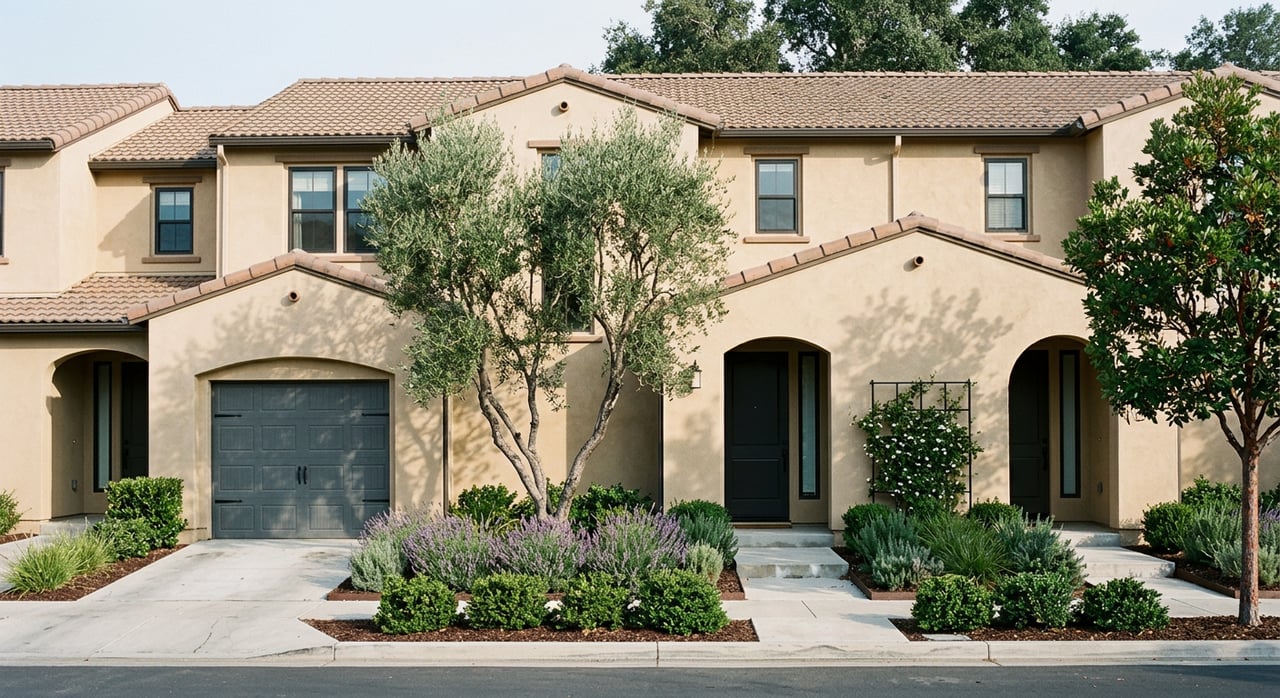
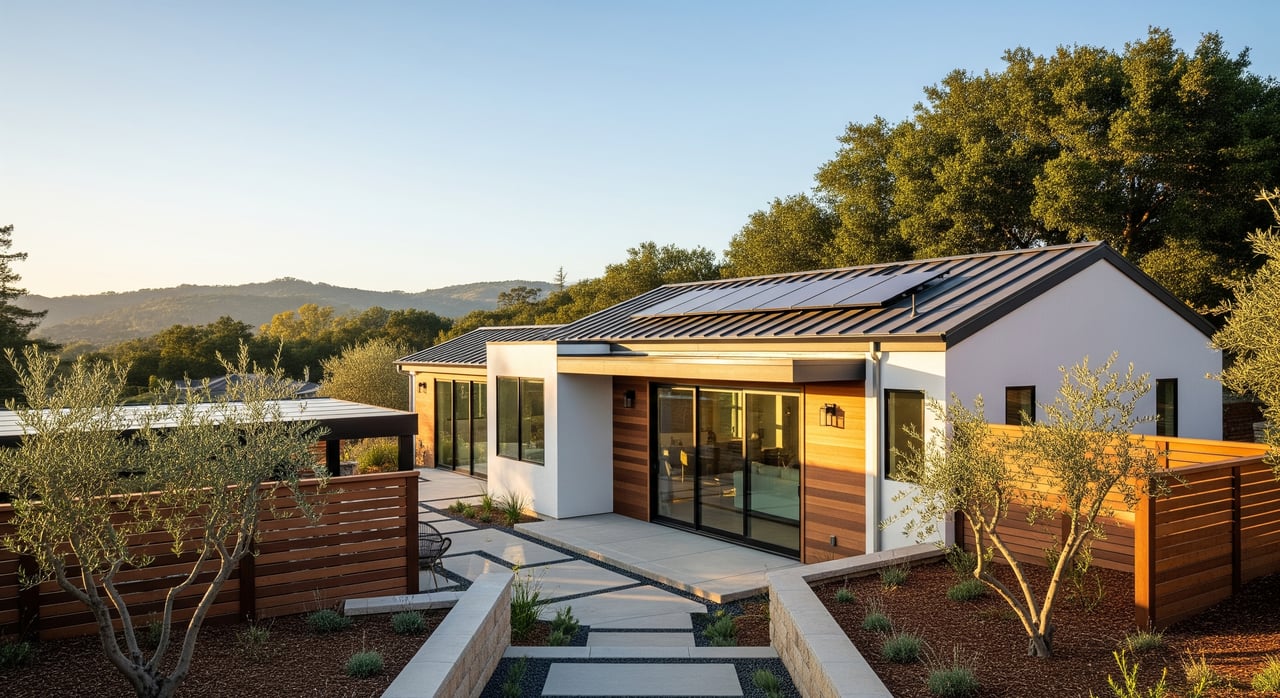
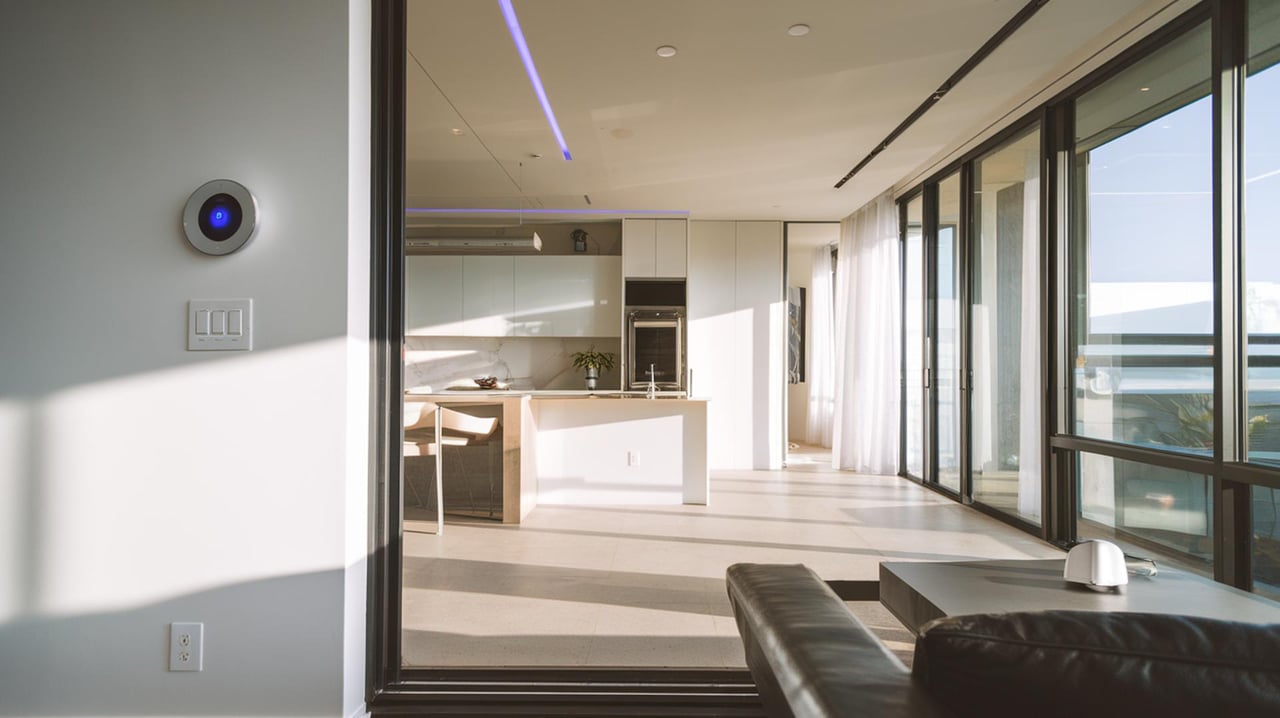
Downtown Livermore has a more compact and mixed-use housing pattern. The downtown specific plan includes standards for commercial and mixed-use buildings, multi-family development, and attached and detached single-family homes. One example is a 130-unit workforce apartment community built on about 2 acres in four-story buildings.
For you as a buyer, that often means smaller parcels, less private yard space, and in some cases shared walls or homes closer together. If you value lower-maintenance living or like being near activity, that may feel like a strong fit. If you picture a larger lot and more separation from neighbors, you may find downtown less aligned with your goals.
Vineyard corridor homes feel more spacious
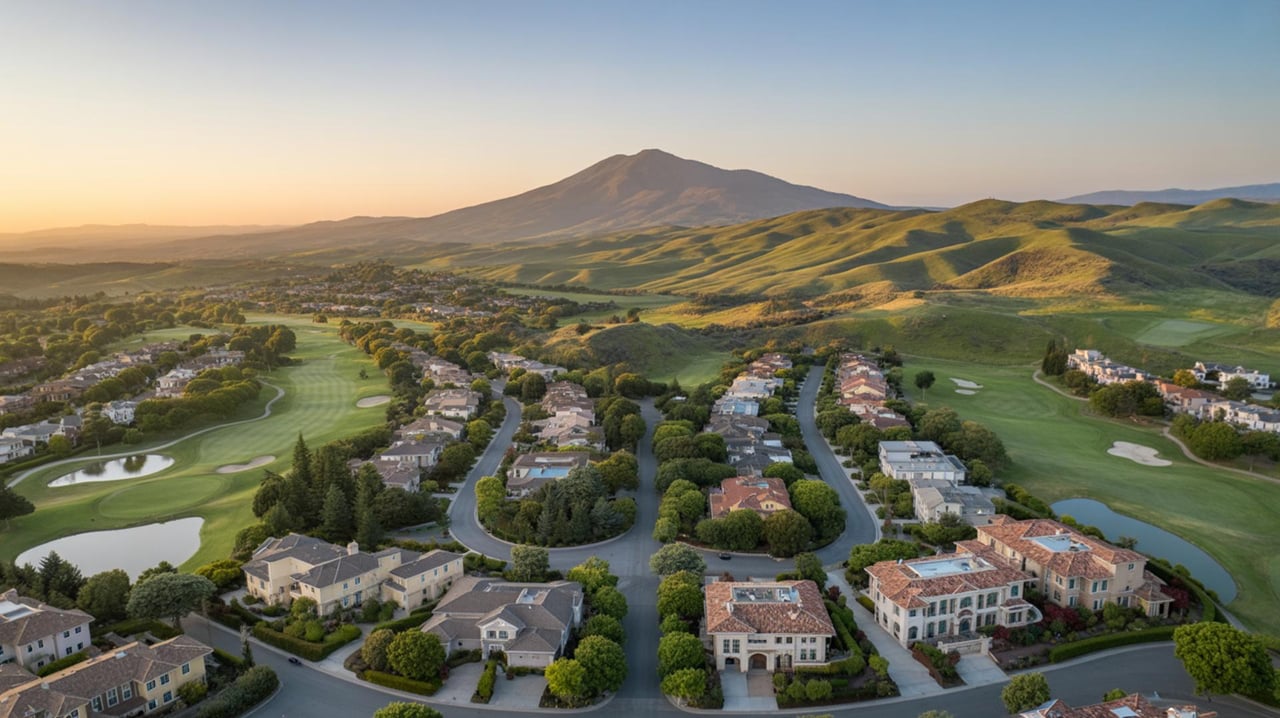
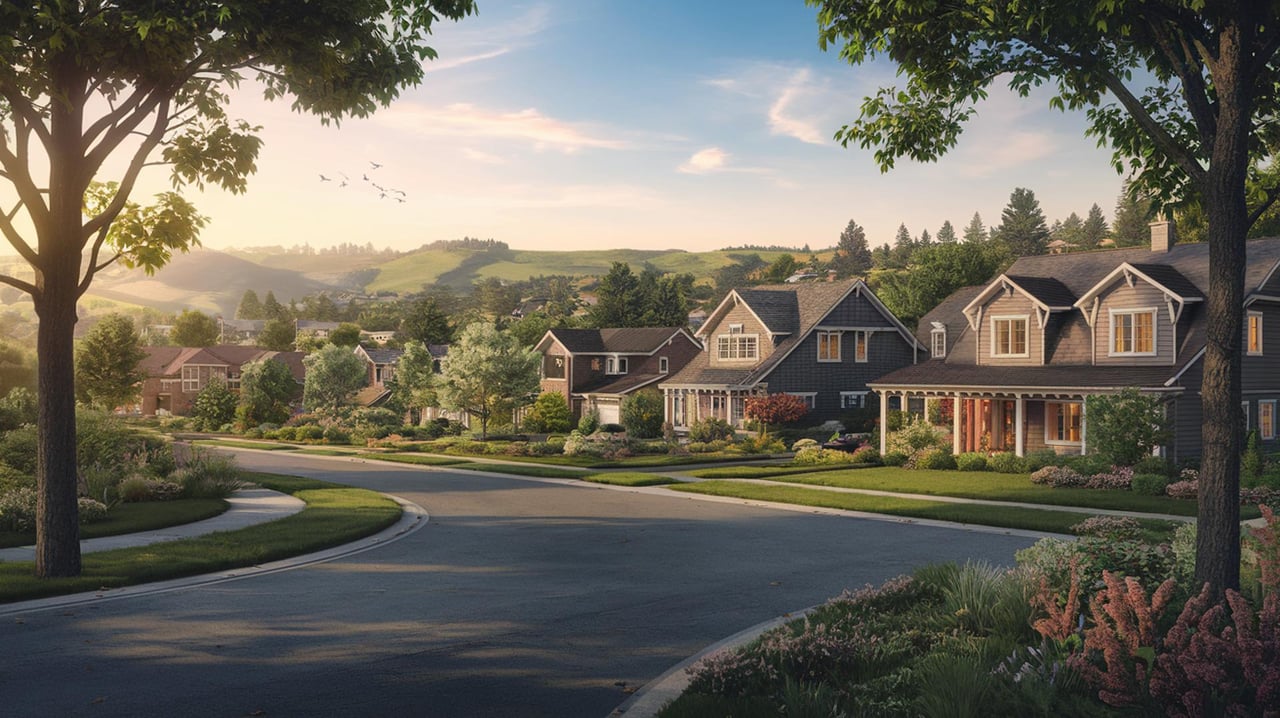
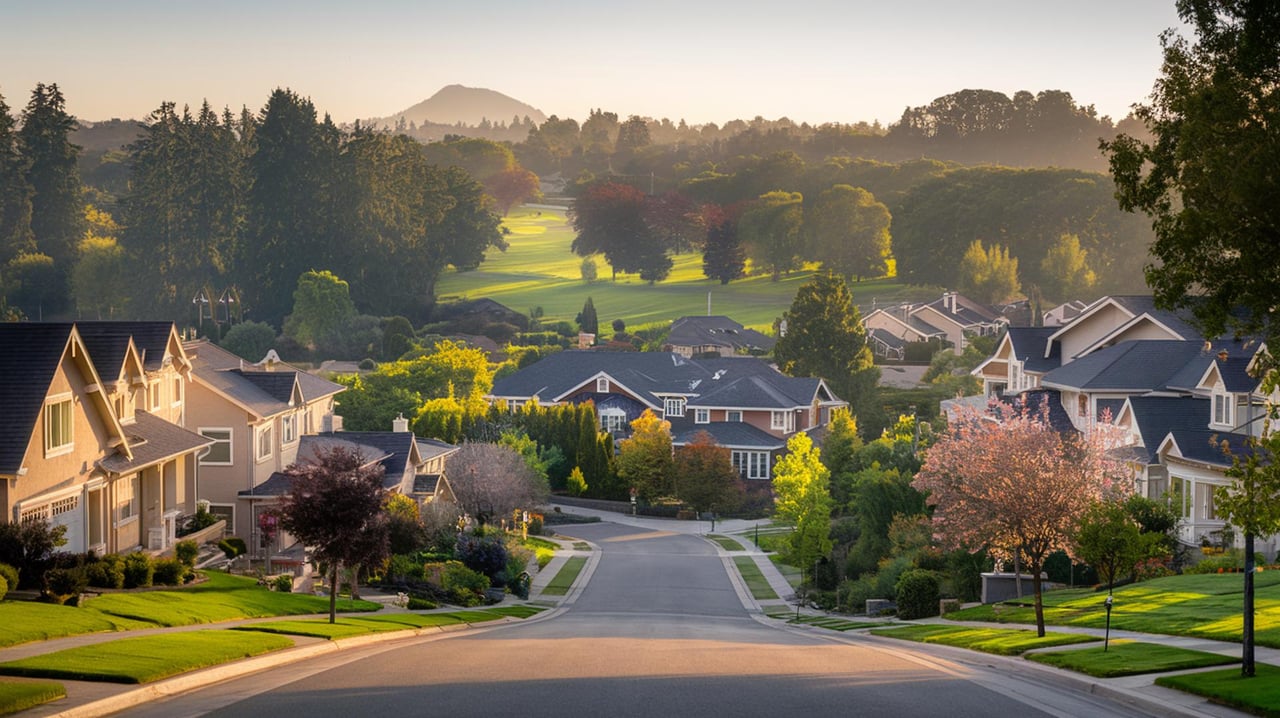
The South Livermore Valley Specific Plan covers about 1,891 acres along the city’s southern boundary. Its design standards call for a minimum average lot width of 60 feet and a minimum lot depth of 80 feet. Lots next to open space must generally be at least 75 feet wide and 9,000 square feet or more, with limited exceptions.
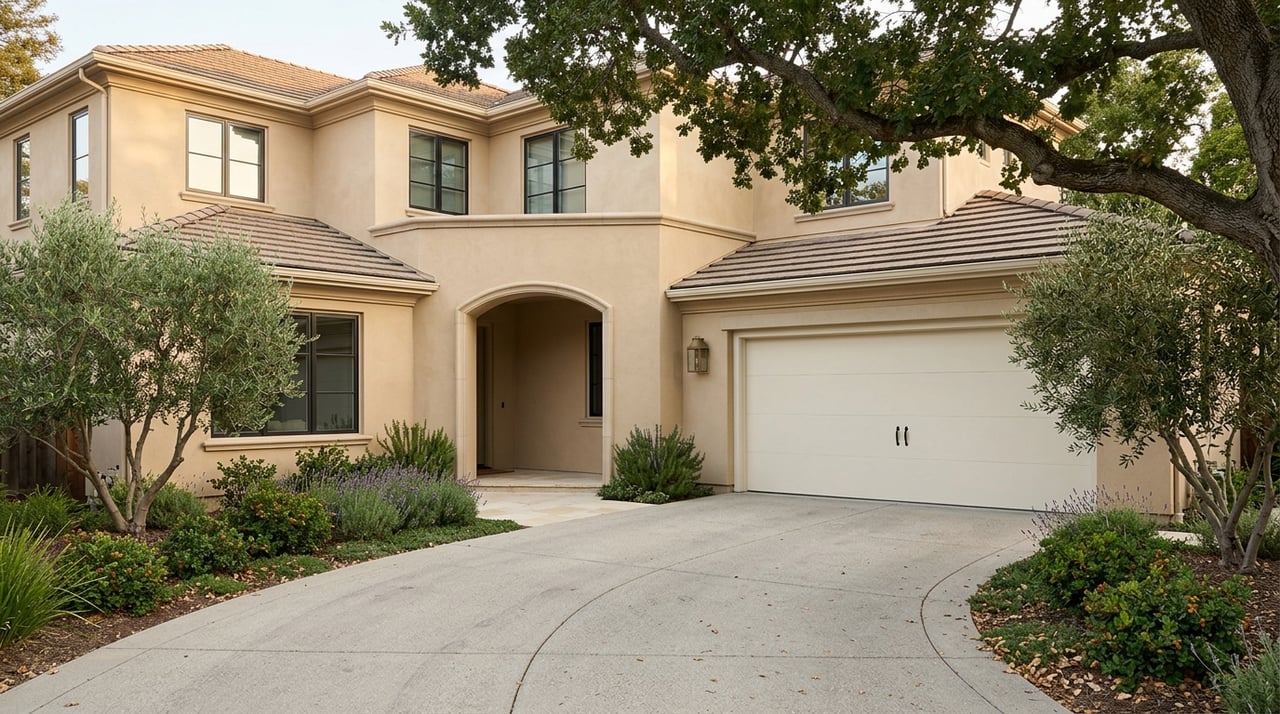
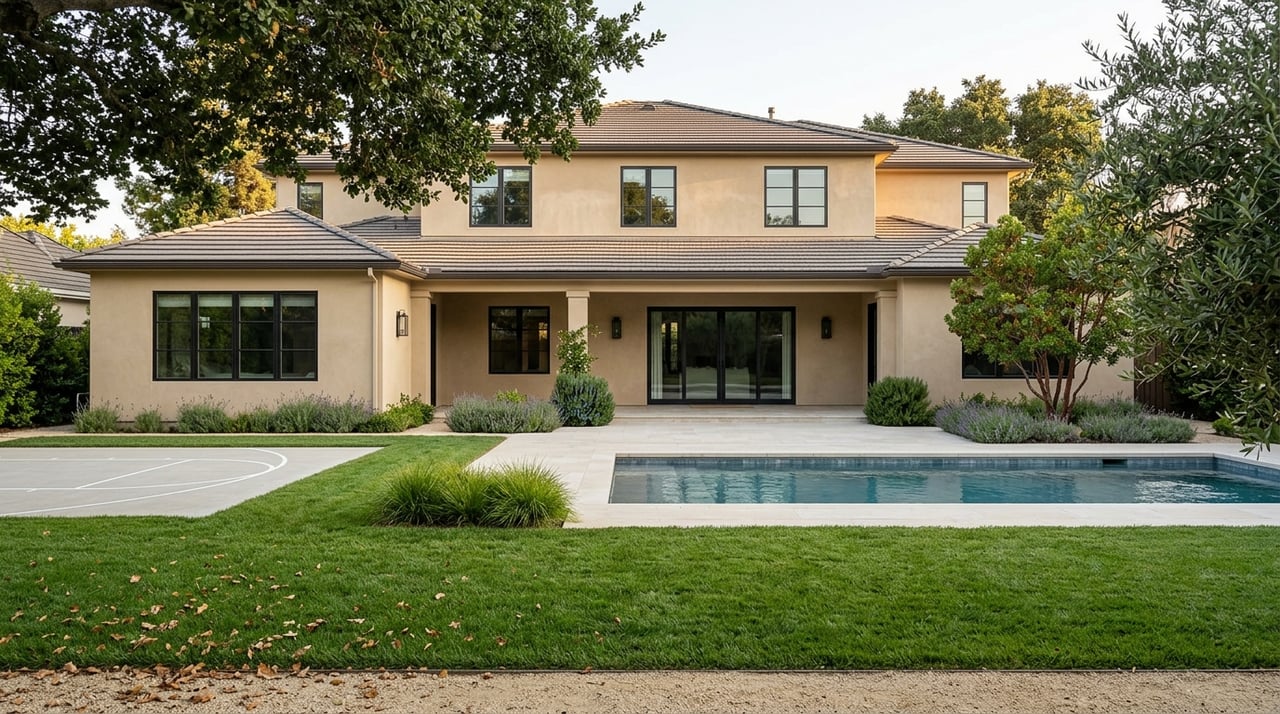
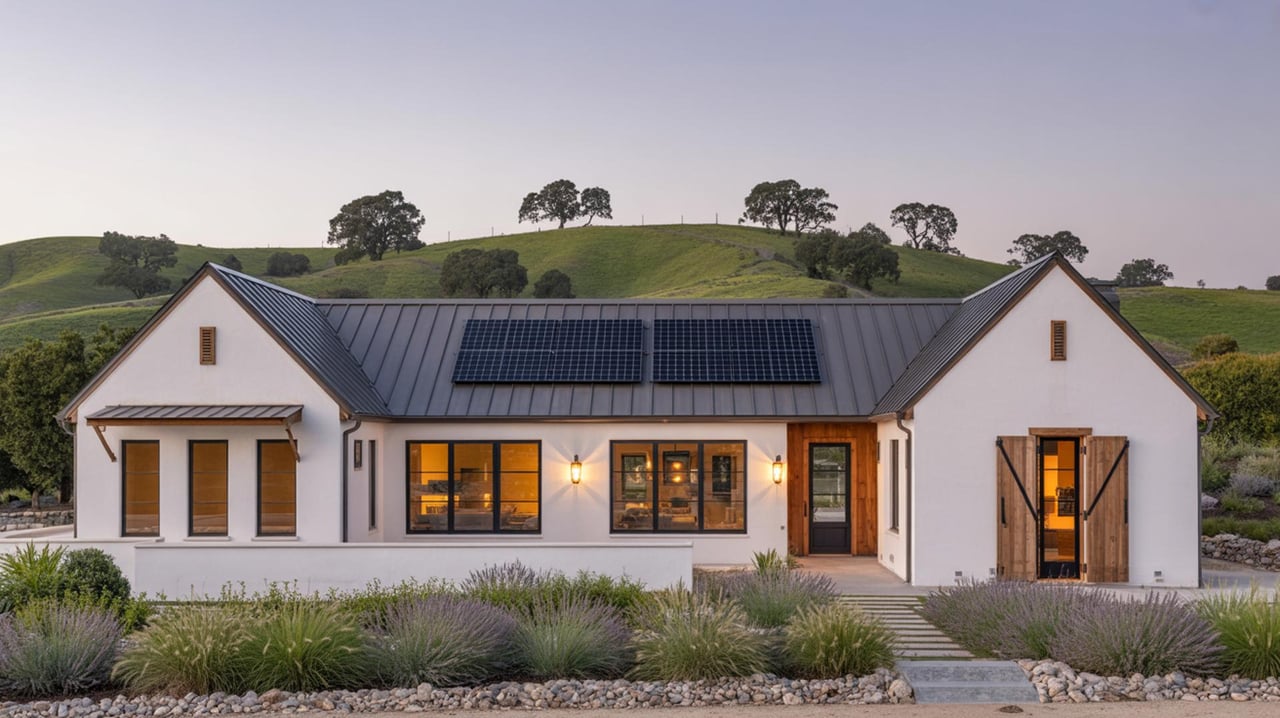
That planning framework usually creates a more spacious detached-home feel. You may notice more distance between homes and a stronger sense of openness from the street. Individual properties still vary, but overall, this area tends to support buyers who want more room and a less compact setting.
Restaurants, Entertainment, and Daily Routine
Downtown supports spontaneous outings
If you like the idea of stepping out for dinner, browsing shops, or catching a performance without much advance planning, downtown has the advantage. The city describes downtown as a place where visitors can stroll, shop, see a movie or performing arts event, and dine in a distinctive setting. The area also hosts live outdoor music during the summer.
Downtown improvements have been designed to preserve outdoor dining and public gathering space. Planning documents also support circulation around nearby retail, restaurants, and the Bankhead Theater. For many buyers, that means your free time can feel more flexible and social.
Vineyard corridors are more destination-based
Life along the vineyard corridors usually works a little differently. The local wine-country experience centers on wineries, vineyards, tours, events, and transportation tied to those destinations. The South Livermore Valley wine-trail network is intended to connect wineries, vineyards, and related stops along rural roads.
That means your outings may be more planned than spontaneous. Instead of walking to dinner, you are more likely to drive to a tasting, winery event, or scenic stop. If that sounds relaxing rather than inconvenient, the vineyard corridors may suit your lifestyle well.
Commute and Mobility Differences
Downtown offers stronger transit access
Downtown Livermore has the clearest transit advantage. ACE provides weekday service through Livermore and Vasco stations, and Wheels connects the Tri-Valley to BART, ACE, and other regional systems. Wheels also operates customer service from the Livermore Transit Center on weekdays.
The city has also redesigned parts of downtown to slow traffic and reduce cut-through commute activity on First Street. Signal coordination on major corridors helps direct through-traffic to arterials. If your routine includes regional commuting or you want more transportation options, downtown gives you more flexibility.
Vineyard corridors are more car-oriented
The vineyard corridors are generally more car-dependent. City planning documents note that many local roadways in the South Livermore Valley are rural roads with one travel lane in each direction. The broader access network includes corridors such as East Vineyard Avenue, Wetmore Road, Arroyo Road, Marina Avenue, Wente Street, Tesla Road, Greenville Road, Isabel Avenue, and the Concannon Boulevard extension.
This part of Livermore is organized around longer road and trail connections rather than a dense transit grid. For some buyers, that is part of the appeal. If you do not mind driving for errands, dining, or commuting, the tradeoff may feel well worth it for the setting.
Parks, Trails, and Open Space
Downtown keeps green space close
Downtown Livermore does include public open space, but it is woven into a more urban environment. Stockmen’s Park sits on South Livermore Avenue, and the downtown plan set aside 3.5 acres of publicly accessible open space. Project history also notes a 1.5-acre park that serves as a focal point in the downtown green-space network.
Flagpole Plaza is being redesigned to preserve gathering space and outdoor dining as well. So while downtown does not offer the same broad scenic feel as the wine-country edge, it still provides places to gather, relax, and enjoy outdoor time close to the center of activity.
Vineyard corridors emphasize scenery and trails
In the vineyard corridors, open space is part of the identity of the area. The city’s open-space program emphasizes scenic value, agricultural conservation, and non-motorized recreation. The South Livermore Valley Trail is intended to connect the South Livermore Valley Wine Trail, Isabel Trail, and Arroyo Mocho Trail, with a longer-term extension toward future Alameda-Tesla State Parkland.
For you, that creates a different kind of outdoor experience. Instead of compact neighborhood parks, you are more likely to enjoy scenery, preserved land, and trail access as part of everyday life. If being near broader landscape views matters to you, this area stands out.
Which Lifestyle Fits You Best?
Neither option is better across the board. The right fit depends on what you want your mornings, evenings, weekends, and commute to feel like. That is often the clearest way to compare these two parts of Livermore.
Downtown Livermore may fit if you want:
- Walkability to dining, arts, and local businesses
- A more active, central setting
- Stronger access to ACE, Wheels, and regional connections
- More compact housing or lower-maintenance living
- A daily routine built around convenience and proximity
Vineyard corridors may fit if you want:
- A quieter and more scenic setting
- Larger-lot patterns and more separation between homes
- Close access to wineries, rural roads, and destination outings
- Trails, preserved land, and broader open-space character
- A lifestyle that feels less urban and more spread out
How to Choose With Confidence
When buyers compare areas, it helps to look beyond square footage and price alone. Think about how often you want to drive, whether walkability matters to you, how much private outdoor space you want, and what kind of weekends you picture. Those details often make the biggest difference in long-term satisfaction.
If you are relocating or narrowing your search in Livermore, a neighborhood-level comparison can save time and help you focus on homes that truly fit your routine. That is especially true in a city where the lifestyle shift between downtown and the wine-country edge is so noticeable.
Livermore offers both a lively historic center and a scenic vineyard-side experience, which is part of what makes the city so appealing. If you want help weighing the tradeoffs and identifying the right fit for your move, reach out to Valerie Vicente for thoughtful, local guidance.
FAQs
What is the main lifestyle difference between Downtown Livermore and the vineyard corridors?
- Downtown Livermore offers a more walkable, activity-centered lifestyle, while the vineyard corridors offer a more scenic, spacious, and car-oriented setting.
What are homes like in Downtown Livermore compared with the vineyard corridors?
- Downtown Livermore generally has more compact and mixed-use housing patterns, while the vineyard corridors typically have larger lot standards and a more detached-home feel.
Is Downtown Livermore more walkable than the vineyard corridors?
- Yes. City materials describe downtown as pedestrian-oriented, with a concentrated mix of dining, shopping, entertainment, and public gathering spaces.
Are the vineyard corridors in Livermore close to wineries and trails?
- Yes. The area is closely tied to wineries, vineyards, wine-trail roads, and trail connections such as the South Livermore Valley Trail.
Which Livermore area is better for commuting options?
- Downtown Livermore has stronger transit access through ACE, Wheels, and regional connections, while the vineyard corridors are generally more car-dependent.
Which Livermore area is better for open-space access?
- The vineyard corridors offer broader access to scenic landscapes, preserved land, and long trail connections, while downtown offers smaller, integrated parks and public gathering spaces.