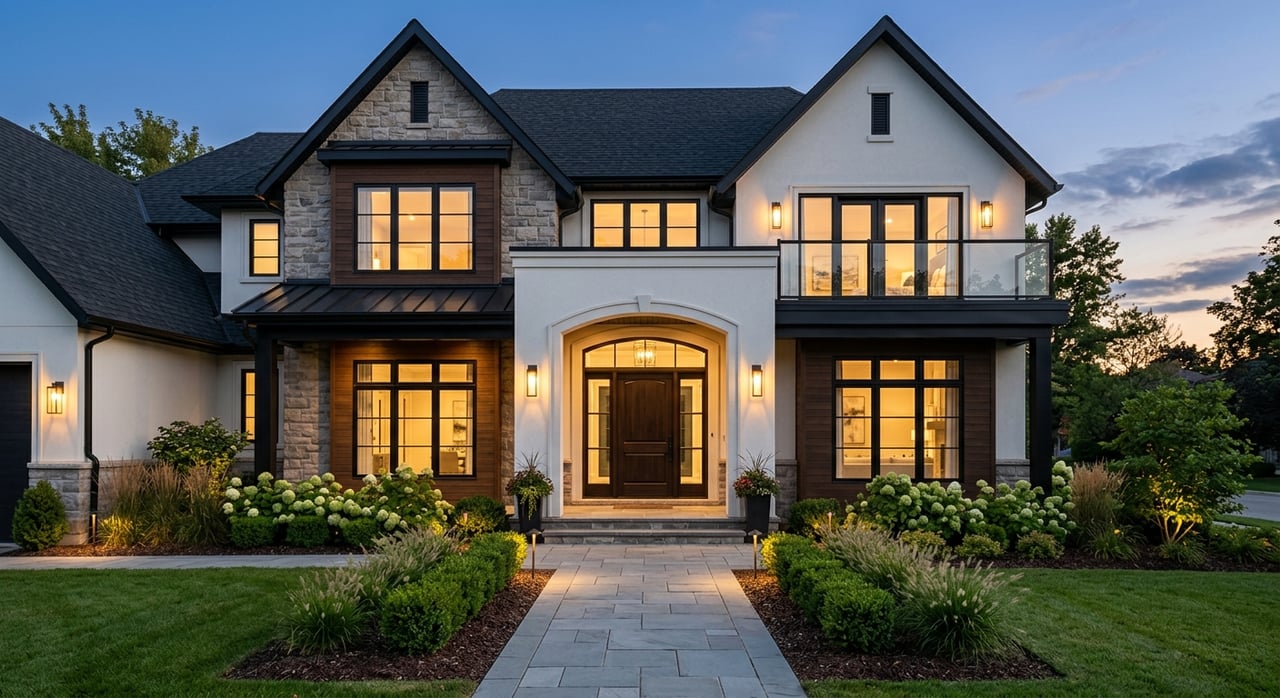
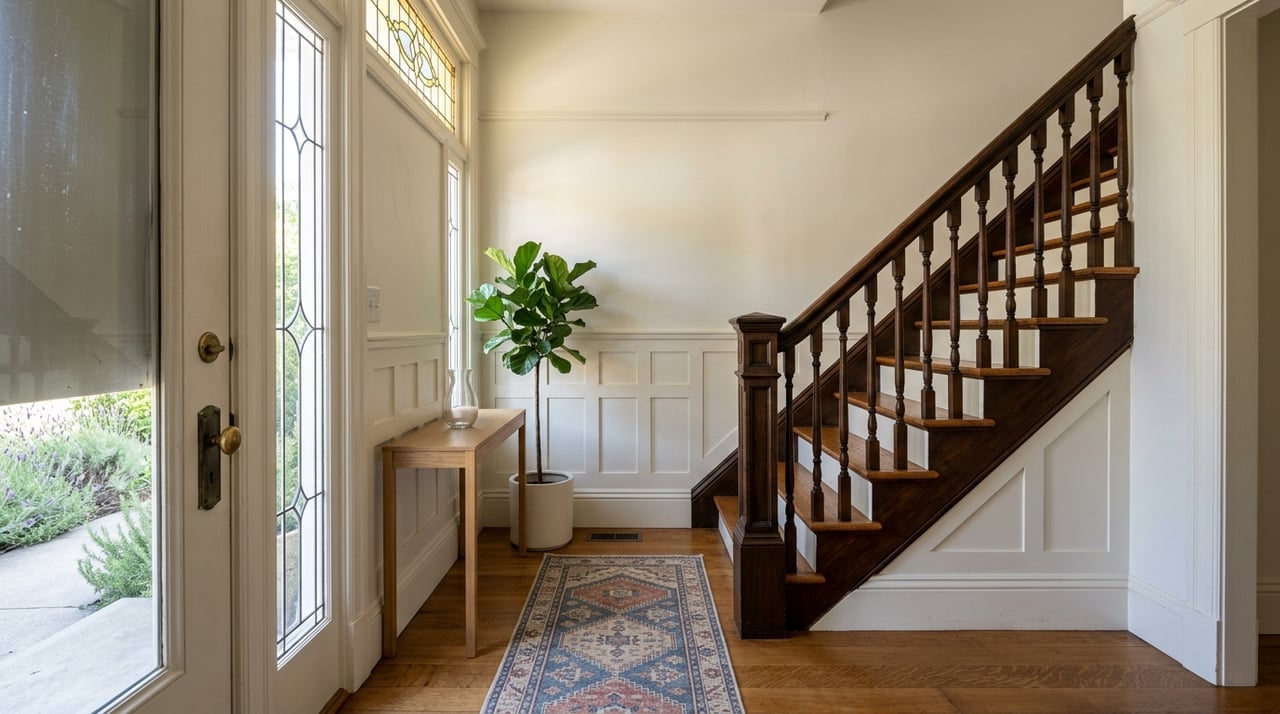
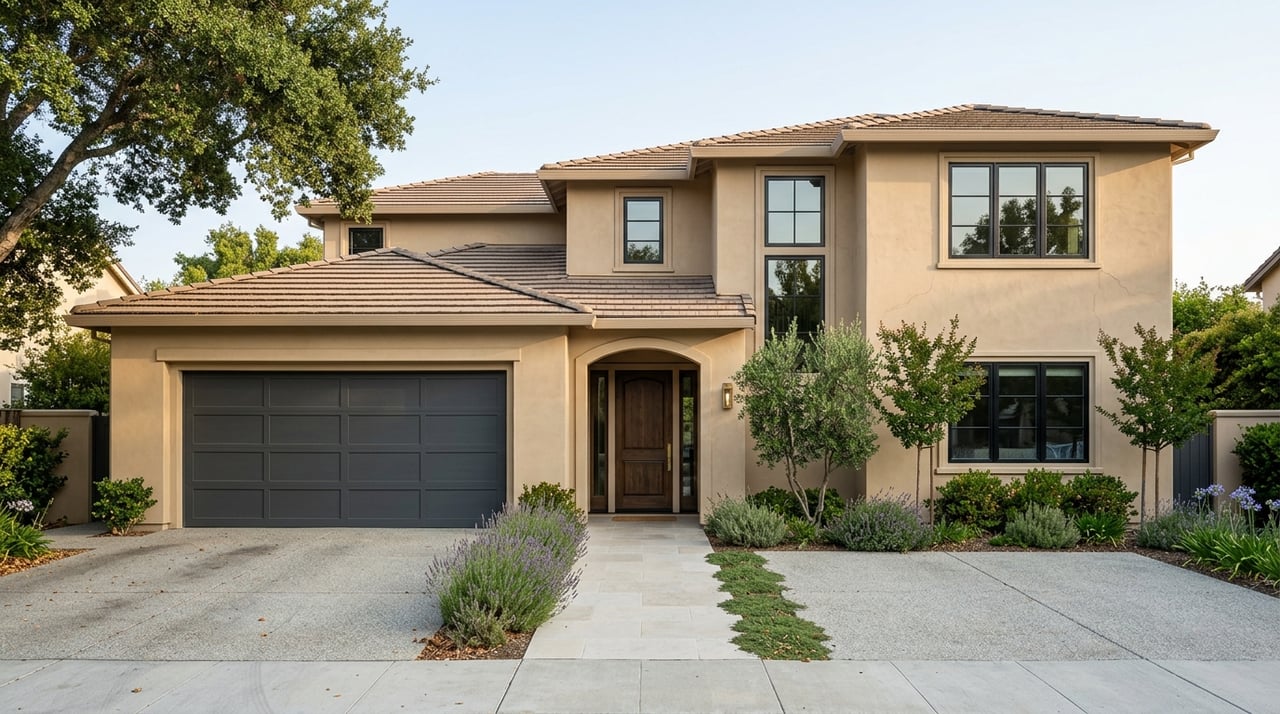
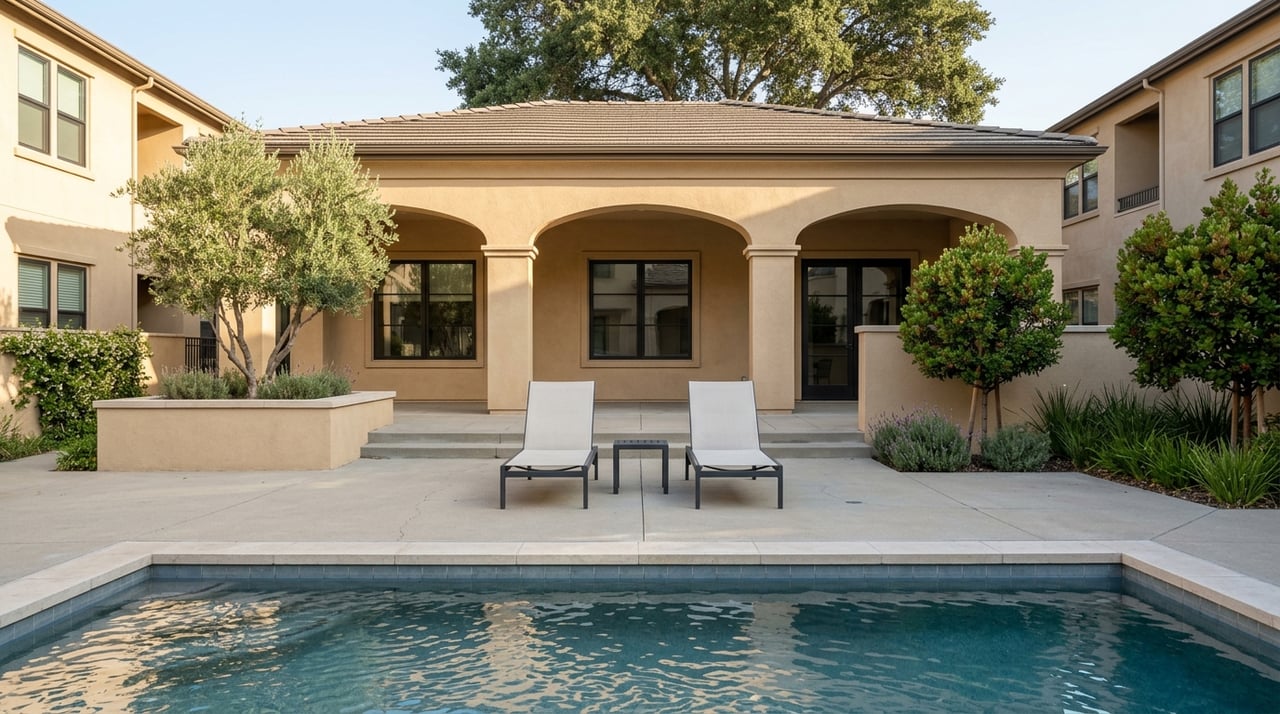
Thinking about moving up in San Ramon? You are not alone, and you are probably balancing two big questions at once: how far your current equity can take you, and which kind of “more space” will actually improve daily life. In a market where timing, neighborhood choice, and monthly costs all matter, a smart plan can help you trade space without creating avoidable stress. This guide walks you through how to think about equity, financing, micro-markets, and timing so you can move with confidence. Let’s dive in.
Why move-up buyers need a plan
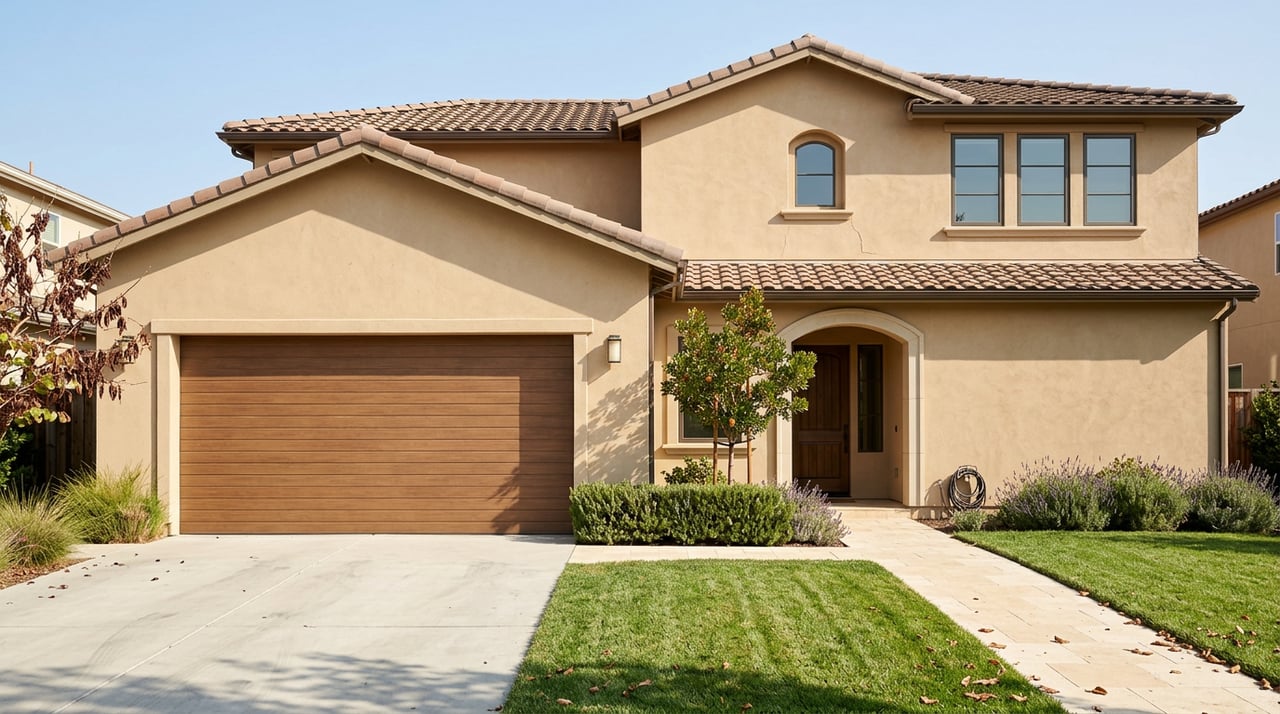
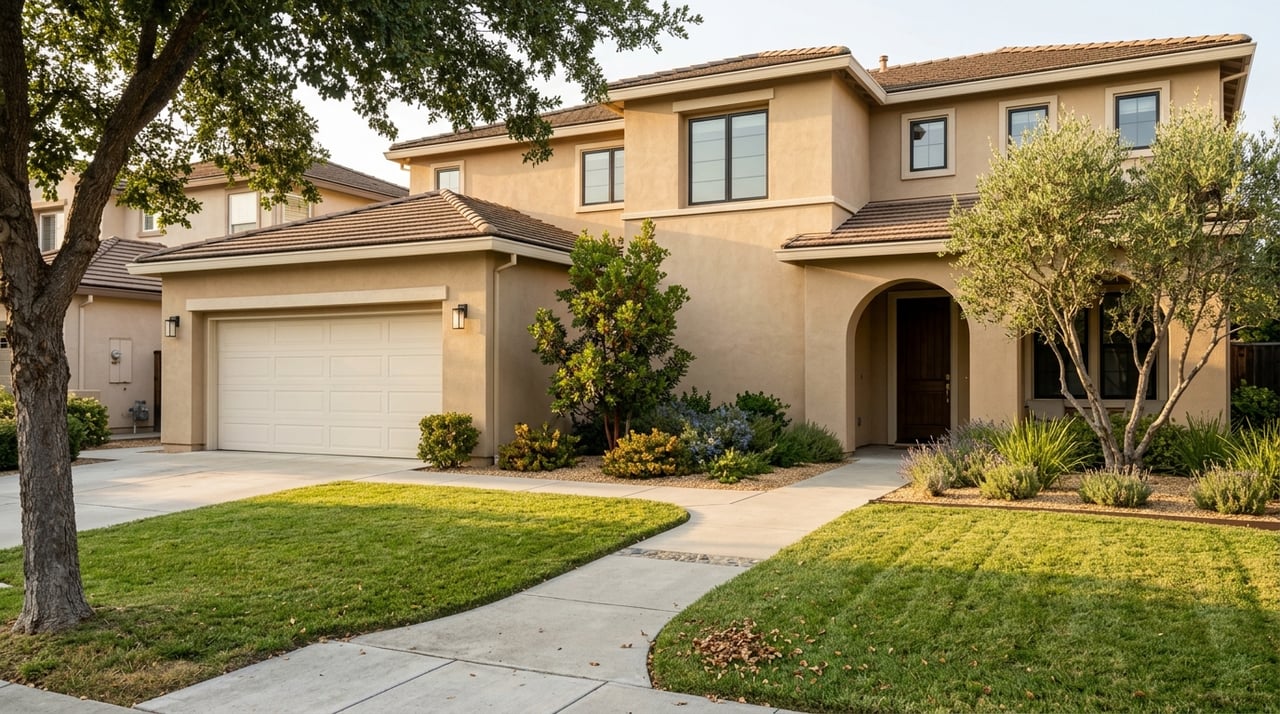
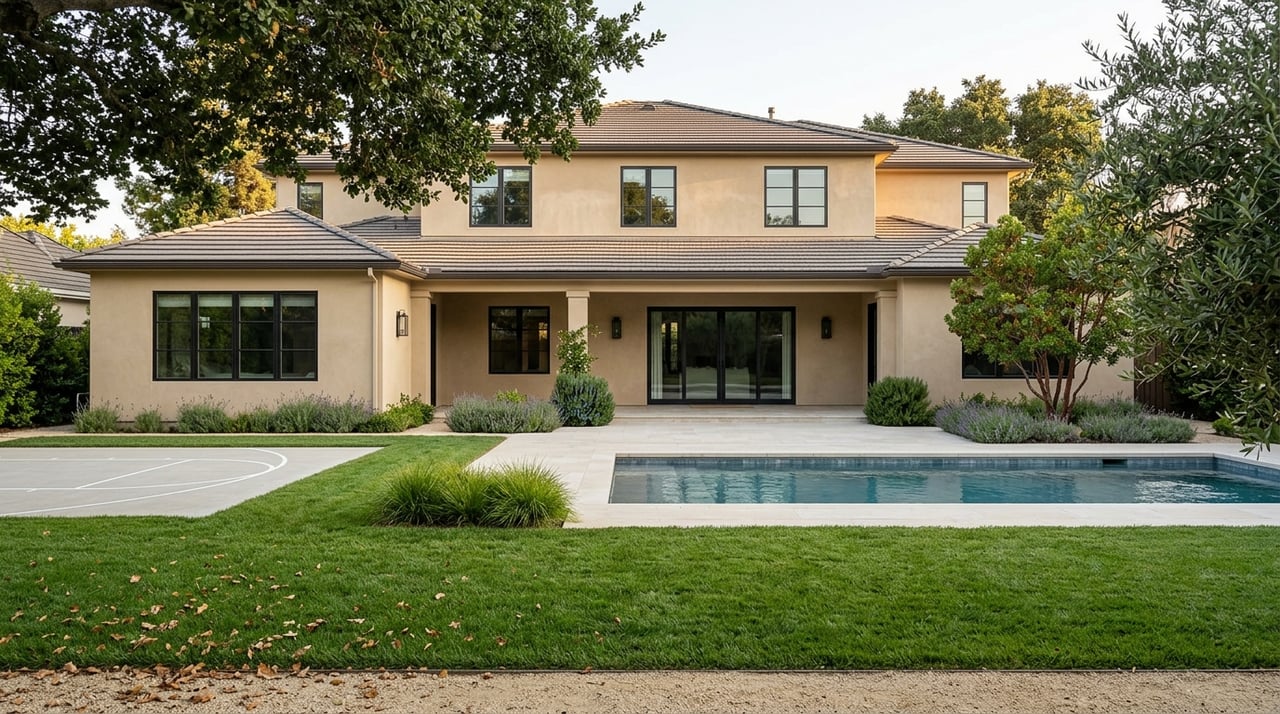
A move-up purchase is rarely just about buying a larger house. In San Ramon, it is often a lifestyle decision tied to layout, lot size, storage, commute patterns, and access to parks, trails, and other community amenities.
San Ramon covers 18.56 square miles and has about 83,000 residents. The city also has 59 parks, 46 miles of public trails, and a trail system designed to connect neighborhoods, parks, schools, and open space. That means your next home choice may be just as much about location and daily routines as square footage.
The local market also rewards preparation. Bay East’s May 2026 detached single-family report shows a median sale price of $1,775,000, about 2.3 months of inventory, an average of 16 days on market, and buyers paying about 100% of list price on average.
For you, that means selling and buying should work as one coordinated strategy. Presentation, pricing, financing, and timing all need to line up.
Start with your current equity
Before you tour homes, estimate what your current home may net after sale. That number helps shape your next down payment, your loan range, and how much flexibility you have if the right home appears before your current property closes.
This is where move-up planning gets practical. You are not just asking, “What can I buy?” You are also asking, “How much cash will I have access to, and when?”
Some homeowners explore a home equity line of credit, also called a HELOC, to tap available equity. The Consumer Financial Protection Bureau says a HELOC lets you borrow repeatedly against available equity, but it is secured by your home and carries repayment risk.
Others consider a cash-out refinance. The CFPB says a cash-out refinance replaces your original mortgage and can increase your payment and your overall risk profile. In other words, more access to funds can also mean more monthly pressure.
Temporary bridge financing is another option when you need to buy before your current home sells. The CFPB identifies bridge loans with terms of 12 months or less as temporary financing for a purchase when the borrower plans to sell a current dwelling within 12 months.
Compare sell-first and buy-first timing
There is no one right answer for every San Ramon move-up buyer. The better path depends on your finances, your risk tolerance, and how competitive your target price range is.
Selling first
Selling first can give you a clearer budget and more certainty around your available cash. It may also reduce the chance of carrying two housing payments at once.
The tradeoff is that you may need temporary housing or very careful closing coordination if you do not find your next home right away. In a market with an average of 16 days on market, that timing can move quickly.
Buying first
Buying first can help you secure the right home before letting go of your current one. That can be appealing if your wish list is specific or if you are targeting a narrow micro-market.
The challenge is financial overlap. If you purchase before your current sale closes, you may need bridge financing or another equity-access strategy, and your carrying costs can rise during the transition.
Why sequence matters
Fannie Mae’s homebuying guidance emphasizes lining up financing early, comparing lenders, and understanding the terms of your offer. It also notes that an offer can include price, earnest money, contingencies, timing, and flexibility on the closing date.
That matters because a move-up plan is really one sequence, not two separate transactions. Your sale timeline affects your purchase offer, and your purchase terms affect how confidently you can list and negotiate your current home.
Build your budget around monthly cost
Listing price is only one piece of the puzzle. In San Ramon, your actual monthly ownership cost can change a lot depending on taxes, special charges, and financing structure.
California property taxes are generally based on the assessed value established when ownership changes or when new construction is completed. The California State Board of Equalization also notes that a change in ownership can trigger a supplemental assessment and supplemental tax bill.
That means your tax bill on the next home may look very different from the one you have now. If you are stretching into a higher price point, it is important to factor that in early.
You should also check whether a property has special taxes or assessments. The BOE says annual tax bills may include special assessments, special taxes, direct levies, and Mello-Roos bonds, which are separate from ad valorem property tax.
For some buyers, Proposition 19 may be relevant. The BOE says eligible homeowners who are at least 55, severely and permanently disabled, or victims of a qualifying disaster may be able to transfer a base-year value to a replacement home. The BOE also says that if the replacement home is purchased before the original home sells, the homeowner is taxed on the full fair market value during the interim period, and the claim is filed after both transactions are complete and after the owner is living in the replacement home.
Focus on San Ramon micro-markets
One of the biggest move-up mistakes is shopping by city name alone. San Ramon is not one uniform market.
Realtor.com ZIP-level data show that 94582 and 94583 have different inventory and pricing patterns. That is why your neighborhood choice can matter just as much as your overall budget.
In 94582, examples from Realtor.com include Dougherty Valley at around $1.99 million, Windemere at around $2.07 million, and Gale Ranch at around $1.45 million. In 94583, examples include Crow Canyon at around $762,000 and Twin Creeks at around $1.46 million.
Those numbers are not just trivia. They show how different your options can feel depending on where you look.
Dougherty Valley and newer planned areas
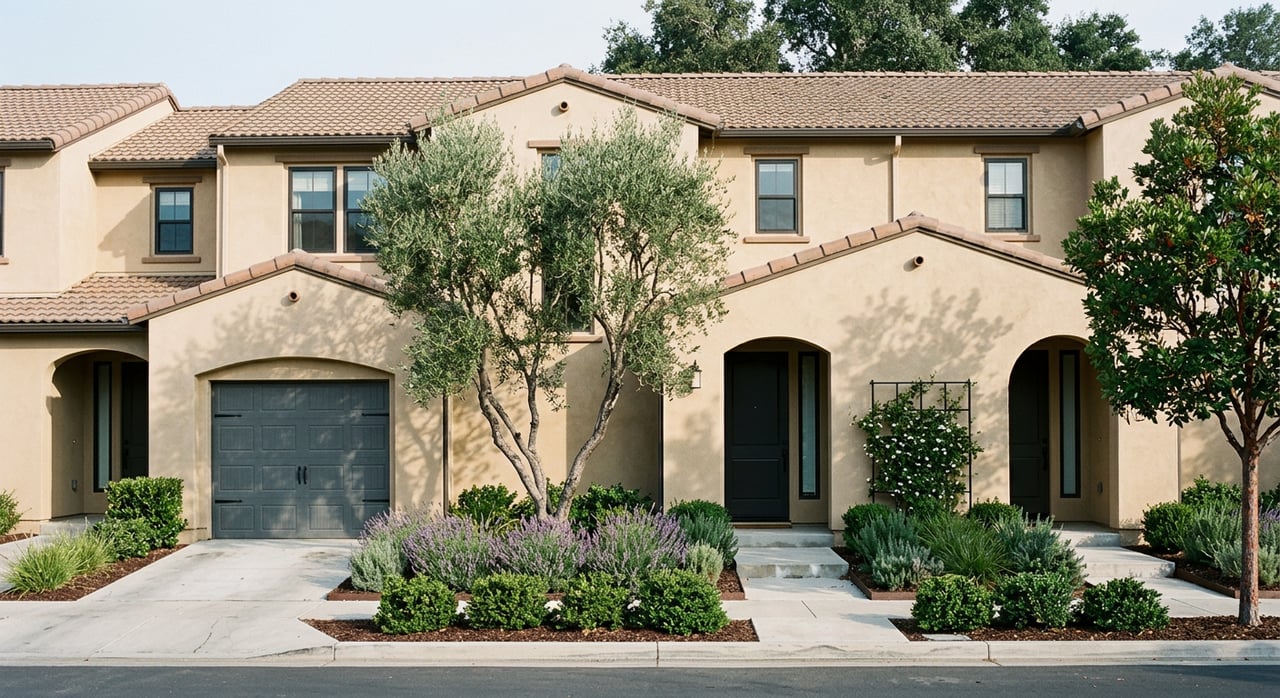
San Ramon’s newer growth is especially visible in Dougherty Valley. The city describes it as a master-planned community of about 11,000 units, with public improvements such as roads, sidewalks, parks, trails, bridges, open space, water-quality facilities, and community facilities.
If you are looking for newer planning patterns, neighborhood amenities, and a more recently developed setting, this part of San Ramon may be part of your search. It can appeal to buyers who want a more modern neighborhood framework and easy access to community infrastructure.
Established areas and westside character
Other parts of San Ramon offer a very different experience. The Westside Specific Plan covers about 3,300 acres of predominantly open hillside, which helps explain why westside areas can feel distinct from newer master-planned sections.
For move-up buyers, that difference may show up in lot feel, streetscape, access patterns, and the overall setting. The right fit depends on what kind of day-to-day environment you want.
Define what “more space” means to you
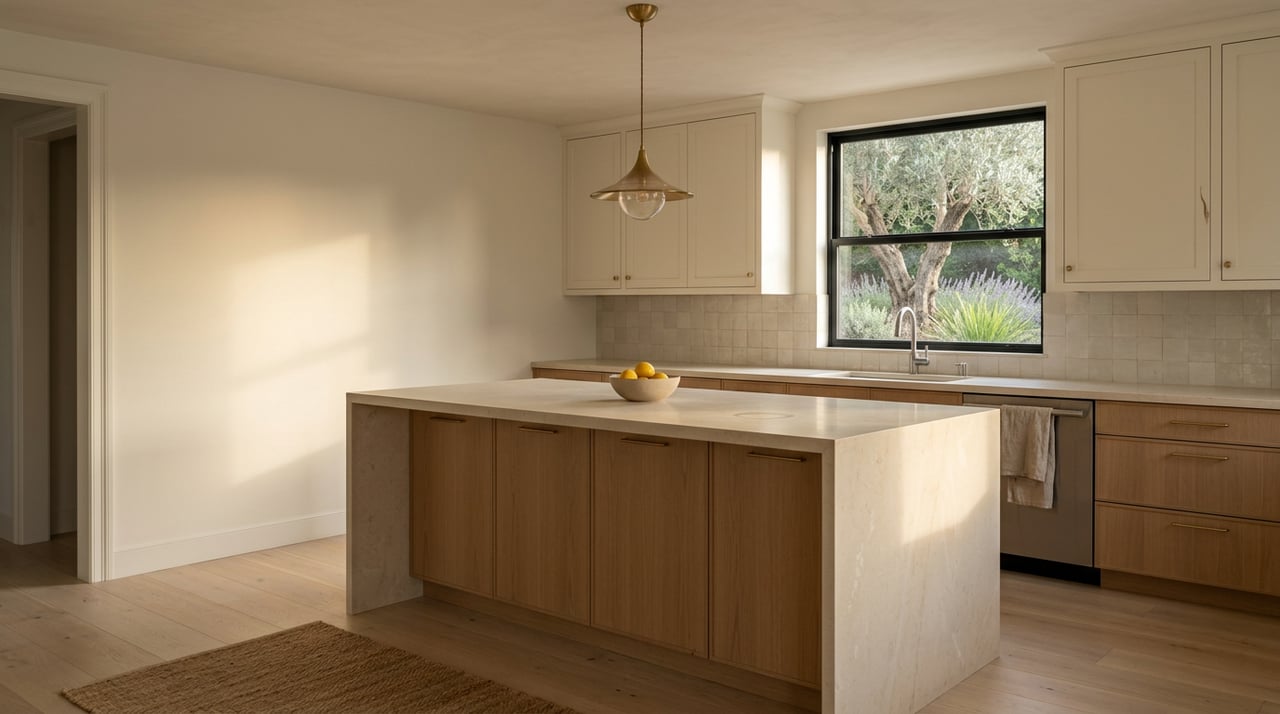
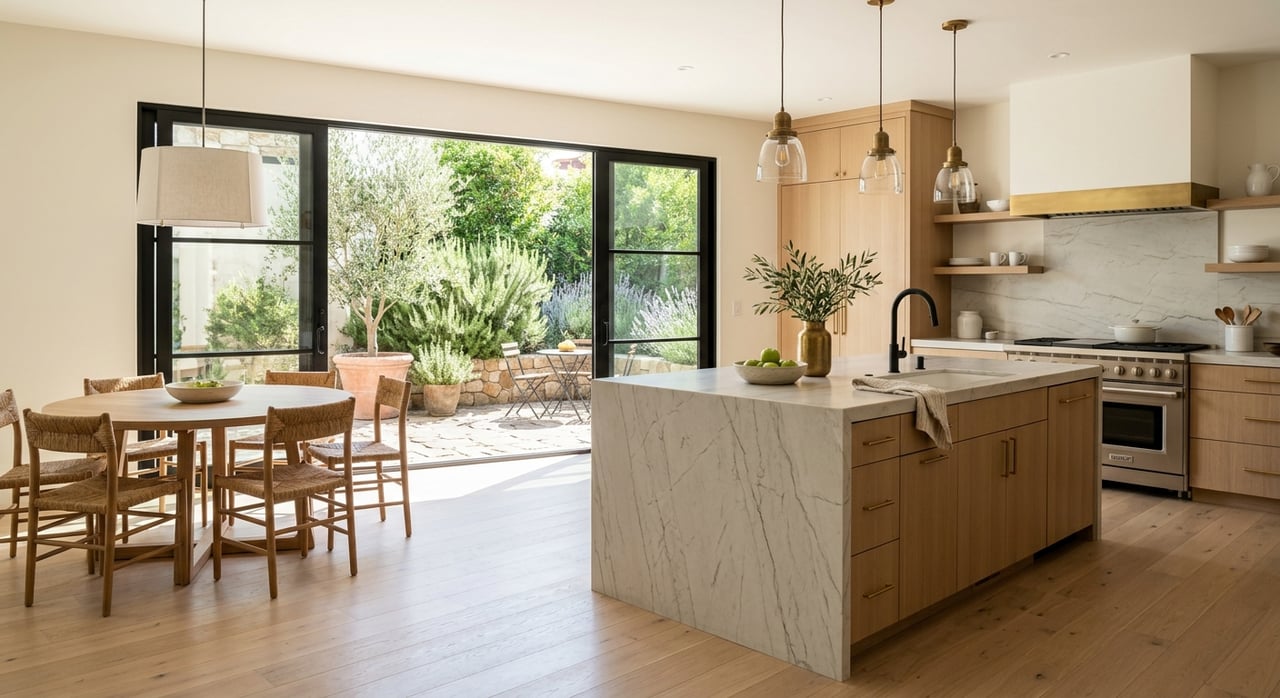
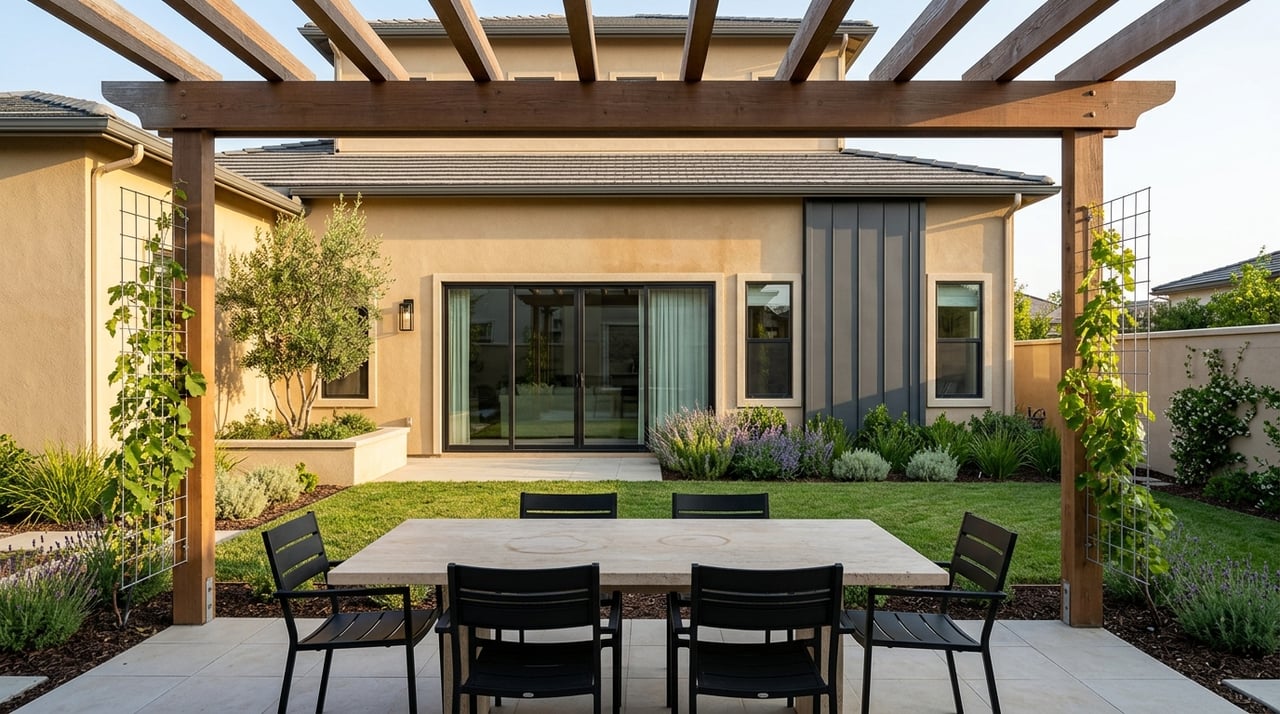
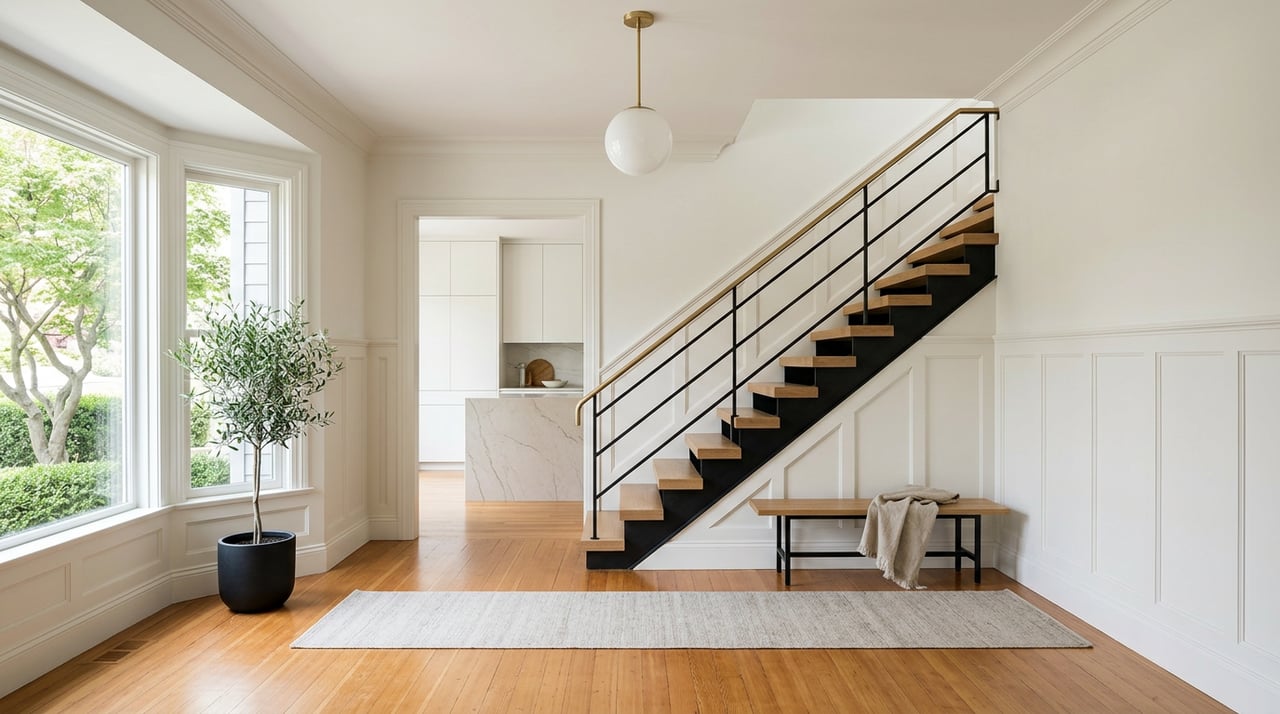
More space is not always a bigger number on a listing sheet. Sometimes it means a better floor plan, a useful guest room, a larger yard, more storage, or a home office that finally gives you privacy.
A clearer wish list can keep you from overpaying for features you do not really need. It can also help you act faster when the right home appears.
Try separating your priorities into two buckets:
- Must-haves
- Bedroom count
- Home office or flex room
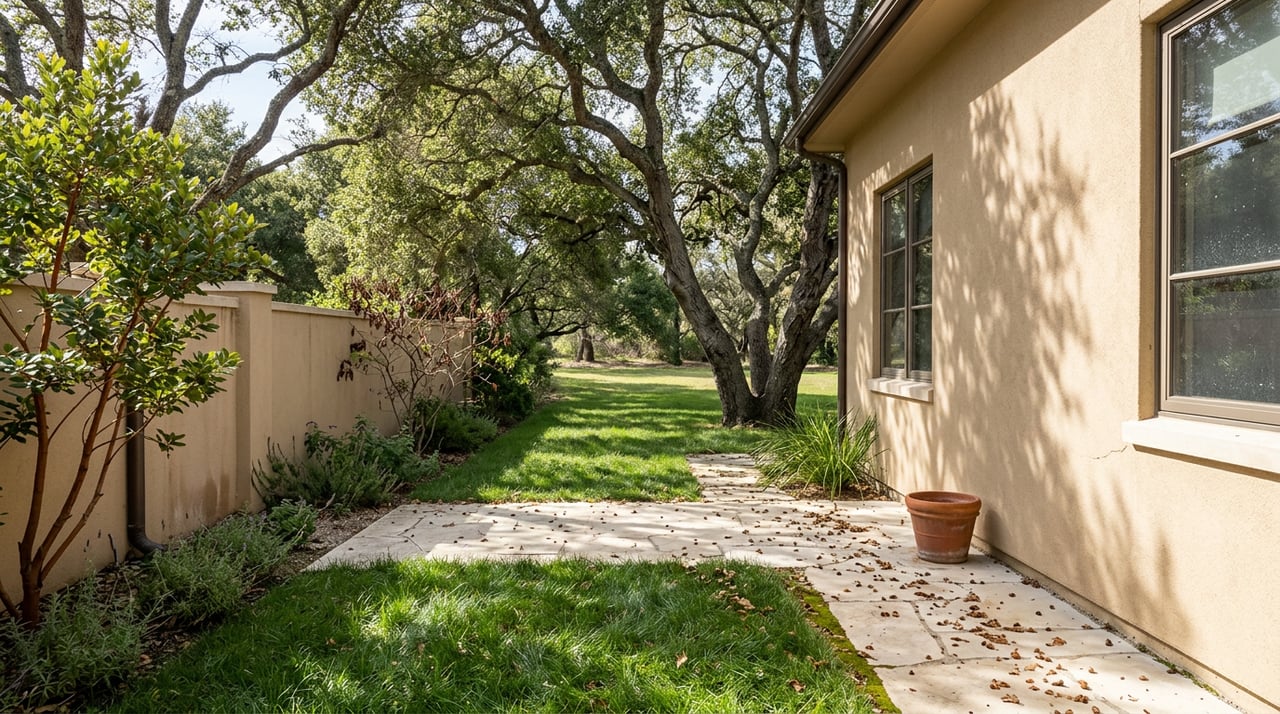
- Yard size or outdoor usability
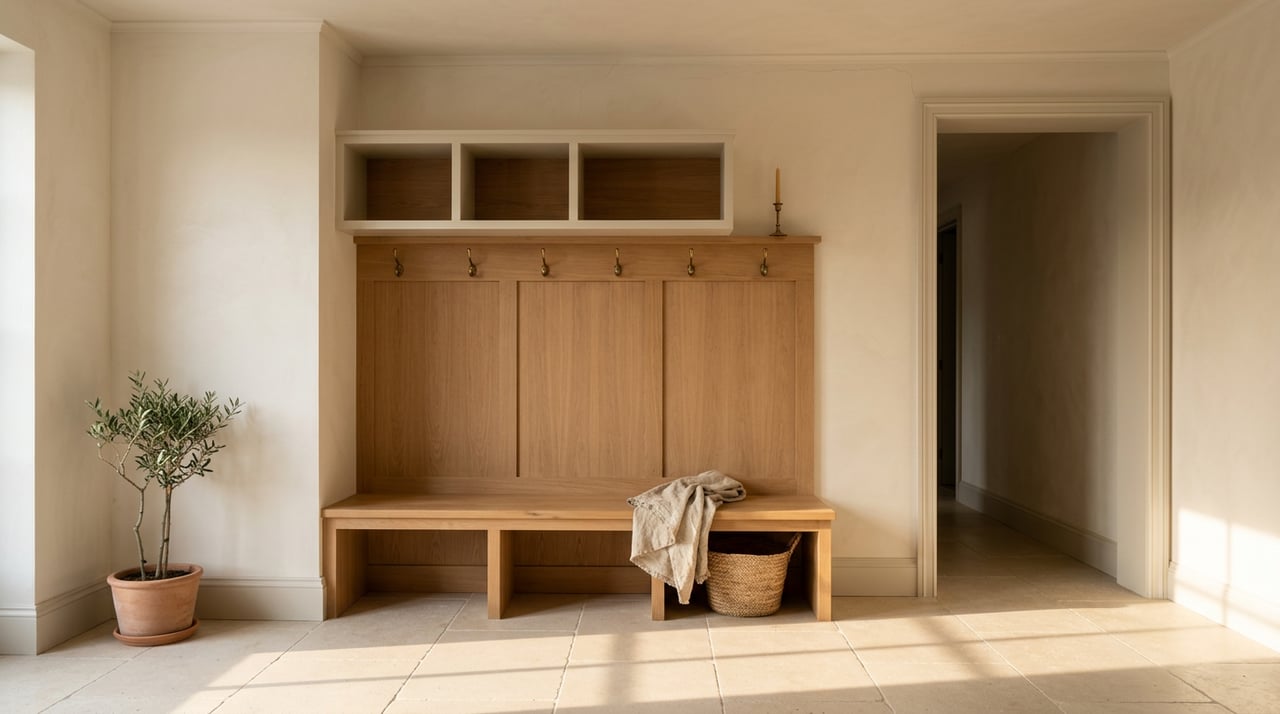
- Garage and storage needs
- Commute tolerance
- School assignment preferences
- Nice-to-haves
- Guest room
- Bonus room
- Larger lot than your current home
- Specific trail or park access
- Particular architectural style
This framework works well in San Ramon because neighborhood variation is so meaningful. You may find that a better layout in one area serves you better than a larger house in another.
Make your offer strategy realistic
When you are buying and selling at the same time, a strong offer is about more than price. Fannie Mae notes that earnest money is typically 1% to 3% of the offer price, and contingencies may cover inspection or financing approval.
In multiple-offer situations, you may feel pressure to remove protections. Fannie Mae also points out that buyers often need to balance competitiveness with the risk of waiving contingencies.
That balance is especially important for move-up buyers. Your purchase offer should reflect your real timing, financing readiness, and comfort level, not just the desire to win.
It also helps to keep your finances steady once you are under contract. Fannie Mae advises avoiding large purchases while the mortgage is being finalized, since changes can disrupt underwriting.
Why presentation still matters on your sale
Even in a market where buyers are paying about 100% of list price on average, your current home still needs a thoughtful launch. With about 2.3 months of inventory and 16 average days on market for detached homes, pricing and presentation can affect both speed and negotiating power.
That is especially true when your next purchase depends on your sale proceeds and timing. A polished listing strategy can help reduce friction and give you more control over the move-up process.
For many San Ramon homeowners, that means treating the sale side with as much care as the purchase side. When both halves of the move are aligned, you give yourself a better chance to trade up smoothly instead of reacting under pressure.
A smart move-up plan starts with the right numbers, the right neighborhood filters, and a clear sequence for selling and buying. If you want help mapping out your equity, timing, and San Ramon options, Valerie Vicente can help you build a strategy that fits your goals.
FAQs
What does move-up buying in San Ramon usually mean?
- Move-up buying in San Ramon usually means using equity from your current home to buy a property that better fits your needs, whether that means more bedrooms, a better layout, a larger lot, more storage, or a different neighborhood setting.
How competitive is the San Ramon detached home market?
- Bay East’s May 2026 detached single-family report shows a median sale price of $1,775,000, about 2.3 months of inventory, an average of 16 days on market, and buyers paying about 100% of list price on average.
Why should San Ramon buyers look at micro-markets instead of city averages?
- San Ramon includes different pricing and inventory patterns by ZIP code and neighborhood, so areas like Dougherty Valley, Windemere, Gale Ranch, Crow Canyon, and Twin Creeks can offer very different options and price points.
What financing options can help with a move-up purchase in San Ramon?
- Depending on your situation, options may include using sale proceeds, a HELOC, a cash-out refinance, or temporary bridge financing, but each comes with different risks, costs, and timing considerations.
What property tax issues should move-up buyers in California review?
- You should review reassessment after purchase, possible supplemental tax bills, and whether a property has special assessments, special taxes, direct levies, or Mello-Roos bonds.
What should a San Ramon move-up wish list include?
- A practical wish list should separate must-haves from nice-to-haves and may include bedroom count, office space, yard needs, storage, garage size, commute tolerance, and school assignment preferences.
When should San Ramon move-up buyers get pre-approved?
- Move-up buyers should line up financing early, compare lenders, and understand their buying power before making offers so the sale and purchase can be coordinated more smoothly.