If you own a character home in Pleasanton, you are not selling just square footage. You are selling a home with details, history, and a setting that stands apart in a city where much of the housing stock is newer. That creates real opportunity, but it also means buyers will look closely at condition, pricing, and disclosures. In this guide, you will learn what makes these homes different, how to prepare wisely, and what to expect before your home hits the market. Let’s dive in.
Why character homes stand out in Pleasanton
Pleasanton has a well-known historic downtown with architecture that spans roughly 160 years. The Downtown Pleasanton Association describes styles including Victorian, Italianate, Richardson Romanesque, Mission Revival, Colonial Revival, Craftsman, Art Deco, and Moderne. The city also identifies 91 historic residential resources within the Downtown Specific Plan Area.
That matters because older homes are a relatively small part of Pleasanton’s overall housing supply. According to the city’s housing element, most housing units were built after 1980, while pre-1940 and mid-century homes make up a much smaller share. In practical terms, that means a true character home is a niche product and should be positioned differently from a standard newer tract home.
For you as a seller, this can be a strength. Scarcity can create interest when your home is presented and priced correctly. Buyers looking at these homes are often drawn to craftsmanship, architectural details, and location near downtown, not just bedroom count alone.
Start with historic status and city rules
Before making updates, it helps to know exactly what you own. Some Pleasanton character homes are formally recognized historic resources, while others are simply older homes with period features. That distinction can affect what exterior work requires review.
The city states that historic resources in the downtown area are protected through the General Plan, Downtown Specific Plan, Downtown Design Guidelines, and Municipal Code. Exterior changes and additions must remain compatible with downtown design character and scale. The city also makes clear that demolition by neglect is not allowed and that properties must be maintained in good repair.
If your property is one of the city’s 91 identified historic homes, Administrative Design Review may be required for additions and certain visible exterior modifications. That can include items such as wall and foundation cladding, porches and balconies, and windows. If you are considering any visible pre-listing improvements, confirm the city process before starting work.
Focus prep on preservation, not over-renovation
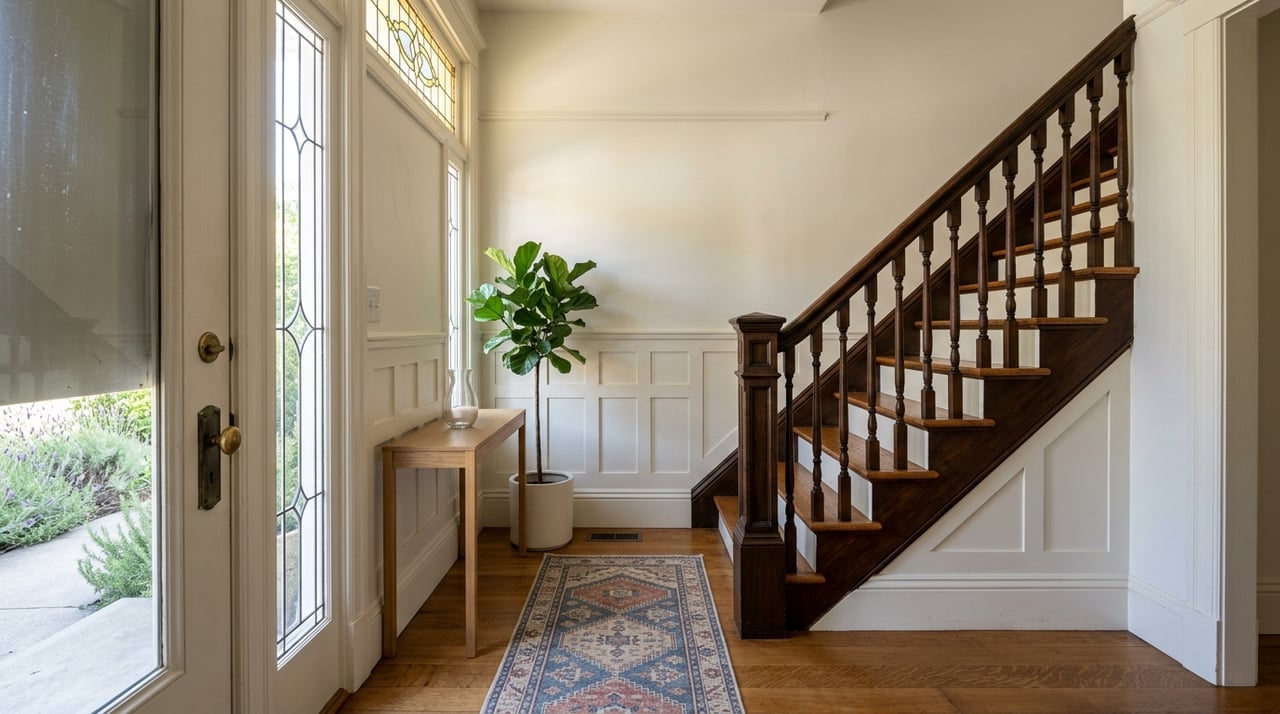
With an older home, the goal is usually not to erase age. The goal is to show the home at its best while preserving what makes it special. In Pleasanton, that often means highlighting original trim, woodwork, doors, porches, and windows instead of replacing them with generic modern finishes.
This approach aligns with the city’s preservation standards. The city favors repairing deteriorated historic features rather than replacing them, and it calls for new work to be compatible in size, scale, proportion, and materials. For sellers, that is an important reminder that the wrong update can weaken the very character buyers want to see.
A smart pre-list plan often includes:
- Repairing, not automatically replacing, original features where possible
- Cleaning up deferred maintenance that distracts buyers
- Refreshing paint and landscaping in a way that fits the home’s style
- Removing visual clutter so architectural details stand out
- Verifying permits or approvals for any past visible exterior work
Expect condition issues to matter more
Older homes usually invite more buyer questions, and in Pleasanton that is especially true when the home has visible age or historic significance. The city specifically cites dry rot and termite damage as examples of deterioration that may require reconstruction. That means buyers may pay close attention to maintenance history and repair documentation.
Cosmetic improvements alone are rarely enough if there are unresolved condition concerns underneath. If you know about past repairs, system upgrades, or ongoing maintenance, organize those records early. Clear documentation can help buyers feel more confident and can reduce uncertainty during negotiations.
This is one reason character-home sales often benefit from a more thoughtful listing process. Presentation still matters, but paperwork and readiness matter just as much.
Price for today’s buyer, not yesterday’s market
Pleasanton remains a high-value market, with Census Reporter showing a median owner-occupied home value of $1,534,600 and strong household income and education levels. At the same time, local reporting in early 2026 points to a more measured environment. Buyers are described as more thoughtful than rushed, sellers are pricing more realistically, and single-family detached homes averaged 15 days on market in March 2026.
That does not mean demand is weak. It means buyers may be more selective, especially when a home needs explanation, context, or future upkeep. Character homes can command strong interest, but only when pricing reflects condition, location, upgrades, and the home’s niche appeal.
A common mistake is assuming charm alone will carry the price. Another is comparing a vintage downtown-area home only to larger or newer homes in tract neighborhoods. A better strategy is to position your home around its true value drivers, including architecture, setting, upkeep, and proximity to downtown amenities.
Disclosures need to be thorough
In California, disclosures are a central part of selling any home, and they are especially important with older properties. The California Department of Real Estate states that the Real Estate Transfer Disclosure Statement is not a warranty and is not a substitute for inspections or warranties. The same guide says agents must disclose all material facts affecting value, desirability, and intended use that they know or should know.
For you, that usually means an older home needs a fuller paper trail and a more complete condition story than a newer property. If you know about past leaks, structural repairs, pest work, window replacements, additions, or foundation concerns, those items should be handled carefully and clearly in the disclosure package.
It is also important to remember that “as-is” does not mean “say less.” In practice, it often means the opposite. If you want fewer surprises later, stronger disclosures and better inspection readiness are usually part of the path.
Natural hazard and lead disclosures may apply
Some disclosure items depend on the specific parcel, not just the age of the home. The California Department of Real Estate lists categories such as flood zones, dam-failure inundation zones, very high fire hazard severity zones, wildland fire zones, earthquake fault zones, and seismic hazard zones. The city’s GIS information is described as a courtesy and should be independently verified by the user.
If your home was built before 1978, lead-based paint disclosure is another key issue. Sellers of target housing must disclose known lead-based paint hazards, provide the required lead information pamphlet, and give buyers an opportunity to inspect. For many character homes, this is a routine part of the sale, but it should be addressed early and correctly.
Market the story, not just the specs
One of the biggest differences in selling a character home is how the home should be marketed. Buyers are often responding to a feeling as much as a floor plan. They want to understand what is original, what has been updated, and how the home fits into its street and surrounding area.
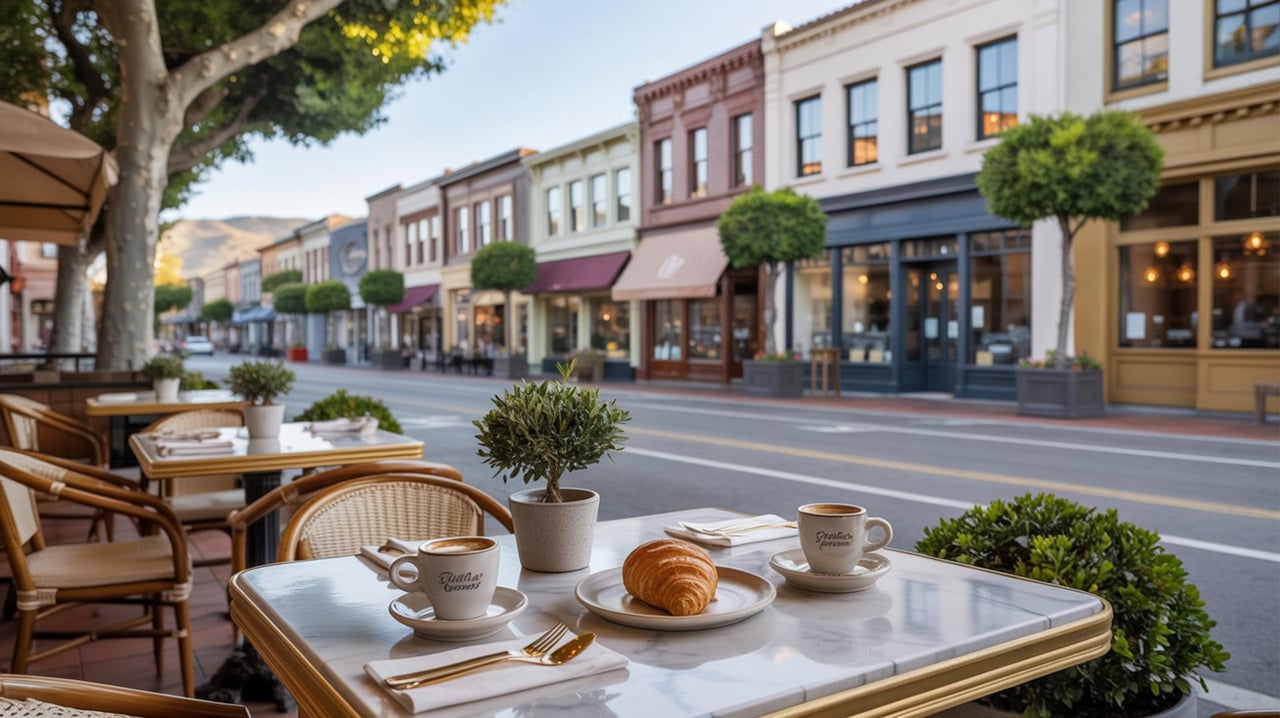
In Pleasanton, that story is closely tied to downtown. The city says downtown includes more than 550 businesses, and Pleasanton has more than 240 dining establishments, with historic downtown restaurants lining Main Street and nearby blocks. The Downtown Pleasanton Association also describes the area as a walkable historic district with a strong local identity.
That means marketing materials should go beyond room counts. Stronger listing campaigns often emphasize:
- Architectural details and craftsmanship
- Original features that remain intact
- Thoughtful renovations and maintenance history
- Street-level context and neighborhood setting
- Proximity to downtown shops, dining, and everyday amenities
The city’s historic resource list also shows clusters of character homes on streets such as First, Second, Division, Pleasanton Avenue, Neal, Angela, and Stanley Boulevard. If your home is in or near one of these areas, location context can become part of the property’s appeal.
Buyer scrutiny is usually higher
Pleasanton buyers are likely to be informed and selective. Census Reporter shows high household incomes and a high share of residents with bachelor’s degrees or higher. Local market coverage also suggests buyers are acting with more intention instead of rushing.
For a seller, that means the details matter. Buyers may ask sharper questions about preservation, repairs, permits, windows, roofing, drainage, pest history, and how original features have been maintained over time. They are not just buying charm. They are evaluating risk, future upkeep, and whether the asking price is supported.
This is where expert preparation can make a major difference. A well-staged home with strong photography is important, but so are realistic pricing, organized disclosures, and a clear narrative that answers buyer questions before they become objections.
What a smoother sale usually looks like
The strongest character-home sales in Pleasanton tend to follow a similar pattern. The seller confirms any city-related constraints first, avoids unnecessary changes that dilute the home’s style, handles visible maintenance issues, and builds a clean disclosure package before going live.
From there, the marketing should present the home as a distinctive product in a mostly newer market. Instead of trying to compete on sameness, your home should stand out for authenticity, craftsmanship, and setting. That is often what helps the right buyer see the value.
If you are preparing to sell a character home in Pleasanton, a careful plan matters. With the right pricing, polished presentation, and transparent disclosures, you can protect your upside while making the process feel more predictable. When you are ready for a strategy built around your home’s unique strengths, connect with Valerie Vicente for thoughtful guidance and concierge-level support.
FAQs
What counts as a character home in Pleasanton?
- In Pleasanton, a character home is typically an older property with period architecture or original design details. Some are also formally identified as historic resources by the city, while others are simply older homes with vintage features.
Do Pleasanton sellers need city approval before updating a historic home?
- If your home is one of the city’s identified historic resources, certain visible exterior changes may require Administrative Design Review. It is wise to confirm city requirements before starting exterior pre-listing work.
How should sellers prepare an older home for the Pleasanton market?
- The best preparation usually highlights original craftsmanship, addresses deferred maintenance, and avoids changes that erase period character. Repair quality and documentation often matter more than purely cosmetic updates.
How important are disclosures when selling an older Pleasanton home?
- Disclosures are especially important for older homes because buyers often expect more detail about condition, repairs, and known issues. “As-is” does not remove the need for full and accurate disclosure.
Do pre-1978 Pleasanton homes require lead-based paint disclosure?
- Yes, sellers of pre-1978 target housing must disclose known lead-based paint hazards, provide the required lead information, and give buyers an opportunity to inspect.
How should a Pleasanton character home be priced?
- Pricing should reflect the home’s condition, upkeep, architecture, and location rather than relying on charm alone. In a market where buyers are more selective, realistic pricing is especially important.