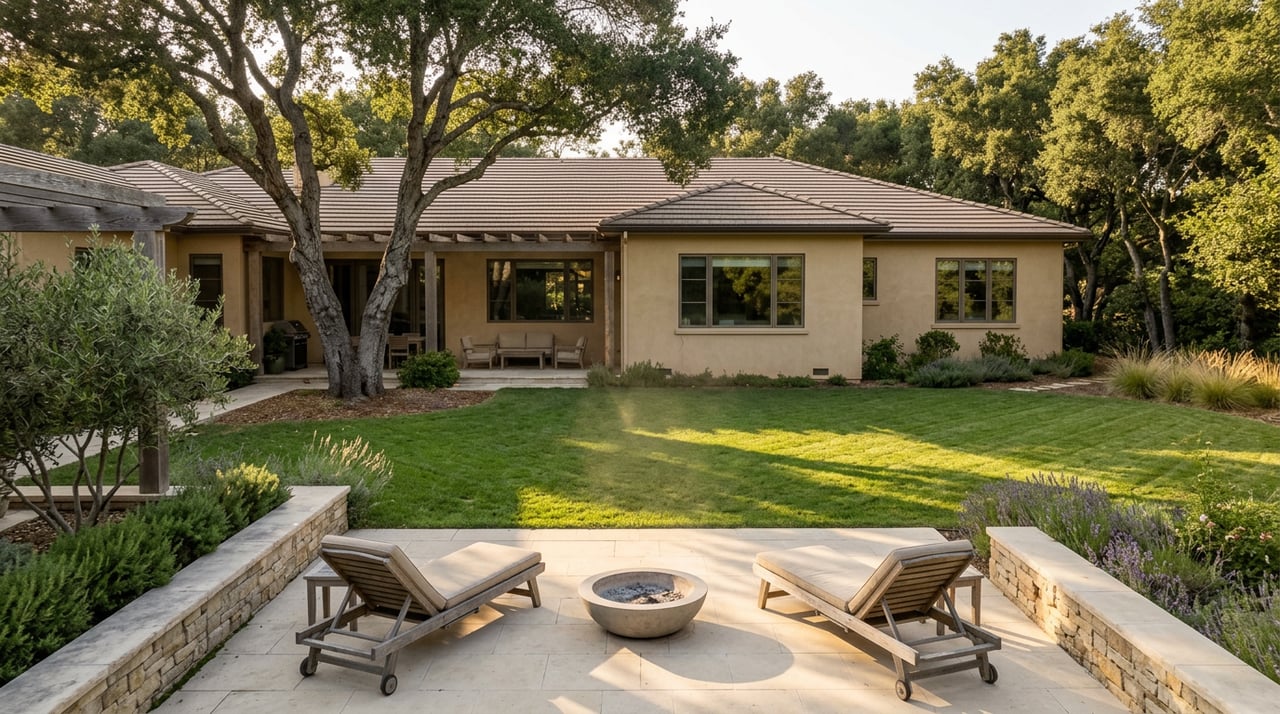
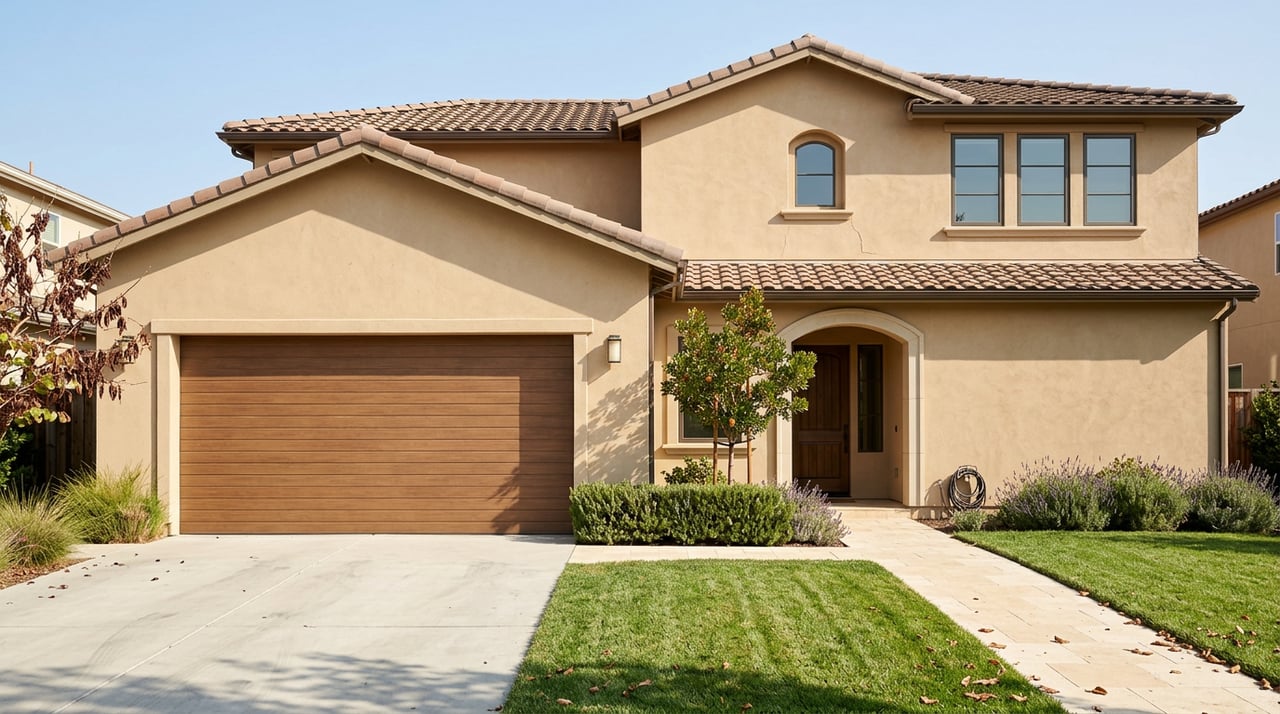
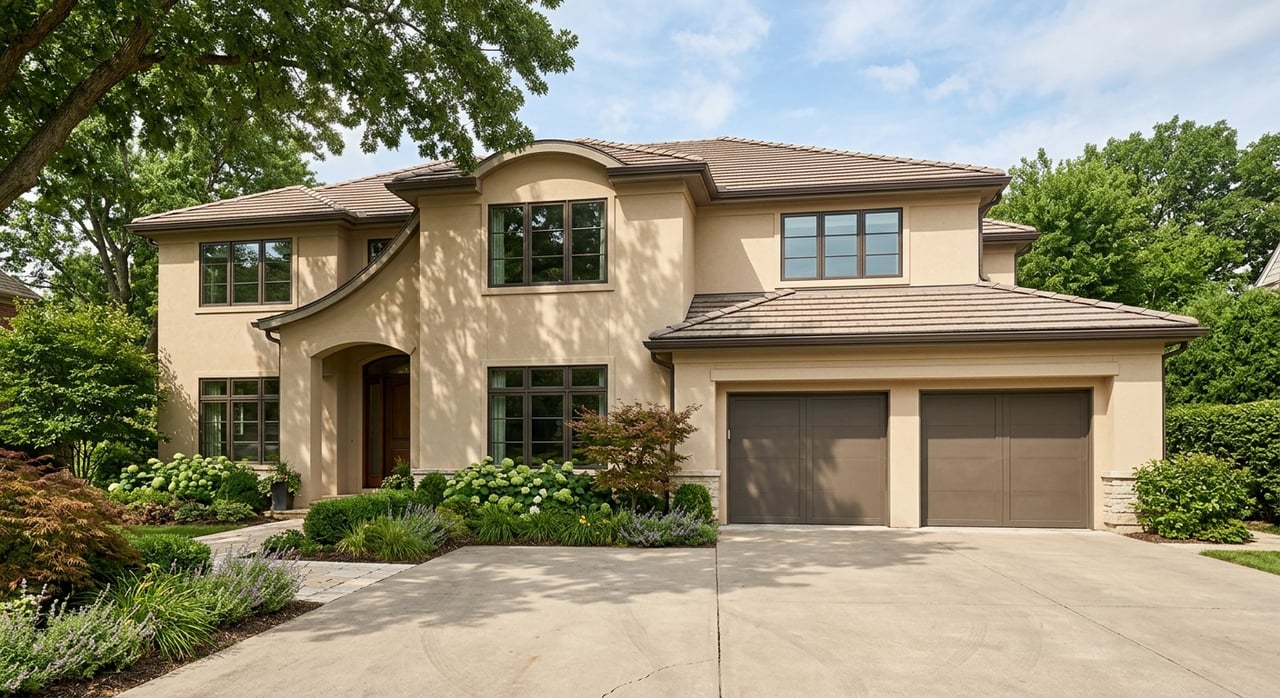
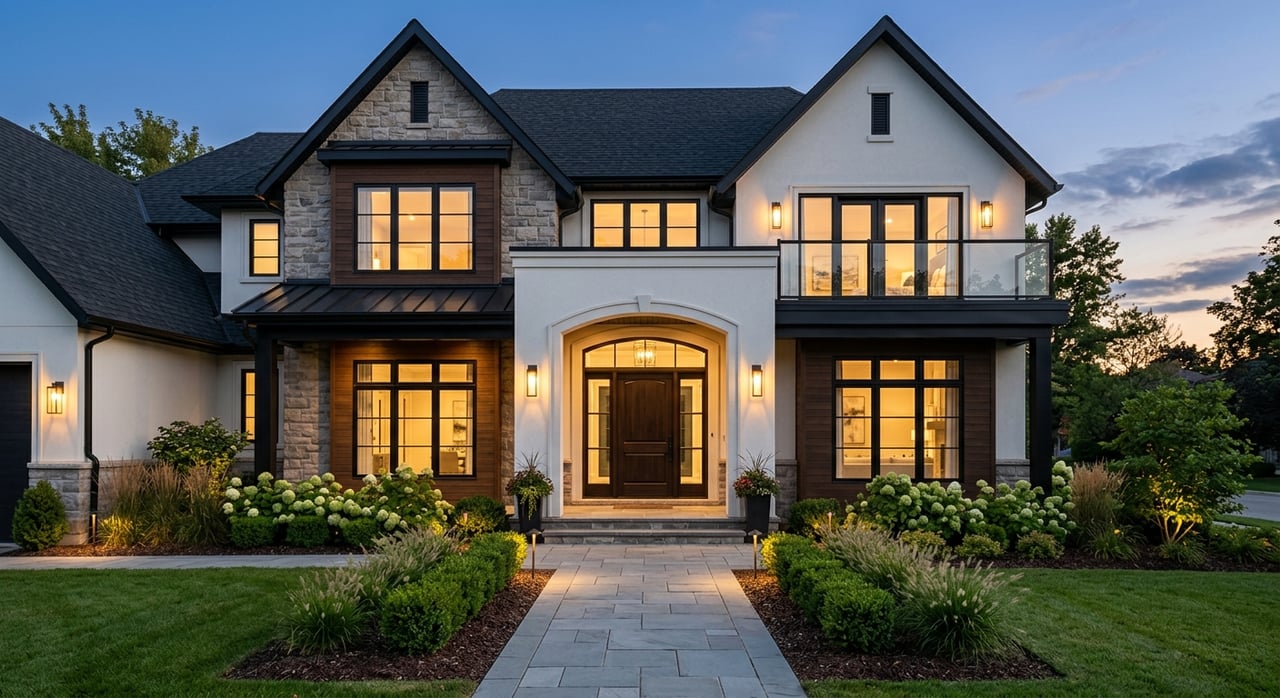
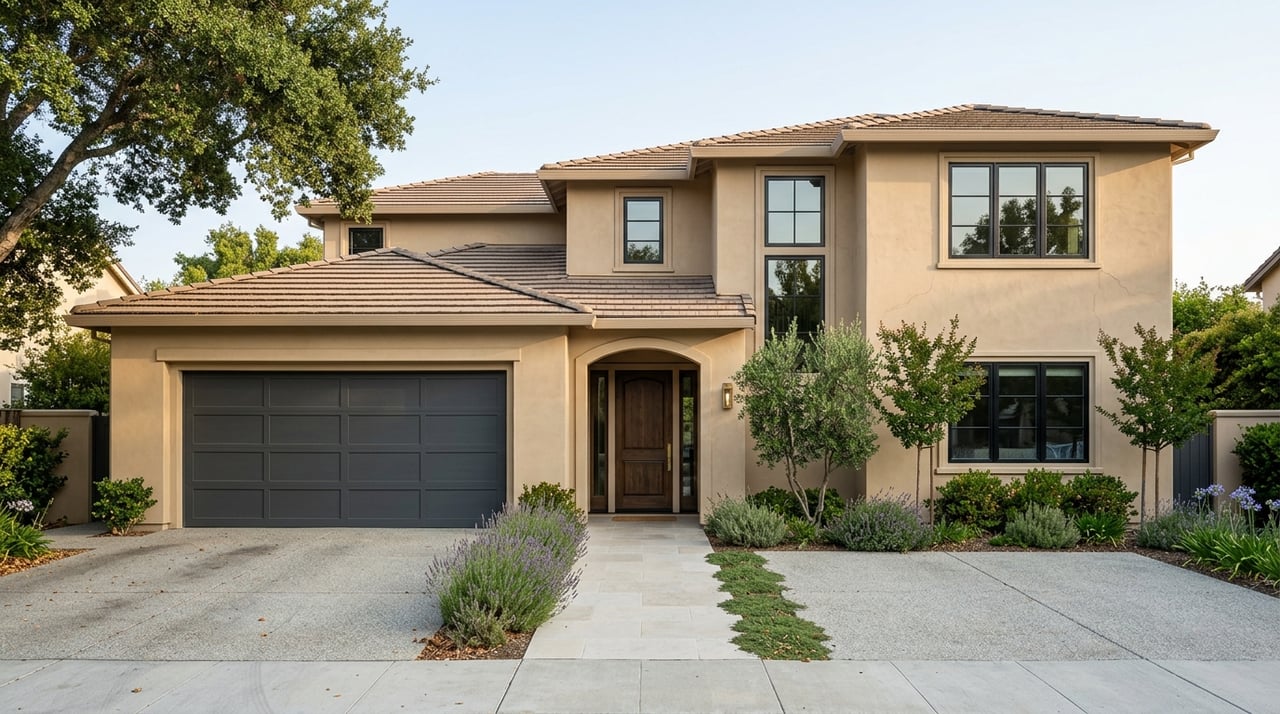
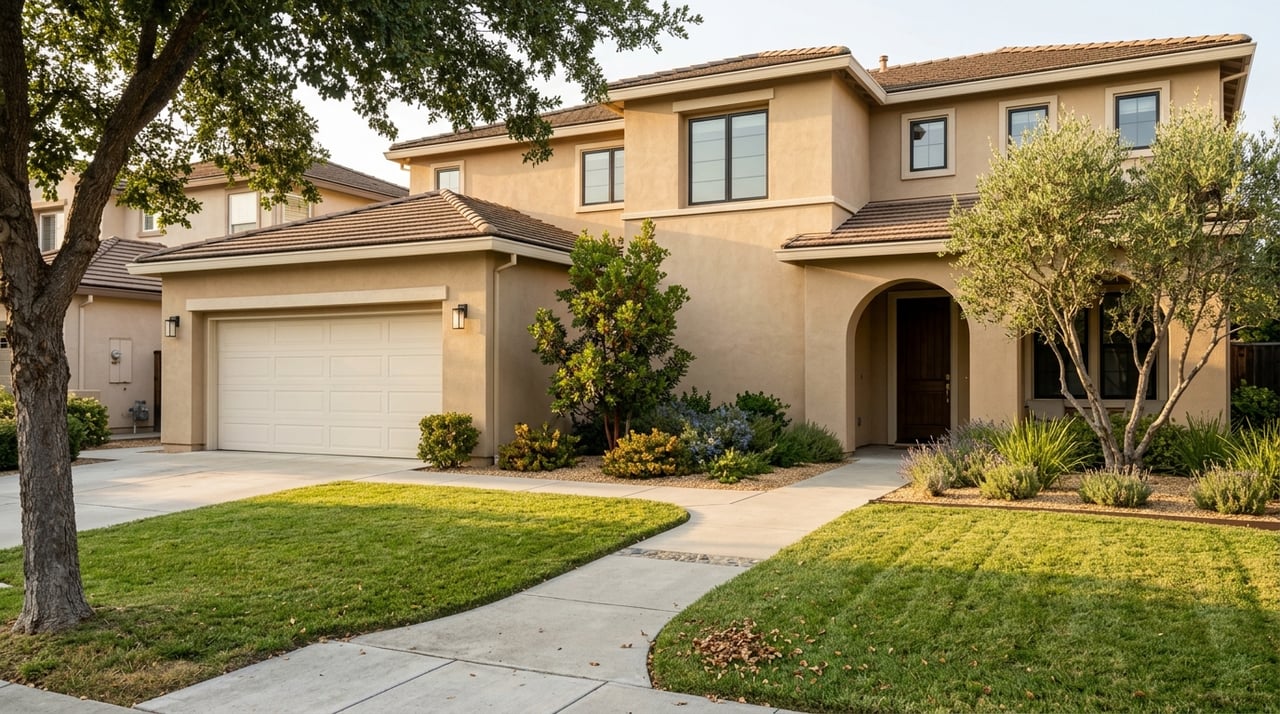
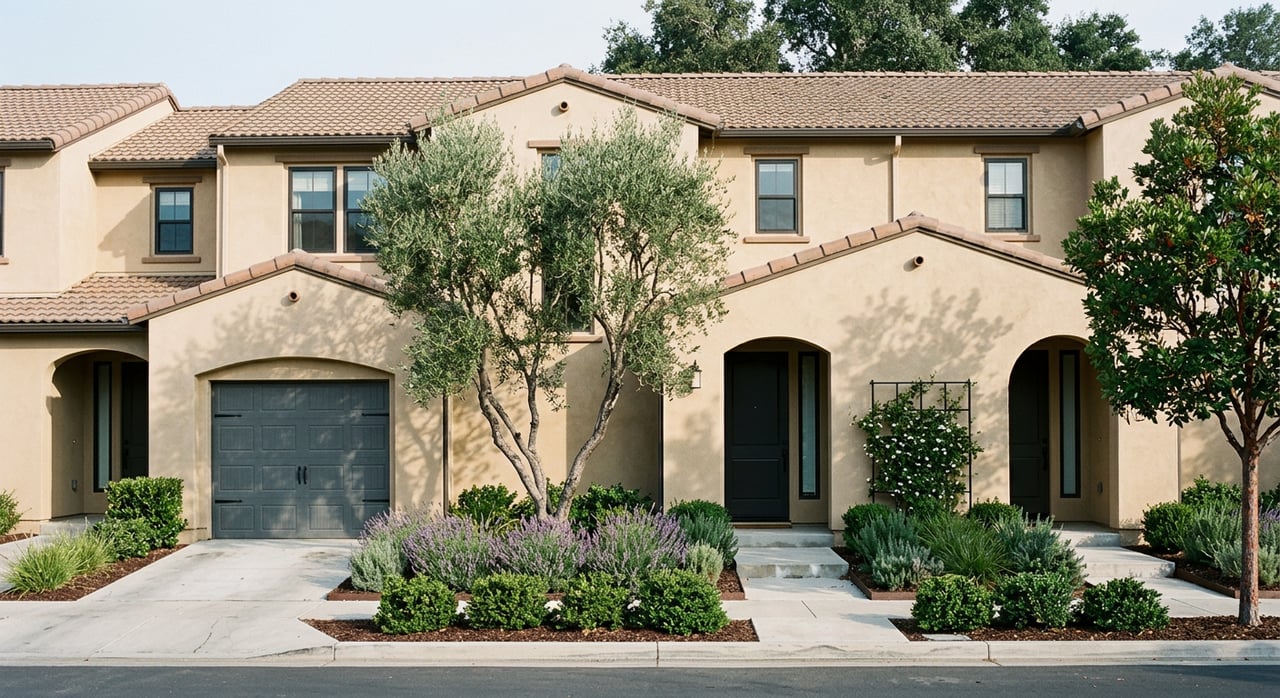
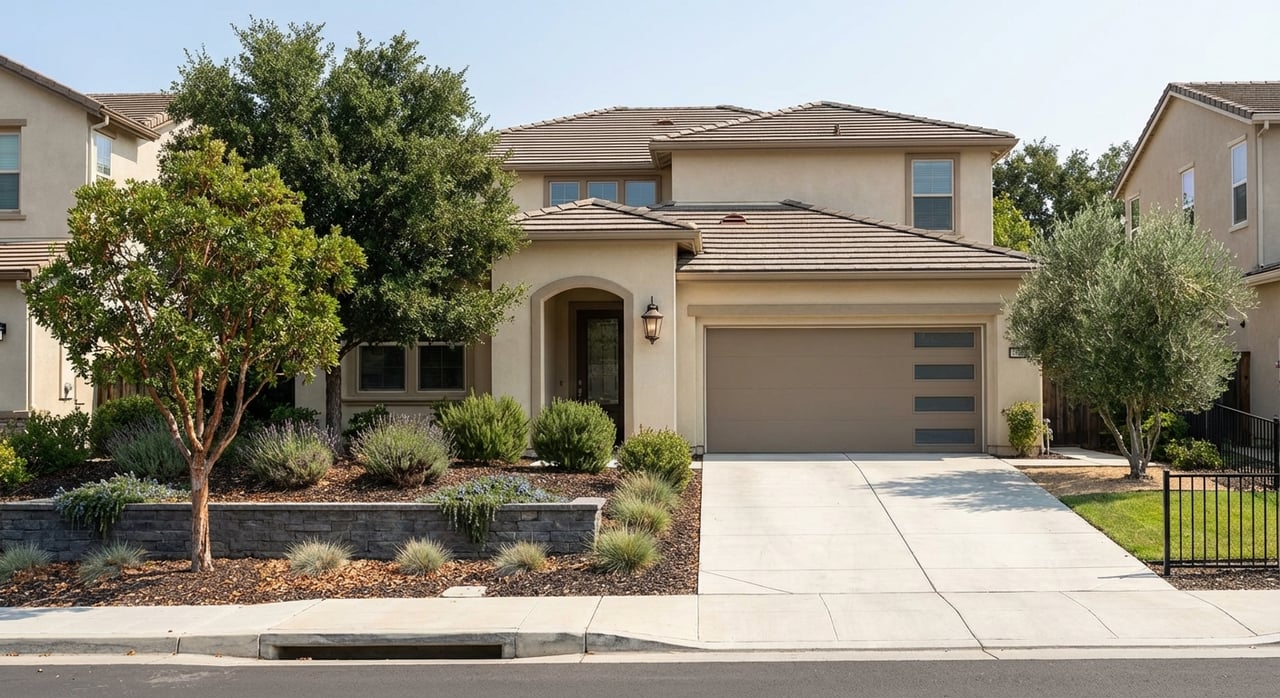
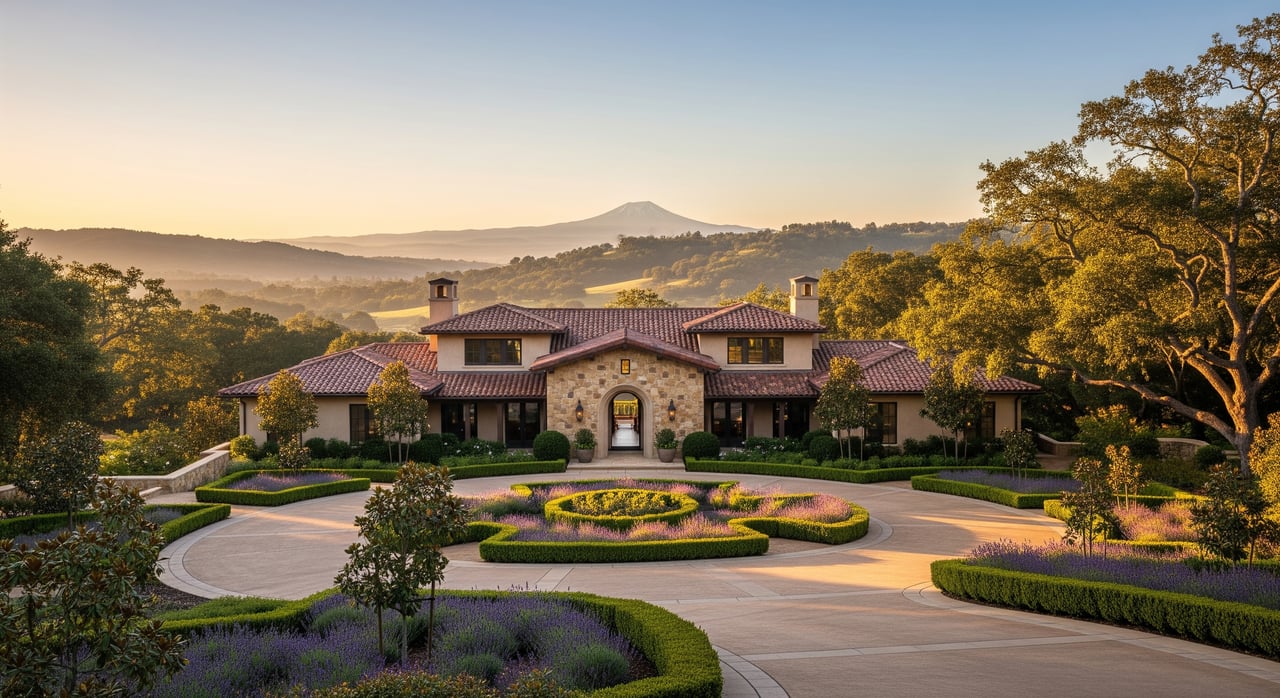
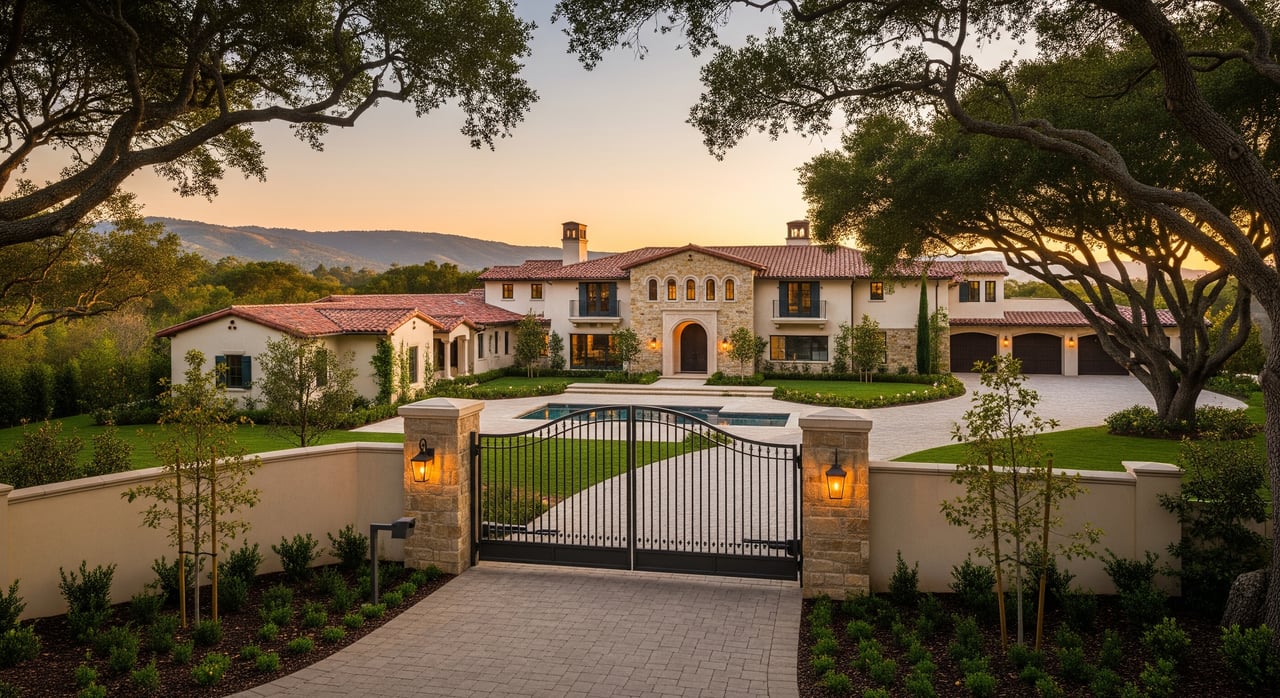
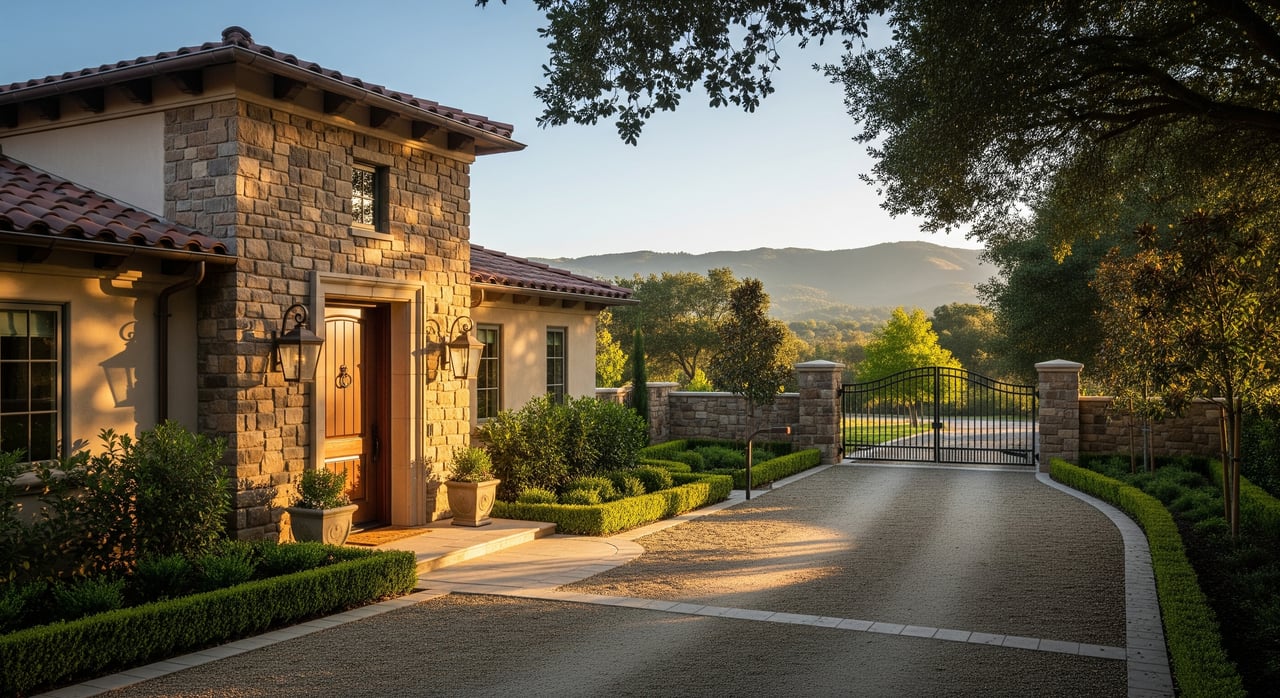
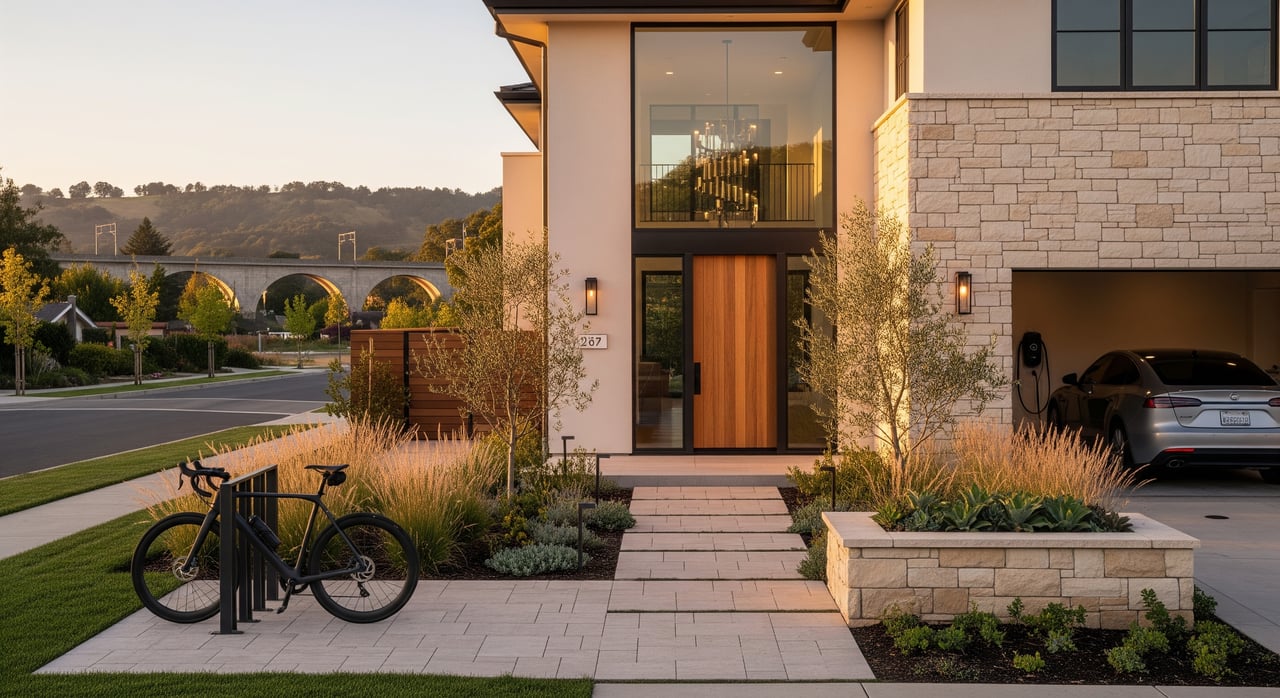
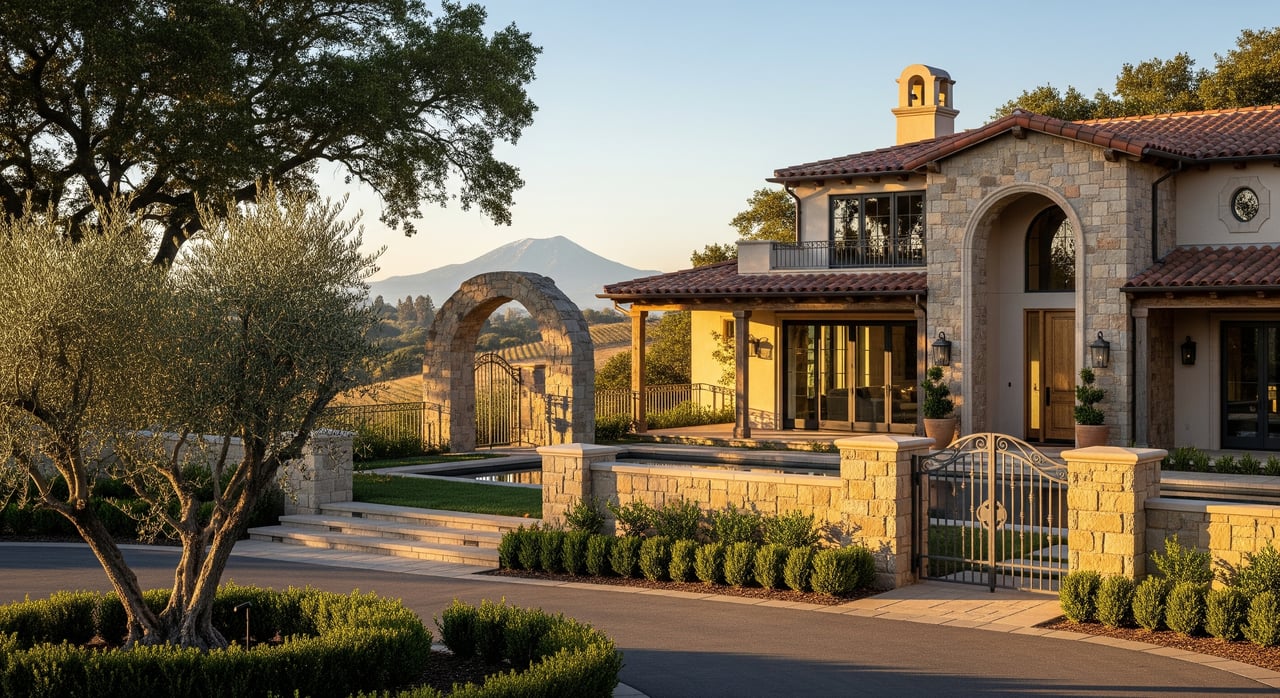
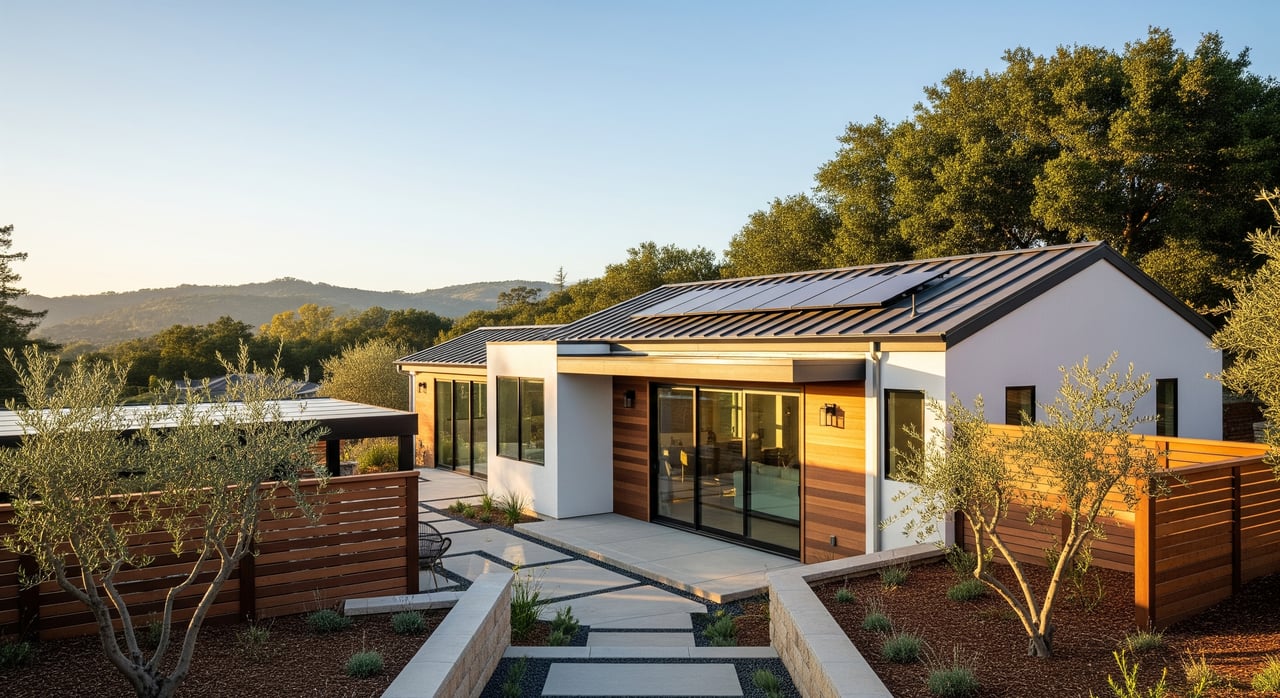
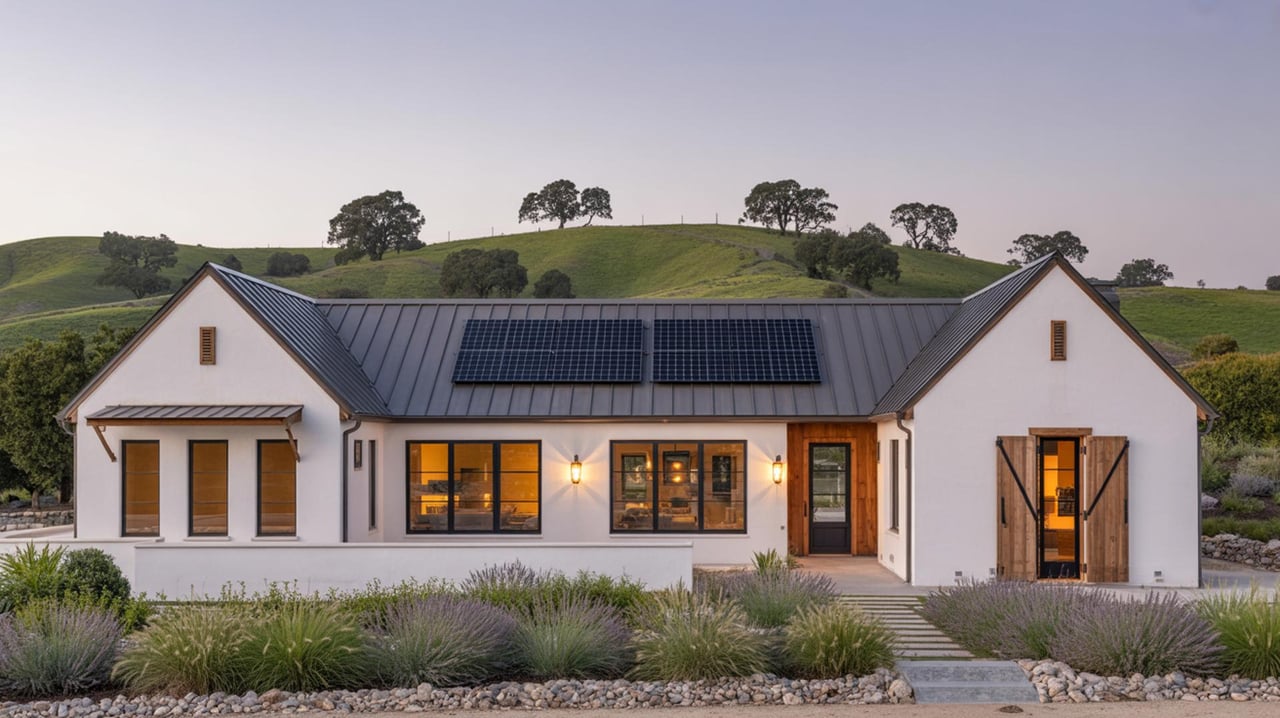
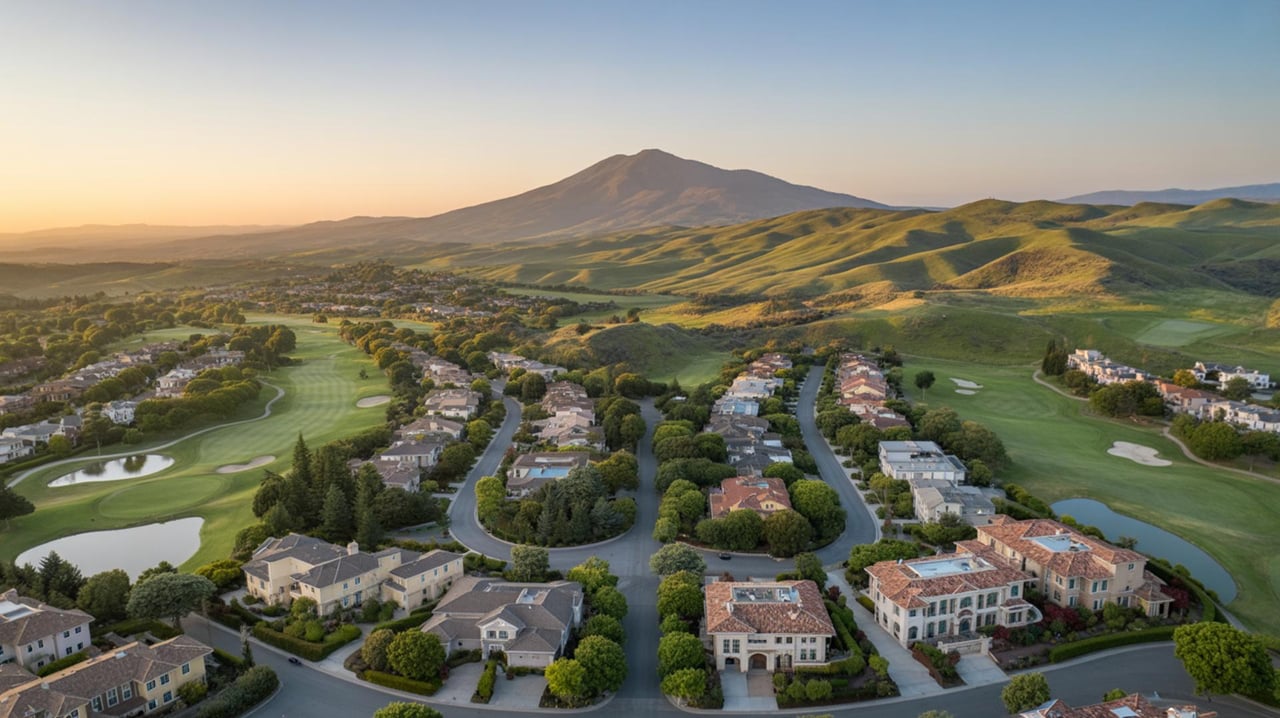
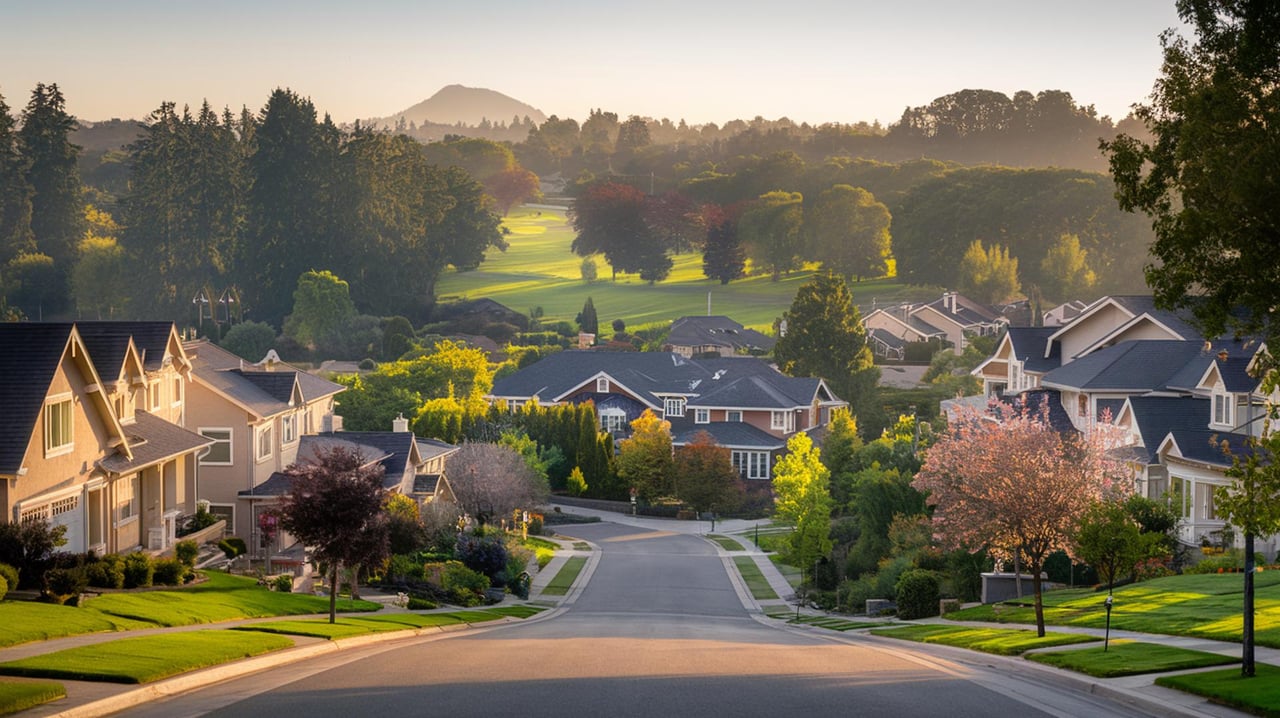
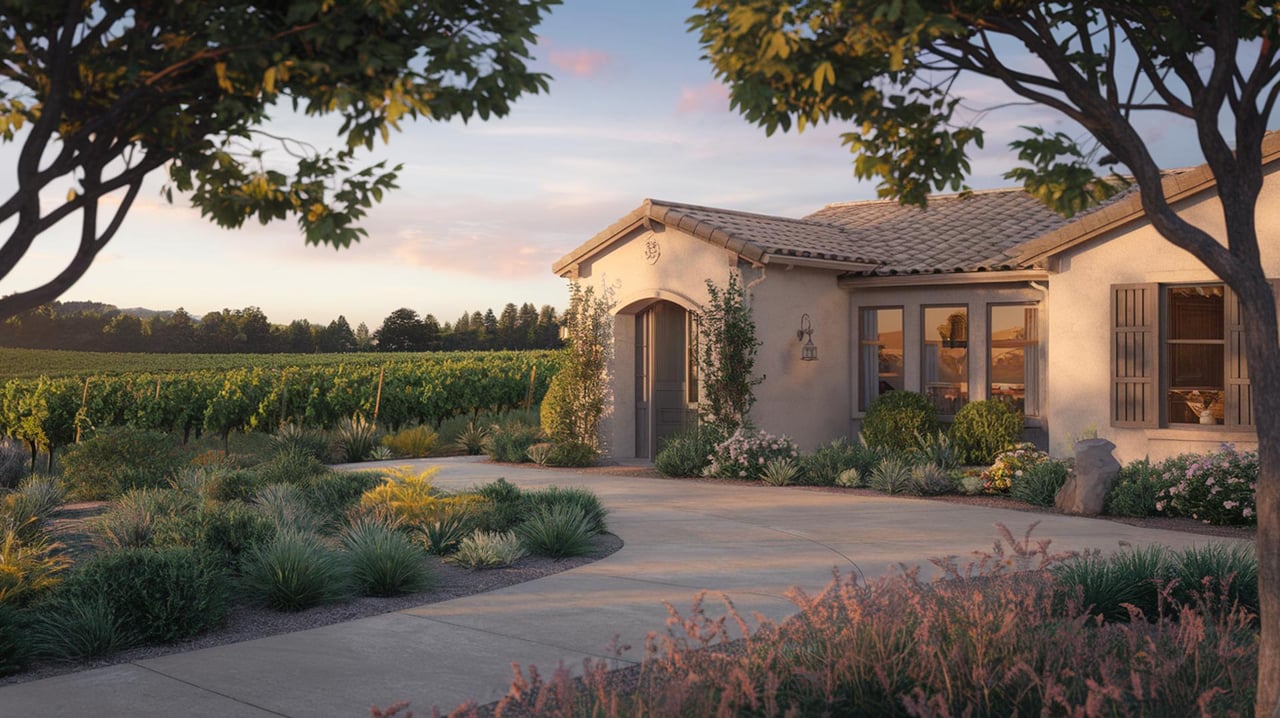
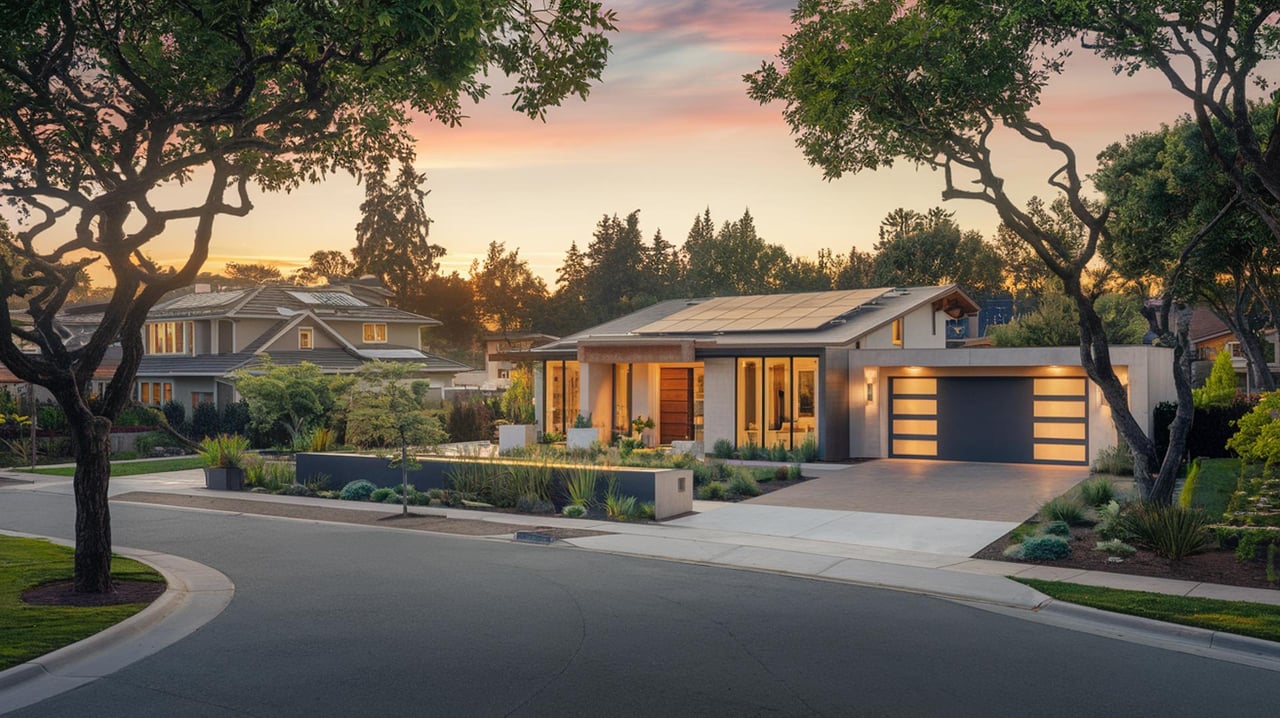
Two homes go on the market in Alamo the same week. Same era, same 12,000-square-foot lot, same price band near the Roundhill Country Club area. One sits on public sewer. One sits on a septic system that has been pumped on schedule and has never given anyone a day of trouble. On paper, the septic home just needs the usual pre-sale inspection, the usual disclosure paperwork, and a buyer who isn't spooked by the word "septic." That is the story most sellers get told.
It is not the whole story. The real gap between those two listings shows up the moment a buyer asks the question every Alamo buyer eventually asks on a lot this size: can I add an ADU back there? On the sewered lot, that is a fee schedule and a permit application. On the septic lot, it is a question nobody can answer with certainty until the county's Environmental Health division looks at your leach field.
The Part Every Seller Already Half-Knows
California requires sellers to disclose known material defects on the Transfer Disclosure Statement and Seller Property Questionnaire, and a septic system's condition falls squarely under that requirement. A licensed inspection typically runs $300 to $900, and Contra Costa County's Environmental Health division wants that work done by a properly licensed C-36 or C-42 contractor, not a general home inspector moonlighting on tanks. The county's Land Use Program also enforces a 100-foot setback between any septic tank or leach field and a well, and recommends pumping every three to five years, or sooner if sludge builds within 12 to 18 inches of the outlet tee.
None of that is a secret, and none of it should scare an Alamo seller. A maintained system with clean pumping records is a routine part of closing. This is table stakes, not the thing that decides your negotiation.
Where It Actually Gets Interesting
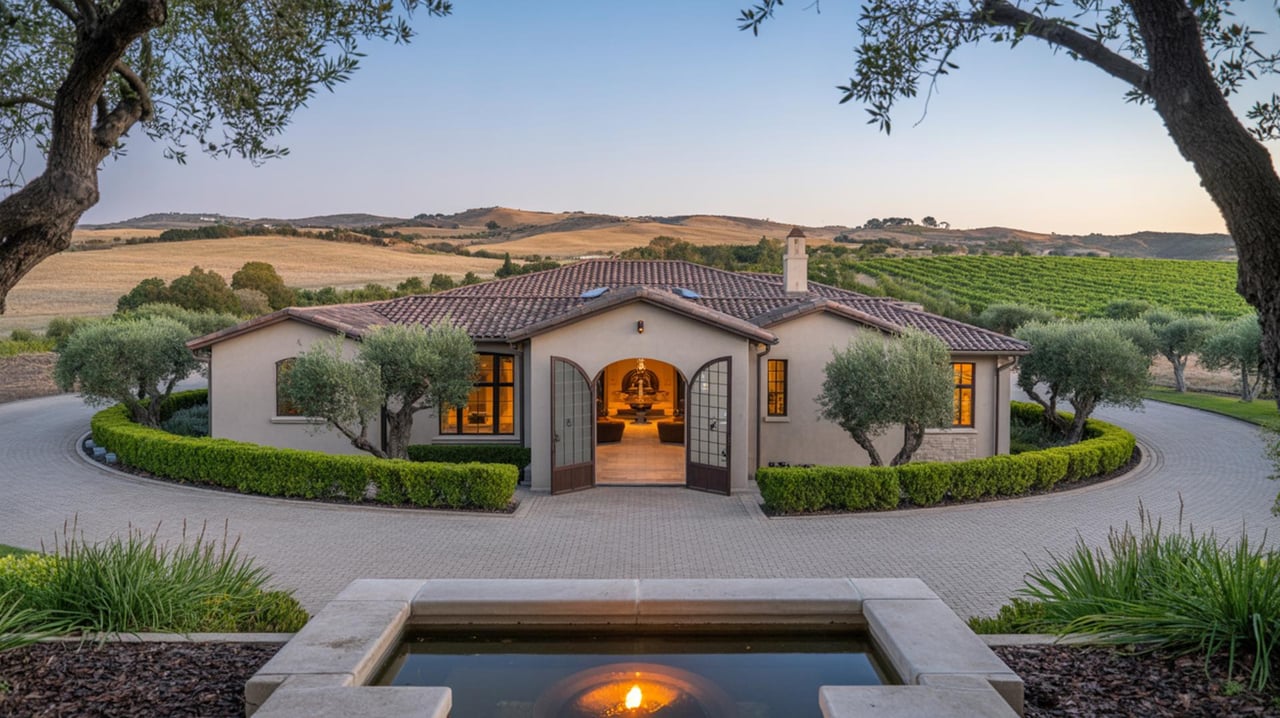
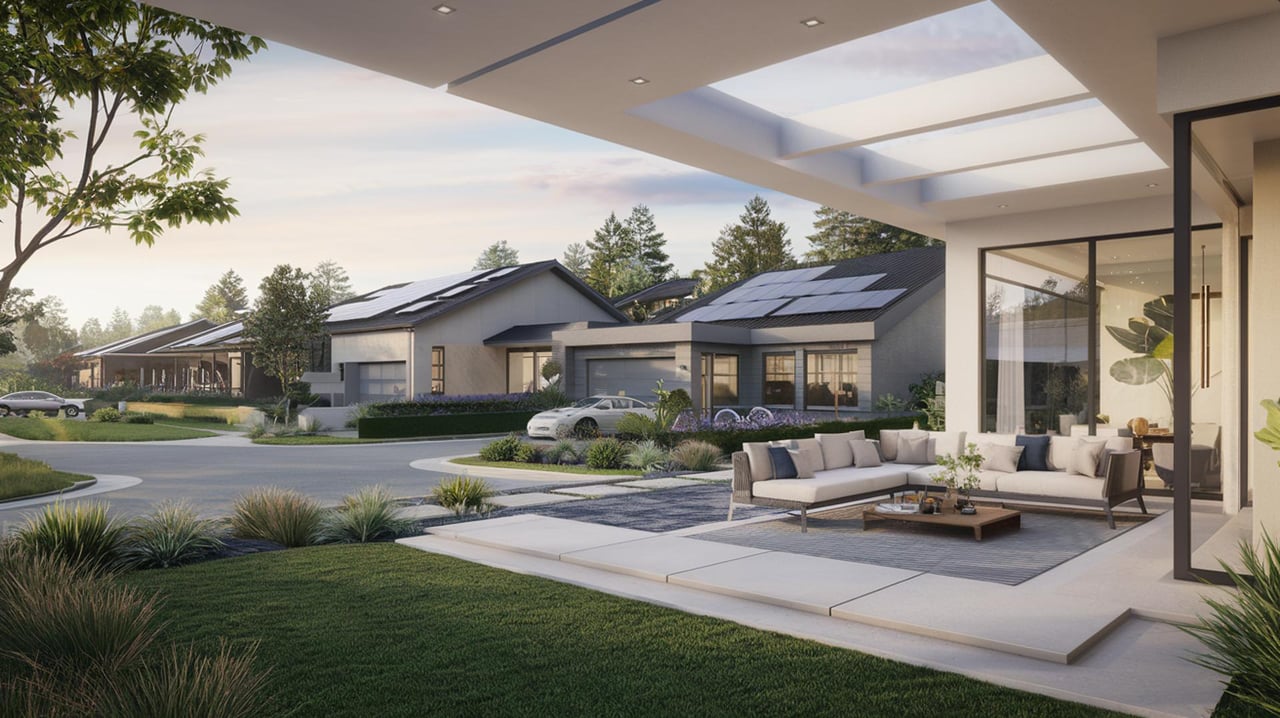
Contra Costa County rewrote its accessory dwelling unit ordinance in May 2025, and the rewrite favors Alamo in almost every way. On lots of 12,000 square feet or more, which describes nearly every conventionally zoned parcel in Alamo, a detached ADU can now run up to 1,200 square feet. An attached garage of 600 to 800 square feet no longer counts against that limit. The old rule requiring an ADU to architecturally match the main house is gone. Because Alamo has no city government of its own, permits route through the county's Department of Conservation and Development in Martinez, and the review is ministerial: meet the standard, and the county approves it.
Here is the fork that matters. On a sewered lot, adding that ADU means paying a Central San capacity fee of $3.63 per square foot, capped at 1,200 square feet, plus a San Ramon Valley Unified School District fee of $5.17 per square foot on units over 500 square feet. If the ADU runs through the house's existing water meter rather than a new one, it also sidesteps EBMUD's roughly $19,500 new-meter capacity charge. Write the checks, submit the plans, and the county moves the file forward.
On a septic lot, that same ADU first needs Contra Costa County Environmental Health to sign off, because the existing system has to demonstrate it can absorb the added wastewater flow from a second dwelling. That is not a fee schedule. It is a pass-or-fail evaluation of your leach field's remaining capacity, and nobody can tell you the outcome before an evaluator looks at the ground.
The septic line on a disclosure form is not the number that decides your sale. The ADU approval sitting behind it is.
Why This Lands Harder In Alamo Than Almost Anywhere Else
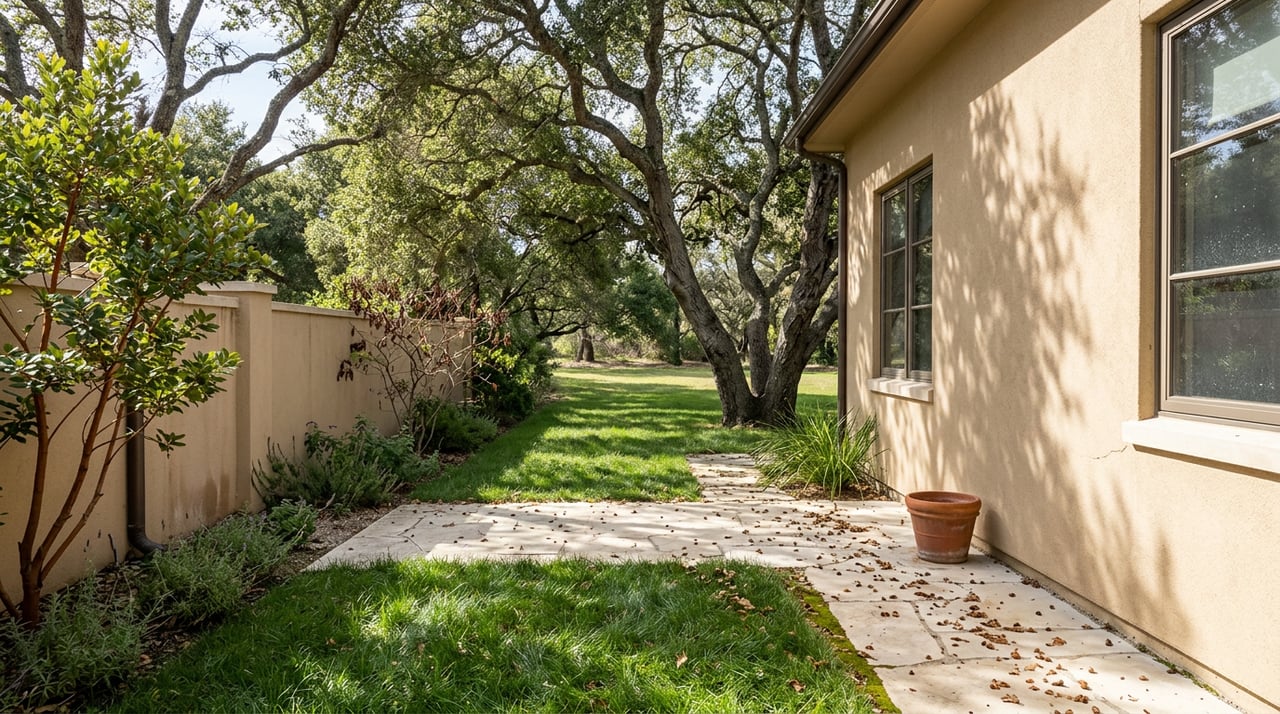
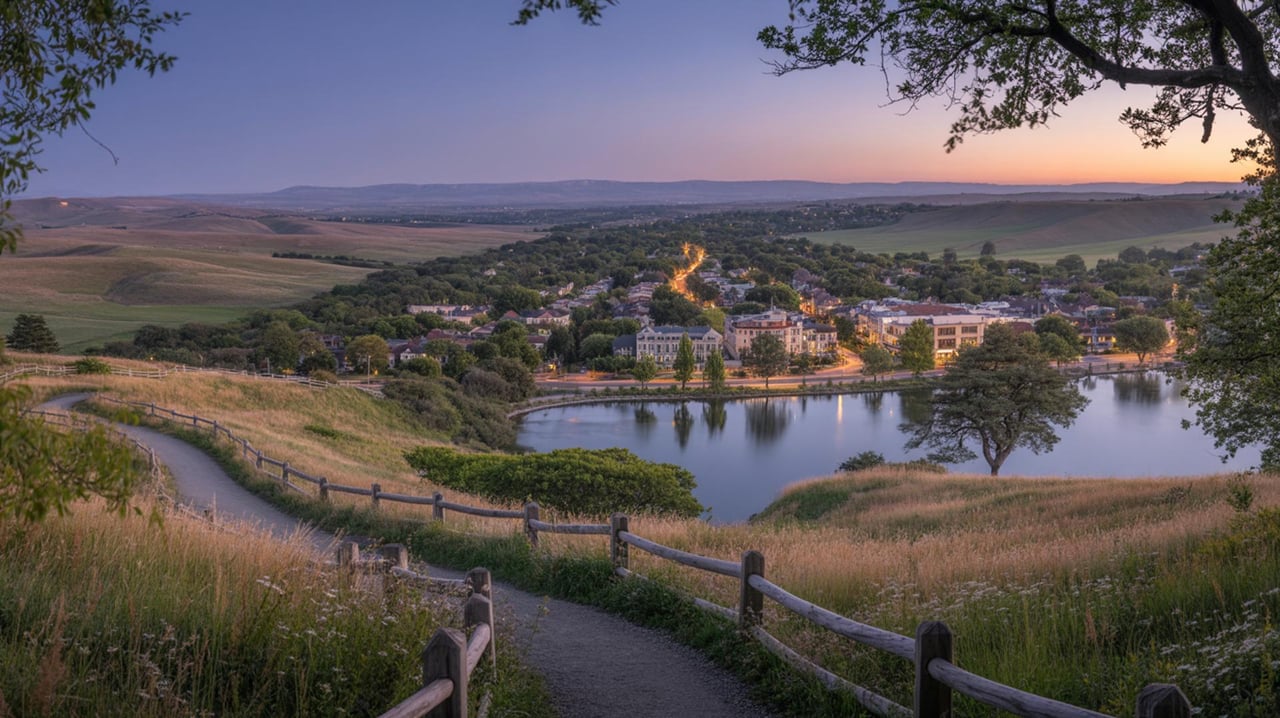
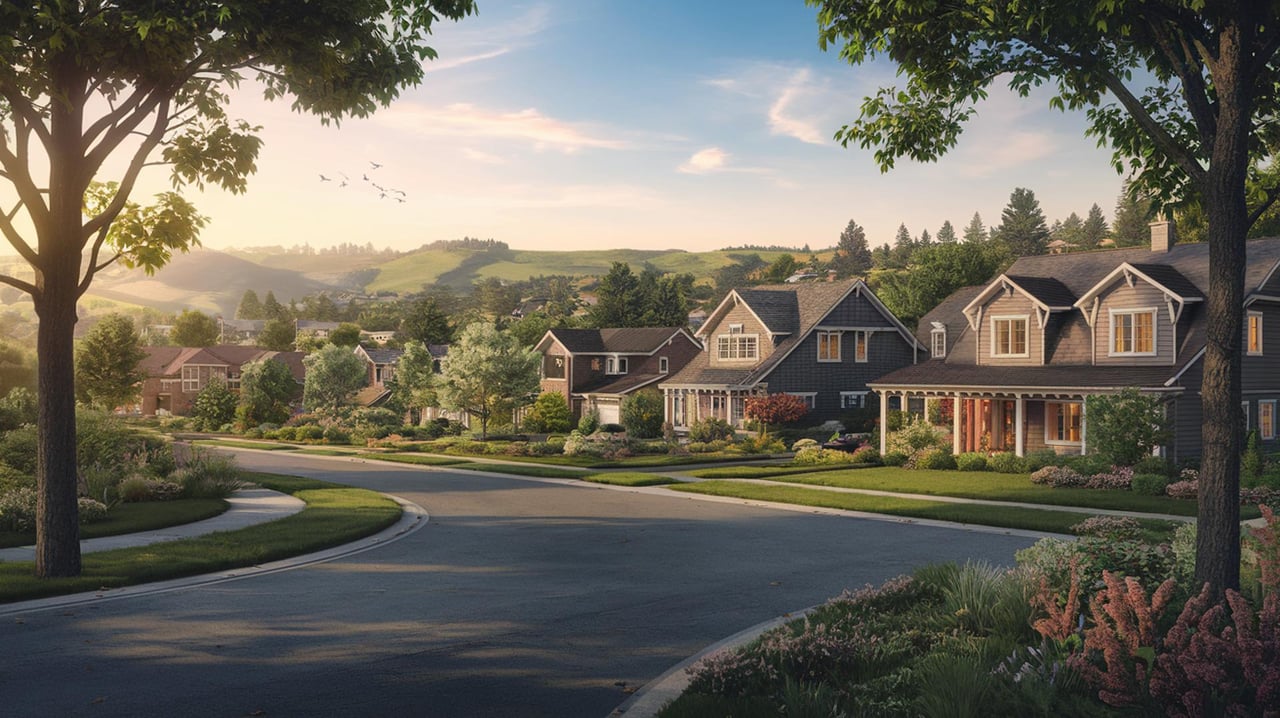
Alamo's appeal has always rested on space: unincorporated status, no traffic signals, lots that run large in neighborhoods like Stone Valley, Alamo Oaks, and the areas near Alamo Country Club. Larger lots are exactly where septic and well systems tend to show up, because they predate later-arriving sewer mains or sit far enough from one that connecting never made economic sense. That means the buyers most drawn to Alamo's biggest selling point, room to build, are also the buyers most likely to land on a lot where that room comes with an unresolved approval question.
For a move-up family evaluating two otherwise identical Alamo listings, the sewered lot lets an agent say "yes, and here is exactly what an ADU costs." The septic lot requires a more honest answer: "probably, pending an evaluation." That difference shapes buyer confidence in ways a $300 inspection never will.
| Sewered Lot | Septic Lot | |
|---|---|---|
| ADU size allowance (12,000+ sq ft lot) | Up to 1,200 sq ft detached | Up to 1,200 sq ft detached, if approved |
| Path to permit | Fee schedule, ministerial review | County Environmental Health capacity evaluation first |
| Central San fee | $3.63/sq ft, capped at 1,200 sq ft | Not applicable until connected |
| SRVUSD school fee | $5.17/sq ft on units over 500 sq ft | Same, once permitted |
| Outcome certainty | Known before you submit plans | Depends on leach field capacity |
The Risk That Runs the Other Direction
There is a second wrinkle that cuts against sellers who assume septic status is permanent and low-stakes. Central San's own policy states that if a property sits within 300 feet of an existing sewer main, the county's Environmental Health division may require a connection anyway, either when the septic system fails or when the owner plans substantial improvements to the home. A seller who assumes "we've never had a problem, so we never will" can find that a future buyer's remodel, or a system failure two years after closing, triggers a mandatory conversion that has nothing to do with anything the seller did wrong.
Central San is also direct about the marketability effect: septic systems are less popular with buyers than sewer connections, they can limit a homeowner's ability to expand the house or build over parts of the lot, and a property on septic tends to be less marketable at time of sale than a comparable sewered home. A failing system can push value down further until it is repaired or the home connects to sewer.
The Lever Nobody Mentions At The Listing Appointment
Central San runs a Septic to Sewer program open to residential owners whose parcel sits adjacent to an existing sewer main. It provides low-interest financing for the construction and Central San fees involved in connecting to the public sewer and properly abandoning the old septic tank, up to $65,000 in eligible costs, repaid over 15 years through the property tax bill rather than out of pocket at closing. Base connection fees for a typical residential conversion currently run about $9,200 to $10,200 per unit, so the program is designed to absorb the bulk of a real conversion, not just the paperwork.
For a seller sitting on a large, otherwise desirable Alamo lot who wants to market ADU potential honestly and without caveats, converting before listing removes both problems at once. It clears the Environmental Health approval question entirely, and it puts the home on the same ministerial, fee-based ADU path as every sewered comparable in the neighborhood. That is a pre-listing decision worth making with real numbers in hand, not a surprise a buyer's agent raises during escrow.
Before you list a septic or well-served Alamo home, get in front of these:
- Schedule a licensed C-36 or C-42 inspection early enough to address findings before showings begin
- Pull pumping and maintenance records, since documented history reassures both buyers and lenders
- Confirm your parcel's distance to the nearest Central San main, since that determines S2S eligibility
- Decide, with real fee quotes, whether pre-listing conversion changes your marketing story
- If staying on septic, get a straight answer from County Environmental Health on remaining leach field capacity before promising a buyer an ADU is simple
A Few Questions Sellers Ask
Does every septic property in Alamo need to convert to sewer before selling? No. A well-maintained system with a passing inspection and clean disclosure can sell without any conversion. The conversion question only matters if you want to market the property's ADU potential with certainty, or if your parcel sits within that 300-foot radius of an existing main where CCEH could compel a connection later.
Who typically pays for the septic inspection in an Alamo sale? Practice varies by contract, but sellers commonly arrange the inspection ahead of listing so there are no surprises during escrow, and the cost is negotiated as part of the purchase agreement like any other pre-sale item.
Can a buyer finance a sewer conversion after closing instead of the seller doing it before listing? Central San's program is tied to the property, not the individual owner, so a buyer can pursue it after closing if the seller chooses not to. The tradeoff is that the home markets with the septic caveat attached during the sale itself, rather than with the ADU question already resolved.
If you are weighing whether to convert before you list, or simply want a straight read on what your specific lot's septic status means for its ADU potential, that is exactly the kind of local detail worth a conversation before you set a price. Valerie Vicente works these Alamo lots regularly and can walk you through what your system, your setback, and your lot size actually allow. Call Val for Value, and request your free home valuation.