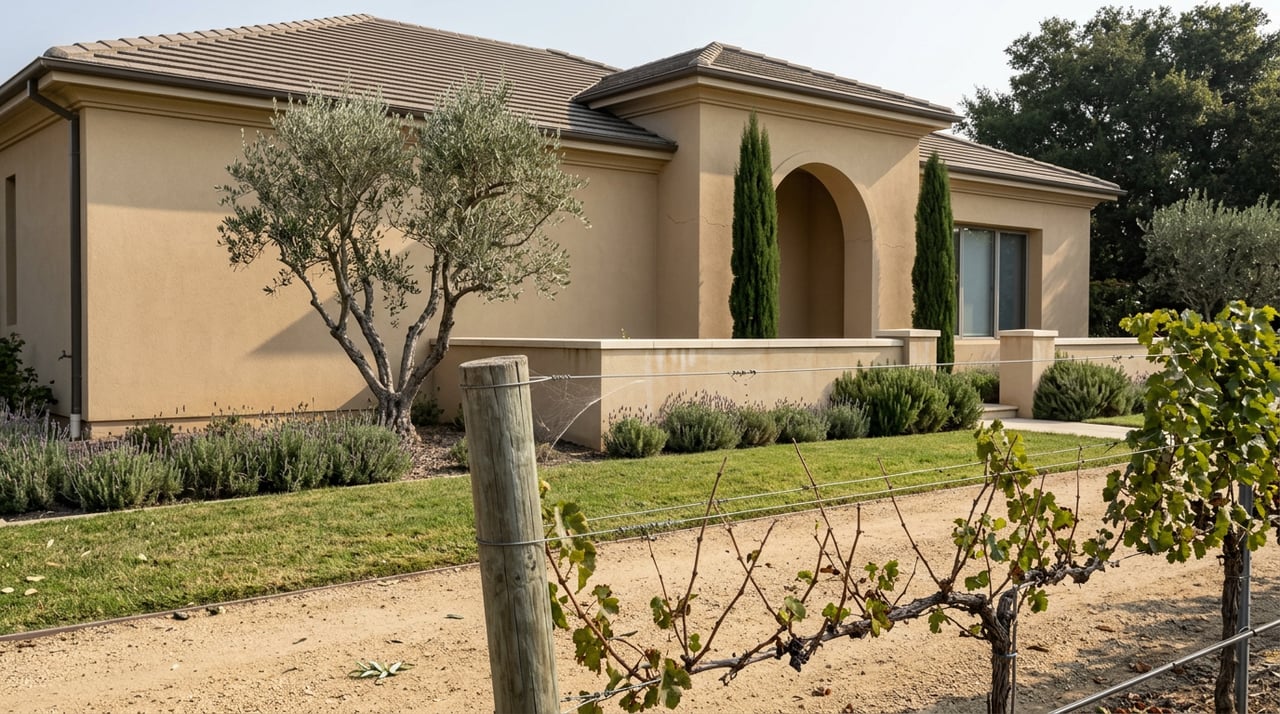
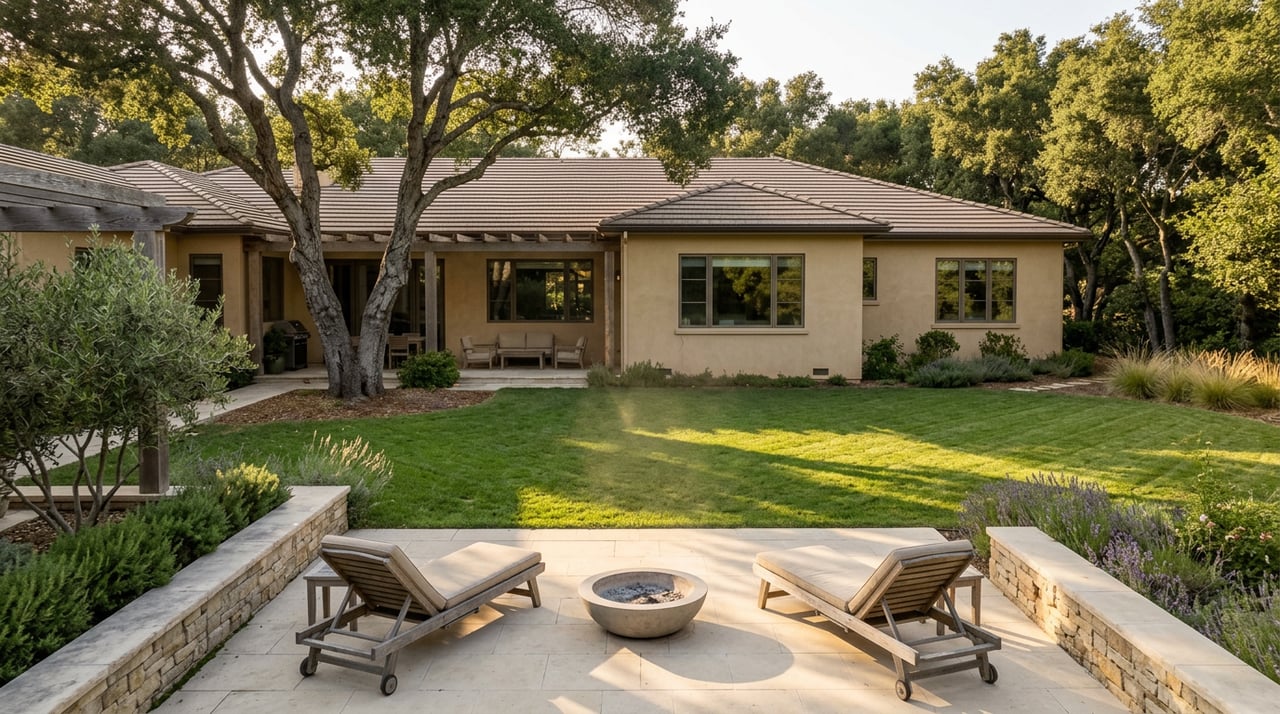
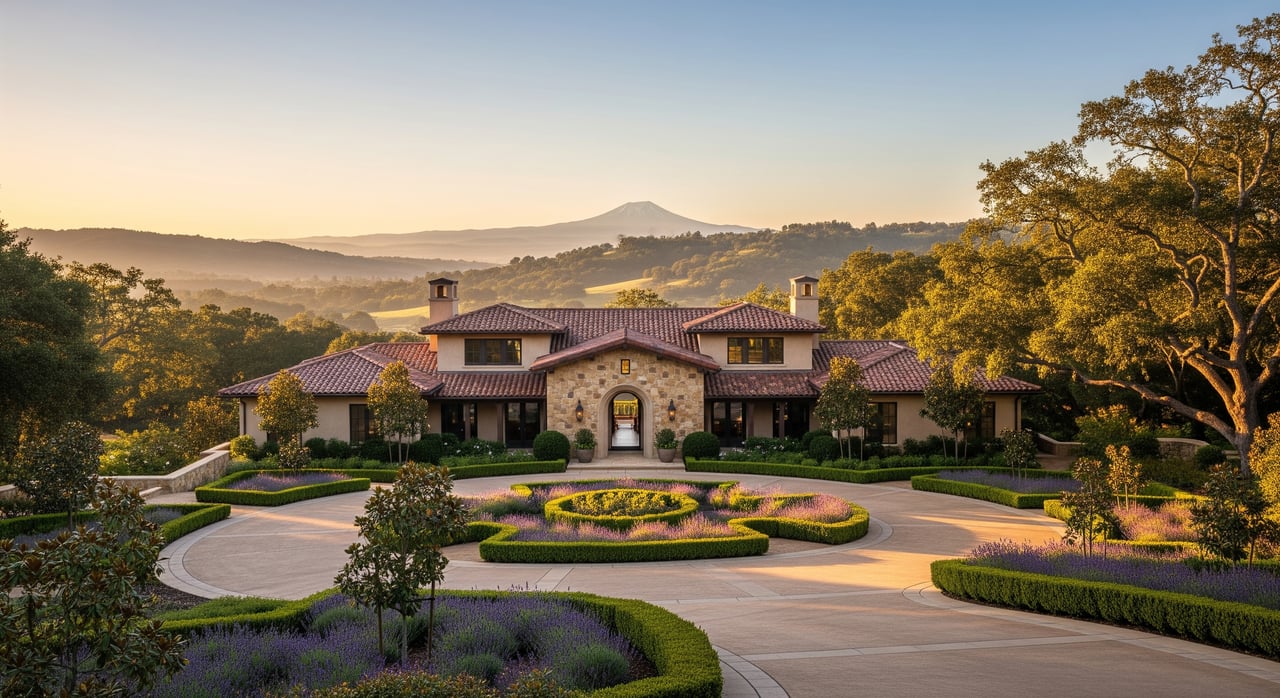
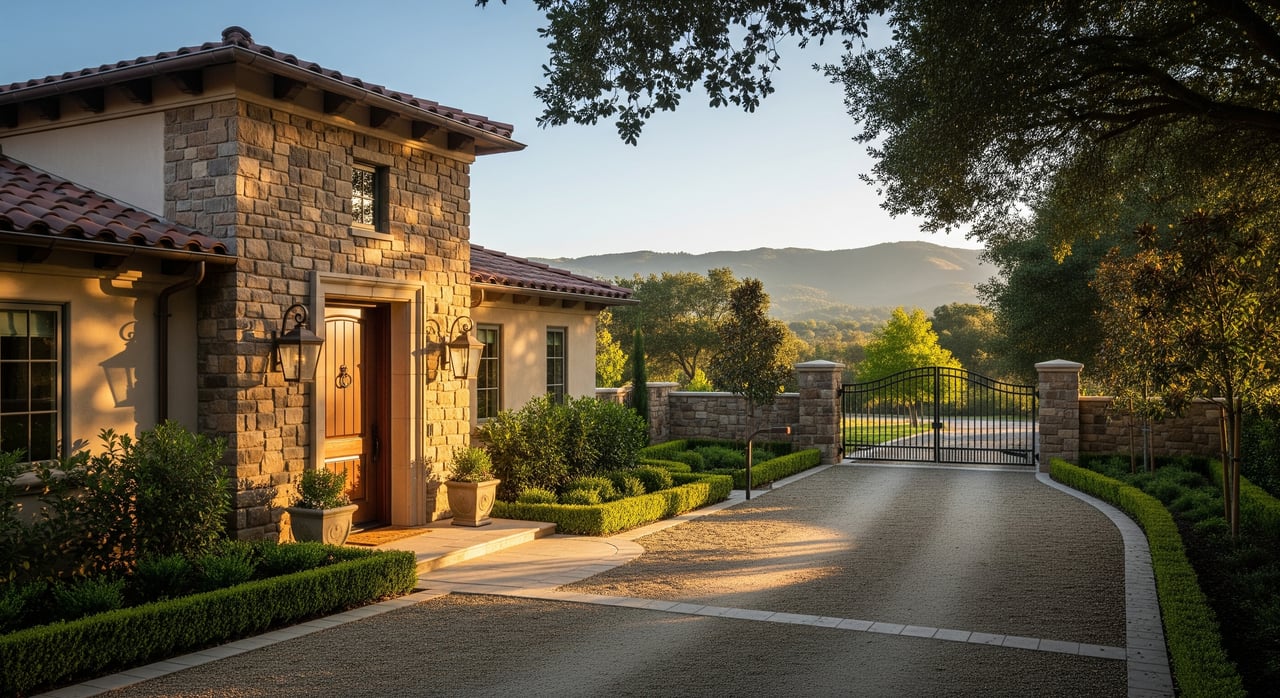
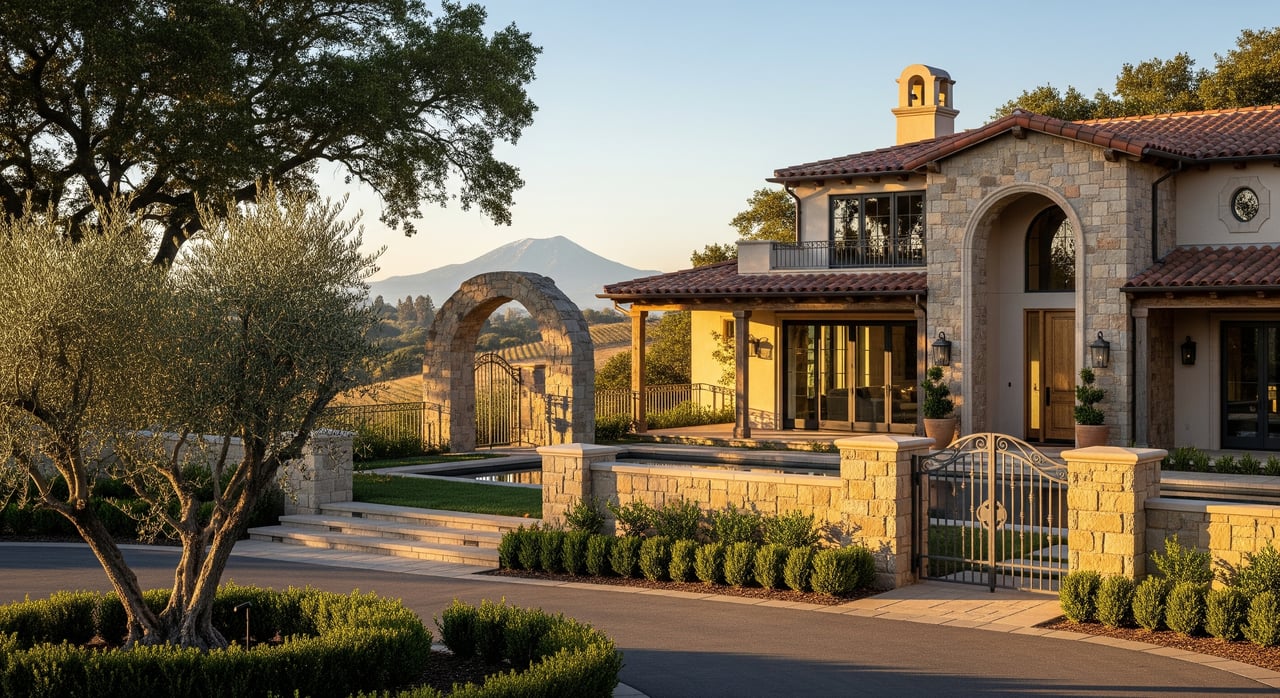
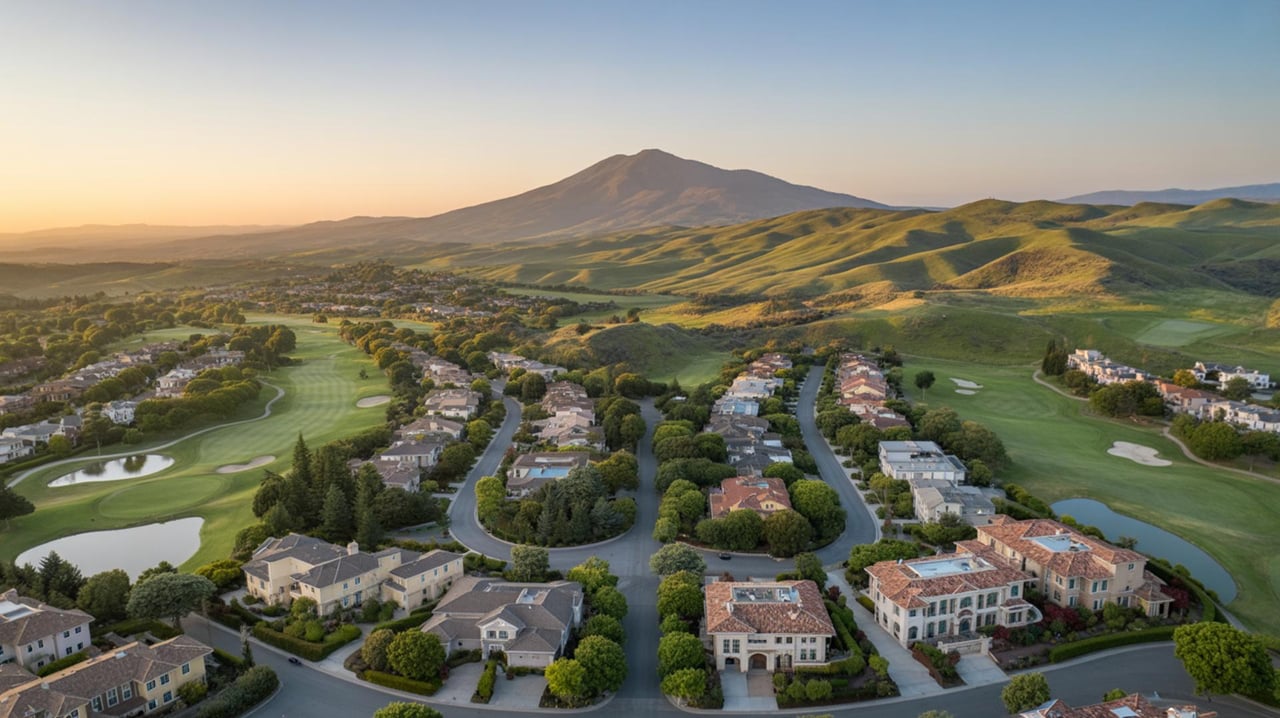
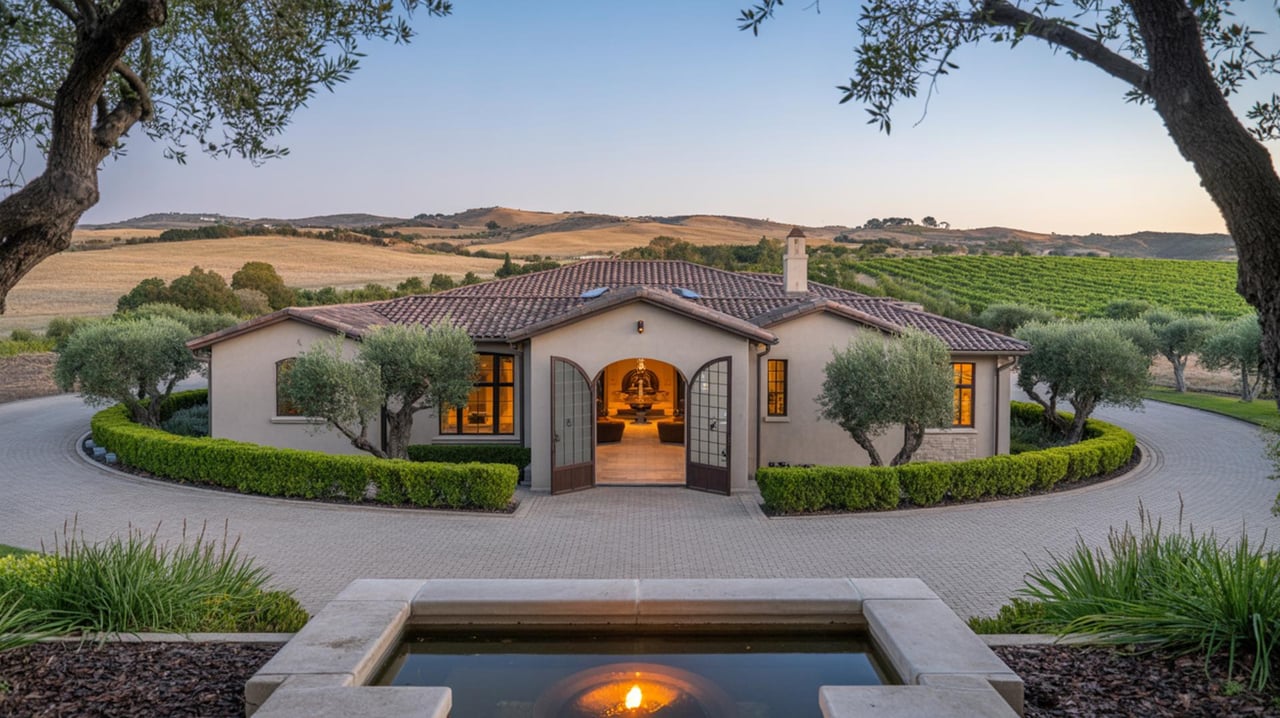
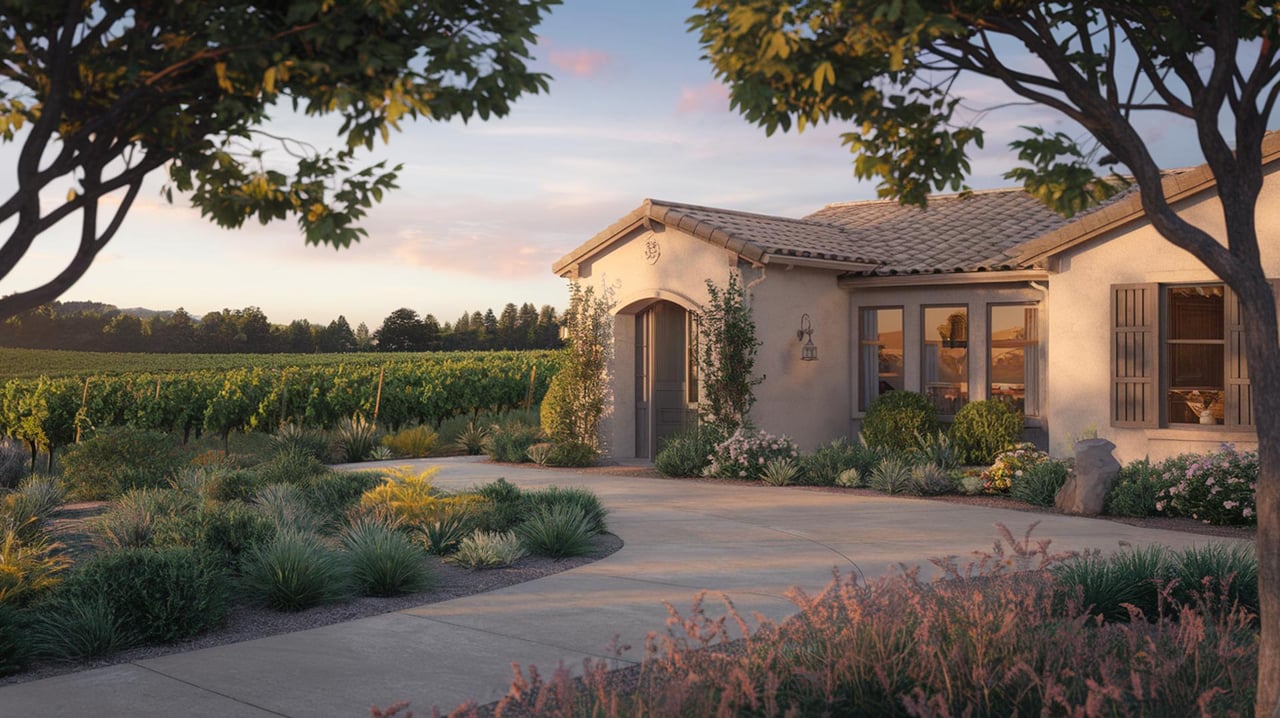
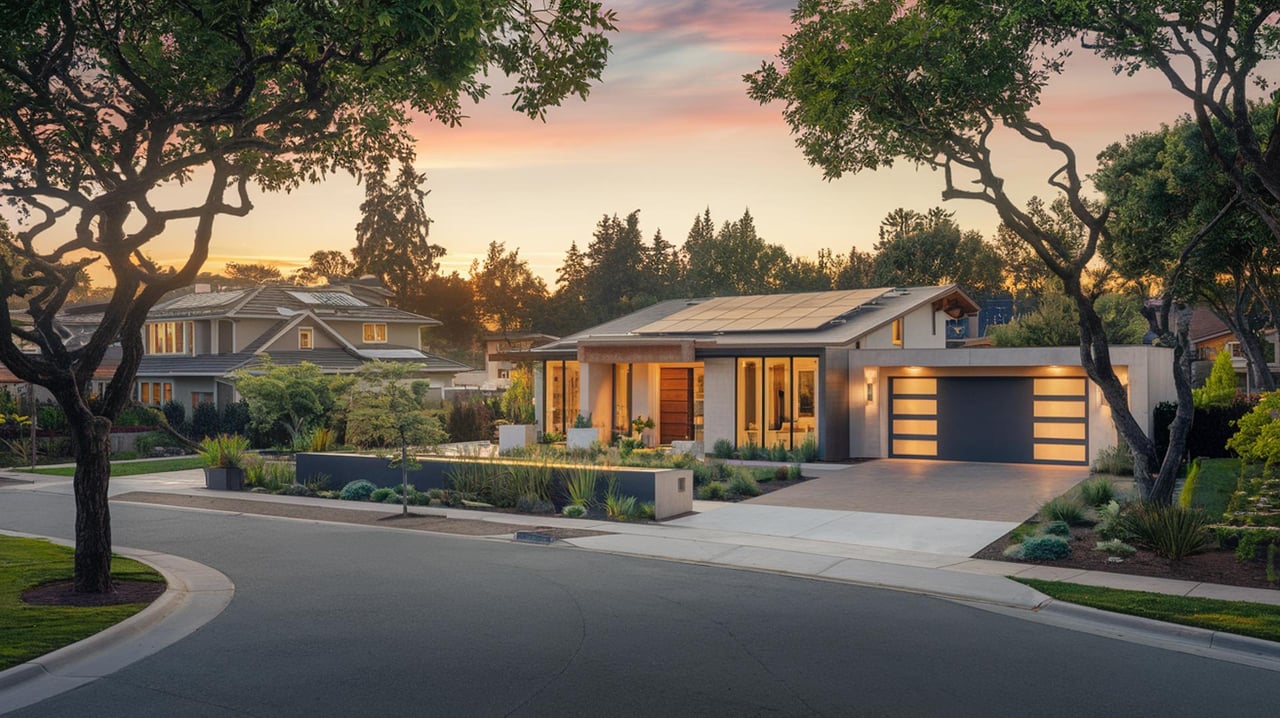
Scroll through active land listings in Livermore's wine country right now and you'll find the same phrase doing quiet work in the marketing copy. A roughly 17-acre estate and vineyard development site near Ruby Hill describes itself as carrying "very low taxes because of the Williamson Act." The Arnerich Ranch, 2,928 acres held by the same family since 1939 and split into 18 certified parcels, leads with its Williamson Act enrollment as a feature, right alongside the off-grid privacy. A working Livermore Valley winery currently for sale lists 6.72 acres of 20-year-old Syrah under the same designation, positioned across from a well-known regional trailhead.
In every case, the phrase reads like a bonus. Lower taxes, no downside mentioned. That framing is the problem. A Williamson Act contract is not a discount stapled to the deed. It's a restriction the county placed on the land, and the low tax bill is the price the state pays landowners to accept it. If you're buying acreage in Livermore's wine country, or selling it, the sentence you should actually be reading is the one the listing doesn't say out loud: what does it cost to get out of this, and on whose schedule.
What the Contract Actually Trades
The Williamson Act, formally the California Land Conservation Act of 1965, lets a county assess enrolled agricultural land at its farming value instead of its market value, in exchange for the owner agreeing to keep it in agricultural or open-space use. It's a rolling 10-year contract. Every January 1st, another year gets added automatically unless someone files a non-renewal notice. Miss that step and you're back to a full decade of restriction, whether or not that matches your plans for the land.
Livermore has more of this land under contract than most Bay Area buyers assume, because the valley's wine identity runs deep. Robert Livermore planted the area's first wine grapes in 1840, and the Concannon and Wente families opened some of California's earliest commercial wineries here in 1883. Alameda County's Tri-Valley region, which includes Livermore, Dublin, Pleasanton and the unincorporated county land around them, now carries more than 200,000 acres designated for agriculture, with over 5,000 acres planted in wine grapes across more than 50 wineries. A large share of that acreage sits under Williamson Act contracts, which is exactly why the phrase keeps showing up in Livermore listings more than it does in, say, a Danville or San Ramon subdivision.
"Reserved for Extraordinary Situations"
Alameda County's own program rules describe contract cancellation, the fast exit, in blunt terms: it is reserved for extraordinary situations and results in immediate termination. That's not a sales pitch. It means the county expects almost nobody to use this route, and the fee structure backs that up. Statewide, a landowner who petitions for cancellation instead of waiting out a non-renewal pays a fee equal to 12.5 percent of the land's fair market value, calculated as if the contract didn't exist. On a $4 million parcel, that's a $500,000 check to the state before permits, environmental review, or attorney costs. California also allows a stricter version called a Farmland Security Zone contract, which roughly doubles both the enrollment term and the exit fee for landowners who chose that path.
Two Ways Out, One Slow and One Expensive
Most owners never file for cancellation. They use non-renewal instead, which is slower but far cheaper.
| Exit route | How it works | What it costs |
|---|---|---|
| Non-renewal | Landowner stops the automatic annual renewal. The existing contract runs out its remaining term, typically nine years on a standard 10-year contract, since renewal stops the moment the notice is filed. | No fee. Property taxes step up gradually each year during the wind-down, reaching full market assessment only at the end of the term. |
| Cancellation | Landowner petitions the Board of Supervisors directly, arguing the cancellation serves the public interest. County approval is discretionary and rare. | A fee equal to 12.5 percent of unrestricted fair market value, paid to the state, non-refundable, plus the cost of the entitlement process itself. |
Neither path is instant. If you're buying a Livermore vineyard parcel with plans to build a larger residence, subdivide, or eventually develop, the honest question isn't whether the Williamson Act allows it. It's whether you can carry nine years of a step-up tax schedule, or whether you're prepared to write a six-figure check to the state before you can even apply for the permits that would let you use the land differently.
The Deadline That Doesn't Match the Generic Checklist
Here's where a lot of due diligence goes wrong, and it's specific enough that most generic guides get it wrong too. Neighboring Santa Clara County requires landowners to file non-renewal notice by October 1st, at least 90 days ahead of the January 1st renewal date. Alameda County, where Livermore sits, runs on a different clock. Under the county's own Uniform Rules, a landowner must serve written notice of non-renewal by October 2nd, and the county's reciprocal notice, if the county is the one declining to renew, goes out by November 2nd.
A few days' difference sounds trivial until you're the buyer who assumed the escrow closing date left enough runway to file, based on a template built for a different county. If a Williamson Act non-renewal is part of your closing strategy, the date on the calendar is the Alameda County date, not the one on a downloadable form written for somewhere else.
The 2,500-Square-Foot Trip Wire
Even landowners who never touch cancellation or non-renewal can still trigger a penalty, and this is the one that catches buyers who plan to eventually build. State law defines a material breach of a Williamson Act contract as a commercial, industrial, or residential building over 2,500 square feet that isn't compatible with the agricultural use, built without the required approvals, and constructed after January 1, 2004. If a county finds that breach, the penalty is 25 percent of the unrestricted fair market value of the affected portion of the land, on top of whatever it costs to bring the property into compliance.
This is the quiet risk behind a listing like the working Livermore winery with its Syrah under Williamson Act. A vineyard, a modest tasting structure, a caretaker's cottage under the size threshold: those are the kinds of improvements the contract was written to allow. A new 4,000-square-foot main house built without confirming ag-compatibility first is a different story, and it's the buyer, not the seller, who inherits that exposure once escrow closes.
Before You Write the Offer or List the Parcel
A short list, because this is the part that actually protects you:
- Pull the parcel's Williamson Act status directly from the Alameda County Assessor's records, not from the listing description alone.
- Confirm the parcel meets the county's minimum size for its contract type. Alameda requires at least 10 acres for prime agricultural land like an established vineyard, and 40 acres for non-prime or grazing land, with narrow exceptions.
- Ask whether any structure on the property exceeds 2,500 square feet and, if so, whether it was permitted as an ag-compatible use.
- If you're planning to develop, model both exit costs, the nine-year non-renewal tax step-up and the 12.5 percent cancellation fee, against your actual timeline, not a best-case one.
- If a non-renewal is already in motion, get the exact filing date from county records rather than a generic date carried over from another county's guide.
A Few Direct Questions
Does a Williamson Act contract transfer to a new owner at sale? Yes. The contract runs with the land, not the person who signed it, so a buyer inherits both the tax benefit and the restriction exactly as it stood before closing.
Can I build a guest house on Williamson Act land? Sometimes, if it stays under the size threshold and reads as compatible with the agricultural use. Confirm compatibility with the county before you design anything, since the 2,500-square-foot threshold and the ag-compatibility test are both fact-specific.
If I file non-renewal today, when is the land fully free of the contract? On a standard contract, expect roughly nine years from the date the notice takes effect, with property taxes rising in steps each year until they reach full market assessment at the end.
Livermore's vineyard estates are some of the most distinctive properties in the East Bay, and the Williamson Act is a real part of why so much of that land still looks like wine country instead of a subdivision. The contract itself isn't a red flag. Treating the phrase in a listing as the whole story is. If you're evaluating acreage in Livermore, or thinking about listing a parcel that carries one of these contracts, Valerie Vicente can walk through the county records with you before you write the offer or sign the listing agreement. Call Val for Value, and get a clear read on what the land actually allows before the escrow clock starts.