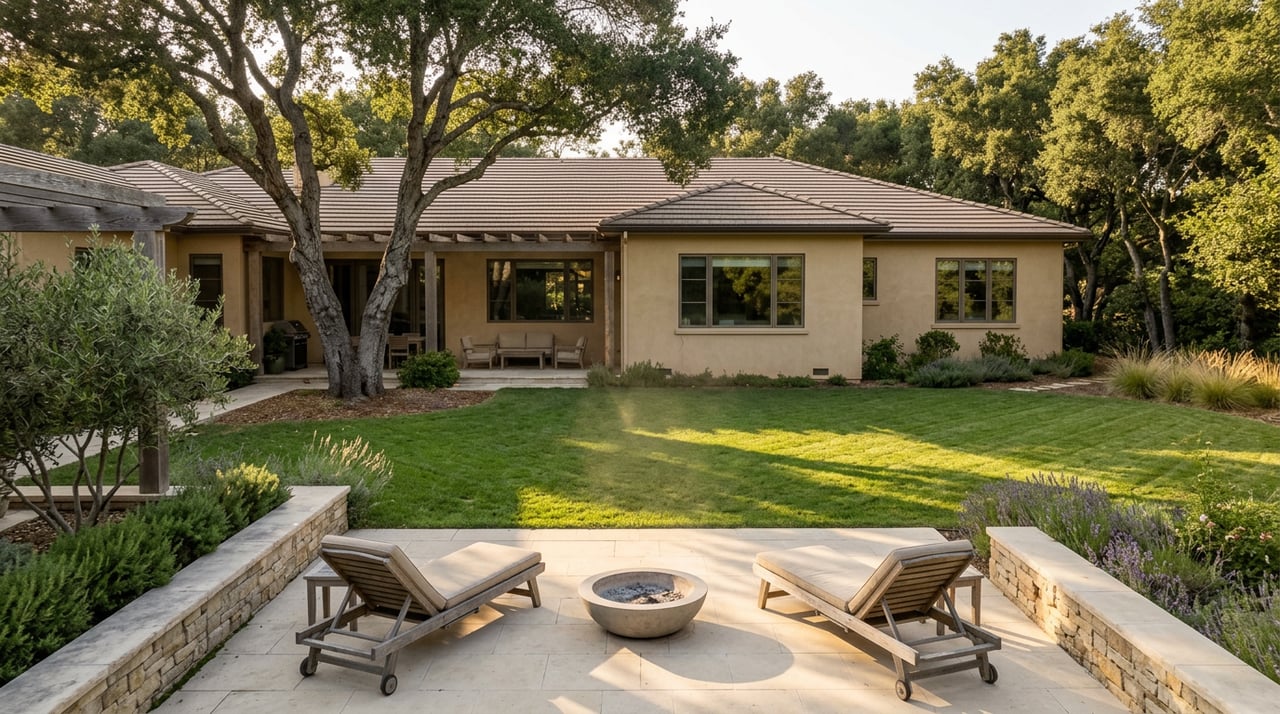
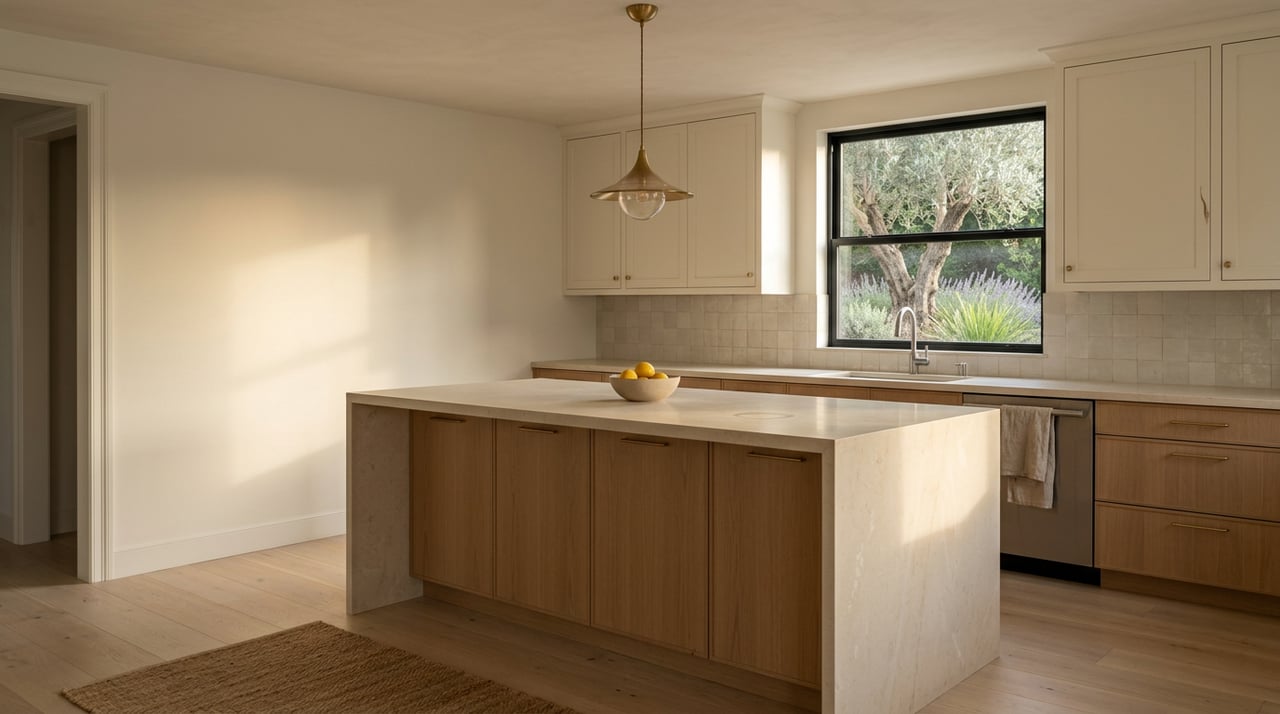
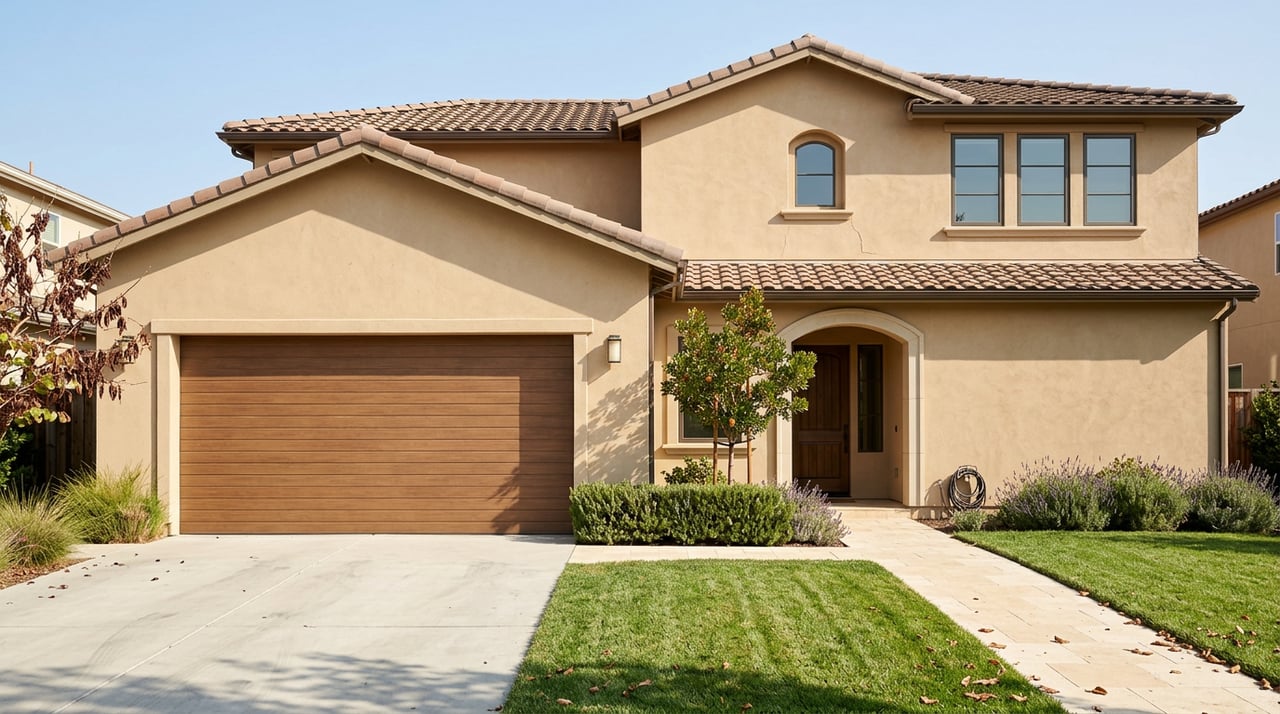
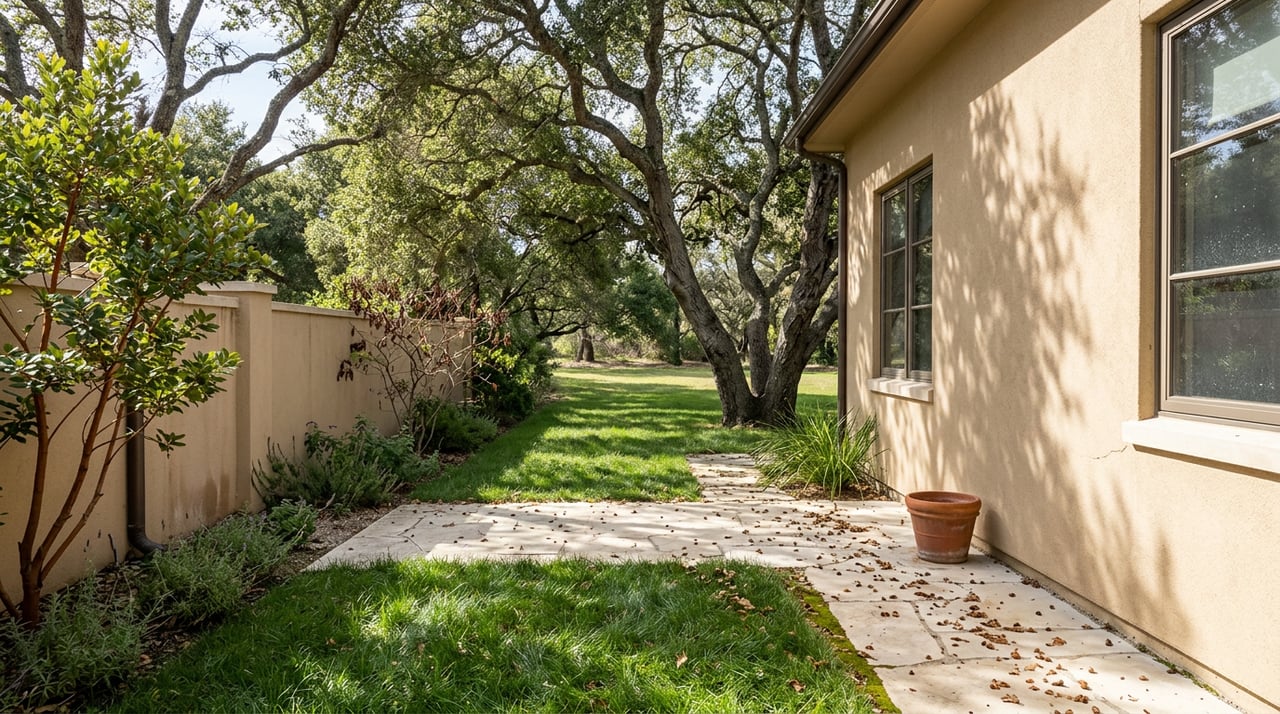
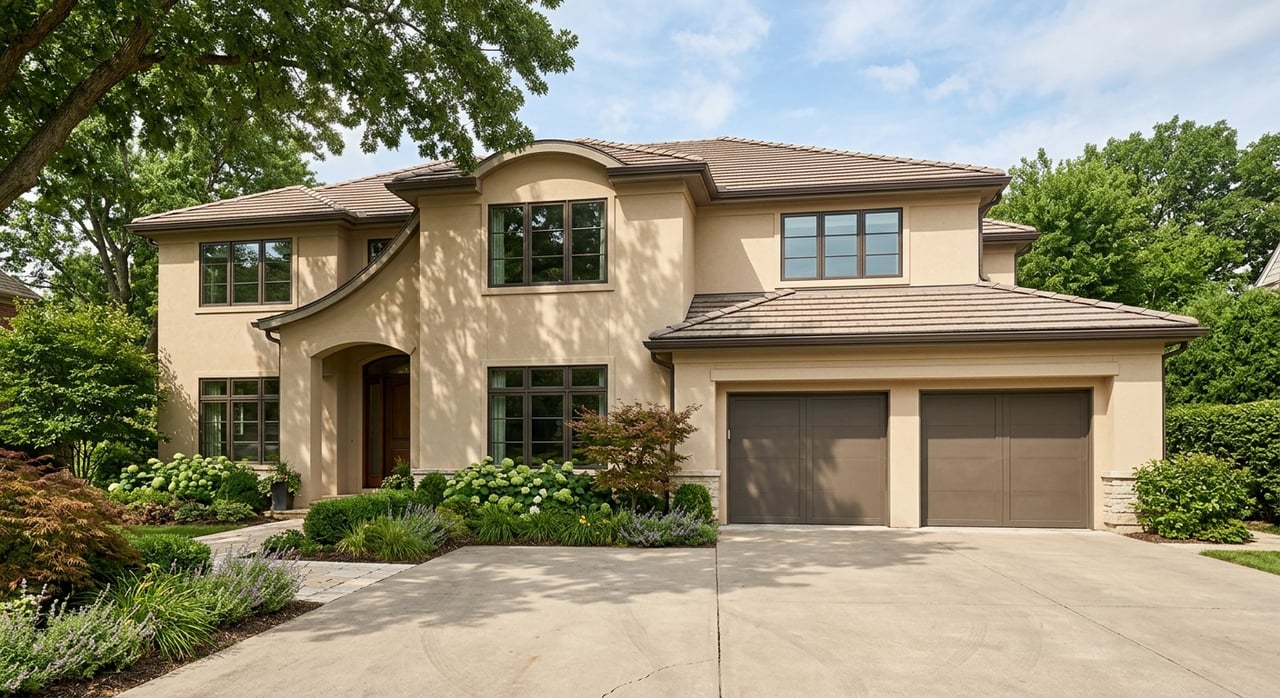
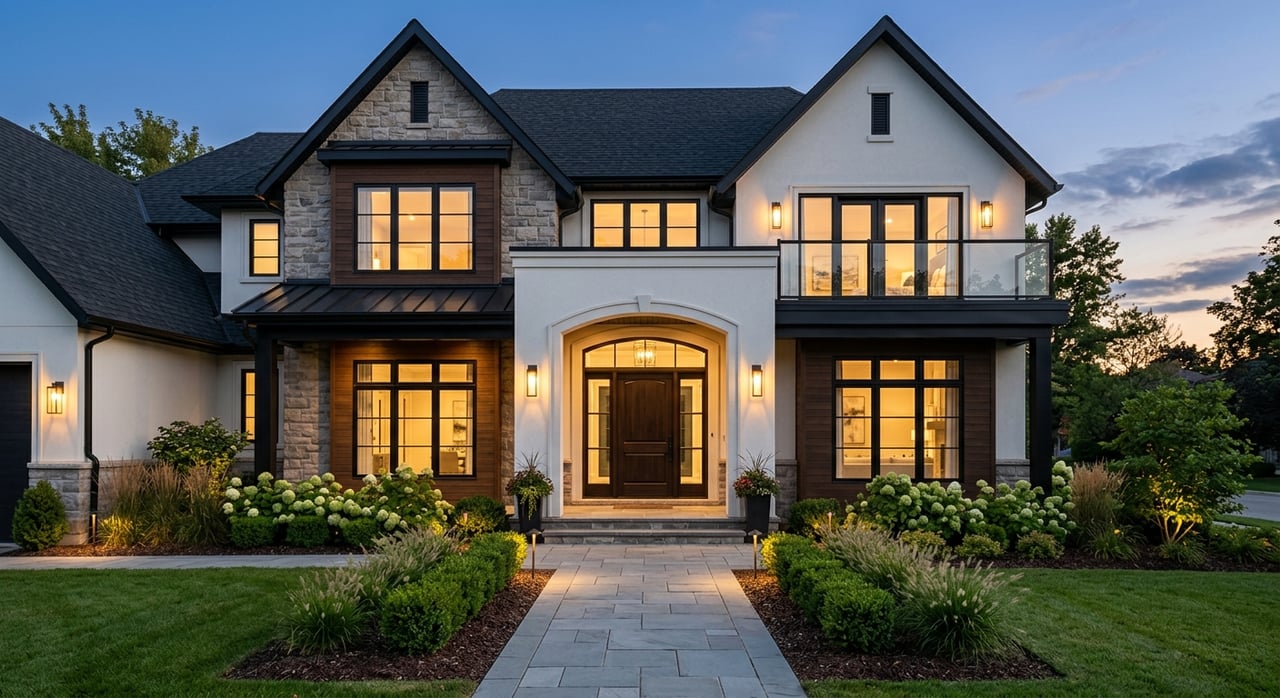
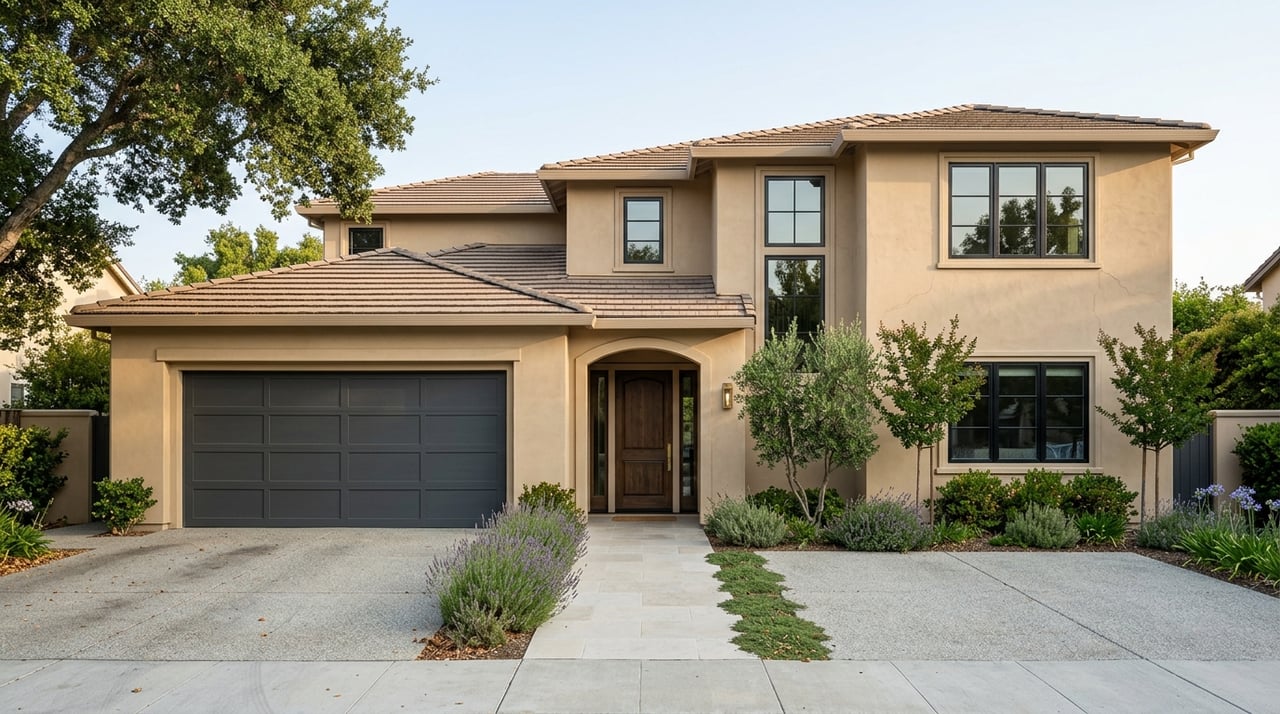
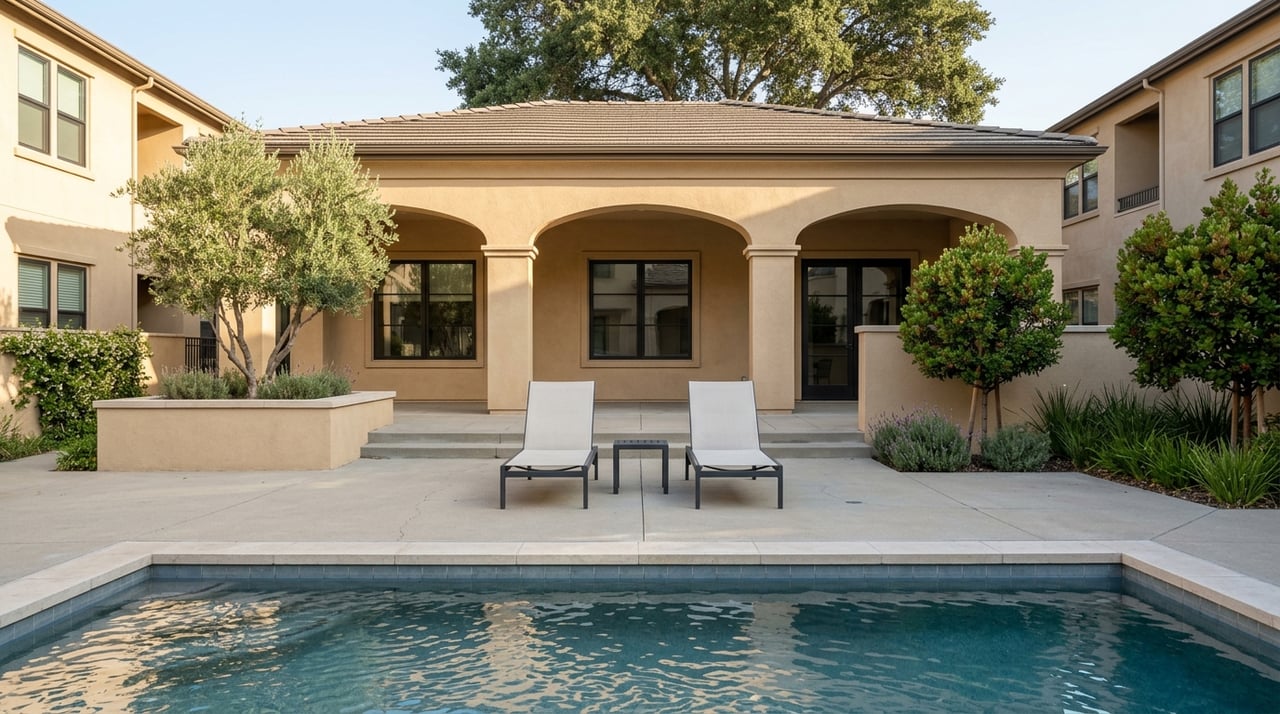
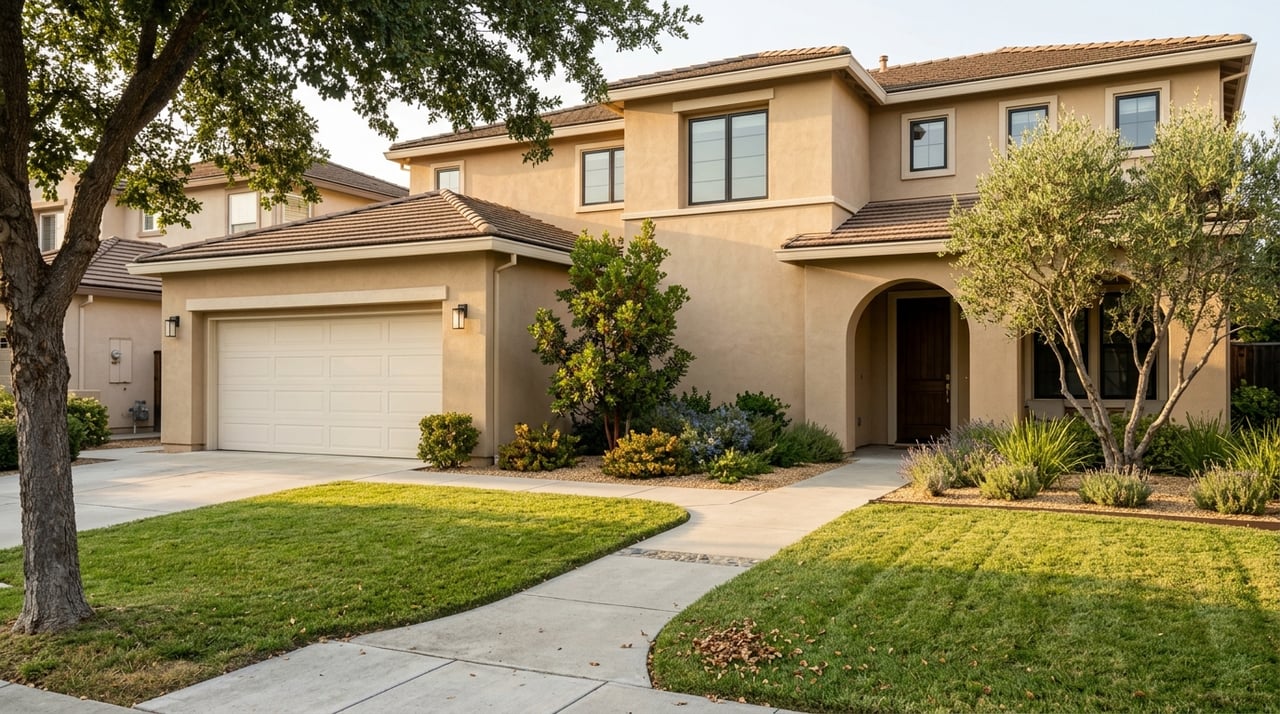
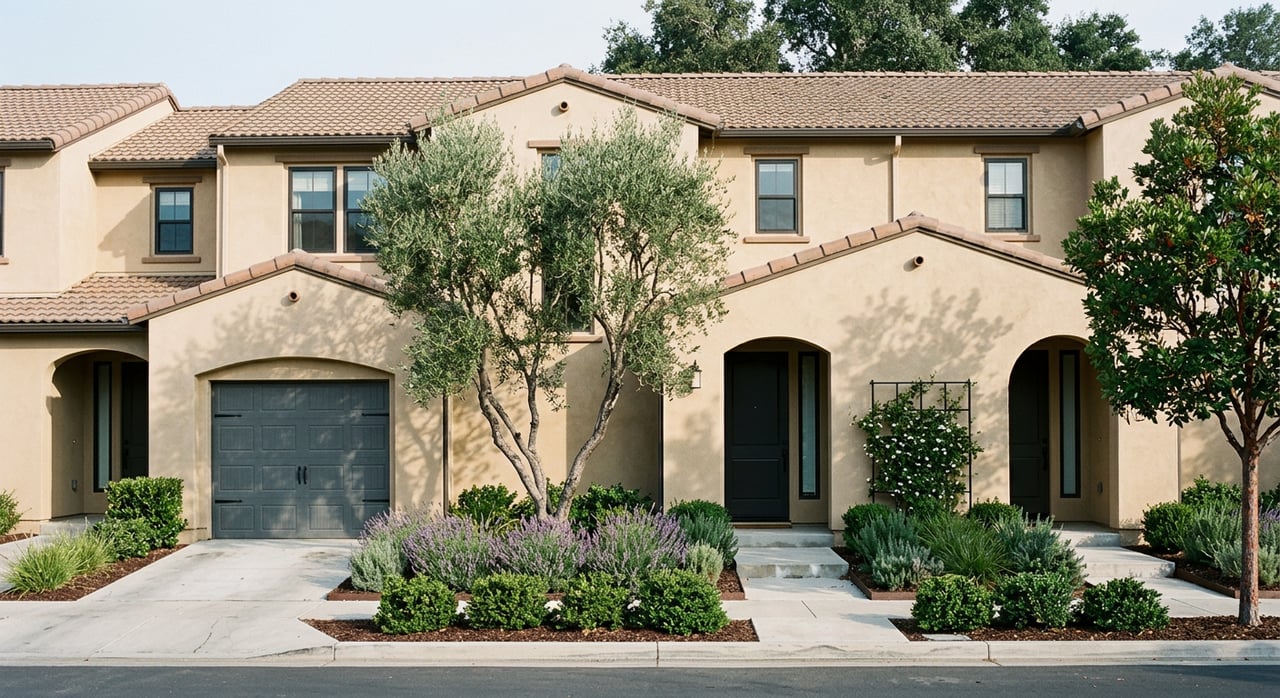
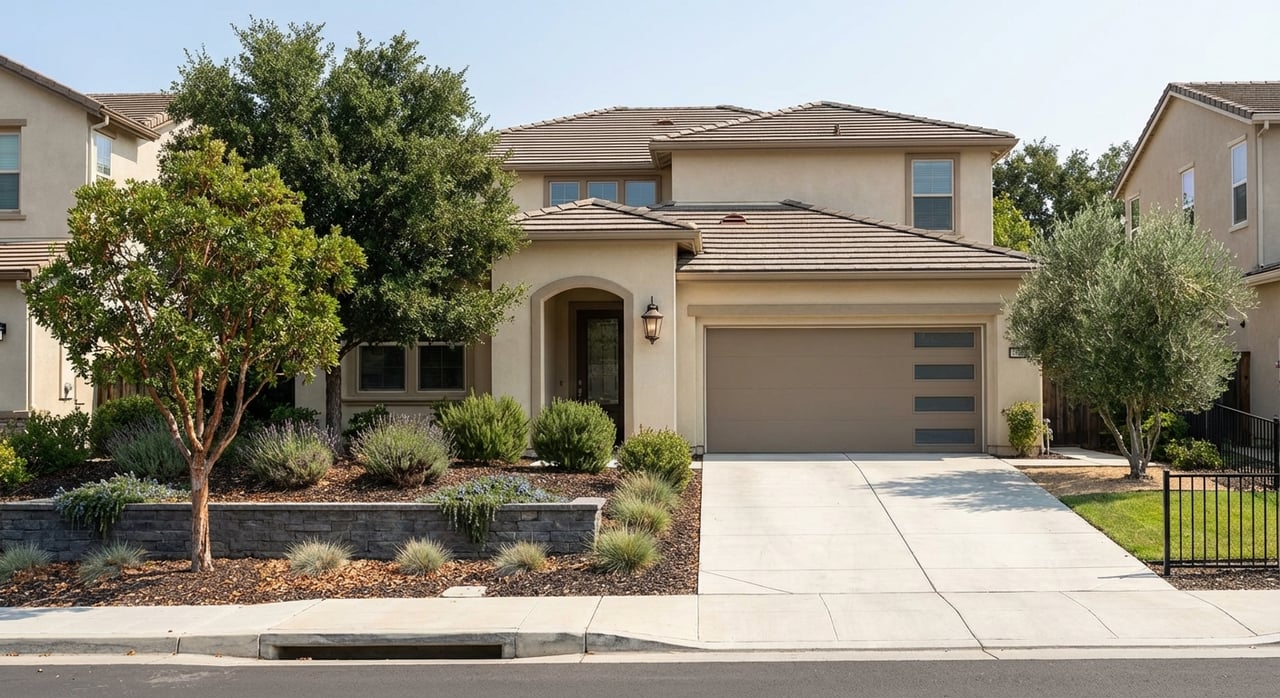
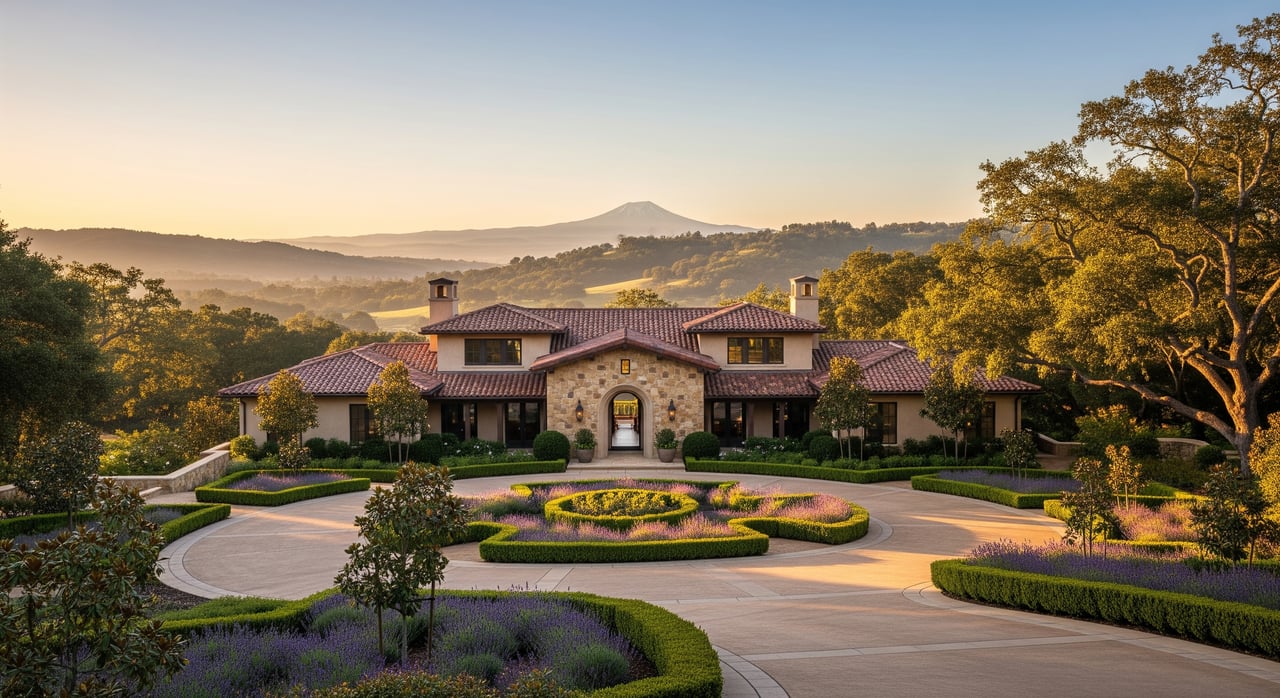
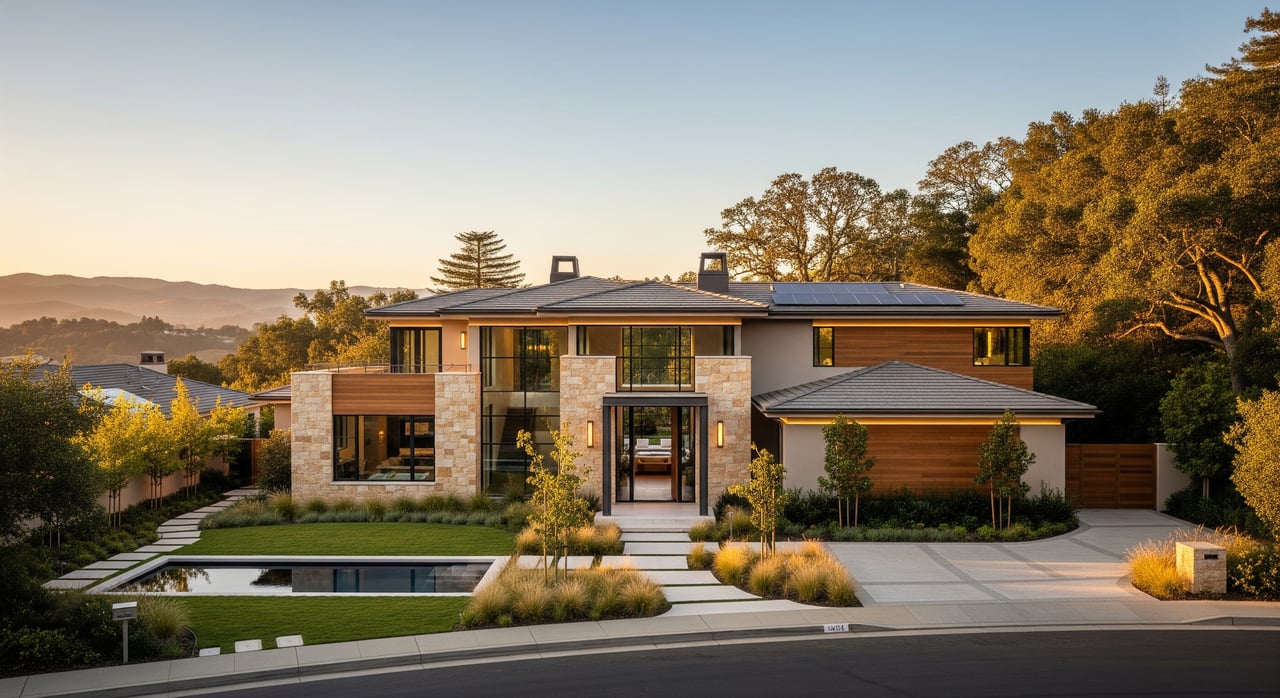
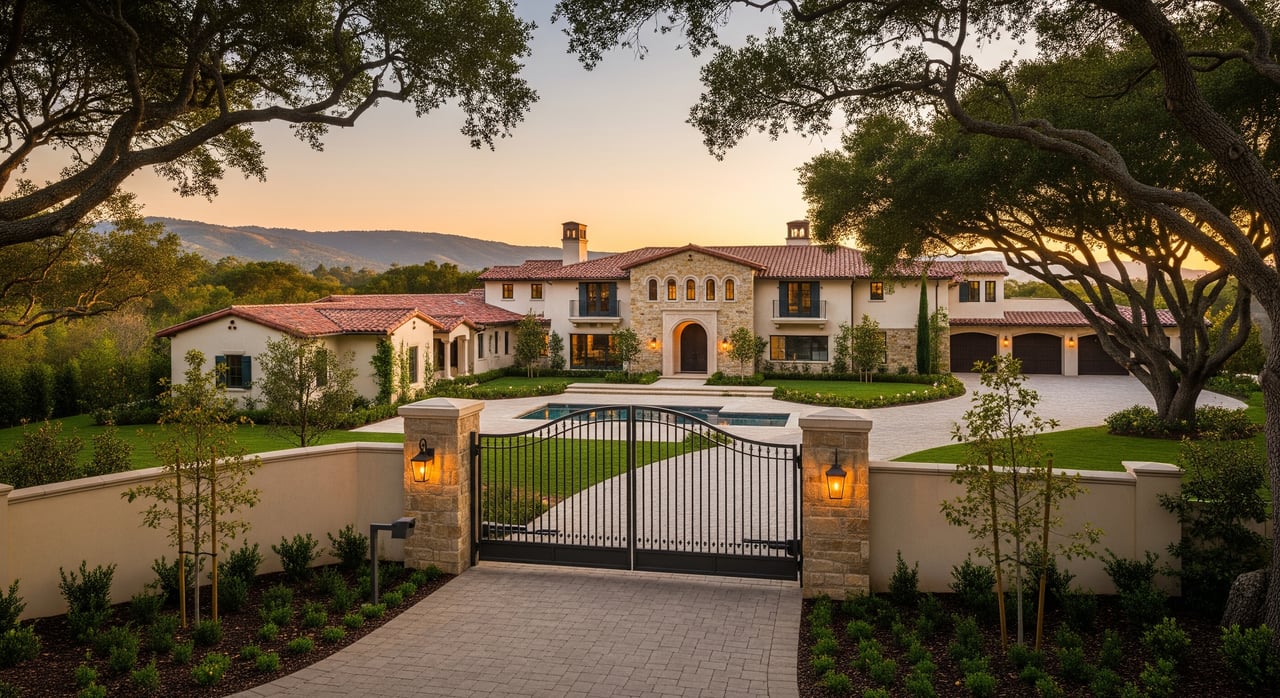
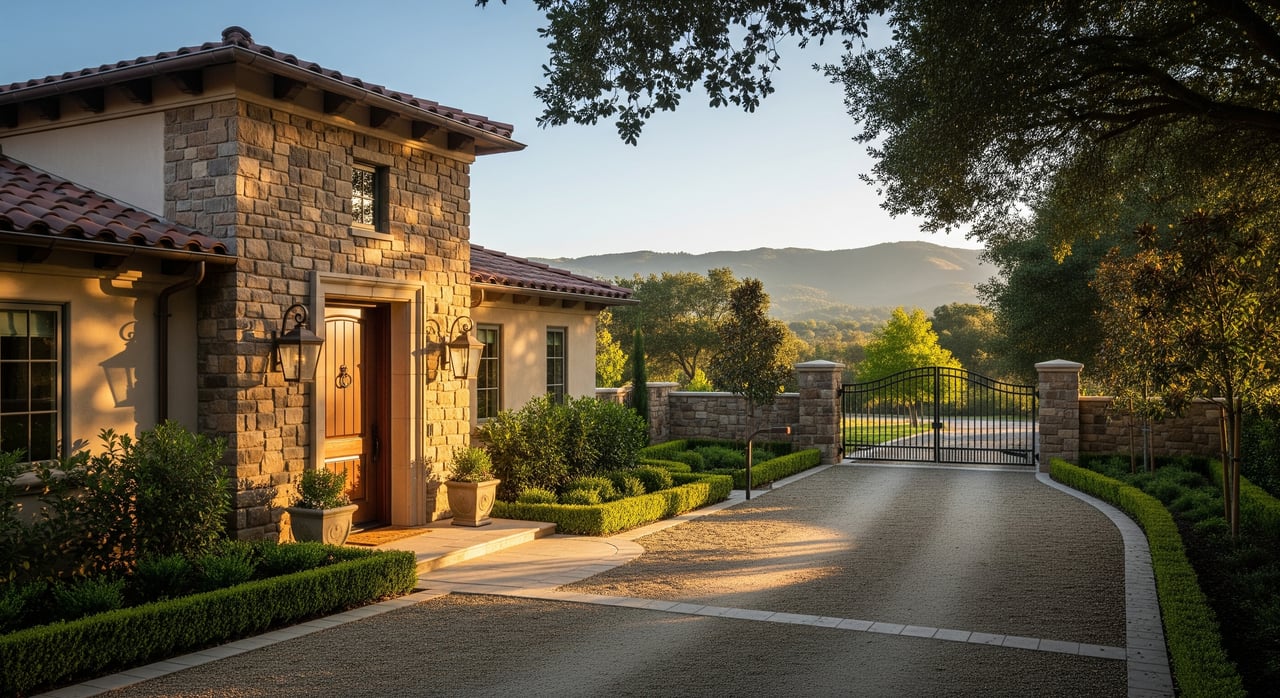
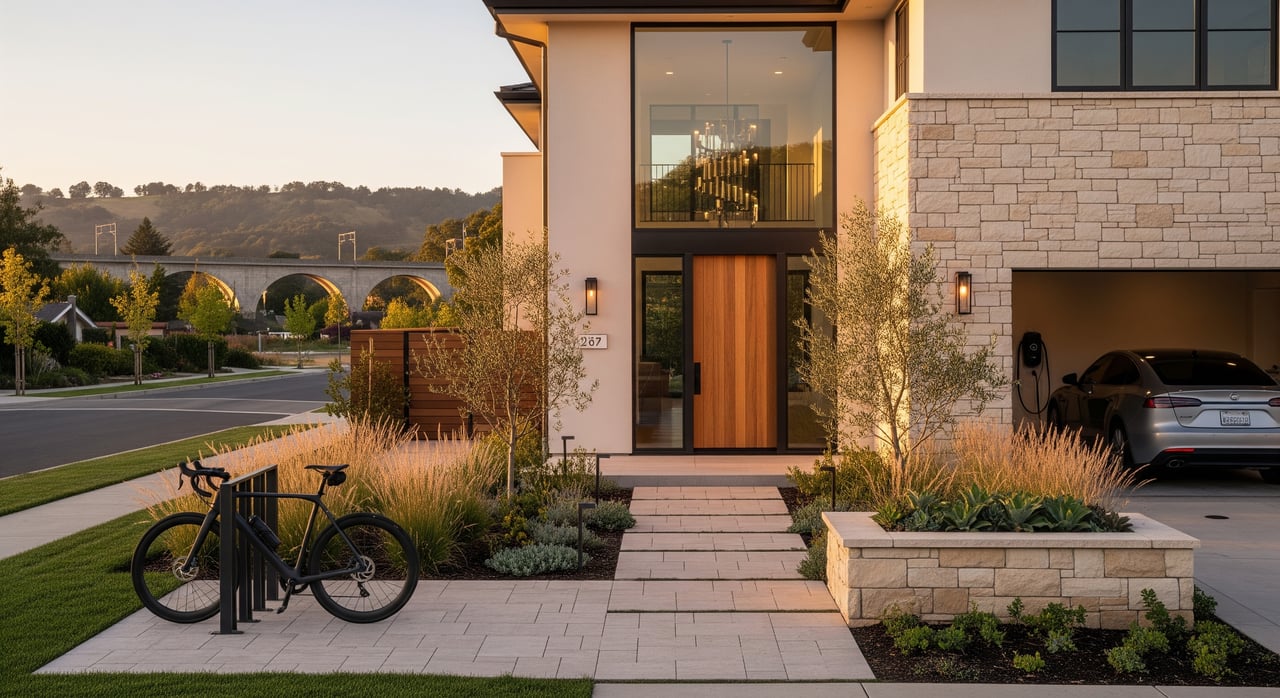
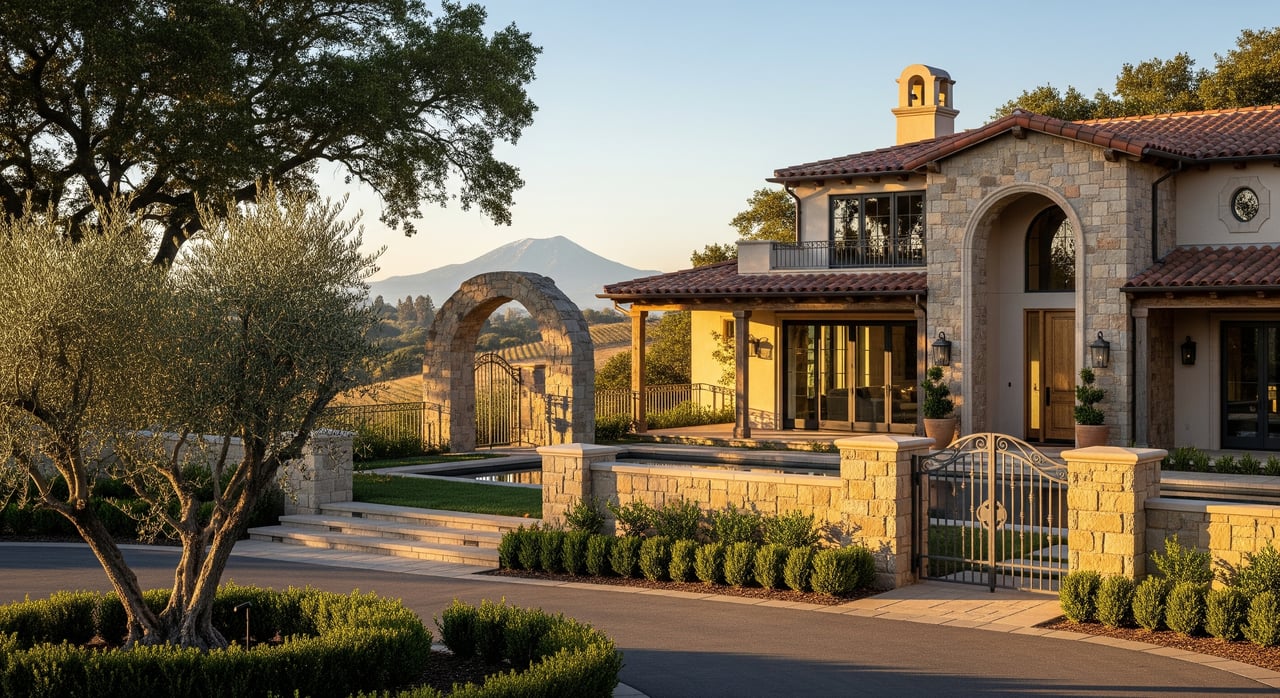
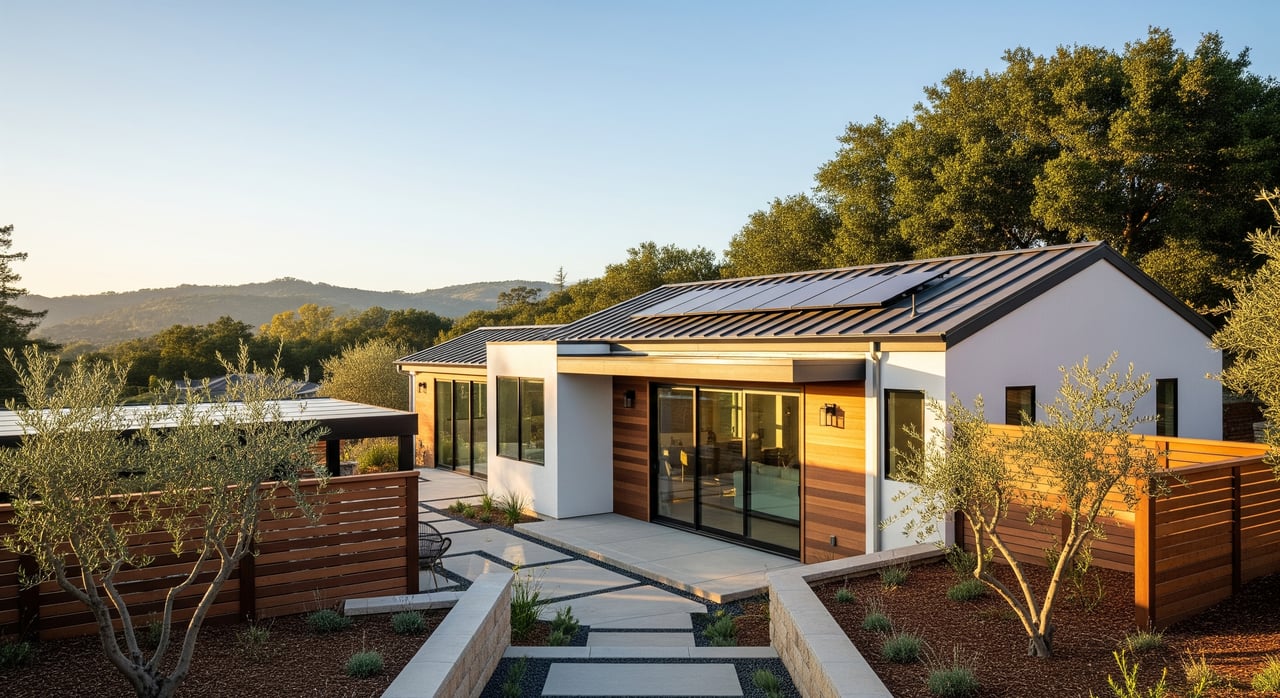
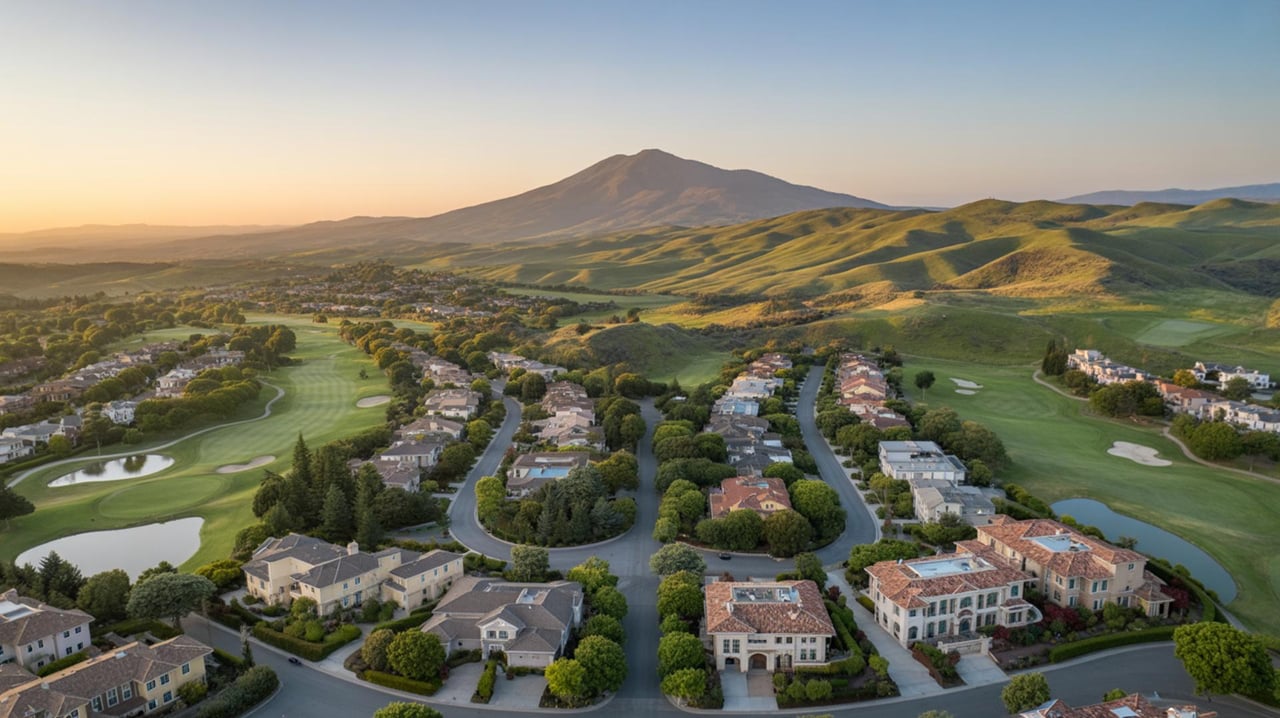
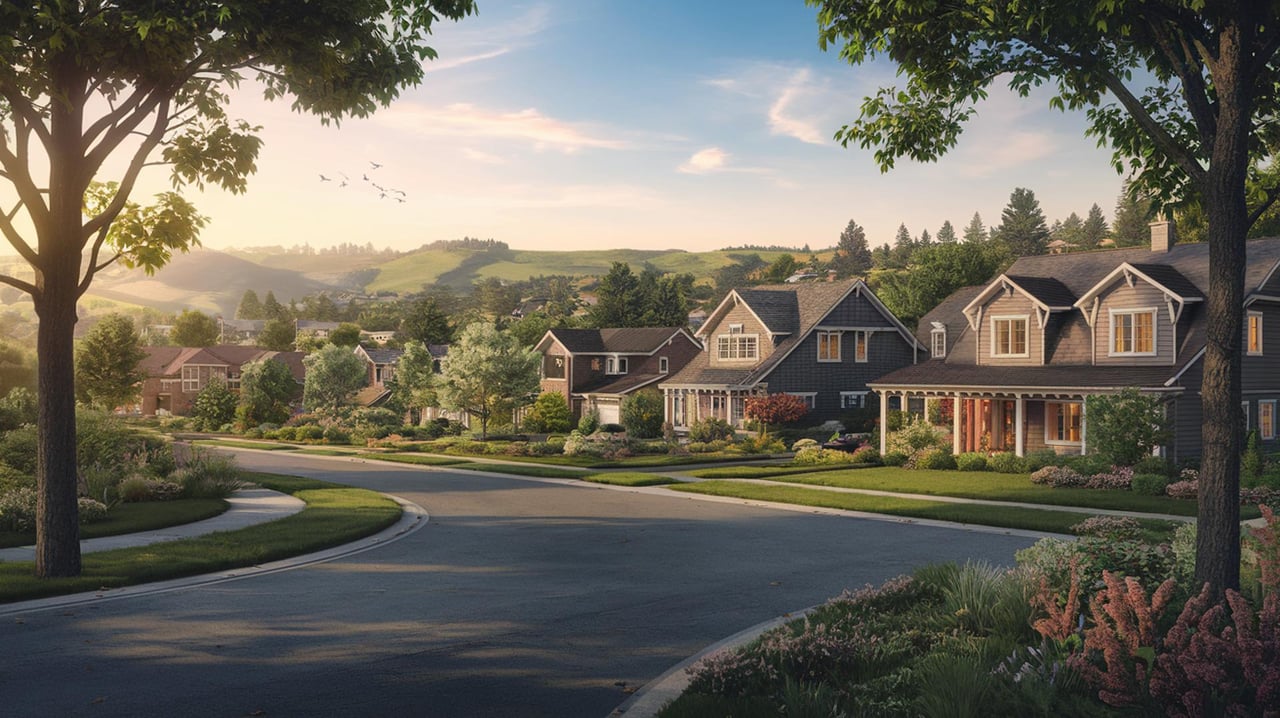
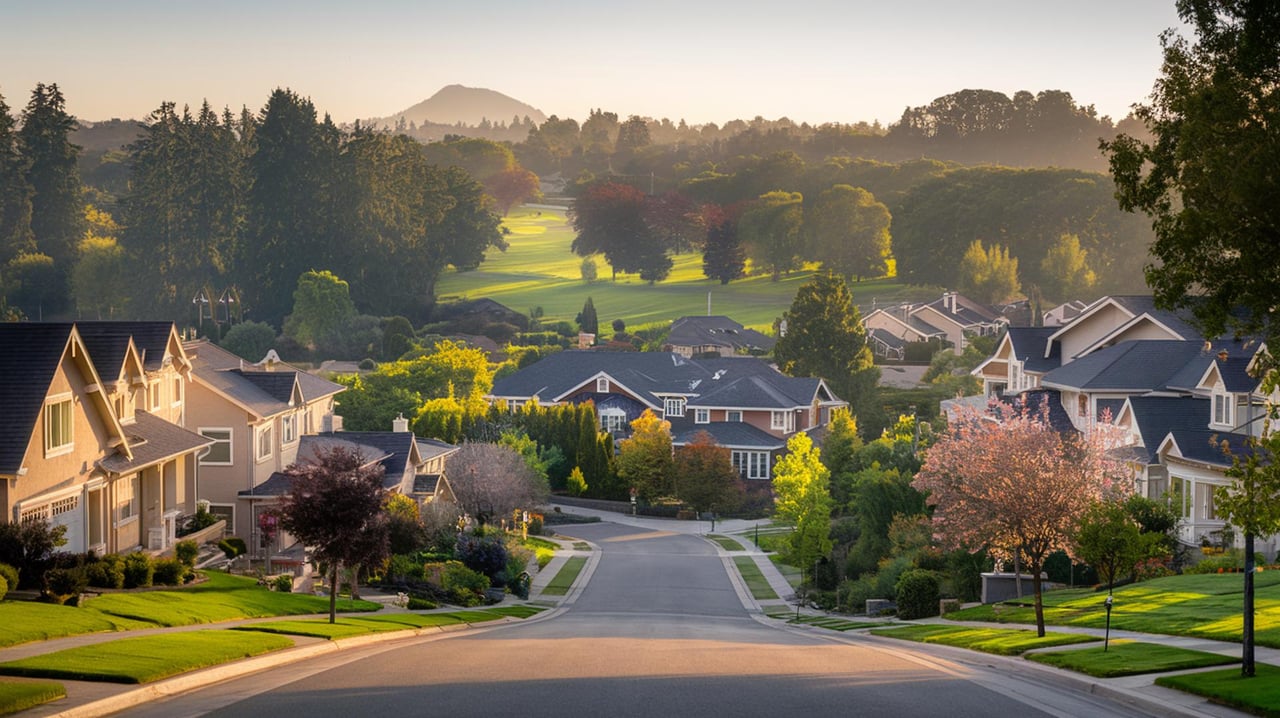
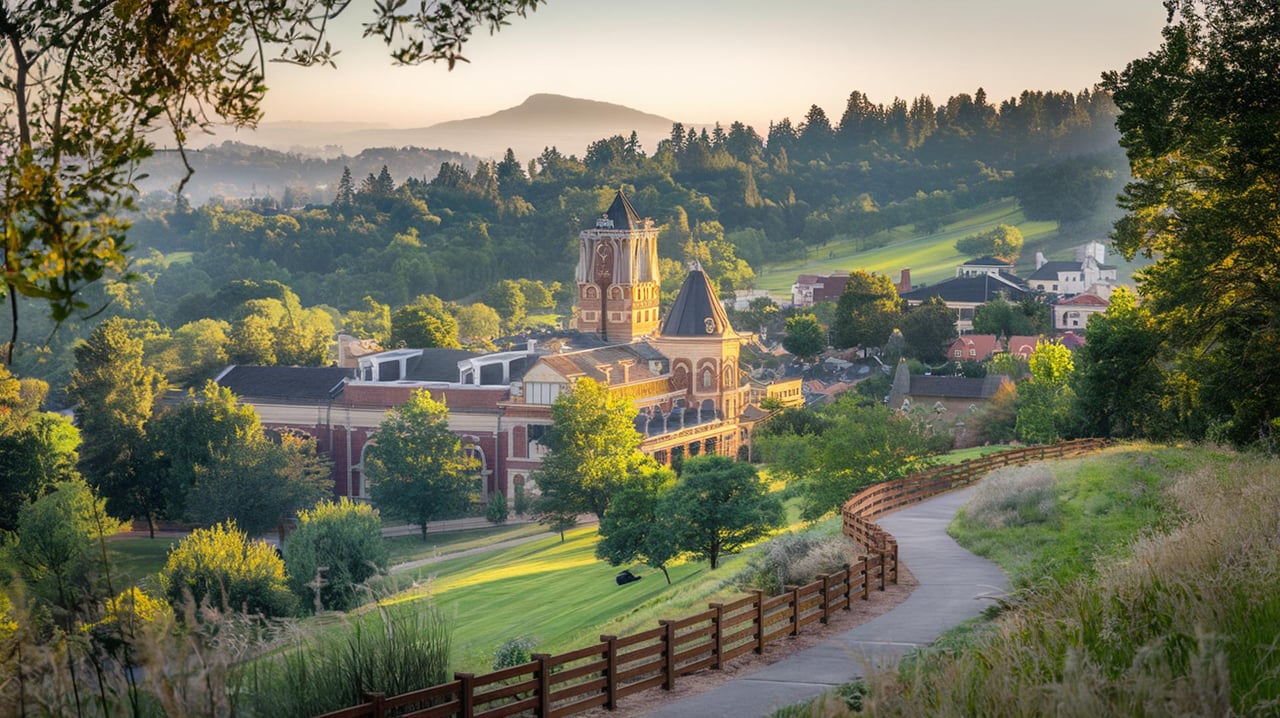
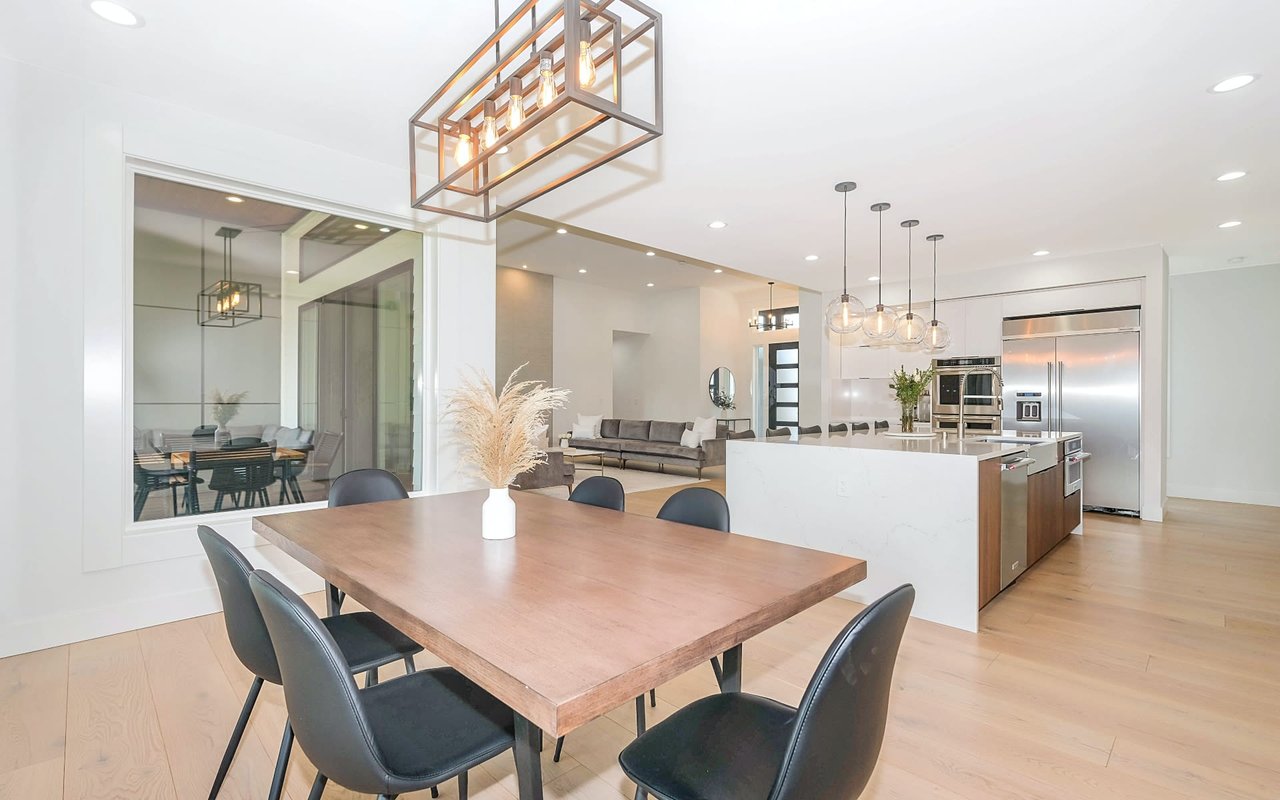
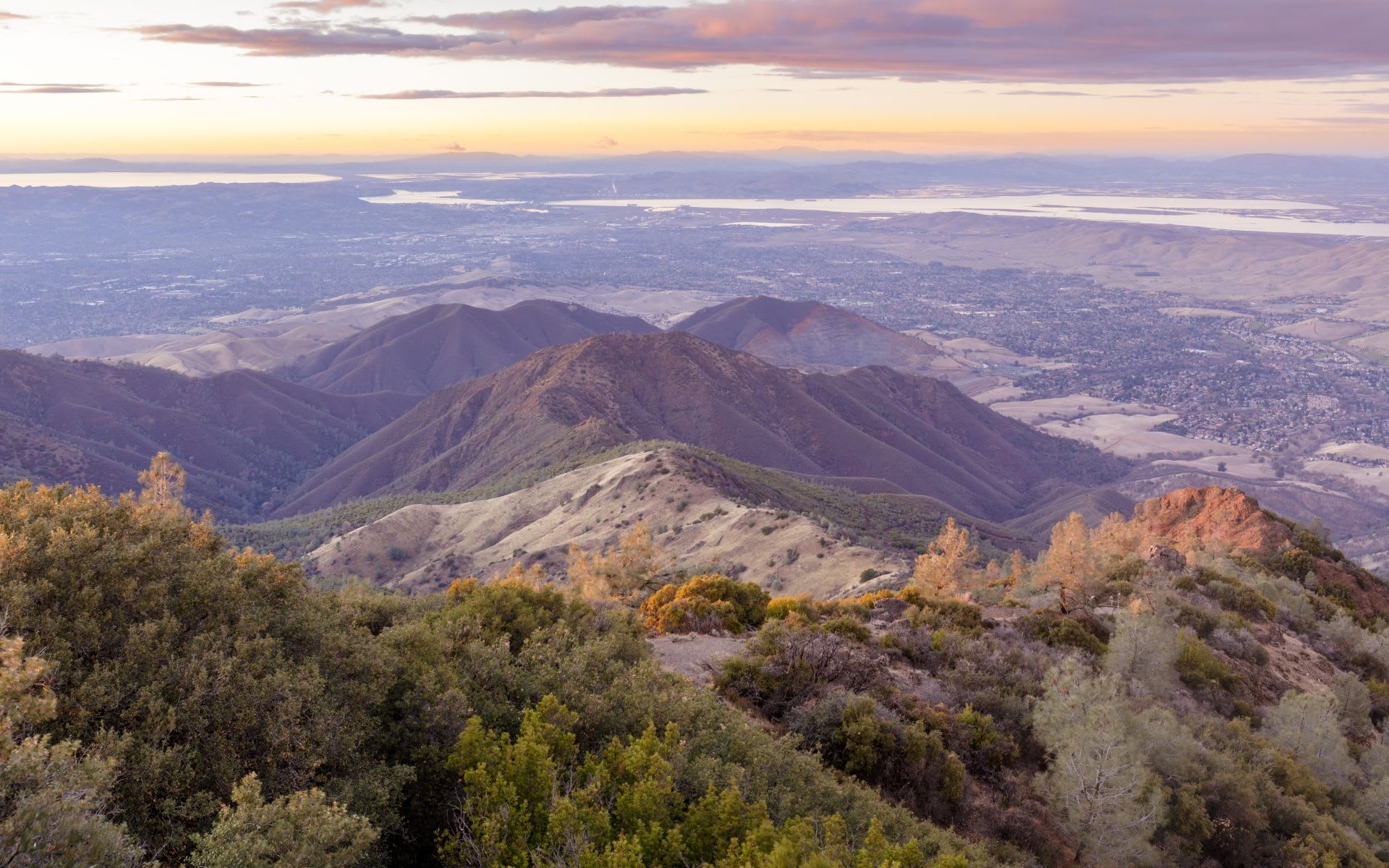
Drive down Bollinger Canyon Road this month and you pass two versions of San Ramon within the same half mile. On one side, the gated streets of Windemere sit quiet behind mature landscaping, the same homes that have been there since the 2000s, no new construction, no new lots. On the other side, cranes and graders are reshaping a former Chevron office campus into what Sunset Development says will eventually be thousands of new houses and townhomes. Same city. Same zip code, mostly. Two completely different housing markets.
That split matters if you're trying to make sense of San Ramon's numbers right now, because the numbers don't agree with each other, and for a good reason.
The Number That Doesn't Explain Itself
Ask three sources what San Ramon home values did over the past year and you'll get three different answers. Zillow's home value index put the city's average at $1,483,516 as of July 31, 2026, down 4.5% over the prior twelve months. Redfin's citywide median sale price for the three months ending June 2026 came in at $1.6 million, essentially flat year over year, while its separate average price figure for the same window showed a 6.7% decline. Houzeo's January 2026 snapshot showed a median of $1,302,500, down less than a tenth of a percent, with days on market up 24% year over year to 54 days.
None of these sources is wrong. They're measuring slightly different things over slightly different windows, and in a normal market that noise would wash out. In San Ramon this year, it isn't washing out, because Redfin's own neighborhood-level pages tell a sharper story. Central San Ramon's average house price was $1.37 million as of its most recent reporting period, down 8.8% year over year. Southern San Ramon's average was $1.34 million, down 10.6%. Those are real, submarket-specific declines happening at the same time the citywide figure looks nearly flat.
A citywide average can only look calm if something underneath it is holding steady while something else is falling. In San Ramon, the steadying force is the city's older, land-locked planned communities. The falling force is newer, mid-tier inventory turning over faster than it used to. Averaging the two together produces a number that describes neither.
Two Supply Regimes, One City Limit
Here's the mechanism worth understanding before you compare neighborhoods on price alone. San Ramon currently has two structurally different kinds of housing supply operating inside the same city limits.
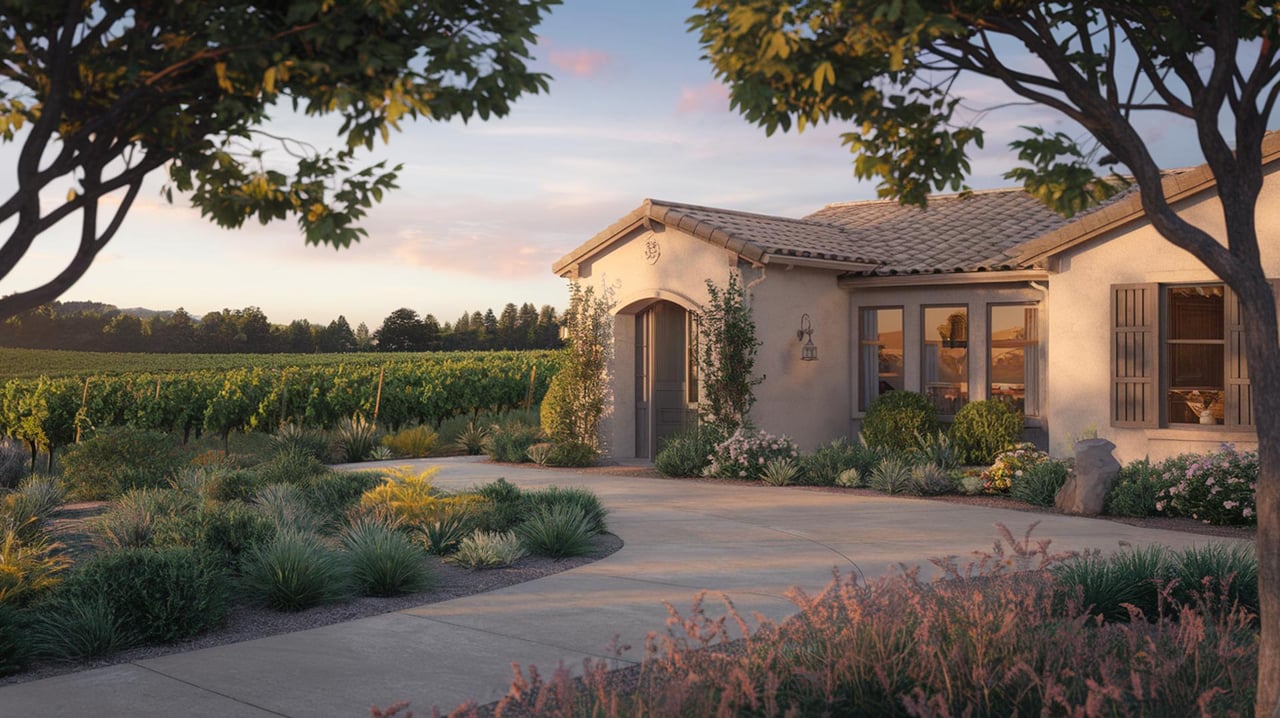
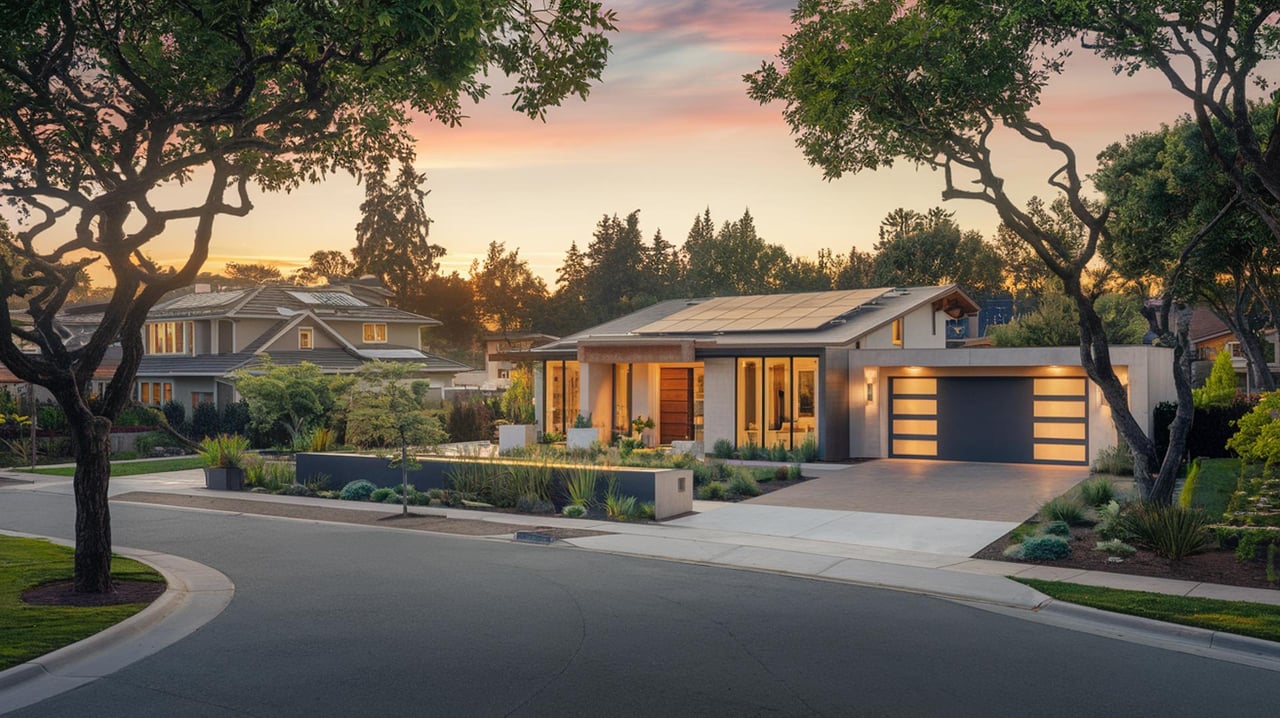
The first is fixed. Neighborhoods like Windemere, Gale Ranch, and the older sections of Twin Creeks were built out years ago inside gated or HOA-governed boundaries with no more land to add. When a home there changes hands, it's a straight trade between the same finite pool of buyers and sellers who have always competed for that inventory. Prices in a fixed-supply market move on demand alone, because supply can't respond.
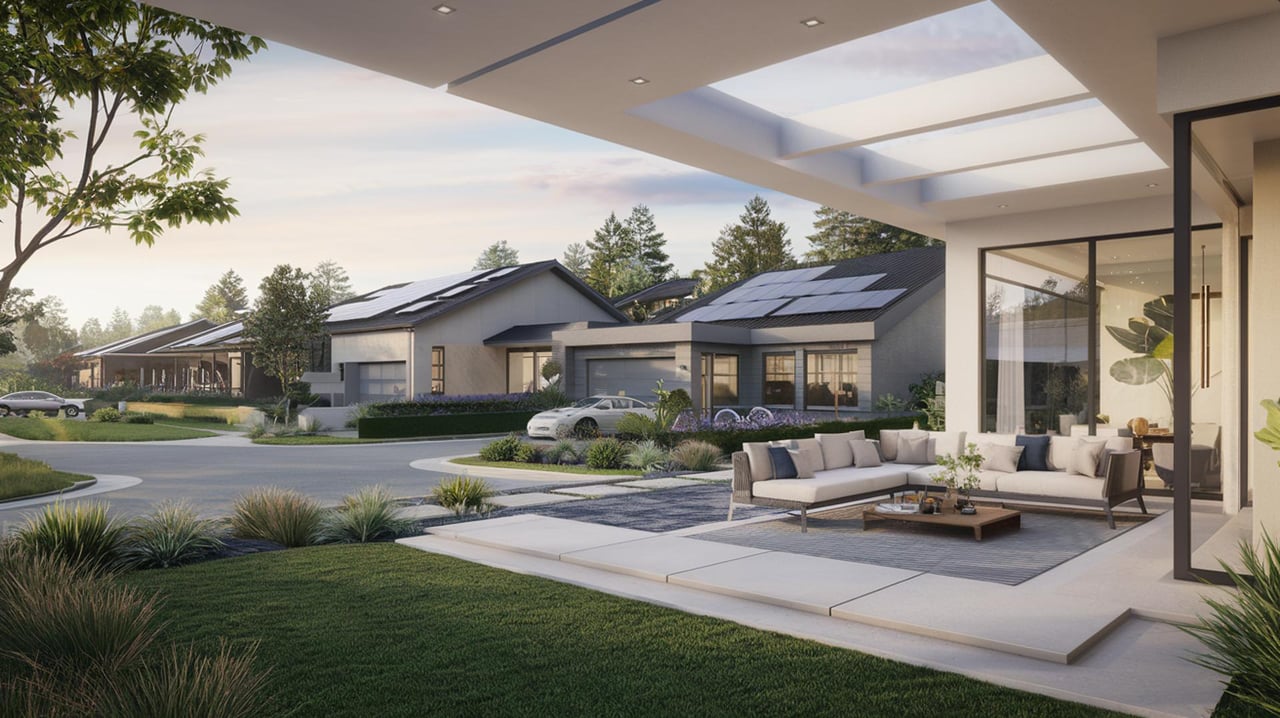
The second kind of supply is anything but fixed. It's actively being built, one project at a time, on land that until recently held office buildings. Sunset Development, the family-run company that has owned Bishop Ranch since 1978, has laid out plans for roughly 8,400 new homes across the 600-acre campus over the next two decades. Reporting earlier this year put the count at 367 units finished, 1,055 under construction, and approvals in place for another 4,547, with the rest still on paper.
That gap between approved and built is the friction a buyer needs to understand. "New construction at Bishop Ranch" doesn't mean one product delivered on one timeline. It means a rolling sequence of separate projects from separate builders, each landing in the market at a different phase, each competing with the last one for the same buyer pool.
What's Actually Being Built Right Now
Trumark Homes broke ground this month on The Trails at Bishop Ranch, a 195-lot project combining 67 single-family homes and 128 townhomes on the northwestern edge of the campus, with model homes not expected to open until fall 2027. It's Trumark's third San Ramon project in as many years, following Deerwood Heights, a 61-unit townhome community that opened for pre-sales in June 2026 with three-bedroom units starting at $998,000.
Lennar is building the next phase after that. The company has agreed to develop 255 single-family homes on a 25-acre site called Canopy, replacing three office buildings known collectively as BR8. Demolition and construction aren't expected to begin until mid-to-late 2027. Van Daele Homes bought a separate 3.6-acre office site in March 2026 for $11.1 million with plans for 64 townhome condominiums and nine accessory dwelling units. AvalonBay purchased 5.7 acres in December 2025 for roughly $30.5 million, a year after winning multifamily development approval for the site. Eden Housing is building San Ramon's first 100% affordable community on donated land, 200 rental units split between working families and residents 55 and older, with construction slated for late 2026.
Five different builders, five different timelines, all converging on the same former office park. That's not a criticism of the plan. It's simply what "buying new construction in San Ramon" actually means right now, and it's worth knowing before you assume a listing labeled Bishop Ranch behaves like a normal new-home purchase in an established suburb.
| Established San Ramon (Windemere, Gale Ranch, Twin Creeks) | Bishop Ranch (active redevelopment) | |
|---|---|---|
| Land available for new supply | None, built out | Land still being converted from office to residential in phases |
| What you're buying | A finished home in a finished neighborhood | A home in a district still under construction around you |
| Delivery certainty | Immediate, resale | Phased over years, some projects not breaking ground until 2027 |
| Builders involved | N/A, resale market | Trumark, Lennar, Van Daele Homes, AvalonBay, Eden Housing |
| Price movement | Comparatively stable, demand-driven | More volatile, exposed to new-phase pricing and construction timing |
As reported by National Today, Sunset Development's president, Alex Mehran Jr., has described the ambition behind all of this plainly.
"We are trying to create a 10-minute lifestyle."
It's a coherent vision. Bay Area Council economist Jeff Bellisario, quoted in coverage of the plan, offered the appropriate counterweight: large-scale redevelopment projects can lose momentum or public backing over time, and construction costs, permitting delays, and shifting retail habits are real headwinds. Both things are true. The vision is real and already partly built. The rest of it is still a two-decade construction schedule, not a finished neighborhood.
The Amenities Are Real. The Housing Is Still Catching Up.
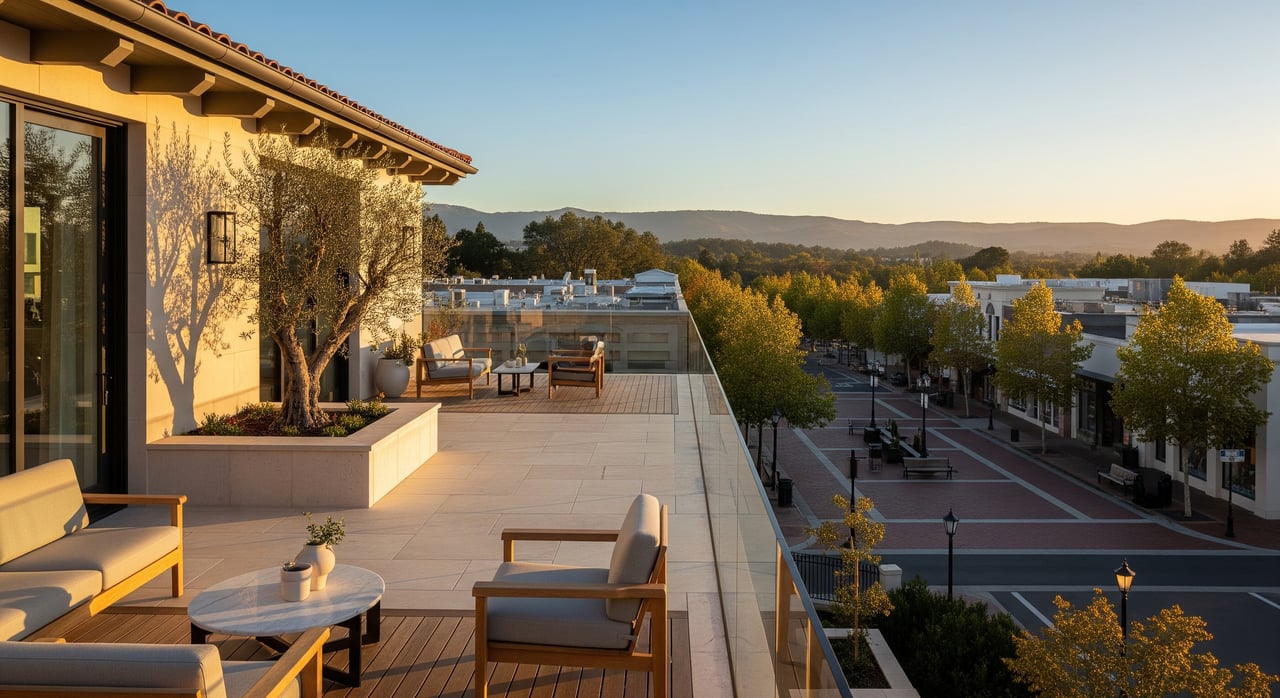
What makes Bishop Ranch different from a typical new-home tract is that the lifestyle side of the bet is already delivering, even while the housing side lags behind it. City Center Bishop Ranch, the Renzo Piano-designed retail and dining hub at the heart of the campus, added a wave of serious new restaurants in 2025 and 2026, including KHAKI, led by Michelin-recognized chefs, Rico Rico Taco, and Meyhouse Turkish Restaurant and Jazz Club. Lululemon opened a pop-up there in mid-2026. The Saturday farmers market at Alexander Square continues to draw a crowd.
That matters for how you read a Bishop Ranch listing. The amenities a buyer is paying for, the dining, the trail access to the 32-mile Iron Horse Regional Trail, the walkable retail, are functioning today. The housing stock around them is still mostly a construction site. You're not buying into a finished amenity-rich neighborhood the way you would in Windemere. You're buying into the early innings of one, with years of adjacent construction still to come.
What This Means If You're Weighing Both
If price stability and a finished neighborhood matter more to you than entry price, the established, supply-locked communities are the more predictable comparison. Their values respond to demand because supply genuinely can't expand, and that's a real structural advantage over a district still absorbing new phases.
If a lower entry price and a still-forming community appeal to you more, Bishop Ranch's new construction is a legitimate option, but go in understanding what you're actually buying: a home inside a multi-decade build-out where later phases from different builders will eventually compete with your resale value, and where some of the amenities you're paying a premium for today were built years ahead of the housing that's supposed to surround them.
Neither approach is wrong. They're just different bets, and the citywide median price can't tell you which one you're making.
Two Questions Worth Asking Before You Decide
Will new Bishop Ranch homes carry Mello-Roos or CFD assessments? San Ramon's newer planned communities generally do carry Community Facilities District tax assessments and HOA dues on top of the mortgage, sometimes totaling several hundred dollars a month. Confirm the specific figure for any Bishop Ranch listing before comparing it to an established neighborhood's total carrying cost.
How long will construction at Bishop Ranch actually continue? Sunset Development's own estimate is roughly two decades for the full 8,400-home build-out, with several current projects, including Canopy and The Trails, not expected to deliver finished homes until 2027 or later. Anyone buying in an early phase should expect adjacent construction activity for years.
If you're trying to figure out which side of San Ramon actually fits your timeline, budget, and tolerance for a neighborhood still under construction, that's exactly the kind of comparison Valerie Vicente walks San Ramon buyers and sellers through every week. Call Val for Value, and let's find the number that actually applies to your situation, not the citywide average that's quietly describing two different markets at once.
This article is general information, not legal, tax or financial advice. Consult a qualified professional about your situation.